
For anyone planning a journey to the sun-drenched shores or vibrant cities of the Golden State, understanding the local time isn’t just a matter of curiosity; it’s a fundamental aspect of seamless travel planning. Whether you’re booking flights, reserving accommodation, scheduling tours, or simply coordinating with friends and family back home, knowing “What is the current time now in California?” is your first step towards a well-organized and enjoyable experience.
The answer is straightforward: California observes the Pacific Time Zone. This means that during standard time, it follows Pacific Standard Time (PST), which is UTC-8. However, like much of the United States, California also observes Daylight Saving Time. From the second Sunday in March to the first Sunday in November, the state switches to Pacific Daylight Time (PDT), which is UTC-7. This one-hour shift is crucial for travelers, as it impacts everything from early morning departures to late-night entertainment schedules across iconic California destinations.
But beyond the simple time zone conversion, there’s a deeper layer of planning and preparation that savvy travelers consider. The vast expanse of the United States alone encompasses multiple time zones, let alone the global variations that international visitors contend with. For a state as diverse and activity-rich as California, optimizing your schedule by understanding its time zone nuances can significantly enhance your adventure, mitigate jet lag, and ensure you make the most of every precious moment in this captivating corner of the world.
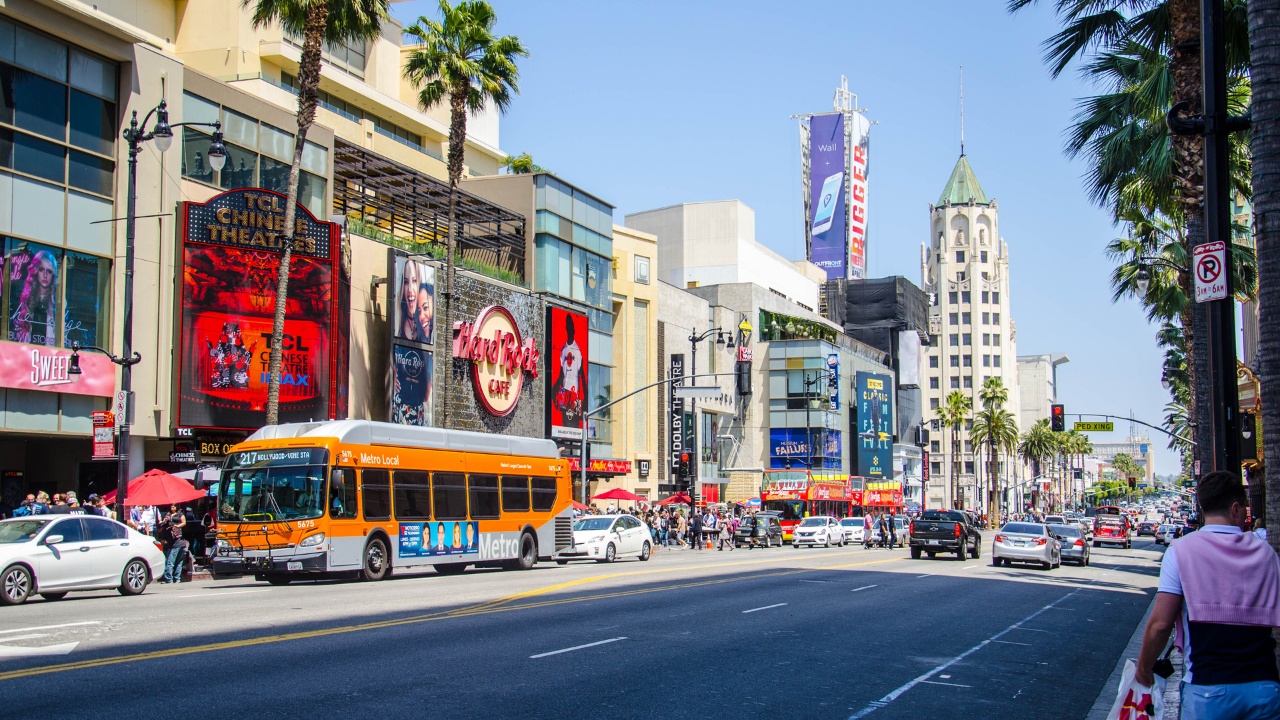
Understanding California’s Time Zone: Pacific Standard Time (PST) and Pacific Daylight Time (PDT)
The rhythm of life in California is dictated by the Pacific Time Zone, a crucial piece of information for any visitor. This time zone is a dynamic entity, shifting between two modes throughout the year: Pacific Standard Time (PST) and Pacific Daylight Time (PDT). Understanding this annual transition is paramount for flawless travel planning and enjoyment.
Pacific Standard Time (PST) is the default, observed during the colder months, roughly from early November to mid-March. During this period, California operates at eight hours behind Coordinated Universal Time (UTC-8). When spring arrives, so does the shift to Pacific Daylight Time (PDT), moving the clock forward by one hour to UTC-7. This change, commonly known as Daylight Saving Time, aims to make better use of natural daylight, pushing sunset later into the evening. While the concept might seem simple, its implications for travelers are far-reaching, affecting everything from flight arrival times to the opening hours of landmarks and attractions.
Navigating Time Differences for East Coast Travelers
For those journeying from the East Coast of the United States, the time difference with California is a significant factor. Most of the East Coast observes the Eastern Time Zone (ET), which is typically three hours ahead of California. This means that a 9:00 AM flight departure from New York City would correspond to 6:00 AM in Los Angeles, and an evening event starting at 7:00 PM in San Francisco would be 10:00 PM for family members watching the clock back in Florida.
This three-hour gap has direct implications for domestic travel and communication. Flight itineraries must be meticulously checked for local arrival times to avoid confusion, especially when connecting flights are involved. Business travelers need to carefully schedule virtual meetings and conference calls, remembering that a morning meeting on the East Coast might be before dawn for their California counterparts. Furthermore, adjusting to the time change can impact your initial days in California, making early mornings feel even earlier and evenings seem to rush by. Planning for this adjustment, perhaps by booking a flight that arrives mid-afternoon California time, can help ease the transition.

International Perspectives: Bridging Global Gaps
International visitors face even greater time zone disparities, requiring more extensive preparation for their trip to California. The shift from distant global hubs can be substantial, leading to more pronounced jet lag and a greater need for strategic planning.
Consider the time differences with some major international cities:
- London, United Kingdom: London is typically eight hours ahead of California during PST (and seven hours during PDT). A morning call at 9:00 AM in London would be 1:00 AM in Los Angeles (PST).
- Paris, France: Paris is usually nine hours ahead of California during PST.
- Tokyo, Japan: Tokyo is a full seventeen hours ahead of California during PST. This means when it’s midday on Monday in Tokyo, it’s still late evening on Sunday in California.
- Sydney, Australia: Sydney is nineteen hours ahead of California during PST.
These vast differences highlight the importance of careful itinerary planning, especially for international flights which are often long-haul. Travelers arriving from Asia or Australia might effectively ‘lose’ a day crossing the International Date Line and numerous time zones. Such significant shifts necessitate a greater focus on jet lag mitigation strategies, including gradual adjustment of sleep patterns before departure, staying hydrated during the flight, and prioritizing rest upon arrival at your California destination. For international business stays, managing communication across these global gaps requires meticulous scheduling and an understanding of cultural norms regarding working hours.
The Practical Impact of Time Zones on Your California Travel Experience
The technicalities of PST and PDT quickly translate into practical considerations that shape every aspect of your California journey. From the moment you begin planning your trip to the final farewell, the local time zone plays a pivotal role in ensuring a smooth and enjoyable experience. Neglecting these details can lead to missed flights, inconvenient check-ins, or even closed attractions.
Flight Schedules and Airport Logistics
Air travel is often the first major interaction with time zones for any visitor. When booking flights to California, all times listed on your ticket will typically be in the local time of departure and arrival. This means an 8:00 AM departure from Chicago (Central Time) will arrive in Los Angeles (Pacific Time) at a significantly different local time, even accounting for flight duration. For example, a 4-hour flight departing Chicago at 8:00 AM CT would arrive in Los Angeles at approximately 9:00 AM PT.
Major hubs like Los Angeles International Airport (LAX), San Francisco International Airport (SFO), and San Diego International Airport (SAN) are bustling gateways that operate 24/7, but ground transportation, check-in counters, and even connecting flights adhere strictly to local Pacific Time Zone schedules. Arriving late at night or very early in the morning might mean fewer public transport options, longer waits for ride-shares, or closed airport amenities. For instance, if you arrive at 2:00 AM California time, many rental car agencies might be closed, or shuttle services less frequent. Always double-check operating hours based on local time. Furthermore, understanding the time difference is key to effectively managing jet lag. Arriving early in the California afternoon often allows for a relatively normal bedtime, aiding in faster adjustment.
Booking Accommodation and Activities
The intricacies of time zones extend directly to your accommodation and activity bookings. Standard check-in times for hotels, resorts, and apartments across California are typically in the mid-afternoon (e.g., 3:00 PM or 4:00 PM local time), with check-out usually around 11:00 AM or 12:00 PM. An early morning arrival from the East Coast, for instance, might leave you waiting several hours before your room is ready, unless you’ve pre-arranged an early check-in or booked an extra night. Always confirm these details with your specific property, be it a luxury suite in Beverly Hills or a charming villa in Palm Springs.
Scheduling activities also demands careful attention to California time. Popular attractions like Disneyland Resort in Anaheim, Universal Studios Hollywood, and tours of Alcatraz Island in San Francisco operate on strict local schedules, with reservations often required well in advance. Missing a timed entry slot due to a miscalculation of the time difference can be incredibly disappointing. Restaurant reservations, especially for sought-after dining experiences in San Francisco or Los Angeles, are also time-sensitive. Coordinating a wine-tasting tour in Napa Valley or a sunrise hike in Yosemite National Park requires precise timing, factoring in travel to and from your accommodation and the duration of the activity itself.

Maximizing Your California Lifestyle and Tourism
Beyond logistics, understanding California’s time zone allows you to fully immerse yourself in the local lifestyle and tourism scene. The state’s rhythm is distinct, with many activities designed to take advantage of its famous sunshine and diverse landscapes. Early mornings in California are often cool and crisp, perfect for a surf lesson in Malibu, a jog along the Santa Monica Pier, or exploring the quiet beauty of national parks before the crowds arrive. Knowing that 7:00 AM California time is already 10:00 AM on the East Coast can motivate you to embrace these early starts, effectively giving you ‘more’ of your day in the Golden State.
Afternoons might be dedicated to exploring local culture, perusing art galleries in Laguna Beach, or indulging in food tours in San Francisco. Evenings come alive with sunset views over the Pacific Ocean from Big Sur, vibrant nightlife in Hollywood, or stargazing in Death Valley National Park. These quintessential California experiences are deeply tied to the natural light cycle and local operating hours. By tuning into the Pacific Time Zone, you can align your internal clock with the state’s vibrant pulse, ensuring you don’t miss a beat of its unique appeal. From enjoying a leisurely breakfast in San Diego to catching a performance at the Walt Disney Concert Hall in Downtown Los Angeles, every moment is enhanced by a conscious awareness of the local time.
Mitigating Jet Lag and Embracing the Golden State’s Rhythm
One of the most common challenges for travelers crossing multiple time zones is jet lag. This temporary sleep disorder can disrupt your trip, causing fatigue, irritability, and difficulty concentrating. However, with strategic planning and mindful practices, you can significantly reduce its impact and quickly embrace the relaxed yet dynamic rhythm of California life.
Pre-Travel Preparation and In-Flight Strategies
Mitigating jet lag begins even before you board your flight. A few days before departure, try to gradually adjust your sleep schedule closer to California time. If you’re traveling west, this means going to bed and waking up later; if traveling east (less common for most California visitors, but relevant for return journeys), shift earlier. Even moving your schedule by an hour or two each day can make a noticeable difference.
During your flight, focus on hydration. Drink plenty of water and avoid excessive caffeine and alcohol, as these can exacerbate dehydration and interfere with sleep. If possible, try to sleep on the plane, especially if your arrival in California is in the morning or early afternoon. Noise-canceling headphones, an eye mask, and a comfortable neck pillow can aid in creating a conducive sleep environment. Adjust your watch or phone to Pacific Time Zone as soon as you settle into your seat, mentally preparing for the new time. This simple act can psychologically help you transition.
On-Arrival Adjustment and Daily Routines
Upon arrival in California, your primary goal should be to align your body clock with the local time as quickly as possible. The most effective strategy is exposure to natural light. Seek out sunshine, particularly in the morning, as it helps regulate your circadian rhythm. Take a walk along a beach in Santa Cruz or explore the urban landscapes of San Jose.
Eat your meals at local times, even if you don’t feel hungry at first. This helps to reset your internal clock. While a short power nap (20-30 minutes) can be beneficial to combat extreme fatigue, avoid long naps that might interfere with nighttime sleep. Stay active during the day; light exercise, such as exploring the Hollywood Walk of Fame or cycling across the Golden Gate Bridge, can help you feel more alert and improve sleep quality later. In the evening, dim the lights, avoid screens an hour or two before bedtime, and try to establish a relaxing routine. Prioritize getting a full night’s sleep on your first few nights. By consciously adapting your routine to California’s time, you’ll soon be fully refreshed and ready to experience everything the state has to offer, from the towering redwoods of Northern California to the deserts of Southern California.
A Timeless Experience: Why California’s Allure Transcends the Clock
While understanding “What is the current time now in California?” is undeniably practical for planning and execution, the true magic of the Golden State transcends mere temporal considerations. California’s allure lies in its extraordinary diversity, its vibrant culture, and the sheer breadth of experiences it offers, irrespective of the precise tick of the clock.
From the majestic peaks of the Sierra Nevada and the ancient groves of Sequoia National Park to the bustling cityscapes of Los Angeles and the historic charm of Sacramento, California is a tapestry woven with natural wonders, architectural marvels, and innovative spirit. Travelers can indulge in luxury travel along the coast, embark on a budget travel adventure exploring national forests, or enjoy unforgettable family trips to world-class theme parks. The opportunities for tourism are endless, from exploring Silicon Valley’s tech innovations to discovering the wine country charm of Sonoma.
Understanding California’s time zone ensures that you can efficiently navigate its vastness, book the perfect hotels or boutique apartments, and schedule your encounters with its iconic landmarks and hidden gems. It allows you to synchronize with the local rhythm, whether that means catching the first rays of sun on a beach or enjoying a late-night performance. But once you’ve adjusted, the clock fades into the background, leaving you free to fully immerse yourself in the moment.
So, while knowing the current time in California is your practical key to unlocking the Golden State, remember that the ultimate reward is the timeless memories you’ll create. Whether it’s the thrill of driving Highway 1, the serenity of a redwood forest, or the energy of Hollywood, California promises an experience that truly transcends time. Plan wisely, but then let the magic of California unfold at its own magnificent pace.
LifeOutOfTheBox is a participant in the Amazon Services LLC Associates Program, an affiliate advertising program designed to provide a means for sites to earn advertising fees by advertising and linking to Amazon.com. Amazon, the Amazon logo, AmazonSupply, and the AmazonSupply logo are trademarks of Amazon.com, Inc. or its affiliates. As an Amazon Associate we earn affiliate commissions from qualifying purchases.