
Navigating the vibrant streets of New York offers an unparalleled travel experience, from the iconic skyscrapers of New York City to the serene beauty of the Adirondacks. Whether you’re planning a luxury getaway, a family adventure, or a business stay, understanding local regulations can enhance your trip. One such regulation that often piques the interest of travelers, especially those seeking to enhance their lifestyle and comfort in their vehicle, is the legality of window tinting. The question of “What Is The Darkest Legal Window Tint In New York?” is more than just a query about car aesthetics; it touches upon safety, visibility, and adherence to state laws.
For those exploring New York by car, whether it’s a rental for navigating the bustling avenues of Manhattan or a personal vehicle for a road trip through Upstate New York, knowing the permissible tint levels is crucial. It’s about striking a balance between personal preference for privacy and a cooler cabin, and ensuring you don’t inadvertently break the law, which could lead to fines and the need to remove the tint. This article delves into the specifics of New York‘s window tint laws, ensuring your travel experience remains smooth and worry-free.
Understanding Window Tint Laws in New York
New York State has specific regulations regarding the darkness of window tint allowed on vehicles. These laws are primarily in place to ensure drivers have adequate visibility, both for themselves and for law enforcement officers. The darkness of window tint is measured by the Visible Light Transmission (VLT) percentage. A lower VLT percentage means a darker tint, as less light is allowed to pass through the window.
Legal VLT Percentages for Passenger Vehicles
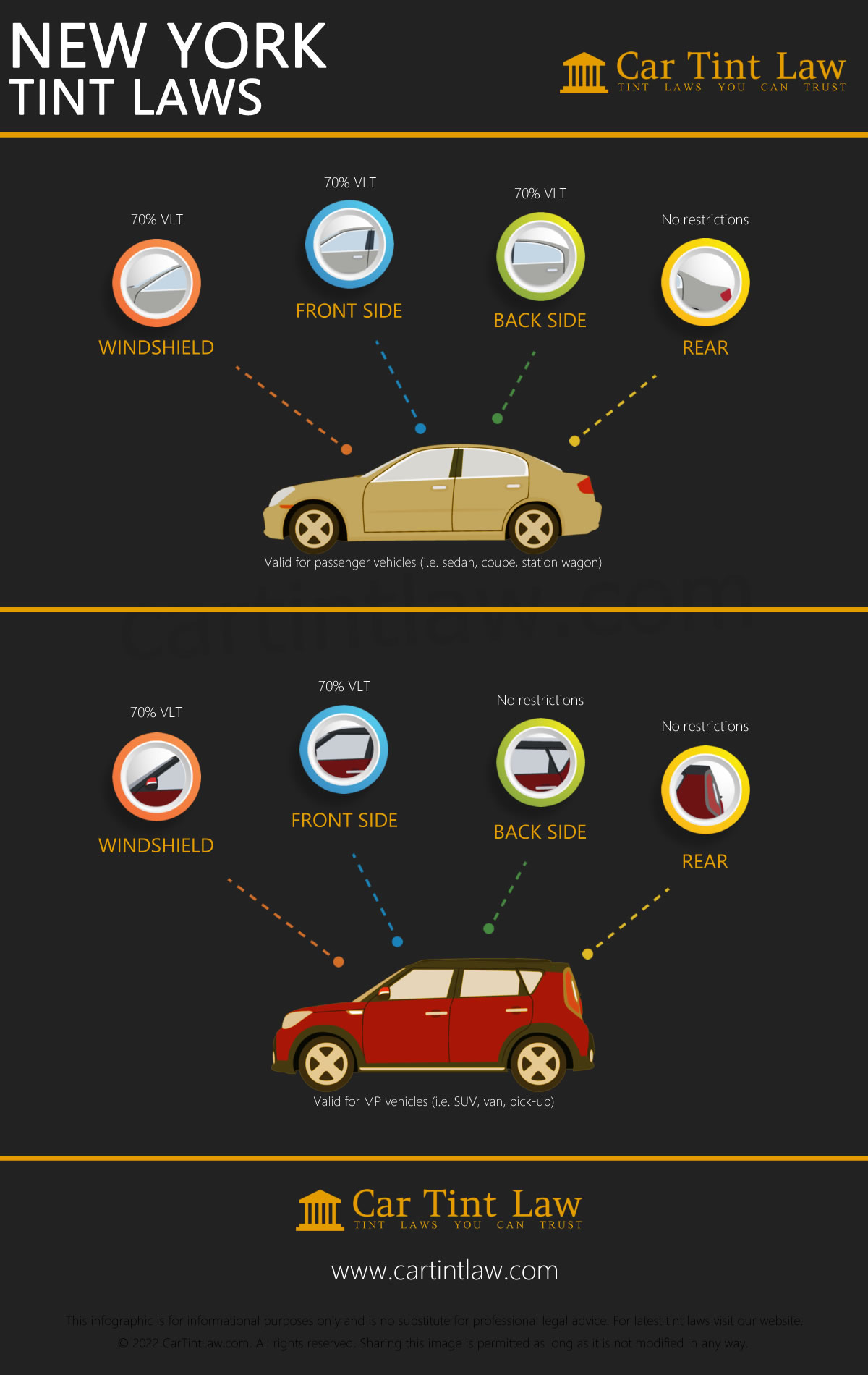
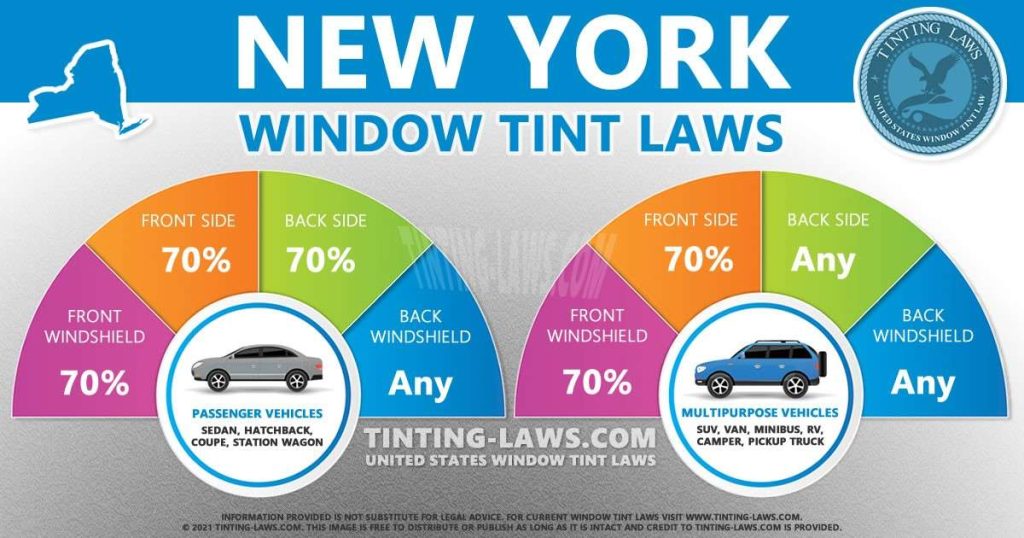
In New York, the laws are quite clear for passenger vehicles. The permissible VLT percentage for all windows, except for the windshield, is a minimum of 70% VLT. This means that no more than 30% of the visible light can be blocked by the tint.
- Front Windshield: The New York State Vehicle and Traffic Law explicitly prohibits any tinting on the windshield. The only exception is for the top few inches of the windshield, which can be covered by a non-reflective tint strip. This is to prevent sun glare and maintain visibility for the driver.
- Front Side Windows: Similar to the windshield, the front side windows are also restricted. The tint applied to these windows cannot reduce the VLT below 70%. This is a crucial point for drivers who might be accustomed to darker tints in other states or for personal preference.
- Rear Side Windows and Rear Window: For passenger vehicles, New York law allows for a slightly darker tint on the rear side windows and the rear window. These windows can be tinted to a minimum of 70% VLT. This means that up to 30% of light can be blocked. However, it’s important to note that this is still a relatively light tint compared to what is allowed in some other states.
These regulations apply to sedans, coupes, SUVs, and minivans intended for carrying passengers. The reasoning behind these specific percentages is to maintain a balance. A 70% VLT tint is subtle enough that a driver’s face is generally visible from the outside, and it doesn’t significantly impair visibility from the inside, especially during nighttime driving or in adverse weather conditions.
Tinting for Specific Vehicle Types: Trucks and Vans
While passenger vehicles have specific guidelines, New York State also has provisions for other types of vehicles, such as trucks and vans. For these vehicles, the rules can differ slightly, offering a bit more flexibility in some instances.
- Trucks and Vans: For vehicles classified as “trucks” or “vans” (typically those with a gross vehicle weight rating of over 8,000 pounds and designed for carrying goods or a larger number of passengers), New York law permits darker tinting on the rear side and rear windows. While the front windshield and front side windows still adhere to the 70% VLT rule, the rear windows can be tinted darker. The specific dark limit for these rear windows on trucks and vans is 30% VLT. This means that up to 70% of light can be blocked on these rear windows.
This distinction is important for business owners using vans for logistics or services within New York, or for families traveling in larger SUVs or minivans that might fall into this classification. It allows for greater privacy and heat reduction in the rear of the vehicle, which can be beneficial for carrying goods or for passengers in the back.
The Purpose Behind New York‘s Window Tint Laws
The regulations surrounding window tint in New York are not arbitrary; they are rooted in public safety and law enforcement considerations. Understanding the rationale behind these laws can help travelers and residents alike appreciate their importance.
Safety and Visibility
The primary concern for New York lawmakers is the safety of all road users. Window tint, especially when applied too darkly, can significantly impair a driver’s visibility.
- Night Driving: Extremely dark tints can make it difficult to see pedestrians, cyclists, or other vehicles at night or in low-light conditions. This is a major safety hazard, particularly in urban environments like New York City or during the darker months.
- Adverse Weather: During rain, fog, or snow, visibility is already reduced. Dark window tints exacerbate this problem, making it harder for drivers to react to changing road conditions.
- Law Enforcement Observation: Tinted windows can hinder law enforcement officers from observing the driver and occupants of a vehicle. This is important for identifying potential threats, such as impaired driving or criminal activity. The ability for officers to see into a vehicle during a traffic stop is a critical safety measure for both the officer and the public.
Legal Enforcement and Penalties
Adhering to New York‘s window tint laws is essential. Failure to comply can result in penalties, including tickets and fines.
- Traffic Stops: A police officer can pull over a vehicle if they suspect the window tint is too dark. They may use a handheld VLT meter to measure the tint.
- Fines and Rectification: If the tint is found to be illegal, the driver will likely receive a ticket and be required to remove the illegal tint. The cost of the fines can vary, and there may be additional fees associated with having the tint professionally removed.
- Appeals and Exemptions: In some rare cases, medical exemptions might be granted for specific window tinting due to certain health conditions. However, these exemptions typically require official documentation and approval from the New York Department of Motor Vehicles (DMV). It is crucial to obtain proper authorization before applying any tint that deviates from the standard legal limits.
It’s always advisable to consult with a reputable window tinting professional in New York who is knowledgeable about the current state laws. They can ensure that any tint applied is within the legal limits and use high-quality materials that offer the desired benefits, such as UV protection and heat rejection, without compromising safety or legality. For those planning to drive through New York, whether for a conference at the Javits Center or a leisurely tour of Niagara Falls, being aware of these regulations ensures a smoother and more enjoyable journey.
Enhancing Your Travel Experience with Legal Tint
While New York‘s tint laws are stricter than in some other states, this doesn’t mean you can’t enjoy the benefits of window tinting. The legal 70% VLT for most windows, and 30% VLT for rear windows on trucks and vans, still offers advantages that can significantly enhance your comfort and lifestyle during your travels.
Benefits of Legal Window Tint
Even a legal tint can provide substantial benefits, making your travel experience more enjoyable, whether you’re driving a car to explore Brooklyn‘s neighborhoods or heading towards a relaxing stay at a resort in the Catskills.
- UV Protection: High-quality window films, even at 70% VLT, block a significant amount of harmful ultraviolet (UV) rays. This protects your skin from sun damage during long drives and helps prevent the interior of your vehicle, including upholstery and dashboards, from fading and cracking due to sun exposure. This is particularly valuable when exploring attractions like Central Park or taking scenic drives along the Hudson River.
- Heat Reduction: While 70% VLT won’t drastically darken your windows, it can still help reflect some solar heat. This can make your car’s interior more comfortable, reducing the reliance on air conditioning and potentially improving fuel efficiency. Imagine stepping into a cooler car after a day of sightseeing at Ellis Island or a day trip to Saratoga Springs.
- Reduced Glare: Legal tints can help reduce annoying glare from the sun, making driving more comfortable and safer. This is especially beneficial during bright sunny days when driving on highways or through open landscapes.
- Enhanced Privacy: While not offering the same level of privacy as darker tints, 70% VLT does offer a subtle increase in privacy, making it slightly harder for passersby to see into your vehicle. This can provide a small but appreciated sense of security for your belongings.
- Aesthetic Appeal: Even a light tint can subtly enhance the look of a vehicle, giving it a more refined and polished appearance. This can contribute to a more enjoyable lifestyle choice, even while on the road.

Choosing the Right Tinting Service
When deciding to tint your windows in New York, it’s crucial to choose a reputable window tinting service. These professionals understand the state’s laws and can guide you in selecting the best products that comply with regulations while maximizing benefits.
- Certified Installers: Look for installers who are certified and have a good reputation. They will be familiar with New York‘s specific VLT requirements and can ensure the tint is applied correctly and legally.
- Quality Materials: Invest in high-quality tinting film. Premium films offer better UV rejection, heat reduction, and durability compared to cheaper alternatives. Brands often offer different shades within the legal limits, allowing for some customization while remaining compliant.
- Warranty: A reputable installer will offer a warranty on both the product and the installation. This provides peace of mind and protects your investment.
By understanding New York‘s window tint laws and working with skilled professionals, you can enhance your travel experience, improve your vehicle’s comfort and aesthetics, and ensure you remain fully compliant with state regulations. Whether you’re planning a trip to a Broadway show in Times Square, visiting the Statue of Liberty, or enjoying the tranquility of a lakeside resort, a properly tinted vehicle can be a small but significant part of a well-planned and enjoyable New York adventure.
LifeOutOfTheBox is a participant in the Amazon Services LLC Associates Program, an affiliate advertising program designed to provide a means for sites to earn advertising fees by advertising and linking to Amazon.com. Amazon, the Amazon logo, AmazonSupply, and the AmazonSupply logo are trademarks of Amazon.com, Inc. or its affiliates. As an Amazon Associate we earn affiliate commissions from qualifying purchases.