
The terms “motel” and “hotel” are often used interchangeably, leading to widespread confusion among travelers planning their next adventure or simply looking for a place to rest their heads. While both offer lodging, they cater to distinct travel needs, budgets, and experiences. Understanding the fundamental differences between them is key to making an informed choice that aligns perfectly with your travel style, whether you’re embarking on a luxurious getaway, a budget-friendly road trip, or a spontaneous business stay. From their architectural design and strategic locations to the range of amenities and the very essence of the guest experience, hotels and motels represent two divergent paths in the world of accommodation. This comprehensive guide will illuminate these distinctions, helping you navigate your options with clarity and confidence, ensuring your stay enhances your overall journey.
The Fundamental Distinctions: Location and Design
The most immediate and apparent differences between a motel and a hotel lie in their physical structure and their geographical placement. These elements fundamentally dictate the type of traveler each establishment aims to serve and the nature of the experience it offers.
Architectural Layout and Accessibility
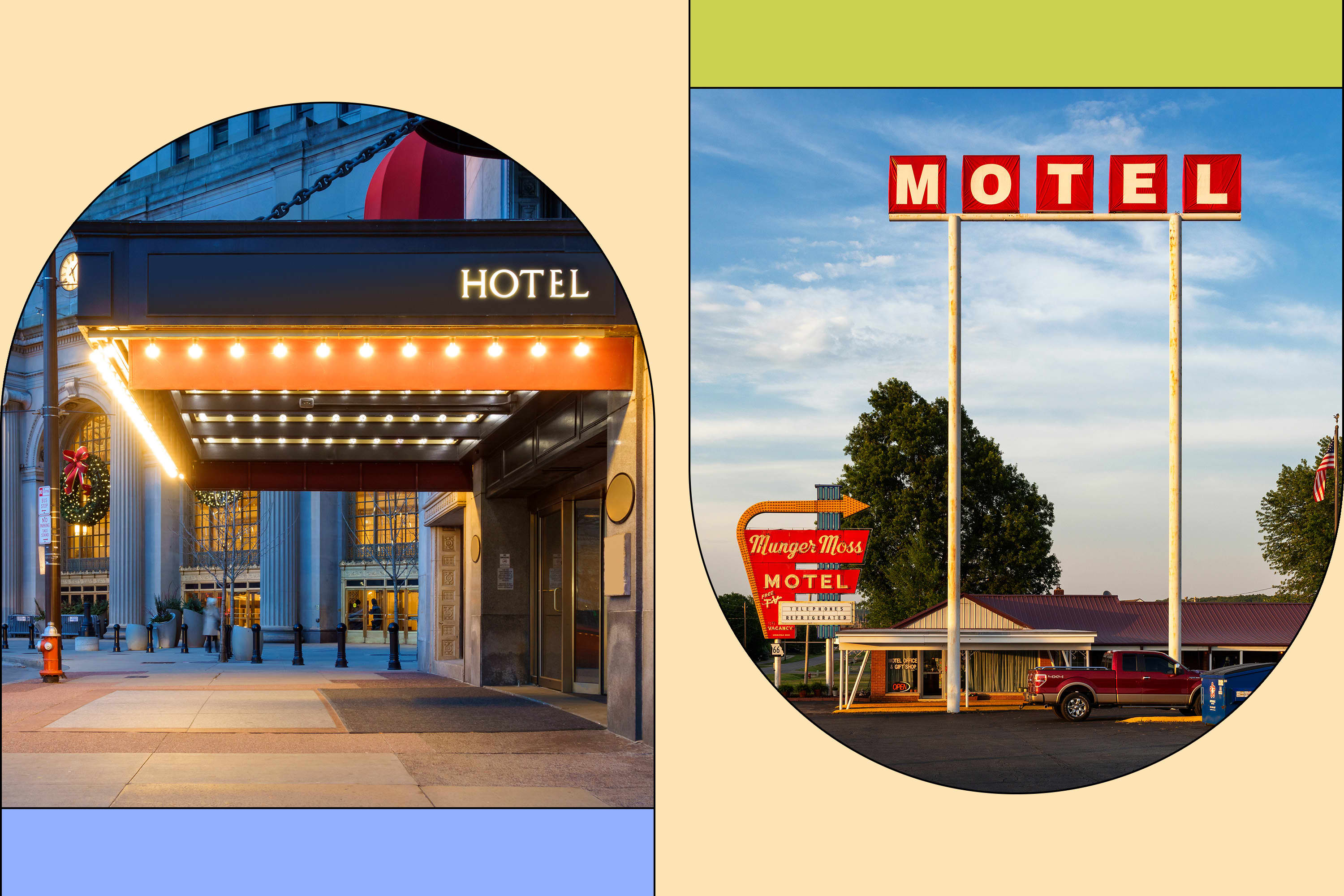
Historically, the word “motel” is a portmanteau of “motor” and “hotel,” coined in the early 20th century to describe establishments designed specifically for motorists. This origin story is reflected directly in their architecture. Motels typically feature a low-rise, often one or two-story, linear or U-shaped design, where rooms open directly to an outdoor corridor or parking lot. This direct access from your vehicle to your room is a hallmark of the motel experience, offering unparalleled convenience for travelers making quick stops. Think of classic American Route 66 imagery, where cars are parked right outside the room door. Brands like Motel 6 or Super 8 exemplify this design, prioritizing ease of entry and exit over elaborate lobbies or extensive interior public spaces.
Hotels, conversely, are typically multi-story buildings, often towering structures in urban landscapes or sprawling complexes in resort destinations. Their rooms are accessed via interior corridors, which branch off from a central lobby. This lobby often serves as a grand entrance, a social hub, and a functional space where guests check in, await transportation, or relax. The interior corridor design provides a heightened sense of security and privacy, as external access to individual rooms is restricted. From the iconic elegance of The Plaza Hotel in New York City to the bustling vibrancy of a high-rise in Tokyo, hotels emphasize a more enclosed and often more secure environment.
Strategic Placement and Target Demographics
The architectural distinctions are closely tied to the strategic locations of each type of accommodation. Motels are predominantly found alongside major highways, interstates, and arterial roads, particularly in suburban or rural areas. Their primary clientele are road-trippers, commercial drivers, or individuals seeking a convenient, no-frills overnight stop during a long journey. They are designed for transience, offering a place to sleep and refresh before continuing the drive. Their location makes them ideal for spontaneous stops, and their visibility from main roads ensures easy discovery.
Hotels, on the other hand, boast a much broader and more diverse range of locations. You’ll find them nestled in the bustling heart of major cities like London or Paris, strategically placed near international airports, adjacent to popular tourist attractions such as the Eiffel Tower or Central Park, or as part of expansive resort complexes in scenic destinations like the Caribbean or the Swiss Alps. This varied placement reflects their diverse target audiences: business travelers attending conferences, leisure tourists exploring local culture, families visiting theme parks like Walt Disney World Resort in Orlando, or couples enjoying a romantic getaway. Hotels often serve as a destination in themselves, integral to the overall travel experience rather than just a waypoint.

Amenities, Services, and Guest Experience
Beyond the fundamental structural and locational differences, the amenities and services offered—or not offered—by motels and hotels significantly shape the guest experience, catering to distinct expectations and preferences.
In-Room Comforts and Property Features
Motels are built on the premise of functionality and affordability. Consequently, their amenities are typically basic, focusing on essentials. A standard motel room will usually include a bed, a private bathroom, a television, and often a mini-fridge and microwave. Complimentary Wi-Fi and free parking are almost universal, crucial for their target demographic. Some may offer a small, seasonal outdoor pool or a basic continental breakfast area. The emphasis is on providing a clean, safe, and comfortable place to sleep, without many additional frills. Brands such as Days Inn or Econo Lodge generally adhere to this model, offering reliable, no-fuss accommodation.
Hotels, however, provide a spectrum of amenities that can range from comfortable and convenient to extravagant and luxurious. Even mid-range hotels often include features like fitness centers, indoor or year-round outdoor swimming pools, on-site restaurants and bars, and dedicated business centers. Higher-end establishments and Resorts elevate this significantly, offering opulent Suites, full-service spas, multiple dining options (including fine dining), concierge services, valet parking, and extensive conference facilities. In-room amenities are also typically more comprehensive, featuring larger flat-screen TVs, premium toiletries, minibars, coffee makers, and often more sophisticated room décor and furnishings. Global chains like Marriott International, Hilton Worldwide, and Four Seasons Hotels and Resorts are renowned for their diverse amenity packages, tailored to various guest expectations, from budget travel to luxury travel.
Concierge, Dining, and Recreational Offerings
The level of service is another crucial differentiator. Motels usually operate with a lean staff, primarily focused on front desk operations and basic housekeeping. Guest interactions are minimal, limited mostly to check-in and check-out. There’s generally no room service, dedicated bellhops, or specialized assistance beyond what’s essential.
Hotels, particularly those in the mid-to-luxury tiers, pride themselves on comprehensive service. This includes a full-service front desk, often staffed 24/7, offering assistance with everything from local recommendations to booking tours. Many boast concierge services, bell services for luggage handling, and often a dedicated shuttle service for local transportation. Dining experiences can range from casual cafes to multiple gourmet restaurants and 24-hour room service. Recreational facilities might include elaborate pool areas, tennis courts, golf courses, kids’ clubs for family trips, and even private beach access in coastal destinations. The goal is to provide a holistic and often pampered experience, where guests’ needs are anticipated and met with efficiency and hospitality.
Technology and Modern Conveniences
In the digital age, technology plays an increasingly significant role in the guest experience. While most motels now offer basic Wi-Fi, the reliability and speed can vary. Smart room features or integrated entertainment systems are rare.
Hotels, especially newer constructions or recently renovated properties, often integrate cutting-edge technology. This can include high-speed fiber optic internet, smart TVs with streaming capabilities, digital room keys accessible via smartphones, bedside USB charging ports, and even in-room tablets for ordering services or controlling room environmentals. W Hotels or Hyatt Hotels properties frequently showcase these modern conveniences, enhancing the stay for tech-savvy travelers and those on business stays.
Pricing, Value, and Target Audiences
The differences in structure, location, and amenities inevitably lead to significant variations in pricing and the type of value each establishment offers, directly influencing their target demographic.
Budget-Friendly Stays vs. Luxury Experiences
Motels are almost universally positioned as budget-friendly options. Their lower operating costs, stemming from fewer staff, simpler maintenance, and fewer luxury amenities, allow them to offer significantly more affordable rates. This makes them highly attractive to travelers who prioritize cost savings, such as students, backpackers, or those on extended road trips where accommodation is just a means to an end. They offer a functional value proposition: a place to sleep and shower without breaking the bank, often with the added perk of free parking.
Hotels, by contrast, span a vast price range, from moderately priced options like Holiday Inn Express to ultra-luxury establishments like The Ritz-Carlton. Their pricing reflects the array of services, prime locations, superior amenities, and often more personalized guest experiences they provide. A stay at a luxury hotel is often an integral part of the travel experience itself, designed to indulge and immerse guests in comfort and elegance. While some budget hotels exist, even they typically offer a broader set of amenities (like internal corridors and a more substantial lobby) compared to an average motel.

Understanding the Value Proposition
The concept of “value” also differs. For motel guests, value is often measured in terms of cost-effectiveness per night and the convenience of direct parking access. For a hotel guest, value might encompass the overall experience—the quality of sleep, the culinary offerings, the wellness facilities, the ease of access to attractions like the Louvre Museum in Paris, or the efficiency of a business center for work. The choice between a motel and a hotel is therefore a choice between different value propositions, each valid depending on individual travel priorities.
Who Stays Where?
Motels primarily serve transient travelers. This includes:
- Road-trippers: Individuals or families covering long distances, needing a convenient and affordable stopover.
- Budget travelers: Those looking to minimize expenses on accommodation to allocate more funds to activities or other aspects of their trip.
- Commercial travelers: Truck drivers, sales representatives, or construction crews needing simple, reliable lodging for work-related travel.
- Last-minute bookers: For spontaneous overnight stays or unexpected detours.
Hotels cater to a much broader and more segmented market:
- Leisure tourists: Exploring destinations like Rome, Kyoto, or Miami Beach, seeking comfort, amenities, and proximity to sights.
- Business travelers: Attending conferences, meetings, or corporate events, requiring amenities like business centers, meeting rooms, and reliable Wi-Fi.
- Families: Looking for spaces with larger rooms, kid-friendly amenities, and convenient access to attractions.
- Luxury travelers: Seeking high-end services, gourmet dining, spa treatments, and exclusive experiences.
- Long-term stay guests: Those needing extended accommodation, often utilizing hotels with apartment-style Villas or Apartments.
The Evolving Landscape: Blurring the Lines
While the traditional distinctions between motels and hotels remain largely true, the travel and accommodation industry is constantly evolving, leading to instances where the lines can become somewhat blurred.
Boutique Stays and Hybrid Models
The rise of “boutique hotels” is a prime example of this blurring. Many Boutique Hotels, while definitely hotels in terms of their interior corridors and services, might be smaller, independently owned, and feature direct, street-level access for some rooms, mimicking a motel’s convenience while maintaining a hotel’s elevated design and amenities. Some older, well-maintained motels in popular tourist areas have also undergone significant renovations, upgrading their aesthetics and adding enhanced services like gourmet breakfast or stylish common areas, effectively offering a “boutique motel” experience. These hybrid models cater to travelers seeking unique stays that combine the charm and personal touch of smaller establishments with modern comforts.
Furthermore, some hotel chains, like Best Western or Choice Hotels International, operate brands that have properties across the spectrum, from traditional motels to full-service hotels, making it essential for travelers to check specific property details rather than relying solely on brand name.
The Influence of Modern Travel Trends
Modern travel trends also contribute to this fluidity. The surge in remote work and the appeal of longer, more flexible trips have led to an increase in demand for extended-stay hotels that offer apartment-like amenities, such as kitchenettes, which might be found in some upscale motels catering to long-haul travelers. The emphasis on experiential travel means that some establishments, regardless of their motel or hotel designation, are focusing more on local culture, unique activities, and personalized tips to enhance the guest journey, aligning with the broader concept of Tourism.
The digital age, with its ubiquitous online travel agencies (OTAs) and detailed review platforms, empowers travelers to meticulously compare options. Websites like Booking platforms and Reviews sections provide granular information, allowing guests to bypass generic labels and scrutinize specific amenities, locations, and previous guest experiences, effectively neutralizing some of the traditional distinctions. A traveler can now easily filter for “free parking” or “swimming pool,” regardless of whether the property identifies as a motel or a hotel.
In conclusion, while the terms “motel” and “hotel” denote historically distinct types of accommodation, the modern travel landscape offers a dynamic range of choices. Motels remain the champion of convenience and affordability for the transient traveler, ideally suited for road trips and quick overnights. Hotels, with their diverse structures, extensive amenities, and varied service levels, cater to a much broader audience seeking everything from a functional base for business stays to an immersive luxury experience. Your ultimate choice should always hinge on your specific travel needs, budget, the duration of your stay, and the kind of experience you envision for your journey. By understanding these key differences, you are better equipped to select the perfect accommodation that enhances your travels, whether you’re exploring famous places, diving into local culture, or simply seeking a comfortable place to rest.
LifeOutOfTheBox is a participant in the Amazon Services LLC Associates Program, an affiliate advertising program designed to provide a means for sites to earn advertising fees by advertising and linking to Amazon.com. Amazon, the Amazon logo, AmazonSupply, and the AmazonSupply logo are trademarks of Amazon.com, Inc. or its affiliates. As an Amazon Associate we earn affiliate commissions from qualifying purchases.