
For many travelers, the terms “hotel” and “motel” are often used interchangeably, leading to a general confusion that blurs the lines between these two distinct types of accommodation. While both provide a place to sleep away from home, their origins, architectural designs, range of services, target audiences, and overall guest experiences are fundamentally different. Understanding these nuances is key to making informed decisions when planning your travel and ensuring your accommodation perfectly matches your needs, whether you’re embarking on a leisurely family trip, a rigorous business stay, or an adventurous cross-country road trip.
Historically, the distinction was clear and largely dictated by the primary mode of transportation. As the world evolved, so did these lodging options, and while the core differences remain, modern trends have introduced hybrids and blurred the once-sharp boundaries. This comprehensive guide will delve into the multifaceted disparities between hotels and motels, exploring their unique characteristics and shedding light on why each continues to serve a vital role in the global tourism landscape.
A Journey Through Time: The Historical Roots of Accommodation
To truly grasp the differences between hotels and motels, one must first understand their divergent historical trajectories. Each emerged to meet the specific needs of travelers during distinct eras, shaping their fundamental characteristics that persist to this day.
The Grandeur of Hotels: Catering to the Age of Rail and Urbanization
The concept of a “hotel” as we know it today began to solidify in the 18th and 19th centuries, evolving from traditional inns and coaching houses that catered to travelers moving between towns by stagecoach or, more significantly, by train. As cities grew and railroads expanded, there was a burgeoning demand for sophisticated, multi-story establishments located within urban centers. These early hotels were designed to provide not just a room, but a comprehensive experience, reflecting the societal elegance and burgeoning industrial might of the time.
Hotels were typically grand structures, often centrally located near train stations, business districts, or cultural landmarks in bustling cities like New York City, London, and Paris. They catered to a clientele that included wealthy travelers, merchants, politicians, and later, early tourists exploring the world. These establishments became symbols of luxury and hospitality, offering an array of services beyond a simple bed. Iconic examples like the Waldorf Astoria in New York City or the Ritz-Carlton across Europe exemplified this era, boasting opulent lobbies, fine dining restaurants, ballrooms, and attentive staff providing personalized service. The hotel was an integral part of the urban fabric, designed for guests who often arrived without their own vehicles, relying instead on public transport or hired carriages.

The Rise of Motels: Answering the Call of the Automobile Age
The 20th century brought about a revolutionary shift in personal travel with the widespread adoption of the automobile. As cars became more accessible and families began taking to the open road for leisure and business, a new demand arose for convenient, no-frills accommodation easily accessible from major highways. Traditional hotels, with their downtown locations and often complex parking situations, were ill-suited for the spontaneous, vehicle-dependent traveler.
This burgeoning need led to the birth of the “motel” – a portmanteau of “motor” and “hotel.” The world’s first motel, the Motel Inn, opened in 1925 in San Luis Obispo, California, specifically designed to cater to motorists. Motels were characterized by their roadside locations, typically single or low-rise structures with parking spaces directly outside or very close to each room’s entrance. This design prioritized ease of access, allowing travelers to drive up, check in, unload their luggage quickly, and get back on the road with minimal fuss. They became synonymous with iconic American road trips along historic routes like Route 66, providing essential rest stops for weary drivers and their families.

Defining Characteristics: Architecture, Amenities, and Service
Beyond their historical origins, the most tangible differences between hotels and motels lie in their physical structure, the range of amenities they offer, and the level of service guests can expect. These elements collectively shape the guest experience and dictate their suitability for different types of stays.
Architectural Layout and Design Philosophy
The physical design of a hotel versus a motel is arguably their most distinguishing feature, directly reflecting their intended purpose and target audience.
Hotel Design: Verticality, Grandeur, and Internal Corridors
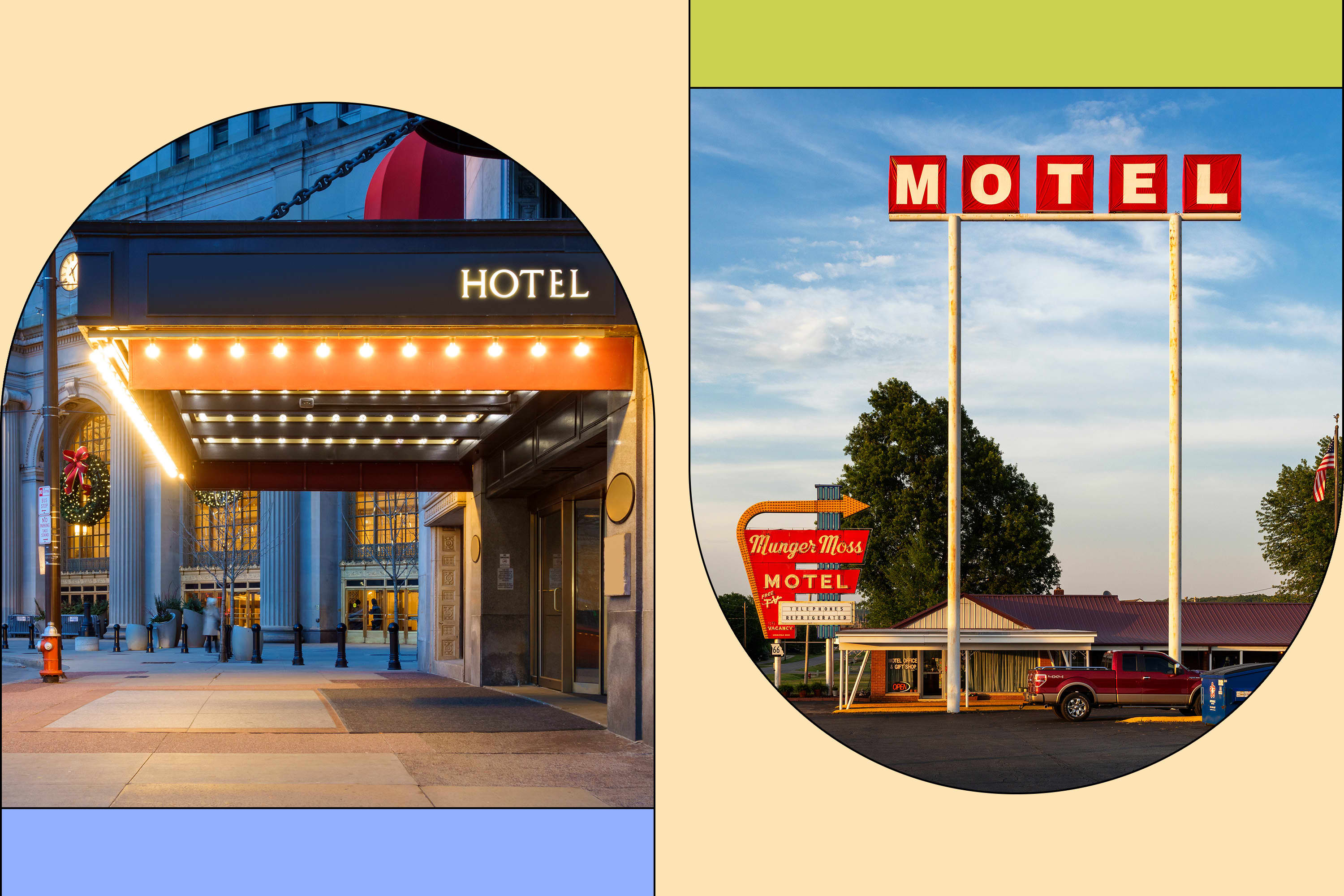
Hotels are almost universally multi-story buildings, often towering over their surroundings, especially in urban areas. Their design emphasizes a grand entrance, typically featuring a prominent lobby that serves as a central hub for guest services, social interaction, and often, dining or entertainment options. Guest rooms are accessed via internal corridors, requiring the use of elevators or stairs. This vertical integration allows hotels to maximize their footprint in expensive city centers and accommodate a large number of rooms while also creating distinct zones for various functions like conference facilities, ballrooms, restaurants, and spas. The internal corridor design provides a greater sense of security and privacy, shielding guests from external noise and weather. Resorts, which are a specialized form of hotel, often feature sprawling complexes with multiple buildings, but maintain the internal corridor access and a central reception area.
Motel Layout: Horizontal Convenience and Direct Room Access
Motels, by contrast, are typically low-rise structures, often single-story or two-story, spread horizontally across a larger plot of land. Their signature design feature is the direct access to rooms from an outdoor walkway or parking lot. Guests can drive directly to their room door, park their vehicle, and enter without needing to navigate a main lobby or internal hallways. This “drive-up” convenience is central to the motel’s appeal, simplifying the check-in and check-out process and making it ideal for those with heavy luggage or pets. The architecture is generally functional and utilitarian, prioritizing efficiency and quick turnovers rather than grand aesthetics. While some modern motels have evolved, the core principle of exterior-facing rooms with immediate parking access remains a hallmark.
Spectrum of Amenities and Service Levels
The offerings within hotels and motels cater to vastly different expectations, ranging from full-service luxury to essential comforts.
Hotels: A Full-Service Ecosystem
Hotels, especially those targeting mid-range to luxury travelers, pride themselves on providing a comprehensive suite of amenities and services designed to enhance the guest experience significantly. This often includes:
- Dining: Multiple on-site restaurants, cafes, bars, and lounges, offering various cuisines and dining experiences. Room service is also a common feature.
- Recreation: Swimming pools (indoor or outdoor), fitness centers, spas offering treatments, and sometimes even tennis courts or golf courses, particularly at resorts.
- Business Facilities: Conference rooms, meeting spaces, business centers with computers and printing services, and high-speed Wi-Fi.
- Guest Services: A staffed reception desk operating 24/7, concierge services to assist with bookings and recommendations, bellhops for luggage, valet parking, laundry and dry-cleaning services, and often a dedicated events team.
- Room Features: Beyond basic necessities, hotel rooms often include mini-bars, safes, high-quality toiletries, luxurious bedding, and sophisticated entertainment systems.
The emphasis in a hotel is on providing a holistic environment where guests’ needs are anticipated and met with a high level of professionalism and convenience. Staff-to-guest ratios are generally higher, ensuring personalized attention.
Motels: Essential Comforts for the Road
Motels, on the other hand, focus on providing fundamental necessities for a comfortable overnight stay without excessive frills. Their amenity list is typically more modest and geared towards the transient traveler. Common offerings include:
- Basic In-Room Amenities: A clean bed, a private bathroom (shower often preferred over a tub for efficiency), a television, and perhaps a small desk or seating area.
- Minimal Dining: Often, a continental breakfast is provided in a common area, or there may be vending machines for snacks and drinks. Full-service restaurants are rare, though some might have partnerships with nearby diners.
- Limited Recreation: A basic outdoor pool might be present, particularly in warmer climates, but fitness centers or spas are uncommon.
- Self-Service Focus: The reception desk might not be staffed 24/7, and services like concierge, bellhops, or room service are typically absent. Laundry facilities are often coin-operated.
- Parking: Abundant, free, and convenient parking is a standard and crucial amenity.
The philosophy behind motel amenities is to provide a clean, safe, and functional place to rest, allowing guests to manage most of their needs independently. The value proposition centers on affordability and practicality for a short stay.
Target Audience, Location, and Value Proposition
The disparate designs, amenities, and service levels of hotels and motels naturally attract different types of travelers with varying needs, budgets, and purposes of travel.
Who Stays Where: Purpose and Duration of Stay
Hotel Guests: Diverse Needs and Extended Stays
Hotel clientele is incredibly diverse. Business travelers frequently opt for hotels due to their proximity to corporate centers, meeting facilities, and enhanced connectivity. Tourists exploring city attractions or seeking a destination experience find hotels ideal for their central locations and comprehensive services. Guests attending conferences, conventions, or special events (like weddings) often stay in hotels that can cater to larger groups and provide specialized services. Those on luxury travel experiences, seeking high levels of comfort and personalized service, are also typical hotel guests. Stays can range from a few nights to weeks or even months, especially in extended-stay hotels or apartment hotels.
Motel Guests: Transient Travelers and Budget-Conscious Stops
Motels primarily serve transient travelers whose priority is a convenient and affordable stopover. This includes:
- Road Trippers: Individuals or families on long journeys across states or countries, needing a place to rest for a night before continuing their drive.
- Truck Drivers: Often relying on motels for quick, easy-access lodging during their routes.
- Budget Travelers: Those seeking the most economical accommodation for a short period, prioritizing cost savings over extensive amenities.
- Construction Crews/Workers: Needing temporary, practical lodging close to job sites.
- Spontaneous Travelers: People who decide on a whim to stop for the night without prior bookings.
Motel stays are almost exclusively short-term, usually one or two nights, as they are primarily viewed as functional stopping points rather than destinations themselves.
Strategic Placement: Location and Accessibility
The placement of hotels and motels is intrinsically linked to their purpose and the mode of transport of their target guests.
Hotels: Urban Hubs and Destination Resorts
Hotels are typically found in prime locations within cities, near major airports, close to popular attractions, or as integral parts of resorts in scenic destinations like Orlando or Las Vegas. Their locations are chosen for accessibility to specific points of interest (e.g., business districts, Eiffel Tower in Paris, Times Square in New York City), rather than direct highway access. While they may offer parking, it often comes at an additional cost and can be less convenient than at a motel. The hotel’s location is often part of its appeal, integrating guests into the vibrancy of the surrounding environment.
Motels: Roadside Accessibility and Outskirts
Motels are almost exclusively located alongside major highways, interstates, or on the outskirts of towns and cities. Their primary concern is visibility and ease of access for motorists. They are designed to be seen from the road and offer simple, unencumbered entry and exit for vehicles. While some larger towns might have motels closer to their centers, the quintessential motel experience is tied to the open road, providing a convenient haven for those on a journey through the United States or other countries with extensive road networks.
Pricing Structure and Value Proposition
Unsurprisingly, the differences in amenities, services, and locations translate directly into varying price points.
Hotel Pricing: Reflecting Service and Location
Hotels generally command higher prices than motels. This premium reflects the cost of their prime locations, extensive facilities (e.g., gyms, pools, multiple dining options), higher staffing levels, and the broader range of services offered. Pricing can vary dramatically based on the hotel’s star rating, brand (Four Seasons, Hilton, Marriott), season, and specific city. Guests pay for the full-service experience, the convenience of urban locations, and often, the prestige or specific amenities associated with their chosen hotel or resort.
Motel Pricing: Affordability and Practicality
Motels are designed to be a more budget-friendly travel option. Their lower prices are a direct consequence of their more basic amenities, fewer staff, and often less expensive land on highway peripheries. The value proposition of a motel is rooted in providing a clean, safe, and functional place to sleep at an economical price. For many travelers, especially those on a tight budget or simply needing a quick overnight stop, the practicality and affordability of a motel far outweigh the desire for luxury services.
The Evolving Landscape: Blurring Lines in Modern Accommodation
While the traditional distinctions between hotels and motels remain largely true, the hospitality industry is dynamic, and the lines between these two forms of accommodation have become increasingly blurred in recent decades. This evolution is driven by changing traveler expectations, economic factors, and innovative business models.
One significant trend is the rise of “boutique motels” or “design motels.” These establishments retain the classic drive-up, direct-access layout but infuse it with stylish design, upgraded amenities, and personalized touches that challenge the perception of motels as solely utilitarian. Often, these are renovated older motels, reimagined to appeal to a new generation of travelers seeking unique, Instagram-worthy experiences without the price tag of a full-service hotel. They might offer artisan coffee, trendy decor, curated local information, and communal outdoor spaces, elevating the roadside stop into a destination in itself.
Conversely, some modern hotel chains have introduced “select-service” or “limited-service” brands, such as Holiday Inn Express or Hyatt Place. These properties are typically multi-story, internal-corridor hotels but streamline their offerings to provide essential amenities (e.g., complimentary breakfast, fitness center, Wi-Fi) without the extensive facilities like full-service restaurants or a concierge. Their pricing often falls between traditional motels and full-service hotels, appealing to both business travelers and budget-conscious families who appreciate some hotel comforts without the luxury price. These brands often occupy locations that blend urban proximity with good road access, further bridging the gap.
Furthermore, the rise of extended-stay hotels and apartment hotels also introduces elements that might traditionally be associated with both, offering apartment-style suites with kitchens for longer durations, catering to a blend of residential and tourism needs. The sharing economy platforms have also added another layer of complexity, offering everything from spare rooms to entire villas, which further diversifies the accommodation landscape.
In conclusion, while the core differences in history, architecture, amenities, and target audience firmly distinguish hotels from motels, the contemporary hospitality market is a dynamic tapestry. Travelers today benefit from a broader spectrum of choices, allowing them to select an accommodation option that perfectly aligns with their specific budget, desired level of service, and overall travel objectives, whether it’s a quick, convenient overnight stay or an immersive, full-service experience.
LifeOutOfTheBox is a participant in the Amazon Services LLC Associates Program, an affiliate advertising program designed to provide a means for sites to earn advertising fees by advertising and linking to Amazon.com. Amazon, the Amazon logo, AmazonSupply, and the AmazonSupply logo are trademarks of Amazon.com, Inc. or its affiliates. As an Amazon Associate we earn affiliate commissions from qualifying purchases.