
For many travelers, the terms “motel” and “hotel” are often used interchangeably, leading to confusion when planning a trip or booking accommodation. While both serve the fundamental purpose of providing lodging, they emerged from different historical contexts, cater to distinct traveler needs, and offer varying levels of service, amenities, and overall experience. Understanding these nuanced differences is key to making an informed decision that aligns with your travel style, budget, and purpose, whether you’re embarking on an epic road trip, a luxurious city escape, or a spontaneous overnight stop.
Unpacking the Origins: A Historical Perspective
The evolution of hotels and motels mirrors the broader changes in travel and transportation over the past two centuries. Their distinct characteristics are deeply rooted in their historical beginnings and the specific needs they were designed to address.
The Rise of Hotels: Urban Grandeur and Service
The concept of a “hotel” dates back centuries, evolving from inns and guesthouses that catered to travelers long before the advent of the automobile. Early hotels were often found in bustling urban centers, seaports, and along major trade routes, providing lodging for merchants, dignitaries, and early tourists. As cities grew and the industrial revolution spurred more widespread travel, hotels transformed into sophisticated establishments, offering not just a room but a comprehensive range of services.
In the 19th and early 20th centuries, grand hotels became symbols of luxury and societal status, especially in prominent cities like Paris, London, and New York City. These establishments, exemplified by iconic names like the Ritz Paris or the Waldorf Astoria, were multi-story buildings, often architecturally significant, and featured elaborate lobbies, fine dining restaurants, ballrooms, and concierge services. They were designed to be destinations in themselves, offering an immersive experience for guests who typically arrived by train or ship and stayed for extended periods. Their primary clientele included affluent leisure travelers, business executives, and those attending social events, all of whom sought a full-service, refined environment. These establishments paved the way for modern hotel chains like Marriott and Four Seasons, which today offer a spectrum of luxurious and full-service accommodations globally.

The Birth of Motels: Roadside Convenience for the Automobile Age
The term “motel” is a portmanteau of “motor hotel” and perfectly encapsulates its genesis. Motels emerged in the United States in the early 20th century, specifically to cater to the burgeoning number of automobile travelers. Before motels, car travelers had limited options: either stay in traditional hotels (which often lacked convenient parking) or camp. As car ownership became more widespread, especially after World War II, and the interstate highway system began to connect cities across the nation, a new type of accommodation was needed.
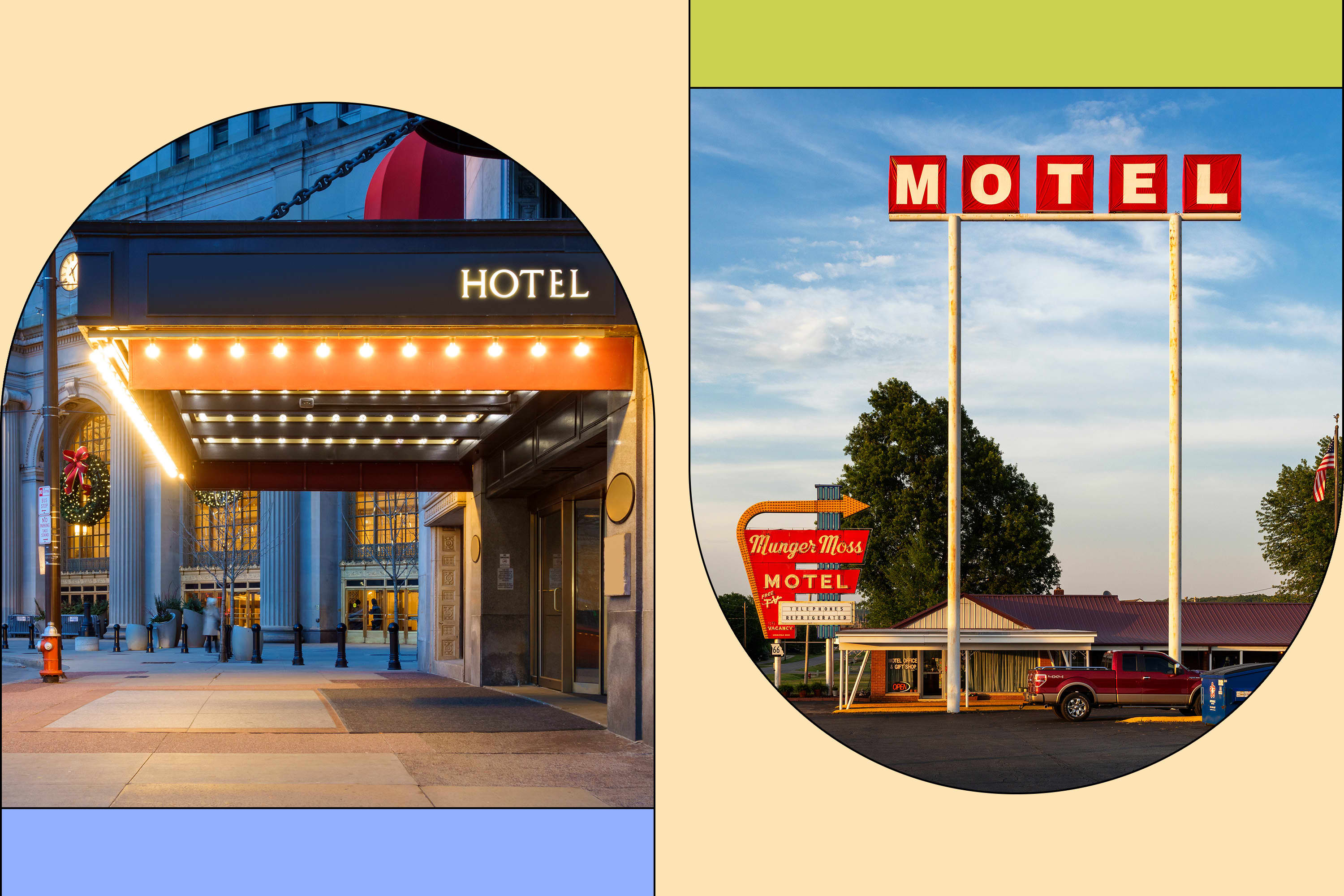
Motels were specifically designed for drivers. They typically featured a single or two-story layout, with rooms that had direct access from a parking lot. This “drive-up” convenience allowed travelers to easily unload their luggage, often right outside their room door, making for quick check-ins and check-outs. The focus was on practicality, affordability, and accessibility for those on long journeys. Early motel chains, such as Holiday Inn, capitalized on this demand, offering consistent, no-frills lodging along major roadways and scenic routes like Route 66. Their primary function was to provide a comfortable, clean, and economical place for an overnight stop, allowing travelers to rest before continuing their drive the next day.
Key Distinctions: Architecture, Location, and Amenities
While their historical trajectories offer a foundational understanding, the most apparent differences between motels and hotels lie in their physical structure, where they are situated, and the range of services they provide.
Architectural Layout and Access
The most visually striking difference is often the architectural design and how guests access their rooms.
Hotels are typically multi-story buildings, ranging from a few floors to towering skyscrapers. Guest rooms are almost invariably accessed via internal corridors, which lead off a central lobby area. This design often includes elevators for upper floors and provides a sense of security and privacy, as access to rooms is restricted to guests who have passed through the main entrance. The lobby itself serves as a central hub, housing the front desk, often a seating area, and sometimes a bar or cafe. This internal layout fosters a sense of community and shared public spaces, allowing for a broader range of amenities like indoor pools, fitness centers, and multiple dining options to be integrated seamlessly into the building.

Motels, in contrast, are characterized by their low-rise structure, often one or two stories high. The defining feature is direct, external room access. Guests typically park their vehicles immediately outside their room door or in a common parking area directly adjacent to the rooms. The rooms often face outward, onto the parking lot or a communal walkway. This layout, while less private than an internal corridor system, offers unparalleled convenience for travelers with luggage or those making a quick stop. Motels are frequently designed in a linear fashion, or in a U-shape or L-shape around a central parking area or sometimes a small courtyard.
Location, Location, Location
The placement of a lodging establishment is crucial and inherently tied to its purpose and target audience.
Hotels are predominantly found in prime locations within urban centers, business districts, tourist hotspots, and near major event venues or airports. Their central location makes them ideal for travelers who want to be within walking distance or a short public transit ride to attractions, restaurants, shopping, and business meetings. For instance, a hotel in downtown Tokyo or Orlando near Walt Disney World positions guests perfectly for specific experiences, catering to those who prioritize convenience to destinations over direct car access to their room. Many resorts, a specialized type of hotel, are also found in picturesque settings, such as beachfronts in Hawaii or mountain retreats, designed to be the primary destination for relaxation and recreation.
Motels, true to their “motor” origins, are almost exclusively located alongside major highways, interstates, and on the outskirts of towns and cities. Their strategic placement caters directly to road travelers, truckers, and individuals who prioritize easy access from the road and quick onward journeys. They are less about proximity to specific urban attractions and more about being a convenient stopover point. This roadside positioning often means they are less reliant on public transport and more focused on providing ample, accessible parking.
Services and Amenities: A Spectrum of Offerings
The range of services and amenities offered is perhaps the most significant differentiator, directly influencing the price point and overall experience.
Hotels are known for their extensive array of amenities, aiming to provide a comprehensive and often luxurious experience. Standard hotel offerings typically include:
- Dining: Full-service restaurants, bars, cafes, and extensive room service.
- Recreation: Swimming pools (often indoor or multiple pools), fitness centers, spas, and sometimes even golf courses or tennis courts.
- Business Facilities: Business centers, meeting rooms, conference facilities, and event spaces.
- Guest Services: Concierge, valet parking, bellhops, laundry and dry cleaning, 24-hour front desk, and often specialized services for tours or transportation.
- Room Features: Can range from standard rooms to elaborate suites, often featuring high-end bedding, premium toiletries, mini-bars, and advanced entertainment systems.
These comprehensive services target guests seeking convenience, comfort, and an enhanced stay, whether for leisure or business, turning the accommodation into an integral part of their travel experience.
Motels, by contrast, typically offer a more stripped-down, essential set of amenities. The focus is on providing a clean, safe, and comfortable place to sleep for the night. Common motel amenities often include:
- Basic Breakfast: Often a complimentary continental breakfast (coffee, juice, pastries) in a small common area.
- Essentials: Ice machines, vending machines, and basic toiletries.
- Parking: Ample and often free parking directly outside the room.
- Front Desk: Usually a smaller reception area, sometimes with limited hours compared to a 24-hour hotel desk.
- Room Features: Essential furnishings – bed, bathroom, TV, small desk, and perhaps a microwave or mini-fridge.
Motels prioritize efficiency and affordability, providing exactly what a transient traveler needs without the added cost of elaborate services that might not be utilized during a short stay.
The Guest Experience: Who Stays Where and Why?
The choice between a motel and a hotel is not just about features; it’s deeply personal, reflecting the traveler’s purpose, budget, and desired atmosphere. Understanding the typical clientele for each helps to clarify their roles in the broader accommodation landscape.
Target Audience and Travel Purpose
The initial design and evolution of hotels and motels have led to distinct target audiences.
Hotels cater to a diverse range of travelers who often plan longer stays or require specific services. This includes:
- Leisure Travelers: Families on vacation, couples seeking romantic getaways, and tourists exploring a city or region. They often seek amenities like pools, kids’ clubs, or proximity to attractions.
- Business Professionals: Requiring meeting facilities, reliable Wi-Fi, business centers, and room service for late-night work. Locations in business hubs like Silicon Valley or financial districts are key.
- International Tourists: Who may expect a higher standard of service, multi-lingual staff, and comprehensive facilities, especially in popular destinations across Europe, Asia, or the Middle East.
- Conference and Event Attendees: Relying on the hotel’s capacity to host large gatherings and provide all necessary services.
For these groups, the hotel is often an integral part of the travel experience, offering comfort, convenience, and a range of options that enhance their trip.
Motels primarily serve travelers with more transient needs, often on the move. Their typical guests include:
- Road Trippers: Individuals or families undertaking long drives, needing an affordable and convenient place to rest overnight before continuing their journey.
- Truck Drivers: Requiring safe and accessible parking for their large vehicles.
- Budget-Conscious Travelers: Who prioritize cost savings over extensive amenities.
- Construction Crews or Field Workers: Needing a practical place to stay for work-related trips in various locations.
- Spontaneous Travelers: Those who decide to stop for the night without prior reservations.
The motel experience is generally functional, focused on providing essential comforts for a brief stop, rather than being the destination itself.
Price Point and Value Proposition
Unsurprisingly, the differences in services and location translate directly into varying price points.
Hotels generally command higher prices due to their comprehensive amenities, full-service staff, prime locations, and more elaborate facilities. The value proposition here is about a complete experience – comfort, convenience, luxury, and access to a wide range of services that make a stay more enjoyable and productive. Prices can vary significantly from mid-range chains to ultra-luxury boutique hotels, reflecting the level of service and exclusivity.
Motels are almost always more affordable. Their value proposition centers on economy, practicality, and convenience for short stays. Guests receive a clean room, a comfortable bed, and basic amenities at a significantly lower cost. This makes them an excellent choice for travelers looking to stretch their budget, forgoing non-essential services in favor of savings. The emphasis is on providing good value for money for an overnight stop.
Ambiance and Atmosphere
The physical layout and target audience also contribute to distinct atmospheres.
Hotels can offer a wide range of ambiances, from the bustling and social energy of a downtown hotel lobby to the serene and exclusive tranquility of a luxury resort in Africa or South America. Many hotels aim to create a memorable and engaging atmosphere, encouraging guests to utilize common areas and enjoy the various services on offer. Whether it’s a vibrant hotel bar in Las Vegas or a peaceful garden in a boutique hotel, the atmosphere is often designed to enhance the overall travel experience.
Motels typically have a more functional and low-key atmosphere. The focus is on providing a quiet and straightforward environment for rest. With direct room access and less emphasis on communal public spaces beyond a small reception, the interaction between guests is often minimal. The ambiance is generally practical, reflecting its primary role as a temporary stopping point rather than a social hub or a destination in itself.
Modern Evolution and Blurring Lines
While the traditional definitions of motels and hotels remain largely distinct, the lines have become increasingly blurred in recent decades, driven by changing traveler expectations, market competition, and innovative business models.
The Rise of “Boutique” and “Extended Stay” Options
The hospitality industry is constantly adapting. Many modern “hotels” have diversified significantly, moving beyond the conventional full-service model.
- Boutique Hotels: These often smaller, independently owned hotels prioritize unique design, personalized service, and a distinct theme or local character. They offer a highly curated experience, often blurring the lines between accommodation and art, or accommodation and local culture, catering to travelers seeking authenticity and individuality.
- Extended Stay Hotels: Responding to the needs of business travelers on long assignments or families needing temporary housing, these establishments offer apartment-like amenities such as full kitchens, laundry facilities, and larger living spaces. They combine hotel services with the independence of apartment living.
Furthermore, the emergence of alternative accommodation platforms like Airbnb has further challenged traditional categorizations, offering everything from shared rooms to entire villas, providing highly flexible and localized lodging experiences. These platforms have compelled traditional hotels to innovate and highlight their unique strengths, such as consistent service standards and robust safety protocols.
Upscale Motels and Budget Hotels
The traditional motel landscape is also evolving. Some older motel properties are undergoing significant renovations, upgrading their amenities and aesthetics to appeal to a broader, more modern clientele. These “boutique motels” or “upscale roadside inns” might offer designer interiors, enhanced Wi-Fi, better quality bedding, and perhaps even small cafes or lounges, while still retaining the convenient direct access and parking. They represent a hybrid model, aiming to provide more comfort and style without necessarily adopting the full-service structure or higher price point of a traditional hotel.
Conversely, some budget hotel chains have adopted certain efficiencies and amenities traditionally associated with motels. For example, some have streamlined their lobbies, reduced extensive food and beverage options, or focused on locations with easy highway access to compete on price. Brands like Best Western have diversified their portfolio to include both full-service hotels and more streamlined, motel-like properties, recognizing the diverse needs of travelers across North America, the Pacific, and beyond.
In essence, while the historical and structural differences remain, the market is continually innovating, offering a rich spectrum of lodging options that cater to every conceivable traveler preference and budget.
Ultimately, the choice between a motel and a hotel hinges on the specific needs of your journey. If you’re on a long road trip, prioritizing convenience, affordability, and a quick overnight stop, a motel is likely the ideal choice. If your travel involves longer stays, a desire for extensive amenities, a prime urban location, or a more immersive and serviced experience, a hotel will better suit your requirements. By understanding these distinctions, travelers can confidently select the accommodation that best enhances their trip, ensuring a comfortable and appropriate stay every time.
LifeOutOfTheBox is a participant in the Amazon Services LLC Associates Program, an affiliate advertising program designed to provide a means for sites to earn advertising fees by advertising and linking to Amazon.com. Amazon, the Amazon logo, AmazonSupply, and the AmazonSupply logo are trademarks of Amazon.com, Inc. or its affiliates. As an Amazon Associate we earn affiliate commissions from qualifying purchases.