
The world of accommodation offers a dazzling array of choices for travelers, from opulent resorts to cozy guesthouses. Among the most common options, and often the source of confusion, are hotels and motels. While both provide a place to rest your head, they evolved from distinct needs and cater to different types of journeys and expectations. Understanding the fundamental differences between a hotel and a motel is crucial for making an informed decision that aligns with your travel style, budget, and desired experience. This article delves deep into the nuances that distinguish these two ubiquitous forms of lodging, exploring their origins, architectural designs, amenities, target audiences, and overall guest experiences.

The Genesis of Modern Accommodation: Tracing Their Roots
To truly grasp the distinction between a hotel and a motel, it’s helpful to look back at their respective origins. Their names themselves offer a significant clue about their initial purpose and the era in which they flourished.
Hotels: Echoes of European Grandeur and Urban Comfort
The concept of a “hotel” dates back centuries, with its roots firmly planted in the hospitality traditions of Europe. Derived from the French word “hôtel,” which originally referred to a large townhouse or mansion, these establishments were designed to cater to wealthy travelers, aristocrats, and merchants. Early hotels in cities like London, Paris, and Rome were grand, multi-story buildings located in city centers, offering luxurious rooms, fine dining, and personalized services. They were destinations in themselves, providing a complete experience for guests who often traveled by carriage or on foot and planned extended stays.
Over time, as rail travel expanded in the 19th century and urban centers grew, hotels became integral parts of the cityscape, providing accommodations for business travelers, tourists exploring cultural landmarks, and individuals seeking a more refined temporary residence. The focus was on providing a full-service experience within a controlled, often enclosed, environment.
Motels: Born from the American Road Trip Revolution
The “motel” is a distinctly American invention, a portmanteau of “motor hotel.” Its genesis can be traced directly to the rise of automobile travel in the early 20th century. As cars became more accessible and families embarked on cross-country road trips across the United States, the need arose for convenient, affordable, and easily accessible lodging located along major highways and interstates. Traditional hotels, often located downtown and lacking ample parking, were ill-suited for these new “auto tourists.”
The first official motel, the Motel Inn in San Luis Obispo, California, opened in 1925, specifically designed to serve motorists. Its layout prioritized easy access to rooms from parking spaces, eliminating the need for extensive lobbies or internal corridors. Motels quickly proliferated along iconic routes like Route 66, offering a no-frills, practical solution for an overnight stop, allowing travelers to quickly check in, park their car, get some sleep, and hit the road again in the morning.
Architectural Design and Layout: Form Dictated by Function
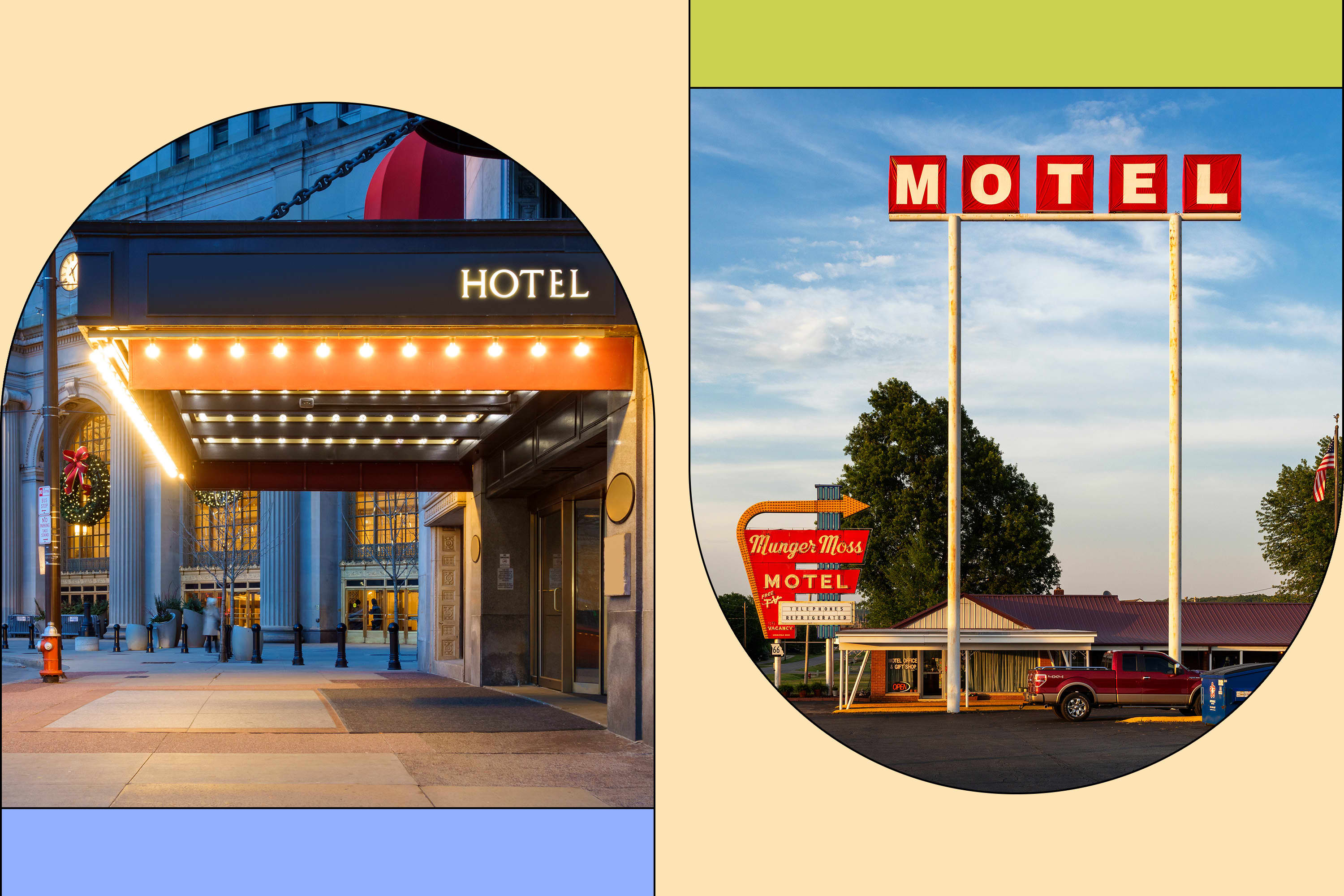
The most striking and immediate difference between a hotel and a motel lies in their physical structure and layout. These design choices are not arbitrary but are direct consequences of their intended purpose and the needs of their primary clientele.
The Verticality and Interiority of Hotels
Hotels are typically multi-story buildings, often ranging from a few floors to towering skyscrapers, particularly in dense urban environments like New York City or Dubai. Their design emphasizes a centralized, internal experience.
- Internal Corridors: Guest rooms are almost universally accessed via enclosed internal corridors, often leading from a central lobby. This design offers enhanced privacy, security, and insulation from external noise and weather.
- Central Lobbies: A prominent feature of hotels is a grand or functional lobby area, serving as a central hub for guest services, check-in, and often offering seating areas, bars, or cafes. Lobbies are key to creating a sense of arrival and a communal space for guests.
- Elevators and Stairwells: Given their multi-story nature, elevators are essential for vertical transportation, complemented by internal stairwells.
- Integrated Facilities: Hotels are designed to house a wide range of integrated facilities under one roof, including multiple restaurants, bars, ballrooms, conference centers, fitness centers, and often indoor swimming pools or spas.
- Parking: While many hotels offer parking, it’s often in a dedicated garage, either underground or adjacent to the building, sometimes requiring valet service. Direct access from parking to rooms is rare.
Examples range from boutique hotels in historical city centers to expansive resort complexes like those found in Orlando near theme parks.
The Horizontality and Exteriority of Motels
Motels, by contrast, are typically low-rise structures, often single or two stories. Their design is driven by efficiency and convenience for motorists.
- Exterior Room Access: The defining characteristic of a motel is that most, if not all, rooms have doors that open directly to the outside, typically facing a parking lot or an exterior walkway. This allows guests to park their vehicle directly outside or very close to their room door.
- Open-Air Layouts: Motels commonly feature U-shaped, L-shaped, or straight-line layouts, surrounding a central parking lot or green space. This design facilitates quick check-ins and departures, minimizing the need for navigating complex internal structures.
- Minimal Lobbies: While motels have a reception area for check-in, it’s generally much smaller and more functional than a hotel lobby, often integrated with a small convenience store or continental breakfast area.
- Limited Internal Features: Due to their sprawling, low-rise nature, motels rarely feature extensive internal corridors or complex internal facilities beyond basic services.
- Ample and Direct Parking: The provision of ample, easily accessible, and often free parking directly adjacent to guest rooms is a cornerstone of the motel experience, catering specifically to car travelers.
This design makes motels a practical choice for a quick overnight stop during a long drive or for budget-conscious travelers prioritizing convenience over extensive amenities.
Amenities and Services: From Basic Comfort to Luxurious Indulgence
The range of amenities and services offered is another significant differentiator, directly reflecting the price point and the target guest experience.
The Comprehensive Offerings of Hotels
Hotels, especially those belonging to major chains or luxury brands, pride themselves on providing a comprehensive suite of services and amenities designed to meet almost every guest need.
- Dining Options: Most hotels feature at least one full-service restaurant, often with multiple dining venues catering to different cuisines and atmospheres. Room service is a common offering, allowing guests to dine in the privacy of their rooms. Many also include bars or lounges.
- Recreational Facilities: High-end hotels frequently boast extensive recreational facilities, including fitness centers with modern equipment, swimming pools (indoor, outdoor, or both), spas offering massages and treatments, and sometimes even tennis courts or golf courses, particularly at resort hotels.
- Business Services: For business travelers, hotels often provide business centers with computers, printers, meeting rooms, conference facilities, and high-speed internet access.
- Concierge and Guest Services: A dedicated concierge can assist with bookings, recommendations, and local information. Other services may include bellhop service, valet parking, laundry and dry cleaning, turndown service, and shuttle services to local attractions or airports.
- Room Features: Hotel rooms typically come equipped with a wider array of comforts, such as high-quality bedding, premium toiletries, mini-bars, coffee makers, flat-screen TVs, and often more sophisticated room décor and furnishings.
- Security: Enhanced security measures, including key card access to elevators and floors, 24/7 front desk staff, and sometimes security personnel, are standard.
Luxury hotel brands like Four Seasons or Ritz-Carlton exemplify this full-service model, transforming a stay into an experience in itself. Even mid-range brands like Hilton or Marriott offer a robust set of amenities.
The Functional Essentials of Motels
Motels, conversely, focus on providing essential comforts for a short, often overnight, stay. The emphasis is on practicality and value.
- Basic Comforts: Motel rooms typically include a comfortable bed, a private bathroom, a television, and often a small desk or table. Coffee makers and mini-fridges are increasingly common.
- Continental Breakfast: Many motels offer a complimentary continental breakfast, usually served in a small, informal area near the lobby. This is a significant draw for road travelers looking to save time and money in the morning.
- Parking: As previously mentioned, abundant and direct parking is a core “amenity” of a motel.
- Simple Recreational Facilities: Some motels might have a basic outdoor swimming pool, especially in warmer climates, but elaborate fitness centers or spas are rare. Vending machines for snacks and drinks are common.
- Limited Services: Guest services are generally limited to check-in/check-out. Room service is virtually non-existent, and concierges are not part of the motel model. Housekeeping services are provided, but often on a less frequent or comprehensive schedule for very short stays.
- Self-Serve Focus: The motel experience is largely self-serve, designed for guests who prefer minimal interaction and maximum independence.
Brands like Motel 6 or budget Super 8 locations embody this focus on essential, no-frills accommodation.
Target Audience and Overall Experience: Tailoring to the Traveler
The design and amenity differences directly translate into distinct target audiences and overall guest experiences, influencing why a traveler might choose one over the other.
Hotels: Destinations for Leisure, Business, and Extended Stays
Hotels cater to a broad spectrum of travelers seeking a comprehensive accommodation experience, whether for business or pleasure.
- Leisure Travelers and Tourists: People visiting specific tourist attractions like the Grand Canyon, Disneyland, or exploring cities like Miami or Tokyo often opt for hotels. They seek amenities, proximity to sights, and an environment that contributes to their vacation experience.
- Business Travelers: Hotels, particularly those in business districts, offer the necessary facilities like meeting rooms, business centers, and reliable internet, making them ideal for corporate stays.
- Families: Hotels often provide amenities like interconnected rooms, kids’ clubs, and family-friendly dining, making them suitable for family trips.
- Longer Stays: With more amenities and a comfortable, secure internal environment, hotels are generally preferred for stays lasting more than one or two nights.
- Experience-Driven Stays: For many, the hotel itself is part of the travel experience, offering luxury, unique design, or specific services that enhance their trip.
- Security and Privacy: The internal corridors and controlled access points of hotels generally offer a greater sense of security and privacy, which is often a priority for travelers.
Motels: The Haven for Road Trippers and Budget-Conscious Explorers
Motels primarily serve travelers who are on the move, prioritizing convenience, cost-effectiveness, and ease of access.
- Road Trippers: Individuals or families undertaking long drives find motels perfect for an overnight stop, allowing them to rest without detouring far from their route.
- Budget Travelers: Motels are generally more affordable than hotels, making them an attractive option for those looking to maximize their travel budget.
- Transient Stays: Truckers, sales representatives, and other professionals who frequently travel for short periods often choose motels for their efficiency and direct access to vehicles.
- Quick Overnight Stops: When the primary goal is simply a place to sleep before continuing a journey, a motel provides an ideal, no-fuss solution.
- Ease of Access: The ability to park directly in front of the room and quickly unload luggage is a significant convenience for motorists.
- Informal Atmosphere: Motels tend to have a more casual, informal atmosphere compared to the often more formal ambiance of hotels.
Location, Price, and Perceived Value
The differences in design, amenities, and target audience naturally lead to distinctions in typical locations, pricing structures, and the overall value proposition of hotels versus motels.
Strategic Placement and Varied Pricing of Hotels
- Location: Hotels are typically found in prime locations: urban centers, tourist hotspots, near airports, convention centers, or integrated into large resorts. Their locations are chosen for proximity to attractions, business districts, or transport hubs.
- Pricing: Hotel pricing varies dramatically based on location, brand, star rating, and the range of amenities offered. A luxury hotel in Las Vegas will command a significantly higher price than a mid-range hotel in a smaller town. Rates are generally higher than motels, reflecting the extensive services and facilities.
- Perceived Value: The value of a hotel stay often comes from the comprehensive experience—the convenience of multiple dining options, recreational facilities, dedicated guest services, and the comfort of a private, secure environment, often making the hotel part of the destination itself.

Roadside Accessibility and Affordable Motels
- Location: Motels are predominantly located along major highways, interstates, and arterial roads, often on the outskirts of towns or cities. Their strategic placement prioritizes ease of access for vehicular traffic, rather than proximity to central attractions.
- Pricing: Motels are almost always more affordable than hotels. Their lower operational costs (fewer staff, fewer elaborate amenities) allow them to offer highly competitive rates, making them a go-to for budget-conscious travelers.
- Perceived Value: The value of a motel lies in its functional efficiency: a clean, comfortable, and affordable place to sleep, with easy parking and quick access to the open road. It’s about providing the essentials without the added frills, perfectly meeting the needs of those seeking a transient stopover.
In conclusion, while both hotels and motels fall under the umbrella of accommodation, they are distinct entities born from different needs and designed to serve unique travel purposes. Hotels offer a comprehensive, often luxurious, and amenity-rich experience within a multi-story, internal-corridor structure, catering to tourists, business travelers, and those seeking an extended stay. Motels, on the other hand, provide convenient, budget-friendly, and no-frills lodging, characterized by their low-rise, exterior-access design, perfectly suited for road trippers and those needing a quick, practical overnight stop. Understanding these core differences empowers travelers to choose the ideal lodging that best complements their journey, budget, and desired level of comfort and service.
LifeOutOfTheBox is a participant in the Amazon Services LLC Associates Program, an affiliate advertising program designed to provide a means for sites to earn advertising fees by advertising and linking to Amazon.com. Amazon, the Amazon logo, AmazonSupply, and the AmazonSupply logo are trademarks of Amazon.com, Inc. or its affiliates. As an Amazon Associate we earn affiliate commissions from qualifying purchases.