
When planning any trip, whether it’s a cross-country adventure or a luxurious getaway, one of the first decisions travelers face is where to stay. The world of accommodation offers a bewildering array of choices, from opulent resorts and boutique hotels to cozy bed and breakfasts and budget-friendly motels. While the terms “hotel” and “motel” are often used interchangeably by casual travelers, they represent distinct categories of lodging, each with its own history, design philosophy, target audience, and range of services. Understanding these fundamental differences is crucial for making an informed decision that best suits your lifestyle, budget, and trip objectives.
This article delves deep into the nuances that separate these two ubiquitous forms of lodging, helping you navigate your options whether you’re embarking on an epic road trip across the United States or seeking a refined experience in a bustling city like Paris or Tokyo. We’ll explore their origins, architectural designs, the types of amenities and services they offer, and how their locations influence your overall tourism experience.

The Fundamental Distinction: Origin and Design Philosophy
The most profound differences between hotels and motels stem from their historical origins and the travel needs they were designed to serve. These foundational distinctions have profoundly shaped their architectural layouts, service models, and the overall guest experience.
Historical Roots and Evolution
The term “hotel” traces its lineage back to the French “hôtel,” referring to a grand townhouse or mansion. Early hotels, especially those found in Europe and later in major cities like New York City and London, were primarily established to cater to affluent travelers, merchants, and diplomats who would arrive by train, carriage, or ship. These establishments were often central to urban life, offering extensive services, fine dining, and sophisticated social spaces. They anticipated guests arriving without their own vehicles, hence the emphasis on internal amenities and proximity to public transport or city centers. Over time, hotels evolved to serve a broader range of guests, including business travelers and tourists, but the core concept of a self-contained, service-rich urban sanctuary remained. Brands like Marriott, Hilton, and InterContinental exemplify the modern hotel paradigm, offering diverse options from luxury travel to more budget travel segments.
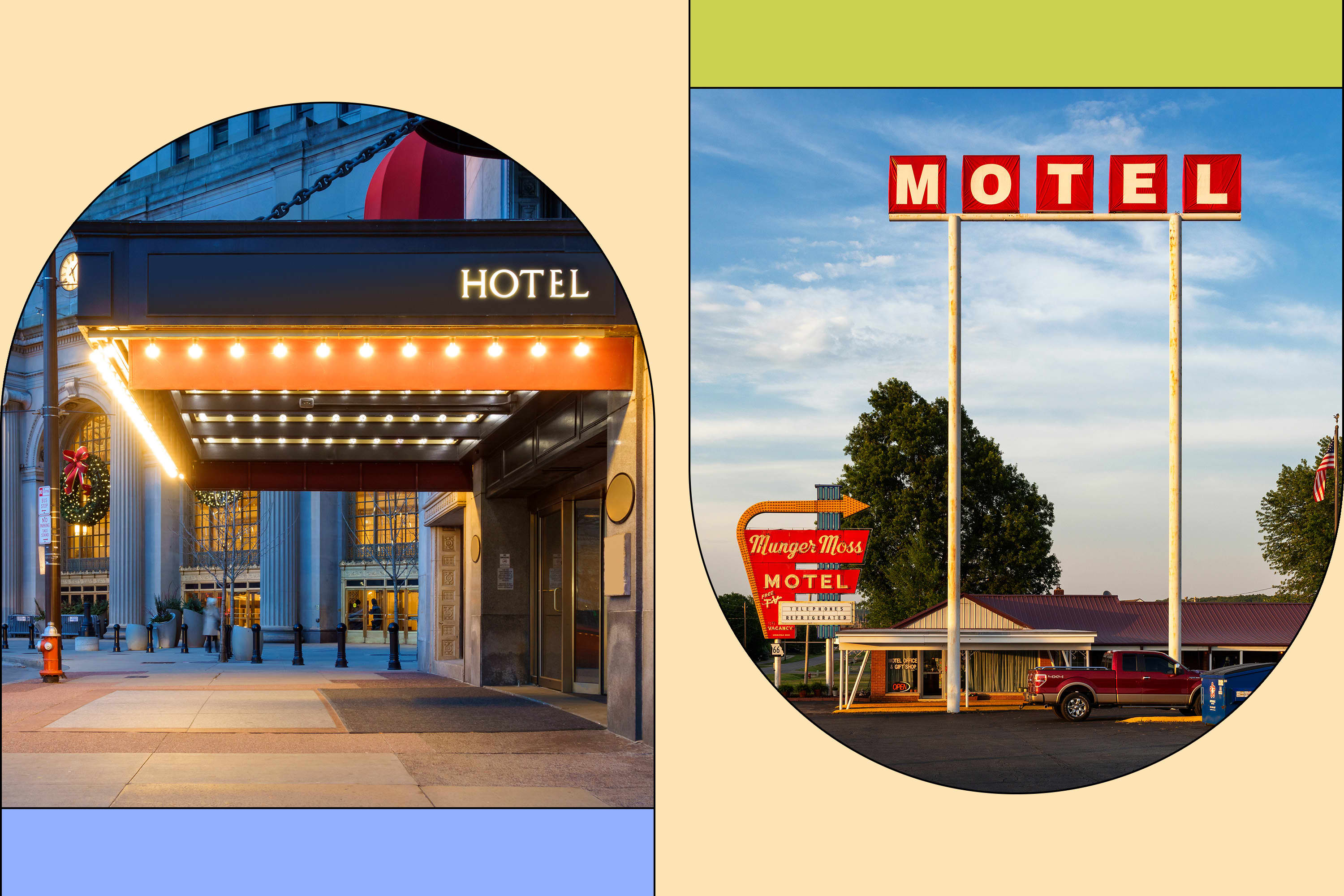
In stark contrast, the “motel” is a uniquely American invention, a portmanteau of “motor” and “hotel.” Born out of the boom in automobile travel in the early 20th century, particularly with the development of extensive highway networks like Route 66, motels were designed specifically for motorists. These travelers needed convenient, no-frills overnight stops that allowed easy access to their vehicles. The first motel, the Motel Inn in San Luis Obispo, California, opened in 1925, embodying this innovative concept. Motels focused on practicality and efficiency, offering a simple room for the night with direct access to a parking spot. Chains such as Super 8, Days Inn, and Econo Lodge rose to prominence by perfecting this model, providing accessible lodging for road trippers and those needing a quick stopover.
Architectural Layout and Accessibility
The architectural design of hotels versus motels is perhaps the most immediately noticeable differentiator. Hotels are typically multi-story buildings, often towering structures in urban landscapes, designed with an internal corridor system. Guests enter through a central lobby, check in at a front desk, and then take elevators or stairs to their rooms, which are accessed via interior hallways. This design provides a greater sense of security, privacy, and insulation from external noise and weather. The internal layout also allows for extensive common areas, such as restaurants, bars, meeting rooms, gyms, and spas, all integrated within the main structure. Iconic landmarks like the Burj Al Arab in Dubai or the Plaza Hotel in New York City epitomize this grand, multi-faceted design.
Motels, on the other hand, almost universally feature a low-rise, sprawling layout. Rooms are typically arranged in a U-shape or along a linear structure, often facing an open parking lot or a central courtyard. The hallmark of a motel is direct, exterior access to each room. Guests can park their vehicles right outside their door, making loading and unloading luggage incredibly convenient. This design prioritizes ease of access for motorists and offers a quick check-in and check-out process. While some motels may have a small lobby or common area, they are generally far less extensive than those found in hotels. This design also limits the potential for sophisticated amenities, as integrated common spaces are less feasible.

Unpacking the Guest Experience: Amenities, Services, and Atmosphere
Beyond their structural differences, the fundamental divide between hotels and motels truly manifests in the guest experience, encompassing everything from the range of amenities available to the level of personalized service and the overall atmosphere.
Range of Amenities and Facilities
Hotels, particularly those in the mid-range to luxury categories, are renowned for their extensive array of amenities designed to cater to a diverse clientele, including business stays and family trips. Common hotel amenities include full-service restaurants, bars, swimming pools (often indoor or with elaborate outdoor decks), fitness centers, conference facilities, business centers, gift shops, and sometimes even spas or salons. Many offer specialized services like concierge desks to assist with local culture experiences, attractions bookings, or transportation, along with room service, laundry service, and bellhop service. Guests might find diverse room types, from standard double rooms to expansive suites with multiple bedrooms or kitchenettes.
Motels, by design, offer a more pared-down selection of amenities. Their primary function is to provide a clean, comfortable, and affordable place to sleep. While many modern motels, especially chains like Holiday Inn Express or Best Western, have upgraded their offerings, you’re more likely to find basic amenities such as free Wi-Fi, a continental breakfast (often grab-and-go style), and perhaps an outdoor swimming pool. Fitness centers or full-service restaurants are less common, though a vending machine or ice machine is standard. The focus remains on convenience and functionality rather than an immersive resort-like experience. For travelers simply needing a stopover on their journey to destinations like the Grand Canyon or Yellowstone National Park, these basic provisions are often more than sufficient.
Service Level and Staff Interaction
The level of service and staff interaction also varies significantly. Hotels, especially higher-end establishments, pride themselves on personalized service. This can include a dedicated concierge, front desk staff available 24/7, bellhops to assist with luggage, valet parking, and a team of housekeepers, chefs, and maintenance personnel. The goal is to anticipate and fulfill guest needs, creating a seamless and often luxurious experience. For instance, a guest at a Grand Hyatt Hotel might expect personalized recommendations for local food or help arranging tickets to a Broadway show.
Motels typically operate with a smaller staff. The front desk may not be staffed 24 hours a day, and services like bellhops or dedicated concierges are rare. Interactions tend to be more transactional – checking in, receiving a key, and checking out. While staff are generally friendly and helpful, the emphasis is on efficiency rather than extensive hospitality. This isn’t a drawback for many travelers; those on a tight schedule or budget often appreciate the quick, unpretentious nature of motel service.
Ambiance and Target Audience
The atmosphere of a hotel is generally more formal and polished, reflecting its broader range of services and often a more upscale clientele. Common areas are designed to be inviting and often impressive, suitable for business meetings, social gatherings, or quiet relaxation. Hotels cater to a wide demographic, including corporate travelers, luxury travel seekers, families on vacation to places like Disney World in Orlando, and international tourists exploring major destinations.
Motels, conversely, exude a more casual, relaxed, and sometimes utilitarian ambiance. They are primarily designed for transient guests – road trippers, truck drivers, sales representatives, and budget-conscious travelers needing a convenient stopover. The atmosphere is generally quieter, as guests often arrive late and depart early. While not typically a destination in themselves, motels are crucial for enabling exploration of vast regions, from the Rocky Mountains to the Pacific Coast Highway.
Location, Pricing, and Booking Considerations
The operational models of hotels and motels are also distinctly influenced by their typical locations, the pricing structures they adopt, and the flexibility they offer for booking and stay duration. These factors are often paramount for travelers weighing their options.
Strategic Placement and Accessibility
Hotels are almost exclusively found in urban centers, close to business districts, tourist attractions like the Eiffel Tower in Paris or the Statue of Liberty in New York City, airports, convention centers, or major entertainment venues. Their prime locations make them ideal for guests who primarily use public transportation, taxis, or ride-sharing services, or who wish to be within walking distance of amenities and sights. A hotel’s location is often a key selling point, offering convenience for exploring the vibrant life of cities such as Las Vegas, Miami, or San Francisco.
Motels, true to their origin, are predominantly located along highways, interstates, and major arterial roads. Their strategic placement ensures easy access for drivers, often situated near exit ramps in less dense areas. While some might be near smaller towns or regional attractions, they are rarely found in the bustling heart of major metropolises. This roadside presence makes them ideal for overnight stops during long journeys, offering a practical solution for those not wishing to venture far from their driving route. They are a common sight across the vast landscapes of Texas, Arizona, or the Midwestern United States.
Cost-Effectiveness and Value Proposition
Generally speaking, motels are positioned as the more budget-friendly option. Their lower operating costs (due to fewer staff and amenities, and often simpler construction) allow them to offer significantly cheaper rates per night. This makes them highly attractive to travelers prioritizing cost savings, whether they are on a tight budget for a personal trip or seeking economical lodging for work-related business stays. Many budget travel guides recommend motels for their practicality.
Hotels, with their extensive services, amenities, and often prime locations, typically command higher prices. The cost can vary dramatically depending on the hotel’s star rating, brand, location, and the specific services included. A stay at a luxury hotel in London or Dubai can be substantially more expensive than even a mid-range hotel in a smaller city. While hotels may seem more expensive upfront, the value proposition lies in the comprehensive experience, comfort, security, and convenience they offer.
Booking Flexibility and Stay Duration
Motels are often designed for short, transient stays, typically one or two nights. Their booking processes are often straightforward, catering to last-minute arrivals. While advanced booking is possible and advisable during peak seasons, motels are generally more accommodating for spontaneous stopovers.
Hotels, while also offering short-term stays, are often geared towards longer durations, catering to vacationers, business stays with multiple meetings, or extended stay options like those offered by Extended Stay America. Their booking systems are typically more structured, often requiring advanced reservations, especially for popular times or specific room types. Many hotels offer discounted rates for longer stays, encouraging guests to settle in and utilize their full range of facilities.
Choosing the Right Stay: When to Opt for Each
The decision between a hotel and a motel ultimately hinges on your specific needs, the nature of your trip, and your personal preferences. Both offer distinct advantages that cater to different travel styles and situations.
Ideal Scenarios for Hotels
Opt for a hotel when your priority is a comprehensive experience, comfort, and access to a full range of services. Hotels are perfect for:
- City Explorations: If you’re visiting a major city like Barcelona, Rome, or Kyoto and plan to explore its landmarks, local culture, and attractions extensively. Proximity to public transport and walking distance to sights are key.
- Business Trips: For corporate travelers needing amenities like meeting rooms, business centers, high-speed internet, and professional service.
- Luxury Vacations: If you desire a pampered experience with fine dining, spa services, concierge assistance, and a sophisticated ambiance. Resorts in destinations like the Maldives or the Caribbean fall into this category.
- Family Trips: Hotels often provide amenities like kid-friendly pools, family suites, and on-site dining options, making them convenient for families with children visiting theme parks or tourist hotspots.
- Special Occasions: For honeymoons, anniversaries, or other celebrations where a memorable and upscale environment is desired.
- Long-Term Stays: Many hotels, particularly those offering apartments or villas with kitchenettes, cater well to guests staying for weeks or even months.
Ideal Scenarios for Motels
Choose a motel when convenience, cost-effectiveness, and direct vehicle access are your primary concerns. Motels are an excellent choice for:
- Road Trips: They are the quintessential choice for travelers undertaking long drives, such as exploring the Canadian Rockies or driving across Australia. They offer a practical place to rest between driving segments.
- Overnight Stopovers: When you simply need a place to sleep for a few hours before continuing your journey, without needing extensive services or amenities.
- Budget-Conscious Travel: For individuals or families seeking the most economical lodging option without sacrificing basic comfort and cleanliness.
- Motorcycle Tours or RV Travel: Easy parking and direct room access are invaluable for these types of travelers.
- Events or Conferences on the Outskirts: If an event is located outside a city center and requires personal vehicle travel, a nearby motel can be a practical choice.
- Quick, Uncomplicated Stays: For those who prefer minimal interaction and a straightforward check-in/check-out process.
Beyond the Basics: Modern Interpretations and Hybrids
The clear distinctions between hotels and motels have become somewhat blurred in recent decades, with the hospitality industry constantly evolving to meet changing traveler demands.
The Blurring Lines
Many modern establishments now incorporate elements from both categories. Some upscale motels, often branded as “boutique motels” or “motor lodges,” have emerged, offering stylish interiors, enhanced amenities like curated food experiences, and even design-forward common areas, while retaining the convenient outdoor room access. Conversely, some budget hotels, especially those found in suburban areas or near airports, adopt a more minimalist service model reminiscent of motels, focusing on essential comforts rather than extensive luxury. Chains like Hyatt Place or SpringHill Suites by Marriott often bridge this gap, offering hotel-level amenities with a focus on convenience.
Furthermore, the rise of alternative accommodation platforms like Airbnb and the increasing popularity of unique stays have added even more options to the mix, challenging traditional classifications. Travelers can now find everything from charming apartments in Florence to secluded villas in Bali, further expanding their choices beyond the conventional hotel-motel dichotomy.
Making an Informed Decision
Ultimately, the best choice depends on a thorough understanding of your trip’s purpose and your personal priorities. When planning your next adventure, consider these questions:
- What is your budget? Are you seeking a budget travel option or willing to invest in a more luxurious experience?
- How important is location? Do you need to be in the heart of a city, or is roadside convenience preferable?
- What amenities do you require? Do you need a full-service restaurant, a gym, and a concierge, or just a comfortable bed and free Wi-Fi?
- What is the purpose of your trip? Is it a quick overnight stop, a business trip, a family vacation, or a romantic getaway?
- How long will you be staying? Will it be a brief stop or an extended stay?
- Do you have a vehicle? How important is direct parking access?
By answering these questions and reflecting on the distinctions outlined above, you can confidently choose the ideal accommodation that enhances your travel experience, whether it’s the bustling vibrancy of a city hotel or the practical simplicity of a roadside motel. Both play vital roles in the vast and varied landscape of global tourism, ensuring that every traveler finds a suitable place to rest their head.
LifeOutOfTheBox is a participant in the Amazon Services LLC Associates Program, an affiliate advertising program designed to provide a means for sites to earn advertising fees by advertising and linking to Amazon.com. Amazon, the Amazon logo, AmazonSupply, and the AmazonSupply logo are trademarks of Amazon.com, Inc. or its affiliates. As an Amazon Associate we earn affiliate commissions from qualifying purchases.