
Nestled in the heart of the American Southwest, Albuquerque, New Mexico, stands as a vibrant city with a unique geographical identity. Beyond its captivating culture, historical landmarks, and world-renowned events, one of the most distinctive features shaping the experience of visiting or living in Albuquerque is its elevation. Far from being a mere statistical detail, the city’s altitude profoundly influences everything from its climate and natural landscape to the range of outdoor activities available and even the physiological experience of travelers. For those planning a trip, considering accommodation, or simply curious about what makes this desert jewel so special, understanding Albuquerque’s elevation is key to unlocking its full potential.
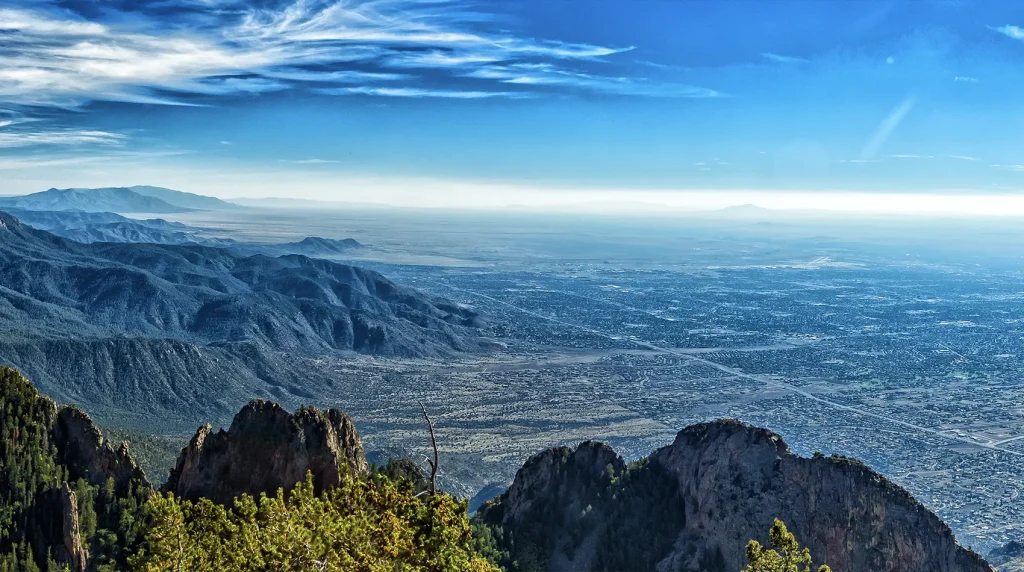
At its core, Albuquerque sits at an average elevation of approximately 5,312 feet (1,619 meters) above sea level. This is not a static number, however, as the city’s terrain gently undulates, ranging from around 4,900 feet (1,494 meters) near the banks of the Rio Grande to over 6,800 feet (2,073 meters) in the eastern foothills of the majestic Sandia Mountains. This significant altitude places Albuquerque among the highest major cities in the United States, positioning it as a distinct high-desert destination. For travel enthusiasts and adventurers, this elevation isn’t just a fact; it’s an invitation to a unique set of experiences, challenges, and breathtaking vistas that define the New Mexico lifestyle.
Understanding Albuquerque’s Unique Elevation
The elevation of Albuquerque is not just a number on a map; it’s a fundamental characteristic that shapes the very essence of the city. From its arid climate to the panoramic views that stretch across the horizon, the altitude plays a pivotal role in defining the local environment and the array of tourism and lifestyle opportunities it presents.
The High Desert Landscape
Albuquerque’s elevation firmly places it in a high-desert environment, a fact that has profound implications for its climate, flora, and fauna. Unlike lower-lying deserts, the high desert experiences significant diurnal temperature variations, meaning warm, sunny days often give way to surprisingly cool nights, even in summer. This characteristic climate, with its abundance of sunshine and low humidity, is a major draw for many travelers seeking relief from more humid regions. The air is typically crisp and clear, contributing to the stunning visibility that often allows for views extending dozens of miles, perfect for photography and enjoying natural beauty.
This high-desert setting also dictates the types of natural attractions and outdoor activities available. Cacti, sagebrush, and hardy native plants dominate the landscape, painting a rugged yet beautiful backdrop for hiking, biking, and exploration. The unique ecosystem supports diverse wildlife adapted to these conditions, offering nature lovers opportunities for birdwatching and observing desert creatures in their natural habitat. For those who prioritize eco-tourism and authentic natural experiences, Albuquerque’s high desert environment offers an unparalleled connection to the land.
Geographical Context: The Rio Grande Valley and Sandia Mountains
Albuquerque owes its varied elevation to its strategic location within the Rio Grande Valley and at the foot of the imposing Sandia Mountains. The Rio Grande, one of the longest rivers in North America, carves a fertile valley through the otherwise arid landscape. It is along the riverbanks, where the elevation is at its lowest within the city limits, that much of Albuquerque’s historical development and agricultural heritage are rooted. This lower elevation near the river offers a slightly different microclimate, often supporting more riparian vegetation and providing a lush contrast to the surrounding desert.
In stark contrast, to the east, the majestic Sandia Mountains rise dramatically, forming the city’s iconic eastern backdrop. “Sandia” means “watermelon” in Spanish, a name given due to the mountains’ reddish glow at sunset, reminiscent of a watermelon rind. As you ascend into the foothills and beyond, the elevation rapidly increases, creating a dramatic topographical shift within a short distance. These mountains are not just a scenic marvel but also a recreational hub, offering higher altitude activities like skiing in winter and cooler hiking trails in summer. The interplay between the river valley and the mountain range creates a dynamic environment that offers a diverse range of experiences for both residents and visitors, making Albuquerque a truly multifaceted travel destination.
The Impact of Altitude on Travel and Tourism
Understanding Albuquerque’s elevation is crucial for travelers, as it directly influences health considerations, activity planning, and the overall enjoyment of a trip. The effects of high altitude can range from mild discomfort to more significant issues, making preparation an essential part of any Albuquerque adventure.
Health Considerations for Visitors
For many visitors arriving from sea-level or lower-elevation areas, Albuquerque’s altitude can present a mild challenge. The air at 5,000+ feet contains less oxygen per breath, which can lead to symptoms commonly associated with mild altitude sickness, such as headaches, fatigue, dizziness, and shortness of breath. While these symptoms are generally mild and temporary for most people, it’s wise to take precautions, particularly for those with pre-existing health conditions.
Travel tips for adapting to Albuquerque’s elevation include:
- Hydration: Drink plenty of water before and during your stay. Dehydration can exacerbate altitude symptoms.
- Pace Yourself: Avoid strenuous activities on your first day or two. Allow your body time to acclimatize.
- Limit Alcohol and Caffeine: These can contribute to dehydration and affect sleep, making adjustment more difficult.
- Listen to Your Body: If you experience severe symptoms, seek medical advice.
- Sun Protection: The thinner atmosphere at higher elevations means increased exposure to UV radiation, making sunscreen, hats, and sunglasses essential.
Hotels and resorts in Albuquerque are generally well-equipped to provide comfortable stays, but understanding these personal health considerations is a key aspect of responsible tourism and ensuring a pleasant visit.
Embracing Outdoor Activities at High Altitude
Despite the initial adjustment, Albuquerque’s elevation is a major asset for outdoor enthusiasts, offering a unique setting for a wide array of activities. The crisp, clean air and abundant sunshine create ideal conditions for year-round exploration.
- Hiking and Biking: The Sandia Mountains and the Rio Grande Bosque (riparian forest) offer countless trails for all skill levels. From challenging mountain ascents to leisurely riverfront paths, the diverse topography caters to every preference. Popular spots like Petroglyph National Monument combine outdoor activity with historical exploration.
- Skiing and Snowboarding: In winter, the higher elevations of the Sandia Mountains transform into a winter wonderland, with the Sandia Peak Ski Area offering slopes accessible via the Sandia Peak Tramway. This is a prime example of how altitude creates unique recreational opportunities.
- Golf: Numerous golf courses in and around Albuquerque benefit from the dry climate and stunning mountain views, providing a picturesque backdrop for a round or two.
- Hot Air Ballooning: Albuquerque is globally renowned as the hot air balloon capital, thanks to its unique atmospheric conditions (the ” Albuquerque Box”) that are influenced by its elevation and surrounding terrain. The annual International Balloon Fiesta is a spectacular testament to this, drawing visitors from all corners of the globe for an unparalleled sky-high experience.
Engaging in these activities, especially in the higher reaches of the mountains, requires proper preparation and an awareness of one’s physical limits, but the rewards are truly magnificent. The ability to transition from a vibrant city to a mountain wilderness in mere minutes is a key part of Albuquerque’s appeal as a lifestyle and travel destination.
Iconic Landmarks and Elevated Experiences
Albuquerque’s elevation is not just a background feature; it’s an active participant in shaping some of its most famous landmarks and offering truly unique experiences that stand out in the travel landscape.
The Sandia Peak Tramway
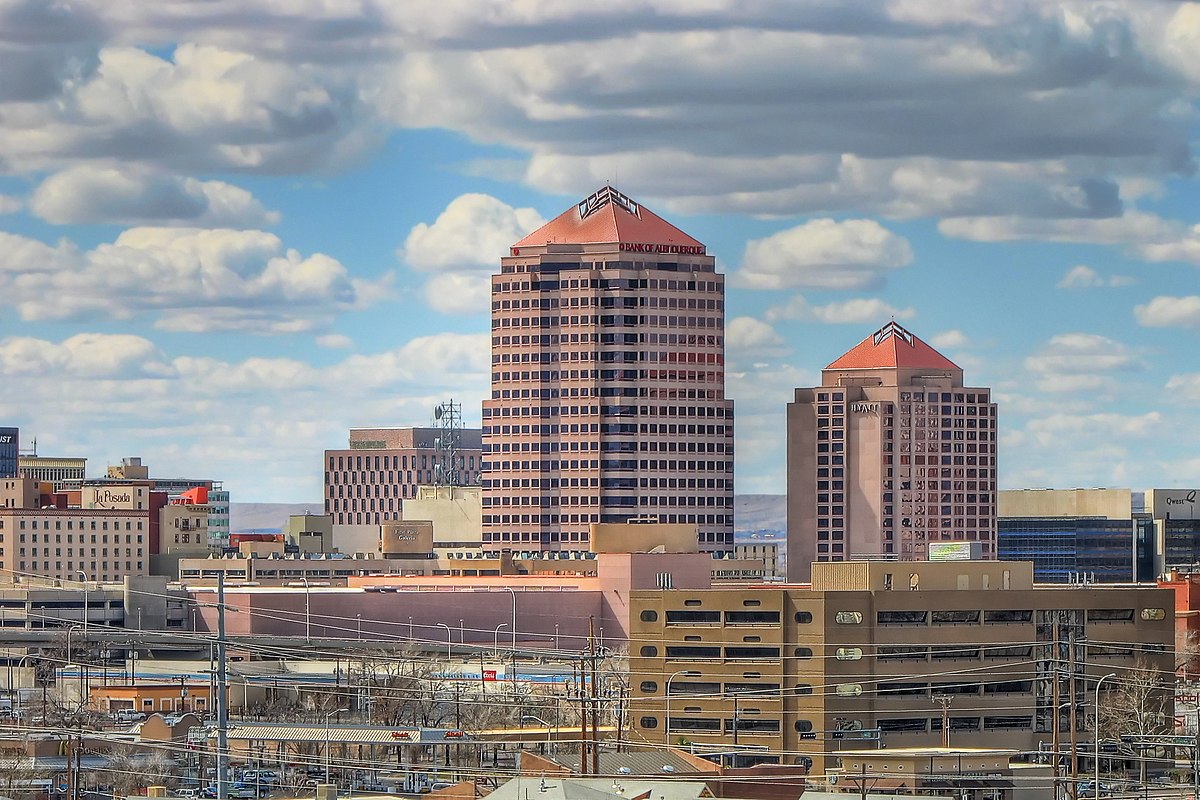
Perhaps the most iconic representation of Albuquerque’s elevated status is the Sandia Peak Tramway. This incredible feat of engineering is the longest aerial tramway in North America, transporting passengers from the city’s eastern edge at roughly 6,559 feet (1,999 meters) to the peak of Sandia Mountains at a staggering 10,378 feet (3,163 meters). The journey itself is an experience, offering unparalleled panoramic views of the entire Rio Grande Valley, the city of Albuquerque, and beyond into the distant horizons of New Mexico.
At the summit, visitors are greeted by a dramatically different environment – cooler temperatures, alpine vegetation, and, in winter, a blanket of snow perfect for skiing or snowshoeing. There are hiking trails, a casual restaurant with observation decks, and simply the opportunity to breathe in the thin, crisp air and soak in the majestic scenery. For any traveler to Albuquerque, a ride on the Sandia Peak Tramway is an essential activity, offering a literal and metaphorical high point of their trip. It’s a prime example of how a city’s natural geography can be transformed into a world-class tourism attraction.
Exploring Old Town Albuquerque
In stark contrast to the dizzying heights of Sandia Peak, but equally shaped by history and its location, is Old Town Albuquerque. While its elevation is closer to the city’s average, it represents the heart of Albuquerque’s cultural heritage, established over 300 years ago. This historic district, with its charming adobe buildings, narrow streets, and central plaza, transports visitors back to the city’s Spanish colonial roots. It’s a place where local culture, traditional food, and artisanal crafts thrive, offering a glimpse into the lifestyle that has evolved in this high-desert setting for centuries.
Walking through Old Town Albuquerque allows visitors to explore historic churches, unique boutiques, and authentic New Mexico restaurants. Attractions like the Indian Pueblo Cultural Center nearby further enrich the cultural immersion, highlighting the profound influence of indigenous peoples on the region. The relative ease of exploring Old Town Albuquerque on foot, combined with its cultural richness, makes it an ideal spot for visitors to acclimate to the elevation while enjoying a relaxed and historically significant experience. It’s a perfect example of how the city blends its natural environment with its deep-rooted history to create a compelling destination for tourism.
Accommodation and Lifestyle in the High Desert
Albuquerque’s elevation and unique environment play a significant role in defining the city’s accommodation options and the distinct lifestyle enjoyed by its residents and visitors. From luxury resorts to cozy boutique hotels, the goal is always to provide comfort and an authentic experience in this remarkable high-desert setting.
Hotels and Resorts: Comfort at Any Elevation
The city offers a diverse range of hotels and accommodation options catering to every traveler’s preference and budget. Whether you’re seeking a luxurious resort with a spa, a family-friendly hotel with a pool, or a charming apartment for a long-term stay, Albuquerque has it all. Many establishments are designed to maximize the breathtaking views of the Sandia Mountains or the vast Rio Grande Valley, integrating the natural landscape into the guest experience.
For those concerned about the altitude, most modern hotels and resorts in Albuquerque are equipped with air conditioning and humidifiers, which can help make the adjustment easier. Properties often feature amenities like swimming pools and outdoor patios where guests can relax and enjoy the clear, sunny days. Booking reviews frequently highlight the comfort and quality of stays, often mentioning the beautiful surroundings as a key highlight. Comparison shopping for accommodation might reveal options ranging from historic hotels in Old Town Albuquerque to contemporary resorts in the newer parts of the city, each offering a distinct perspective on the New Mexico lifestyle.
A Lifestyle Shaped by the Sky
The lifestyle in Albuquerque is deeply intertwined with its high-desert elevation and abundant sunshine. Residents and visitors alike embrace an active, outdoor-oriented way of life. The clear skies and minimal light pollution also make Albuquerque an excellent spot for stargazing, especially in areas away from city lights, offering yet another “elevated” experience.
The city also boasts a vibrant arts scene, a burgeoning culinary landscape influenced by indigenous and Spanish traditions, and a laid-back pace that contrasts with larger metropolitan areas. Whether it’s enjoying a green chile cheeseburger on a patio with mountain views, exploring the city’s numerous museums, or attending one of its many festivals (like the famous International Balloon Fiesta), the high elevation contributes to a feeling of expansiveness and connection to nature that is central to the Albuquerque experience. This unique blend of outdoor adventure, cultural richness, and relaxed living makes Albuquerque an appealing destination for luxury travelers seeking unique experiences, budget travelers looking for value, and families searching for memorable trips.
Planning Your High-Altitude Albuquerque Adventure
Embarking on a journey to Albuquerque is an opportunity to immerse yourself in a truly distinctive environment. Strategic planning, keeping the city’s elevation in mind, will ensure a seamless and enjoyable travel experience that aligns with your lifestyle and travel preferences.
Best Times to Visit
Albuquerque’s high desert climate, influenced by its elevation, means distinct seasons, each offering a different appeal for visitors:
- Spring (March-May): Mild temperatures and blossoming desert flora make spring an ideal time for hiking and exploring. The air is typically crisp, and it’s a comfortable time to adjust to the elevation.
- Summer (June-August): While days can be hot, the low humidity makes the heat more tolerable than in many other regions. Evenings cool down significantly due to the high elevation. It’s a great time for early morning outdoor activities and enjoying hotel pools.
- Fall (September-November): Often considered the prime time to visit. Temperatures are pleasant, the cottonwood trees along the Rio Grande turn golden, and the world-famous International Balloon Fiesta takes place in early October, drawing massive crowds. This period offers some of the most comfortable weather for engaging in outdoor activities.
- Winter (December-February): Cooler temperatures prevail, with occasional snow in the city and more substantial snowfall in the Sandia Mountains, opening up opportunities for skiing and other winter sports. The clear, cold air also makes for stunning views.
Choosing the best time to visit often depends on your preferred activities and tolerance for crowds, especially if you plan your trip around the International Balloon Fiesta.

Essential Tips for a Seamless Stay
To maximize your enjoyment of Albuquerque’s unique high-altitude charm, consider these additional tips:
- Layered Clothing: Due to the significant temperature swings between day and night, even in summer, dressing in layers is always a good strategy.
- Stay Hydrated: This cannot be stressed enough. Carry a water bottle and refill it frequently.
- Sun Protection: Sunscreen, hats, and sunglasses are year-round necessities due to the intense New Mexico sun at this elevation.
- Altitude Awareness: Be mindful of your physical limits, especially during the first few days. Don’t push yourself too hard when engaging in strenuous activities like hiking or biking.
- Explore Local Cuisine: Don’t leave without trying authentic New Mexico cuisine, particularly dishes featuring the iconic green chile.
- Transportation: While a rental car offers the most flexibility for exploring the broader region, Albuquerque also has public transportation options, and ride-sharing services are readily available.
By keeping Albuquerque’s elevation in mind and following these simple guidelines, you’re well on your way to experiencing an unforgettable high-desert adventure. From its historical landmarks and vibrant culture to its stunning natural beauty and diverse accommodation options, Albuquerque truly offers an elevated experience in every sense of the word.
LifeOutOfTheBox is a participant in the Amazon Services LLC Associates Program, an affiliate advertising program designed to provide a means for sites to earn advertising fees by advertising and linking to Amazon.com. Amazon, the Amazon logo, AmazonSupply, and the AmazonSupply logo are trademarks of Amazon.com, Inc. or its affiliates. As an Amazon Associate we earn affiliate commissions from qualifying purchases.