
Navigating the Sunshine State’s financial landscape as a traveler or resident can sometimes feel like deciphering a treasure map. Among the many details that come into play, understanding the Florida state sales tax rate is crucial for budgeting, planning, and making informed purchasing decisions. Whether you’re booking a luxurious suite at a Walt Disney World Resort, indulging in a culinary adventure in Miami, or simply picking up souvenirs on International Drive, sales tax will invariably be a part of the equation. This comprehensive guide aims to demystify the Florida state sales tax, providing clarity on its components, how it applies to various purchases, and what you can expect as you explore the diverse attractions and accommodations this vibrant state has to offer.
Understanding the Core Florida Sales Tax
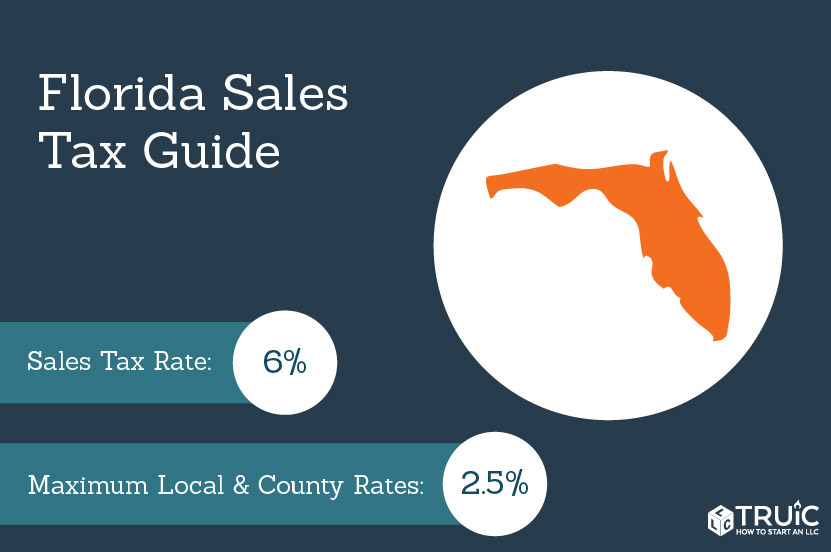
At its heart, the Florida state sales tax rate is a straightforward percentage applied to the sale of tangible goods and certain services. This tax is a significant source of revenue for the state, funding essential public services such as education, infrastructure, and law enforcement. As of the current understanding, the Florida state sales tax rate stands at 6%. This base rate applies across the state, forming the foundation upon which local taxes are added.
What is Taxable in Florida?
The scope of what is subject to Florida sales tax is quite broad. Generally, if you are purchasing tangible personal property – items you can touch and move – it is taxable unless specifically exempted by law. This includes a vast array of goods you might encounter during your travels, from clothing and electronics to furniture and collectibles. Beyond physical goods, many services are also subject to sales tax in Florida. This can include services like:
- Repairs and maintenance: For tangible personal property.
- Admissions: To theme parks, zoos, museums, and other entertainment venues.
- Rental of tangible personal property: Such as vehicles or equipment.
- Services provided to real property: Like construction and remodeling.
It’s important to note that the definition of “tangible personal property” and “services” can be nuanced. For instance, while most food items are exempt from sales tax, prepared food sold for immediate consumption, such as at a restaurant or a stadium concession stand, is typically taxable. Similarly, while the purchase of a private residence is not subject to sales tax, the rental of residential property for a term of less than six months is generally taxable. This is a crucial point for travelers considering short-term stays in apartments or villas.
What is Exempt from Florida Sales Tax?
The state of Florida provides exemptions for certain categories of goods and services to encourage specific economic activities or for policy reasons. Understanding these exemptions can help you save money on your purchases. Some common exemptions include:
- Groceries: Most unprepared food items intended for home consumption.
- Prescription medications: And certain medical supplies.
- Newspapers and periodicals: Purchased with a subscription.
- Business-to-business transactions: Certain sales between registered businesses may be exempt under specific conditions.
- Purchases made for resale: Businesses buying goods to sell to others are generally exempt.
For tourists, the most impactful exemptions usually revolve around food for home consumption and certain essential goods. However, it is always advisable to verify the taxability of specific items, especially when making significant purchases or utilizing specialized services.
Local Taxes: Adding to the Florida State Sales Tax Rate
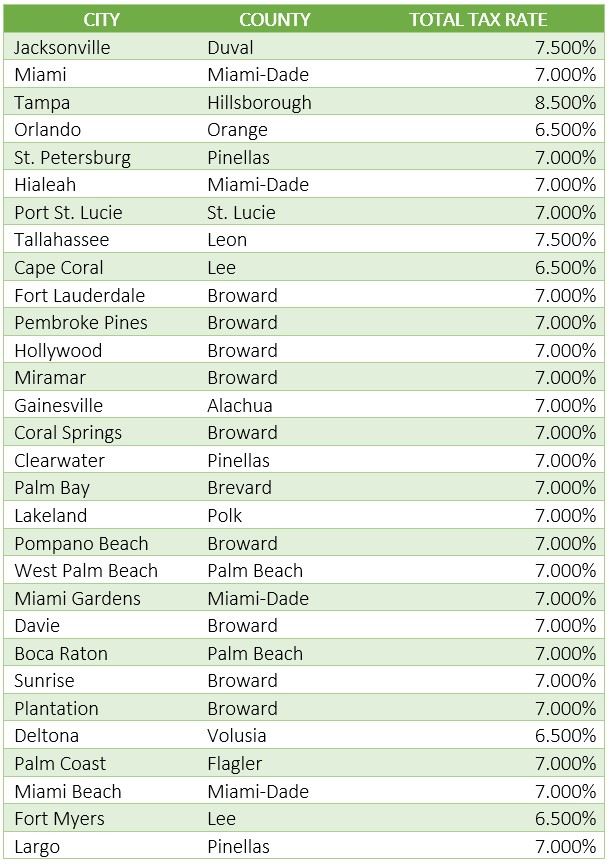
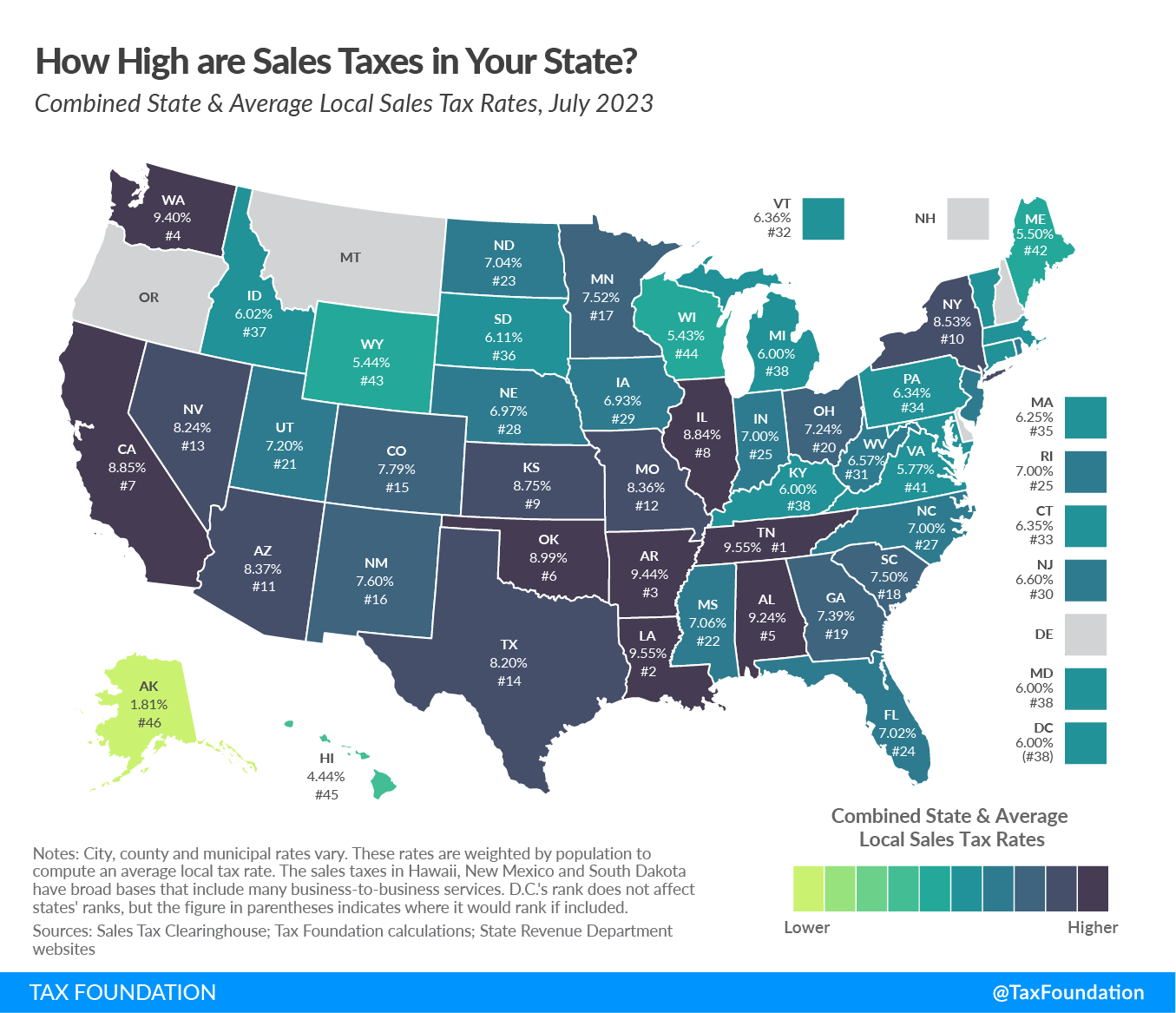
While the 6% state sales tax is uniform across Florida, it’s only part of the story. Many counties and municipalities in Florida impose additional discretionary sales surtaxes. These local taxes are added to the state rate, creating a combined sales tax rate that varies depending on your location within the state. This means that the total sales tax you pay in Orlando might differ from that in Tampa or Key West.
Understanding Discretionary Sales Surtaxes
Discretionary sales surtaxes are authorized by Florida law and are voted on by county residents. The purpose of these surtaxes is typically to fund local projects, such as public transportation, schools, infrastructure improvements, or public safety initiatives. The rates for these surtaxes can vary significantly, often ranging from 0.5% to 2.5% or even higher in some special districts.
For example, a county that has a 1% discretionary sales surtax will have a combined sales tax rate of 7% (6% state + 1% local). If another county has a 1.5% surtax, the combined rate there would be 7.5%. Some areas, particularly those with significant tourism, may have even higher rates due to special district surtaxes aimed at funding tourism-related infrastructure or attractions, like convention centers or entertainment districts.
How Local Taxes Affect Your Travel Budget
These local taxes can have a noticeable impact on your overall spending, especially during extended stays or when making larger purchases. When booking accommodation, dining out, or purchasing goods, always factor in the local sales tax. For instance, a hotel in a popular tourist destination like Orlando, which often has higher discretionary surtaxes to support its vast tourism industry, will reflect a higher combined sales tax rate than a hotel in a less tourist-heavy area.
Many websites and booking platforms will display the estimated tax on your reservation, but it’s good practice to understand the underlying rates. Knowing that the sales tax rate is not a single figure but a combination of state and local components is key to accurate budgeting. The Florida Department of Revenue provides detailed information and rate schedules, which can be a valuable resource for those seeking precise figures for specific counties.
Specific Applications and Considerations for Travelers
When you’re immersed in the vibrant experiences Florida has to offer, from exploring the historic architecture of St. Augustine to enjoying the natural beauty of the Everglades, the application of sales tax can extend to various aspects of your trip. Understanding these specific applications will help you avoid surprises and manage your expenses effectively.
Accommodation and Lodging Taxes
One of the most significant expenses for travelers is accommodation. In Florida, the standard state sales tax of 6% applies to most transient rentals (rentals of less than six months). However, most counties and municipalities also impose a resort tax or lodging tax, which is an additional tax levied on hotel rooms, motels, vacation rentals, and similar accommodations. These resort taxes are often higher than the general discretionary sales surtaxes and are specifically earmarked for tourism promotion, convention facilities, and other tourism-related expenditures.
Therefore, the total tax on a hotel stay in Florida can be a combination of the 6% state sales tax, the county discretionary sales surtax, and the local resort tax. This can lead to combined rates that significantly exceed the base state rate. For example, a popular tourist destination might have a total lodging tax approaching 10-12% or more. When comparing prices for resorts, apartments, or villas, always look for the total tax inclusion to get an accurate picture of the final cost.
Dining, Entertainment, and Attractions
Your culinary and entertainment expenses will also be subject to sales tax. As mentioned, prepared food and beverages sold in restaurants, cafes, bars, and at events are generally taxable at the combined state and local rates. Similarly, admissions to theme parks like Universal Studios Florida, SeaWorld Orlando, sporting events, concerts, and other attractions are also subject to sales tax.
When purchasing tickets for attractions or dining at restaurants, the displayed price usually does not include sales tax. The tax will be calculated at the point of sale. This is particularly relevant for family trips where multiple tickets or meals are purchased, as the cumulative tax can add up.
Car Rentals and Transportation
Renting a vehicle for your travels around Florida is a common practice. The rental charges for tangible personal property, including vehicles, are subject to the state sales tax and any applicable local discretionary surtaxes. Therefore, the advertised daily rate for a car rental will be increased by these taxes. While public transportation in cities like Miami or the various shuttle services within large resorts might have different tax structures, individual car rentals are consistently taxed.
E-commerce and Online Purchases
The sales tax landscape extends to online purchases as well. Florida has adopted economic nexus laws, meaning that out-of-state businesses that meet certain sales thresholds into Florida are required to collect and remit sales tax to the state. This means that when you shop online from retailers that have a significant presence in Florida, you will likely be charged sales tax based on the destination of your purchase. This aligns online purchases with the in-state experience and ensures fairness in tax collection.
Seasonal Residents and Long-Term Stays
For those considering longer stays, such as seasonal residents or individuals seeking apartments or villas for extended periods, the tax implications can differ. While short-term rentals (under six months) are typically taxed as transient accommodations, longer-term rentals may be classified differently and subject to different tax rules, often exempting them from the transient lodging tax but potentially still subject to the standard sales tax or specific rental agreements. It is crucial to clarify the tax treatment of any accommodation intended for a stay of six months or more with the property owner or management company.
In conclusion, understanding the Florida state sales tax rate involves recognizing both the base 6% state tax and the variable local discretionary surtaxes and resort taxes. By being aware of these components and their specific applications to accommodation, dining, attractions, and transportation, travelers can better budget for their Sunshine State adventures and enjoy their experiences with financial clarity. Whether you’re planning a luxurious getaway or a budget-friendly exploration, a little tax knowledge goes a long way in maximizing your enjoyment and minimizing unexpected costs.