
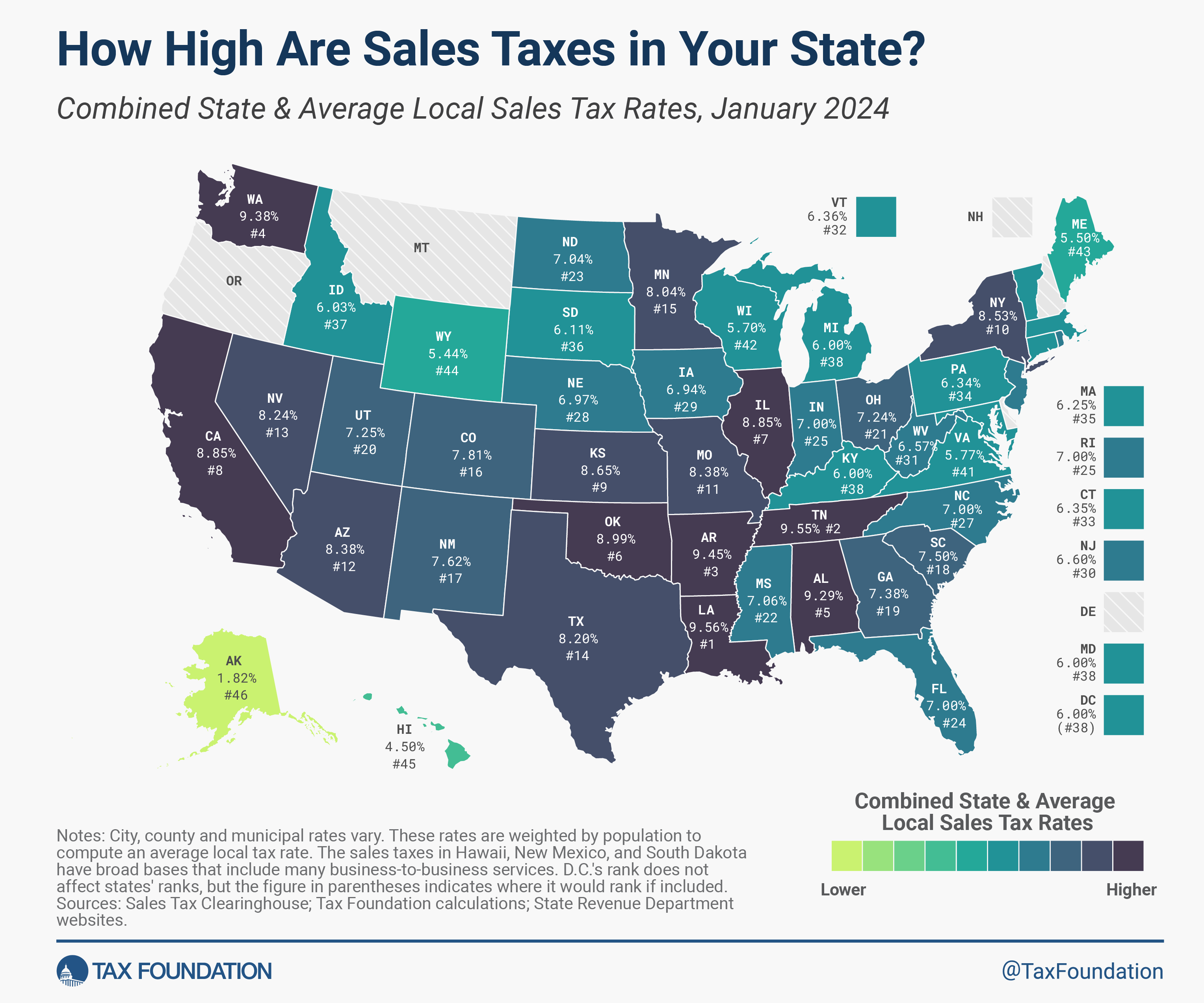
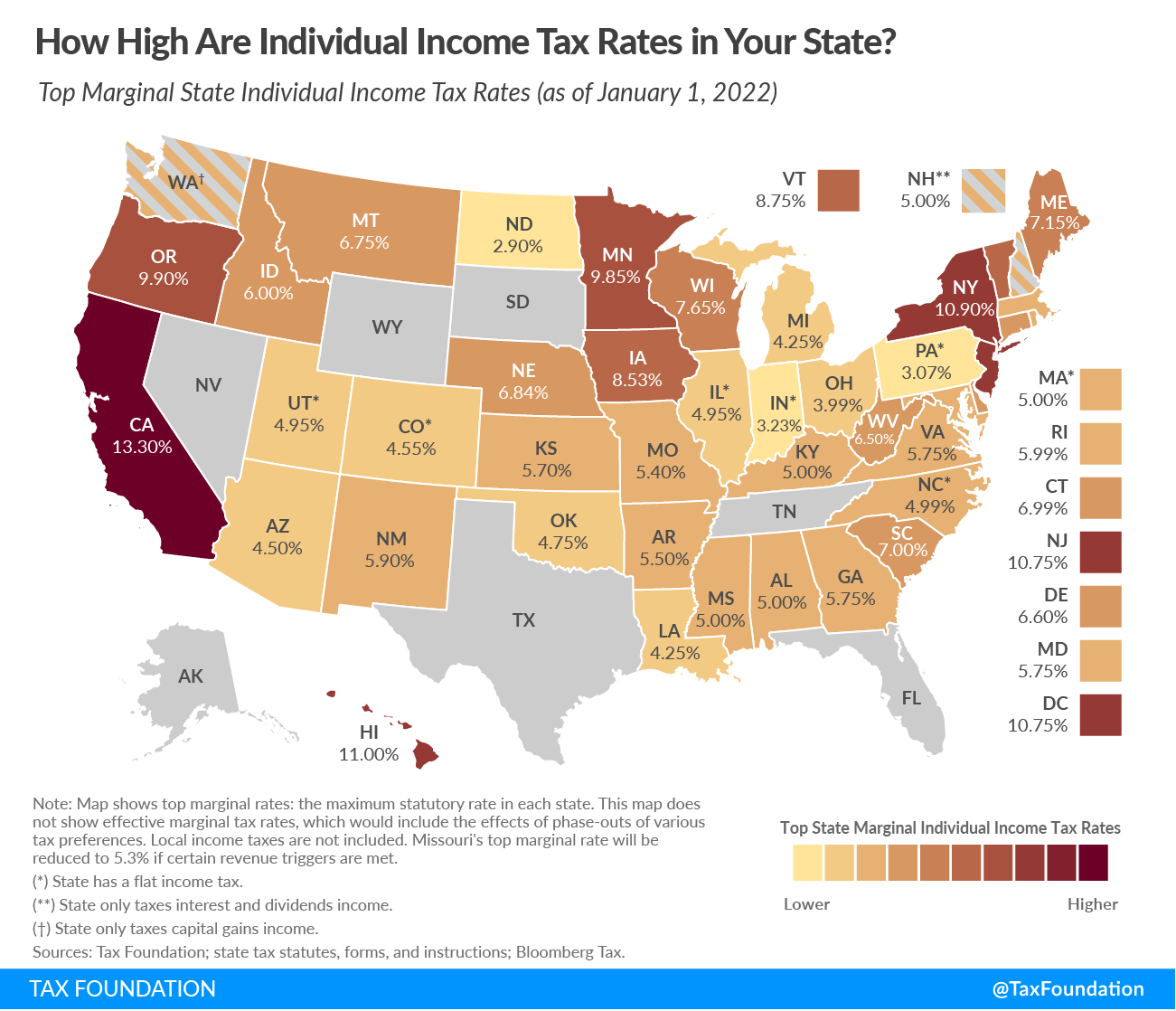
When planning a trip to the Sunshine State, understanding the tax implications is crucial for budgeting and making informed decisions, whether you’re booking a luxurious resort in Miami or a quaint villa in the Florida Keys. While Florida is renowned for its lack of a state income tax, this doesn’t mean your spending is entirely tax-free. Sales tax is the primary form of state taxation that impacts tourists and residents alike, influencing everything from hotel stays and dining experiences to the purchase of souvenirs. This article delves into the nuances of the Florida state tax rate, focusing on how it applies to travelers and what you can expect to pay across various categories.
Understanding Florida’s Sales Tax Structure
Florida operates on a state sales tax system that is supplemented by local discretionary sales surtaxes. This means the rate you pay can vary significantly depending on the specific county you visit. The state’s base sales tax is set, but local governments have the authority to add their own surtaxes, creating a tiered system of taxation that impacts the final price of goods and services. For travelers, this often translates into a more complex calculation than a simple, single state rate.
State Sales Tax Rate
The state of Florida imposes a standard state sales tax. As of the most recent information, this base rate is 6%. This rate applies to most tangible personal property and taxable services purchased within the state. However, this is just the starting point for calculating your total sales tax liability.
Local Option and Discretionary Sales Surtaxes
Beyond the state’s 6% tax, counties can levy additional sales taxes. These are often referred to as local option taxes or discretionary sales surtaxes. The rates for these surtaxes vary widely from county to county, ranging from 0.5% to 2.5%. This means the combined state and local sales tax rate can be anywhere from 6.5% to 8.5%. For example, a purchase in Orange County, home to Walt Disney World Resort, might have a different total sales tax rate than a purchase in Pinellas County, where the beaches of Clearwater are located.
It’s important for travelers to be aware that these local surtaxes are not always uniform within a county. Some areas may have specific exemptions or different rates applied to certain services or goods. This complexity can make it challenging to pinpoint an exact tax rate without knowing the specific location of your transaction.
How Sales Tax Affects Travel Expenses
The impact of Florida‘s sales tax is felt across a wide range of travel expenses. When you book a hotel room, a portion of your bill will be allocated to sales tax. This applies to resorts, apartments, and villas as well. The rate charged will be the combined state and local rate applicable to the county where the accommodation is situated.
Dining out is another area where sales tax is a significant factor. Restaurants charge sales tax on food and beverages, and the rate will again depend on the county. This can influence your budget for meals, whether you’re enjoying fine dining in Tampa or grabbing a quick bite near Everglades National Park.
Purchases of souvenirs, clothing, and other retail items will also be subject to sales tax. This means that the advertised price of a T-shirt in a St. Augustine gift shop doesn’t include the final tax, which will be added at the point of sale. For families on family trips, these cumulative taxes can add up quickly, especially when purchasing multiple items.
Specific Taxes and Exemptions Relevant to Travelers
While the general sales tax is the most prevalent, Florida has specific regulations and exemptions that can affect travelers. Understanding these can lead to potential savings and prevent unexpected charges.
Tourist Development Tax (TDT)
In addition to state and local sales taxes, many counties in Florida impose a Tourist Development Tax (TDT), often referred to as a “bed tax.” This tax is specifically levied on transient lodging, meaning it applies to hotel rooms, motels, vacation rentals, and other forms of short-term accommodation. The purpose of the TDT is to fund tourism-related initiatives and improvements, such as marketing Florida as a destination, maintaining beaches, and supporting local attractions.
The TDT rate varies by county and can range from 2% to 5% or even higher in some popular tourist destinations. This tax is usually added to the bill by the lodging establishment and is collected on top of the standard state and local sales taxes. So, when you book a room in a Miami Beach hotel, you might be paying state sales tax, Miami-Dade County’s discretionary surtax, and the Miami-Dade Tourist Development Tax. This combination can significantly increase the overall cost of your accommodation.
Exemptions and What You Don’t Pay Tax On
Fortunately, not everything you spend money on in Florida is taxed. There are several important exemptions that travelers should be aware of:
-
Groceries: Most basic, unprepared groceries intended for home consumption are exempt from sales tax. This means buying fruits, vegetables, meat, and dairy products at a supermarket in Orlando to prepare your own meals won’t incur sales tax. However, prepared foods, such as deli items, hot foods from a grocery store, or candy, are generally taxable.
-
Prescription Medications: Prescription drugs are exempt from sales tax. This is a significant benefit for anyone traveling with medical needs.
-
Certain Services: While many services are taxable in Florida, there are exceptions. For instance, most professional services like legal advice or accounting services are not subject to sales tax. However, services directly related to travel and tourism, such as guided tours or recreational activities, are often taxable.
-
Items for Resale: Businesses purchasing goods for resale are exempt from paying sales tax on those items. This is not directly applicable to individual travelers but is a key component of the sales tax system.
-
Specific Events and Organizations: In some cases, certain events or charitable organizations might be granted temporary sales tax exemptions. These are typically publicized and less relevant for the average tourist.
Understanding these exemptions can help travelers manage their budgets, particularly if they are planning a longer stay and intend to utilize grocery stores for meals.
Navigating Taxes for Different Travel Styles
The impact of Florida‘s tax structure can differ based on your travel preferences. Whether you’re a luxury travel enthusiast or a budget-conscious explorer, taxes will play a role in your overall expenditure.
Luxury Travel
For those indulging in luxury travel, the higher price points of hotels, fine dining, and exclusive experiences mean that the percentage-based sales tax can result in substantial amounts. A suite at a five-star resort in Palm Beach, for example, will carry a higher tax burden simply due to its elevated nightly rate. Similarly, a gourmet meal at a renowned restaurant in Key West will see a larger tax amount added to the bill. The Florida tax system, with its combination of state, local, and tourist development taxes, means that every dollar spent on discretionary luxury items is subject to taxation. This can be a significant factor in the overall cost of a high-end vacation.
Budget Travel
Budget travelers may find that Florida‘s tax rates, while present, are manageable when combined with strategic spending. By choosing more affordable accommodation options, such as apartments or budget-friendly hotels, the overall tax paid on lodging will be lower. Cooking some meals at home using groceries purchased from supermarkets, which are largely tax-exempt, can also significantly reduce spending on food and the associated taxes. While attraction tickets and souvenirs will still be taxed, the impact on a smaller overall budget might feel less pronounced compared to luxury travel. The key for budget travelers is to be aware of the tax rates in their chosen destinations and factor them into their daily spending plans.
Family Trips and Business Stays
Family trips often involve a mix of activities and expenses, from theme park tickets to restaurant meals and souvenir shopping. The cumulative effect of sales tax on all these purchases can add up quickly, making it important for families to budget accordingly. The Florida tax rate on theme park tickets, for instance, can be a considerable sum when purchasing for multiple family members.
For business stays, the tax implications are similar to leisure travel, but there may be some differences if expenses are reimbursed by an employer. Business travelers often stay in hotels, and the TDT will apply. Dining expenses, taxi fares, and any necessary purchases will also be subject to sales tax. Understanding how these taxes are applied can help individuals accurately report expenses for reimbursement.

Conclusion: Planning Your Tax-Conscious Florida Adventure
Florida‘s tax landscape, particularly concerning sales tax, requires a bit of understanding for both visitors and residents. While the absence of a state income tax is a major draw, the presence of a state sales tax, coupled with county-specific surtaxes and the Tourist Development Tax on lodging, means that your travel expenses will include these charges.
The Florida state sales tax rate of 6% is the foundation, but the actual rate you’ll pay can range from 6.5% to 8.5% or more, depending on the county. This variation is crucial for budgeting, especially when booking accommodation, dining out, or shopping. Remember to factor in the Tourist Development Tax, which specifically targets lodging and can add a significant percentage to your hotel bill.
By being aware of these different tax components, understanding which goods and services are exempt, and considering how your travel style impacts these costs, you can plan a more financially savvy trip to the Sunshine State. Whether you’re exploring the theme parks of Orlando, soaking up the sun on the beaches of Sarasota, or enjoying the vibrant culture of Jacksonville, a little tax knowledge can go a long way in ensuring a smooth and enjoyable Florida experience. Always check the specific tax rates for the county you are visiting to get the most accurate picture of your expected expenses.