
When one pictures the Sunshine State, images of pristine beaches, vibrant cities, and lush tropical landscapes often come to mind. But beyond the theme parks and azure waters, there’s a living symbol that truly embodies the spirit and natural beauty of the region: the state tree of Florida. This isn’t just any tree; it’s a resilient, iconic species deeply woven into the fabric of the state’s identity, history, and ecosystem. The official state tree of Florida, proudly designated as such in 1953, is the Sabal palmetto.
Known by various common names, including the cabbage palm or palmetto palm, the Sabal palmetto stands as a testament to Florida’s unique charm and enduring natural heritage. For travelers seeking an authentic Florida experience, understanding this tree provides a deeper appreciation for the landscapes they explore, the resorts they stay in, and the local culture they immerse themselves in. It’s a landmark in itself, an omnipresent feature that quietly enhances every Florida journey.
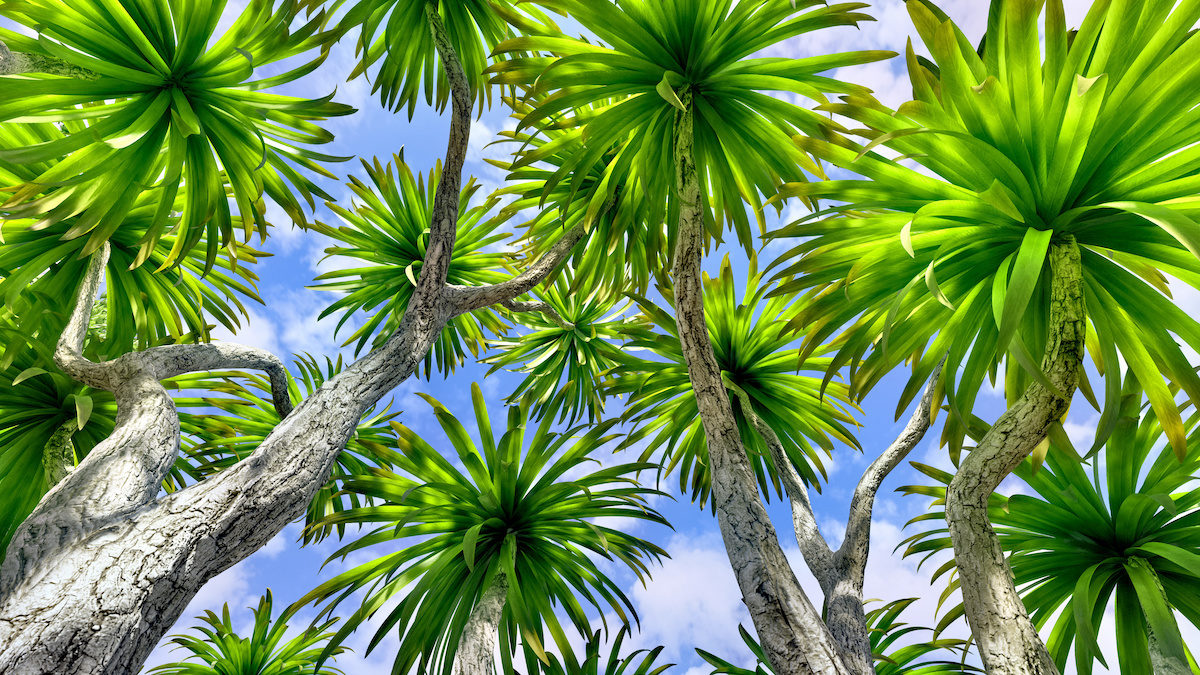
The Iconic Sabal Palmetto: Florida’s Natural Emblem
The Sabal palmetto isn’t merely a botanical specimen; it’s a powerful symbol of Florida’s natural beauty, remarkable resilience, and characteristic tropical allure. Its widespread presence throughout the state makes it instantly recognizable, whether you’re strolling along a bustling boardwalk, relaxing by a luxurious hotel pool, or venturing deep into a state park. Its image is so intertwined with the state that it even features prominently on the Florida state flag and seal, underscoring its significant place in the collective consciousness.
This majestic palm is a native inhabitant of Florida and extends its natural range across other southeastern United States regions, including coastal areas of South Carolina, North Carolina, and Georgia, as well as along the Gulf Coast. It’s not just an ornamental plant; it’s a foundational component of the state’s diverse ecosystem, playing critical roles from providing shelter to sustaining wildlife. For any tourist or long-term visitor, encountering the Sabal palmetto is an essential part of the Florida experience, an ever-present reminder of the unique environment that defines this vibrant destination.
A Defining Presence Across the Sunshine State
The distinctive appearance of the Sabal palmetto makes it easily identifiable and contributes significantly to the visual aesthetic that visitors often associate with Florida. Imagine a tall, often slender, columnar trunk crowned with a striking cluster of large, fan-shaped fronds. This silhouette is emblematic of the tropical lifestyle and lush landscapes found across Florida.
The trunk itself is a marvel of natural engineering. It’s typically rough and fibrous, ranging in color from dark brown to a soft gray. Often, it retains the remnants of old leaf bases, creating a unique, cross-hatched pattern that locals affectionately call “bootjacks.” These textural details add character and tell a story of growth over decades. These palms can reach impressive heights, often soaring 60 to 80 feet into the sky, creating natural canopies that offer welcome shade in the Florida sun. Whether gracing the entrance of a luxury resort or standing sentinel over a pristine beach, the Sabal palmetto is an undeniable part of the picturesque scenery that draws millions of travelers to the state each year.
Unpacking the Sabal Palmetto’s Unique Characteristics
Beyond its towering stature, the individual features of the Sabal palmetto contribute to its beauty and ecological importance. Its leaves are a vibrant, bright green, deeply divided, and spread out in a graceful, fan-like (costapalmate) fashion. These fronds are not just visually appealing; they are a key part of the palm’s interaction with its environment.
During the late spring to early summer, the Sabal palmetto produces small, creamy-white, and wonderfully fragrant flowers. These bloom in large, cascading clusters known as panicles, attracting a host of pollinators, including bees, which are vital for the ecosystem. As summer progresses into fall, these flowers give way to small, round, black drupes – the fruit of the palm. These fruits are a crucial food source for a variety of local wildlife, including numerous bird species and small mammals, highlighting the tree’s essential role in sustaining biodiversity.
One of the most remarkable aspects of the Sabal palmetto is its incredible resilience. While it is a slow-growing tree, it is exceptionally long-lived, with some specimens easily exceeding 100 years. More importantly, it demonstrates an extraordinary tolerance to a wide range of challenging environmental conditions. It can thrive in drought-prone areas, adapt to poor soil quality, withstand the corrosive effects of salt spray found in coastal environments, and perhaps most crucially for Florida, it possesses remarkable resistance to strong winds and even hurricanes. This inherent toughness makes it an ideal choice for landscaping across Florida’s diverse coastal areas and bustling urban environments, ensuring that its graceful form continues to define the state’s aesthetic despite natural challenges.
More Than Just a Tree: Ecological and Cultural Significance
The significance of the Sabal palmetto extends far beyond its visual appeal. It is a cornerstone of Florida’s natural and cultural landscape, contributing profoundly to both the environment and the human experience within the state. For those exploring Florida’s destinations and attractions, understanding this deeper connection enriches their travel experience, offering insights into local culture and the natural world.
A Pillar of Florida’s Ecosystem
From an ecological perspective, the Sabal palmetto is an indispensable asset. It provides vital habitat and a consistent food source for a wide array of Florida’s wildlife. Its sturdy fronds and robust structure offer excellent nesting sites for various bird species, including owls and woodpeckers, while its dense canopy provides crucial shelter for small mammals and reptiles, protecting them from predators and the elements. By supporting such diverse fauna, the Sabal palmetto plays a pivotal role in fostering and maintaining the state’s rich biodiversity.
Furthermore, its root system contributes to soil stabilization, particularly in fragile coastal dunes, helping to prevent erosion and preserve the integrity of Florida’s precious shorelines. For nature enthusiasts and eco-tourists, observing the myriad ways wildlife interacts with these palms can be a captivating experience, underscoring the delicate balance of nature that responsible tourism seeks to protect. When considering accommodation options, choosing resorts or hotels that incorporate native landscaping, including the Sabal palmetto, often signifies an establishment committed to preserving the local environment.
Weaving into History, Tourism, and Lifestyle

Culturally and economically, the Sabal palmetto holds an equally significant place. As mentioned, it’s an iconic image, appearing on the state flag and seal, firmly cementing its status as an enduring symbol of Florida. In the tourism sector, the palm’s tropical aesthetic is a huge draw. It’s extensively used in the landscaping of hotels, resorts, and theme parks like Walt Disney World Resort and Universal Orlando Resort, as well as in public parks and along the state’s famous beaches. Its graceful silhouette instantly evokes that quintessential “tropical paradise” feel that so many travelers seek when visiting Florida.
Historically, the Sabal palmetto was a vital resource for indigenous peoples and early settlers. The tender, edible heart of the palm, often referred to as “cabbage,” provided a valuable food source. Its durable fronds were skillfully used for thatch in roofing, as well as for crafting intricate basketry, mats, and hats. The sturdy trunks found utility as pilings, docks, and even in the construction of small structures. These traditional uses speak to the ingenuity and resourcefulness of those who first inhabited and settled this land, showcasing how the environment directly supported their lifestyle.
Today, while direct consumption and extensive crafting are less common, the palm remains a cornerstone of Florida’s identity and continues to contribute to its economy, primarily through landscaping and ornamental uses. Its presence helps define the luxurious and relaxed lifestyle associated with Florida travel, from budget-friendly family trips that appreciate natural beauty to high-end business stays where the surroundings enhance the experience. Sustainable harvesting practices are still observed for specific purposes, ensuring that this natural resource is managed responsibly for future generations.
Experiencing the Sabal Palmetto in Florida’s Premier Destinations
For visitors keen on experiencing the Sabal palmetto in its various natural and cultivated settings, Florida offers a wealth of opportunities. From vast national parks to historic cities and manicured botanical gardens, the state tree is an integral part of the landscape, offering different perspectives and experiences for every type of traveler. Whether you’re planning an adventurous eco-tour, a cultural city break, or a relaxing beach vacation, you’ll encounter the distinctive palm at almost every turn.
Natural Sanctuaries and Protected Landscapes
To truly appreciate the Sabal palmetto in its wild, untouched glory, venturing into Florida’s renowned national and state parks is a must. These landmarks offer not just glimpses but immersive encounters with the natural beauty of the state.
- Everglades National Park: As one of the most unique ecosystems in the United States, the Everglades National Park provides an extraordinary natural habitat for the Sabal palmetto. Amidst its vast marshes, sawgrass prairies, and intricate waterways, these palms stand tall, creating a quintessential Florida backdrop. Exploring the Everglades by airboat or kayak offers an unforgettable experience, allowing you to witness alligators, diverse bird species, and other wildlife thriving alongside the iconic palms. Many eco-tours, an excellent tourism activity, focus on the biodiversity supported by these natural settings.
- Biscayne National Park: This park, largely submerged, offers a different coastal environment where mangrove forests meet coral reefs. Along its pristine shorelines and islands, Sabal palmetto trees line the edges, providing a striking contrast to the turquoise waters. Snorkeling and diving are popular activities here, but even from the boat or kayak, the presence of the palms adds to the allure of this unique marine sanctuary.
- Myakka River State Park (near Sarasota): As one of Florida’s oldest and largest state parks, Myakka is a fantastic destination for nature lovers. It boasts expansive forested areas and diverse wetlands where the Sabal palmetto is a prominent feature. Visitors can take airboat tours to observe wildlife, enjoy the park’s famous canopy walkway for a bird’s-eye view, or hike through trails shaded by ancient palms, making for a truly immersive experience in Florida’s wild heart.
Urban Charm and Coastal Retreats
The Sabal palmetto isn’t confined to wild spaces; it’s also a celebrated element of Florida’s urban landscapes and coastal resorts, perfectly blending natural beauty with developed attractions.
- St. Augustine: In the nation’s oldest city, the historic streets, Spanish colonial architecture, and ancient fortresses are beautifully complemented by the strategic integration of Sabal palmetto trees within cityscapes, parks, and courtyards. They add a touch of timeless Florida charm to the rich history, creating a unique backdrop for exploration.
- Key West: At the southernmost point of the continental United States, Key West is famed for its laid-back atmosphere, vibrant arts scene, and stunning sunsets. The Sabal palmetto contributes significantly to this relaxed, tropical ambiance, lining streets and gracing hotel gardens, embodying the distinctive island lifestyle.
- Coastal towns like Naples, Miami Beach, Fort Lauderdale, and Palm Beach: These iconic coastal destinations exemplify how the Sabal palmetto is used to create and enhance the luxury travel experience. From grand hotel entrances to private villa gardens and public beach access points, these palms define the subtropical elegance that attracts global visitors seeking premium accommodation and unforgettable experiences.
Botanical Havens for Deep Dives
For those with a deeper interest in horticulture and conservation, Florida’s botanical gardens offer meticulously curated environments to study the Sabal palmetto and its many relatives.
- Fairchild Tropical Botanic Garden (Coral Gables): This world-renowned botanical garden houses an extensive collection of palms and tropical plants. It’s an ideal place to observe the Sabal palmetto up close, learning about its lifecycle, various forms, and its role within the broader family of palms.
- Marie Selby Botanical Gardens (Sarasota): Famous for its epiphytes and diverse plant collections, this garden also provides excellent opportunities to see the Sabal palmetto in a carefully maintained setting, alongside other native and exotic species. These gardens are excellent educational attractions that complement any Florida itinerary.

Safeguarding Florida’s Enduring Symbol
Despite its remarkable resilience and widespread presence, the Sabal palmetto faces contemporary threats that necessitate ongoing conservation efforts. As travelers who appreciate Florida’s natural beauty, understanding these challenges and supporting preservation initiatives is part of responsible tourism and contributes to a sustainable lifestyle.
One significant threat is habitat loss, primarily driven by rapid urban development and agricultural expansion. While the palm is tolerant, large-scale alteration of natural landscapes diminishes its populations and the ecosystems it supports. Additionally, the Sabal palmetto is susceptible to certain diseases, such as lethal yellowing and fusarium wilt, which can devastate entire stands of palms. Pests like palm weevils also pose a continuous threat, often requiring diligent management to prevent widespread damage.
Conservation efforts are crucial to safeguarding this enduring symbol. These efforts include promoting sustainable land use planning that balances development with environmental protection, implementing effective disease management strategies, and raising public awareness about the importance of the Sabal palmetto. Research into more resilient varieties and new treatment methods is also ongoing, reflecting a proactive approach to protecting Florida’s iconic tree.
As visitors and residents, our collective role in preserving the Sabal palmetto is paramount. Supporting local conservation initiatives, choosing eco-friendly accommodations, and being mindful of our environmental impact when exploring Florida’s natural landmarks are simple yet powerful ways to contribute. By ensuring the health and proliferation of the Sabal palmetto, we help preserve the unique character and ecological integrity of the Sunshine State for generations to come, allowing future travelers to experience the same iconic beauty that defines Florida today.
In conclusion, the question “What Is The Florida Tree?” leads us to the magnificent Sabal palmetto. It’s more than just a botanical fact; it’s an invitation to explore the state’s rich biodiversity, delve into its fascinating history, and appreciate the resilient spirit that defines Florida. From its ecological importance to its cultural significance and its ubiquitous presence in both wild and urban landscapes, the Sabal palmetto truly embodies the heart and soul of the Sunshine State, making it an essential part of any Florida travel experience.
LifeOutOfTheBox is a participant in the Amazon Services LLC Associates Program, an affiliate advertising program designed to provide a means for sites to earn advertising fees by advertising and linking to Amazon.com. Amazon, the Amazon logo, AmazonSupply, and the AmazonSupply logo are trademarks of Amazon.com, Inc. or its affiliates. As an Amazon Associate we earn affiliate commissions from qualifying purchases.