
[Alaska], a land of unparalleled natural beauty and untamed wilderness, captivates the imagination of travelers worldwide. Known as The Last Frontier, this magnificent state offers an extraordinary array of experiences, from majestic glaciers and towering mountain ranges to abundant wildlife and vibrant cultural histories. While visitors often flock to witness the grandeur of [Denali National Park] or cruise the pristine waters of the [Inside Passage], many might overlook a delicate yet significant symbol of the state’s enduring charm: its official flower. The question “What is the official flower for [Alaska]?” leads us on a fascinating exploration not just of a plant, but of the very spirit of this remarkable destination, intertwining with themes of travel, tourism, and the unique Alaskan lifestyle.
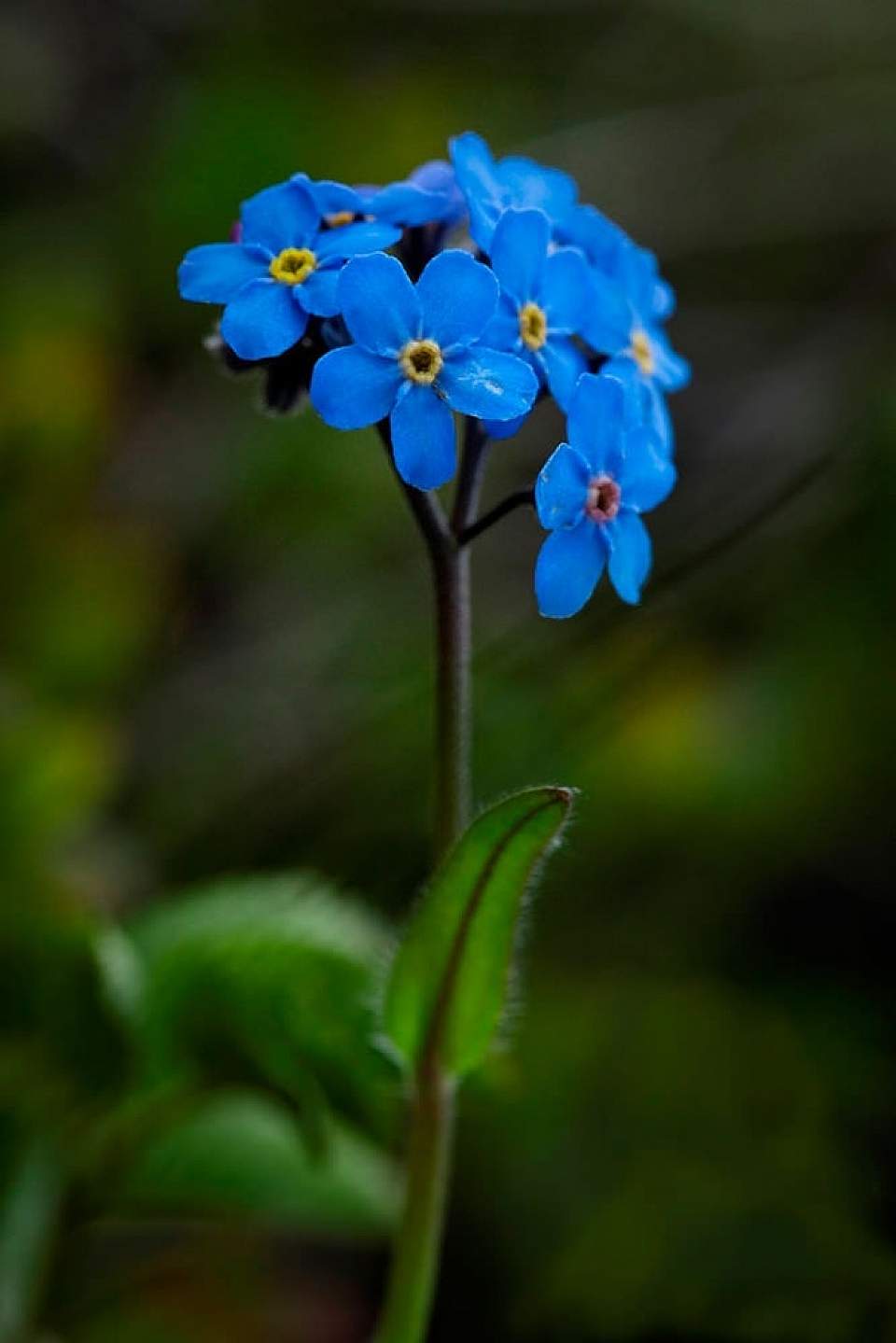
The Official Bloom of Alaska: The Forget-Me-Not
The official state flower of [Alaska] is the [Forget-Me-Not] (Myosotis alpestris). This tiny, five-petaled blue flower, often with a white or yellow center, might seem unassuming at first glance, but its adoption as [Alaska]’s emblem in 1917, long before statehood in 1959, speaks volumes about its deep resonance with the Alaskan people and landscape. It’s a flower that symbolizes remembrance, enduring love, and hope, sentiments that align perfectly with the pioneer spirit and the breathtaking, often challenging, environment of the state.
Symbolism and Significance
The choice of the [Forget-Me-Not] was no accident. It blossomed prolifically across the vast Alaskan wilderness, thriving in the cool, moist conditions of the subarctic tundra and alpine meadows. For early prospectors, miners, and settlers, often far from home and loved ones, the sight of the vibrant blue bloom was a poignant reminder of those they had left behind and the bonds that tied them to their past. The flower’s name itself, “forget-me-not,” carries a universal message of enduring memory. In a land where life could be harsh and isolation profound, this small flower became a powerful symbol of steadfastness and connection.
Beyond its sentimental value, the [Forget-Me-Not] represents the delicate beauty and resilience of [Alaska]’s flora. It thrives in conditions that might seem inhospitable, pushing through the cold soil to reveal its striking blue hue against a backdrop of rugged mountains and verdant valleys. This resilience mirrors the spirit of Alaskans themselves – hardy, independent, and deeply connected to their land. For tourists and locals alike, encountering the [Forget-Me-Not] serves as a gentle reminder of the fleeting yet powerful beauty found in nature, encouraging visitors to cherish their memories of the Last Frontier. It embodies the essence of Alaskan tourism: a blend of rugged adventure and profound natural serenity.
Where to Find the Forget-Me-Not in the Wild
For travelers keen to spot [Alaska]’s official flower in its natural habitat, summer is the ideal time. From late May through August, the [Forget-Me-Not] carpets fields and trails across various regions of the state. These charming flowers are particularly abundant in alpine tundra environments, open woodlands, and along stream banks.
- [Denali National Park]: This iconic park, home to North America’s tallest peak, Mount [Denali], is also a fantastic place to witness a rich display of wildflowers, including the [Forget-Me-Not]. Hiking trails around [Savage River] or along the [Teklanika River] can reveal these tiny blue gems, especially in July and August. The unspoiled landscapes of [Denali] provide a pristine setting for observing [Alaska]’s native flora alongside its famed wildlife.
- [Chugach State Park]: Just a short drive from [Anchorage], [Chugach State Park] offers easily accessible hiking trails where [Forget-Me-Nots] bloom in abundance. Areas like the [Flattop Mountain Trail] or the trails around [Eagle River Nature Center] are excellent for a leisurely walk through wildflower meadows. The juxtaposition of these delicate flowers against the backdrop of the rugged [Chugach Mountains] is a truly Alaskan sight.
- [Juneau] and the [Inside Passage]: In the southeastern part of [Alaska], particularly around the capital city of [Juneau], the moist, temperate rainforest climate also provides a welcoming environment for the [Forget-Me-Not]. Exploring trails near the [Mendenhall Glacier] or taking a scenic walk through the Tongass National Forest can often lead to delightful sightings. Cruising the [Inside Passage] in early summer might also offer glimpses of wildflowers along the verdant shorelines.
- [Fairbanks] and the [Interior]: Further north, in the [Fairbanks] region and [Alaska]’s vast [Interior], the [Forget-Me-Not] thrives in the long daylight hours of summer. Botanical gardens like the [Georgeson Botanical Garden] at the University of Alaska [Fairbanks] cultivate the flower and offer educational insights, while natural areas outside the city provide opportunities for wild sightings.
Spotting the [Forget-Me-Not] in the wild is a rewarding experience, connecting visitors directly with the natural pulse of [Alaska]. It’s a subtle yet profound element of an Alaskan travel experience, adding a layer of appreciation for the state’s ecological diversity.
Planning Your Alaskan Adventure: Beyond the Bloom
While the [Forget-Me-Not] adds a touch of charm to any Alaskan journey, the state itself is a treasure trove of adventures waiting to be discovered. From adrenaline-pumping excursions to tranquil natural encounters, [Alaska] caters to every type of traveler. Understanding the diverse offerings in destinations, attractions, and local culture is key to crafting an unforgettable trip.
Iconic Alaskan Destinations and Landmarks
[Alaska]’s vastness means that its iconic destinations are spread across distinct regions, each offering unique experiences.
- [Anchorage]: As [Alaska]’s largest city, [Anchorage] serves as a primary gateway for most visitors. Nestled between the [Chugach Mountains] and the Cook Inlet, it offers a blend of urban amenities and wilderness access. Travelers can visit the [Alaska Native Heritage Center] to learn about indigenous cultures, explore the [Anchorage Museum], or embark on day trips to nearby [Chugach State Park] or the [Kenai Peninsula]. For those seeking luxury travel, [Anchorage] hosts several upscale [hotels] and [resorts], such as the [Hotel Captain Cook] or [The Lakefront Anchorage], offering comfort after a day of exploration.
- [Juneau]: The state capital, [Juneau], is uniquely accessible only by air or sea. This makes it a popular stop on [Alaskan] cruises. Here, visitors can marvel at the majestic [Mendenhall Glacier], hike through temperate rainforests, or take a whale-watching tour in the waters of [Stephen’s Passage]. The vibrant downtown area offers charming shops, local eateries, and a glimpse into [Alaskan] history.
- [Fairbanks]: Located in the heart of the [Interior], [Fairbanks] is known as the “Golden Heart City” and is famous for its access to the [Northern Lights] (Aurora Borealis) during the darker months. In summer, it’s a great base for exploring the Arctic Circle, visiting gold mining historical sites, or cruising the [Chena River].
- [Denali National Park and Preserve]: No trip to [Alaska] is complete without experiencing the grandeur of [Denali]. This immense park offers unparalleled opportunities for wildlife viewing, from grizzly bears and moose to caribou and wolves. Hiking, bus tours, and flightseeing excursions provide breathtaking views of North America’s highest peak. Accommodation near [Denali] ranges from rustic [cabins] to comfortable [lodges].
- [Kenai Peninsula]: Known as “Alaska’s Playground,” the [Kenai Peninsula] offers world-class fishing, kayaking, and glacier viewing. Towns like [Seward] (gateway to [Kenai Fjords National Park]), Homer, and [Soldotna] provide diverse experiences. [Seward] is particularly famous for its boat tours into [Resurrection Bay] and [Kenai Fjords], showcasing tidewater glaciers and marine wildlife.
- [Wrangell-St. Elias National Park]: The largest national park in the U.S., [Wrangell-St. Elias] is a haven for serious adventurers, offering opportunities for mountaineering, glacier trekking, and remote wilderness exploration. Its vastness and rugged beauty embody the true spirit of the Last Frontier.
Accommodations for Every Traveler
[Alaska]’s diverse landscape is matched by its equally diverse accommodation options, catering to every budget and travel style. Whether you’re seeking luxury, adventure, or a family-friendly stay, [Alaska] has something to offer.
- [Hotels] and [Resorts]: Major cities like [Anchorage], [Juneau], and [Fairbanks] boast a range of [hotels], from familiar chain brands to unique boutique properties. Many offer amenities like heated pools, fine dining, and tour booking services. Luxury [resorts], such as the [Alyeska Resort] in [Girdwood], provide premium experiences with spas, ski access, and gourmet restaurants, perfect for those indulging in luxury travel.
- [Lodges] and [Cabins]: For a more immersive wilderness experience, remote [lodges] and cozy [cabins] are popular choices. These often come with all-inclusive packages that include meals and guided activities like fishing, hiking, or wildlife viewing. Many are situated in breathtaking locations, offering unparalleled access to nature.
- [Apartments] and [Villas]: For longer stays, family trips, or those preferring self-catering options, vacation [rentals], [apartments], and even some private [villas] are available in larger towns. These provide the comfort and flexibility of a home away from home, ideal for budget travel or extended explorations.
- [Camping] and [RV Parks]: For the most adventurous and budget-conscious travelers, [Alaska] offers numerous state and national park campgrounds, as well as private [RV parks]. These provide a direct connection to nature and are perfect for those embarking on a [road trip] across the state.
- Unique [Accommodation]: Don’t overlook unique options like historic bed and breakfasts in towns like [Talkeetna] or [Sitka], or even remote yurts and eco-lodges for an off-grid experience. [Booking] ahead is crucial, especially during the peak summer season, due to high demand. Online platforms and local tourism boards provide comprehensive [reviews] and [comparison] tools to help you find the perfect stay.
Experiencing Alaskan Culture and Activities
[Alaska]’s vibrant culture is a rich tapestry woven from indigenous traditions, Russian heritage, and pioneer spirit. Engaging with local culture and participating in unique Alaskan activities enriches any travel experience.
- Wildlife Viewing: [Alaska] is a paradise for wildlife enthusiasts. [Bear viewing] tours in places like [Kodiak Island] or [Katmai National Park], whale watching in [Juneau] or [Seward], and birdwatching along the [Dalton Highway] are just a few options. The opportunities to see moose, caribou, bald eagles, and marine mammals are abundant across the state.
- Outdoor Adventures: From hiking the myriad trails in [Chugach State Park] to kayaking among icebergs in [Glacier Bay National Park], [Alaska] is an outdoor adventurer’s dream. Fishing for salmon and halibut is a quintessential Alaskan activity, with charters available from virtually every coastal town. Dog sledding, whether on snow in winter or on wheels in summer (with glacier access), offers a taste of the [Iditarod Trail Sled Dog Race] spirit.
- Cultural Immersion: Visit the [Alaska Native Heritage Center] in [Anchorage] to learn about the state’s eleven major cultural groups. Explore the Russian influence in [Sitka] with its onion-domed churches and historical sites. Attend local festivals and events, such as the [Alaska Folk Festival] or the [Iditarod] ceremonial start in [Anchorage], to experience the lively spirit of the communities. Culinary experiences, from fresh seafood boils to reindeer sausage, are also an integral part of understanding local traditions.
Best Time to Visit and Travel Tips
Choosing the right time to visit [Alaska] significantly impacts the type of experience you’ll have, from seeing the [Forget-Me-Not] in bloom to chasing the [Northern Lights].
Seasonal Splendor: When Flowers Bloom and Wildlife Thrives
- Summer (June-August): This is peak tourist season, and for good reason. The weather is generally mild, daylight hours are long (sometimes 24 hours in the far north), and all attractions and services are open. This is the best time to see the [Forget-Me-Not] and a wide array of other wildflowers, experience prime wildlife viewing, enjoy hiking, fishing, and cruising. However, prices for [accommodation] and tours are at their highest, and popular spots can be crowded.
- Shoulder Seasons (May & September): These months offer a balance of good weather, fewer crowds, and often lower prices. In May, snow melt reveals emerging wildflowers and wildlife, and migratory birds return. September brings crisp air, vibrant fall foliage, and the start of the [Northern Lights] season, especially towards the end of the month. While some services might have reduced hours, it’s an excellent time for those seeking a quieter experience.
- Winter (October-April): [Alaska] transforms into a winter wonderland, offering unique experiences like dog sledding, skiing at [Alyeska Resort], ice fishing, and spectacular viewing of the [Northern Lights]. While many summer attractions are closed, winter tourism offers a different kind of magic, appealing to those seeking a true Last Frontier adventure in solitude. Temperatures can be extreme, and travel logistics require careful planning.
Essential Packing and Safety Advice
Regardless of when you visit, sensible packing and an awareness of safety are paramount for any Alaskan journey.
- Layered Clothing: [Alaska]’s weather can be unpredictable, even in summer. Pack layers, including waterproof and windproof outerwear, warm fleece or wool mid-layers, and moisture-wicking base layers. Even in July, a warm hat and gloves can be useful.
- Sturdy Footwear: Comfortable, waterproof hiking boots are essential for exploring trails and navigating potentially damp terrain.
- Insect Repellent: Mosquitoes and other biting insects can be prolific in summer, especially in interior and wilderness areas.
- Bear Safety: When venturing into the wilderness, carry bear spray, know how to use it, and understand bear safety protocols. Store food properly and make noise on trails to avoid surprise encounters.
- Sun Protection: Despite the northern latitude, the long daylight hours, especially at higher elevations, mean strong UV exposure. Pack sunscreen, sunglasses, and a wide-brimmed hat.
- Navigation and Communication: Cell service can be spotty outside major towns. Consider carrying a satellite communicator or personal locator beacon for remote travel, and always inform someone of your itinerary.
Crafting Your Alaskan Itinerary: From Luxury to Budget
[Alaska]’s vastness and diverse offerings mean that itineraries can be endlessly customized to suit individual preferences, whether you dream of an opulent cruise or a rugged backpacking expedition.
Tailored Experiences: Cruises, Road Trips, and Bush Planes
- [Alaskan Cruises]: For many, a cruise through the [Inside Passage] or to the Gulf of [Alaska] is the quintessential way to experience the state. These journeys offer stunning views of glaciers, wildlife, and coastal towns like [Ketchikan], [Sitka], and [Skagway], often with opportunities for shore excursions like glacier dog sledding or bear viewing. This mode of travel often caters to luxury travel, offering premium amenities and guided tours.
- [Road Trips]: Renting an [RV] or a car allows for incredible flexibility to explore [Alaska]’s scenic byways, such as the [Seward Highway] or the Parks Highway. This option is perfect for those who enjoy stopping at roadside attractions, impromptu hikes, and connecting with smaller communities. Routes can be planned to include national parks, fishing towns, and hot springs, offering a mix of adventure and relaxation.
- [Bush Planes] and Remote Adventures: To truly access the Last Frontier, [bush plane] charters are an iconic Alaskan experience. These small planes can land on glaciers, remote lakes, or tundra airstrips, offering access to unparalleled wilderness and destinations like [Lake Clark National Park] or [Katmai National Park] for bear viewing. This is often part of a more adventurous lifestyle experience, embracing the untamed aspects of the state.
Maximizing Your Alaskan Lifestyle Experience
Embracing the Alaskan lifestyle means more than just seeing the sights; it’s about experiencing the rhythm of life in a unique environment.
- Connect with Locals: Engage with Alaskans, whether it’s a fishing guide, a shop owner, or a park ranger. Their stories and insights provide a deeper understanding of the state.
- Savor Local Cuisine: Indulge in fresh Alaskan seafood – salmon, halibut, crab – often caught locally. Try reindeer sausage, sourdough pancakes, and berries unique to the region.
- Embrace the Unexpected: [Alaska] is wild, and plans can change due to weather or wildlife. Be flexible and open to new experiences; sometimes the best adventures are the unplanned ones.
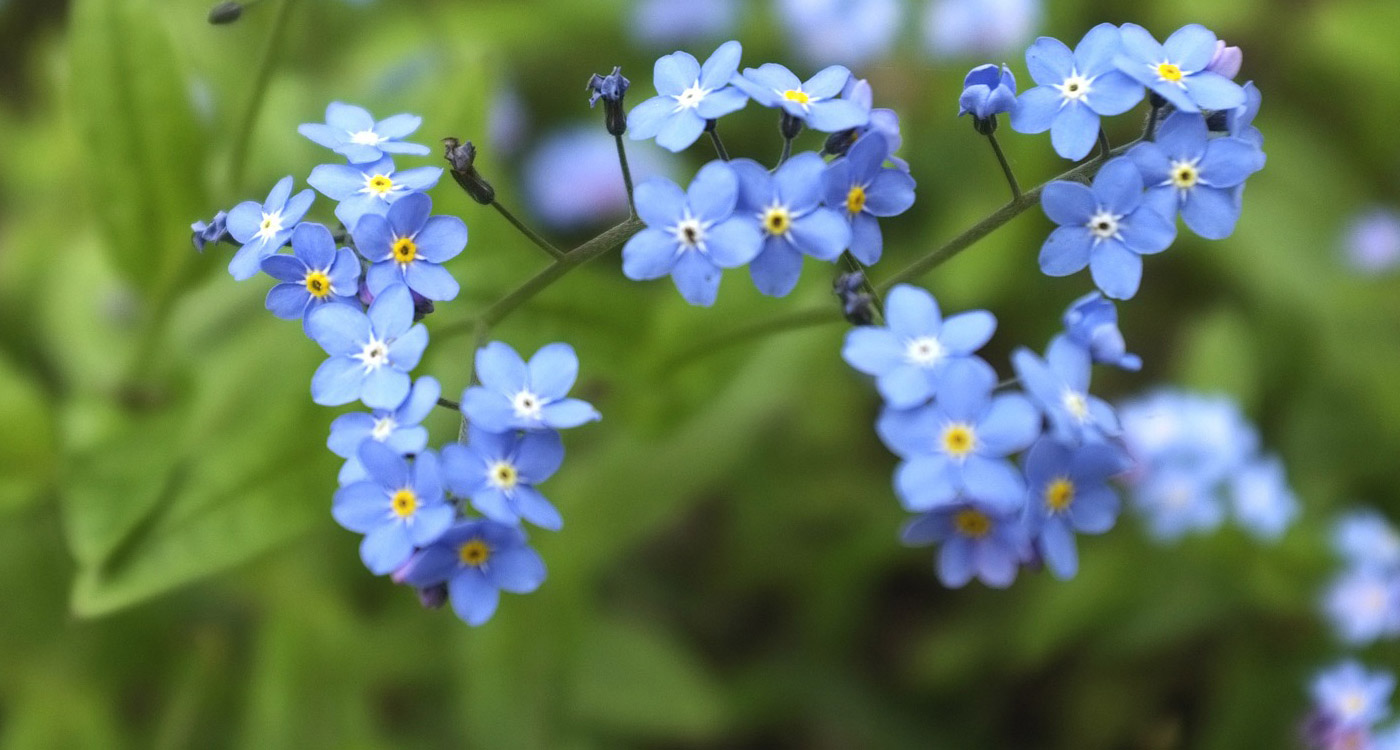
- Capture the Beauty: From the tiny [Forget-Me-Not] to the immense glaciers, [Alaska] offers endless photographic opportunities. Take time to truly see and appreciate the details, creating lasting memories.
- Sustainable Tourism: Practice Leave No Trace principles, support local businesses, and be respectful of the environment and wildlife. Your choices contribute to preserving [Alaska]’s pristine beauty for future generations.
In conclusion, the [Forget-Me-Not], [Alaska]’s unassuming yet potent state flower, serves as a beautiful entry point into understanding the soul of this extraordinary destination. It reminds us that even in the most rugged and grand landscapes, delicate beauty and profound symbolism flourish. Planning a trip to [Alaska] allows travelers to not only witness the majesty of its [landscapes] and abundant wildlife but also to delve into its rich culture and experience a unique way of life. Whether your journey involves luxury [resorts] in [Anchorage], adventurous [bush plane] trips into remote [national parks], or quiet moments spotting [Forget-Me-Nots] along a wilderness trail, [Alaska] promises an unforgettable experience, leaving you with memories that, much like its state flower, you’ll never want to forget.