
Alaska, often referred to as the Last Frontier, evokes images of towering glaciers, majestic wildlife, and vast, untouched wilderness. It’s a land of extremes and unparalleled natural beauty, where rugged landscapes meet serene tranquility. While many associate Alaska with bears, eagles, and dramatic mountain ranges like those surrounding Mount Denali, the state’s delicate floral kingdom often goes unsung. Yet, within its diverse ecosystems, from coastal rainforests to arctic tundras, a tiny, vibrant bloom holds a special place in the hearts of Alaskans and symbolizes the enduring spirit of this remarkable state. For travelers seeking to connect with the very essence of Alaska, understanding its state flower is more than just a botanical fact – it’s an invitation to delve deeper into its history, culture, and breathtaking natural wonders. This article will unveil Alaska’s iconic floral emblem and guide you through how to experience its beauty and the broader botanical tapestry of this extraordinary destination.
The Iconic State Flower of Alaska
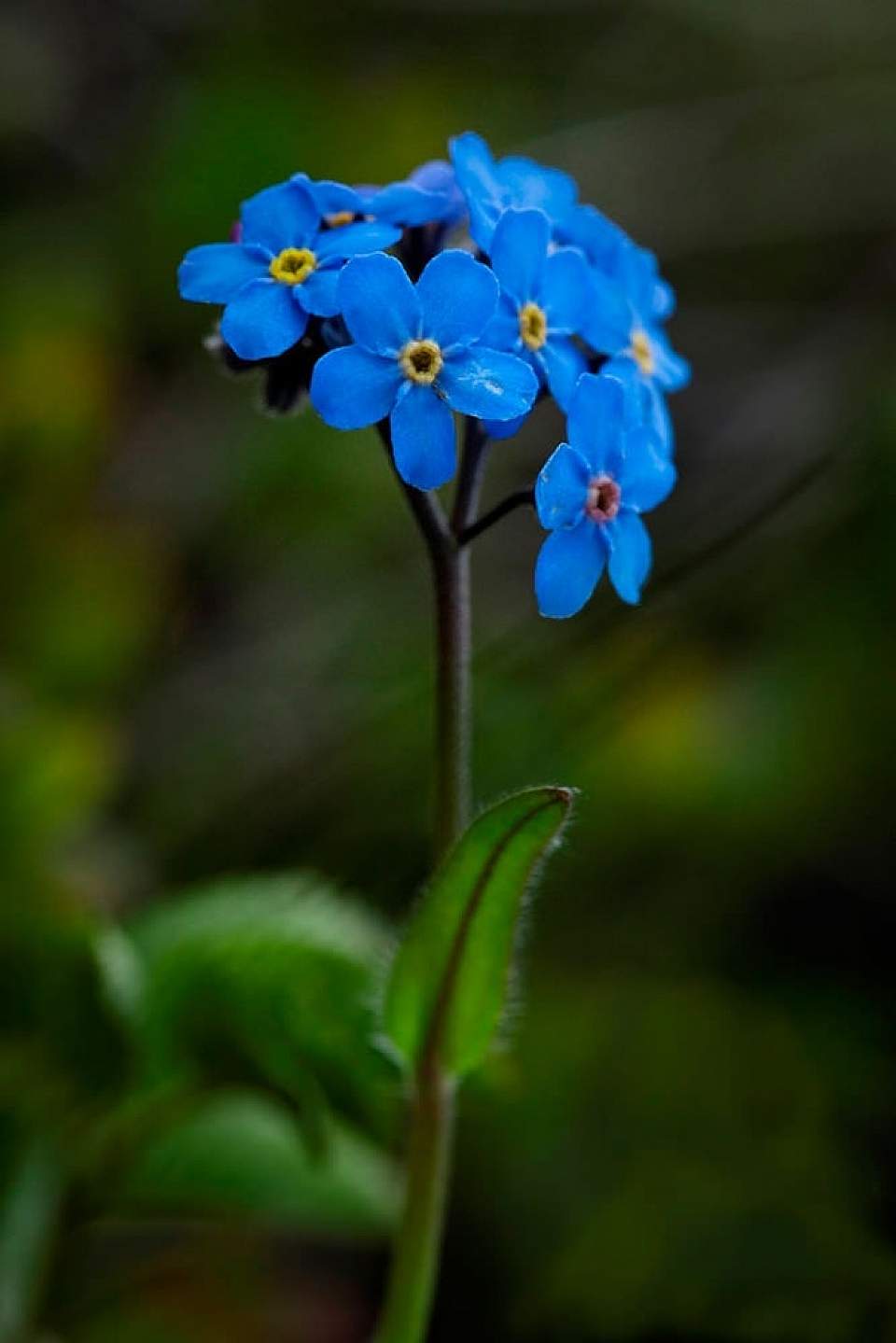
Among the myriad wildflowers that carpet Alaska‘s landscapes during its brief but brilliant summers, one flower stands out as the official emblem: the Alpine Forget-Me-Not, scientifically known as Myosotis alpestris. This petite, sky-blue bloom is far more than just a pretty face; it’s a poignant symbol woven into the very fabric of Alaskan identity, representing remembrance, enduring love, and the challenges faced by those who have carved a life out of this wild land. Its delicate appearance belies a hardy nature, mirroring the resilience and perseverance often associated with the people and spirit of the Last Frontier.
A Symbol of Remembrance and Natural Beauty
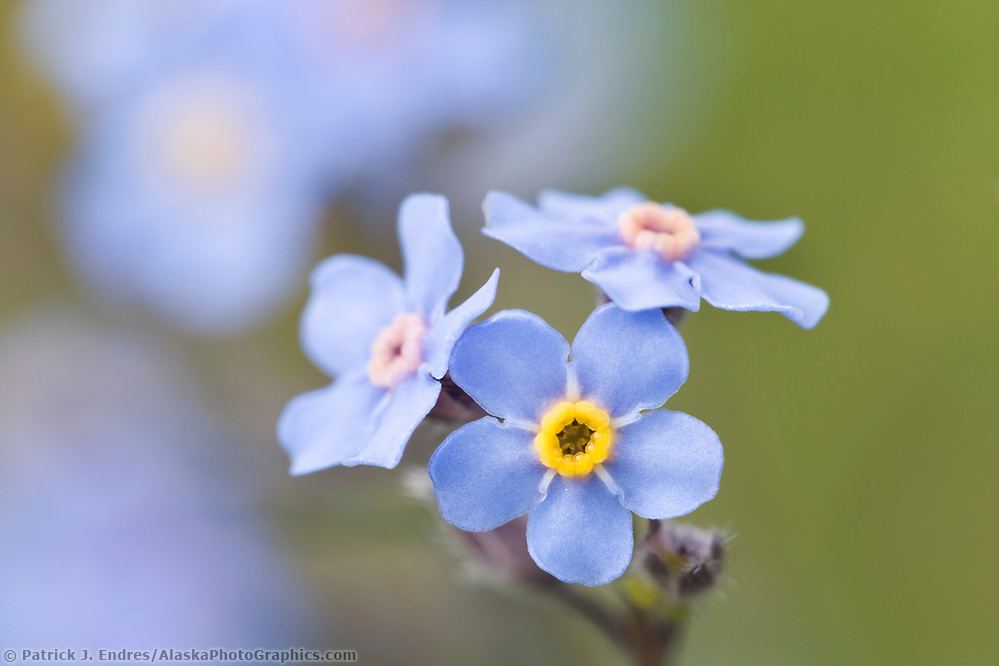
The Alpine Forget-Me-Not, with its distinctive five petals forming a perfect circle and a bright yellow or white eye at its center, is instantly recognizable. Its name itself, “forget-me-not,” carries a powerful message. In folklore across many cultures, these flowers are traditionally associated with remembrance and enduring affection, a sentiment that resonated deeply with the early pioneers, miners, and explorers who flocked to Alaska. For those venturing into the remote and often dangerous wilderness, leaving loved ones behind, the image of the Forget-Me-Not served as a comforting reminder of home and a promise of reunion.
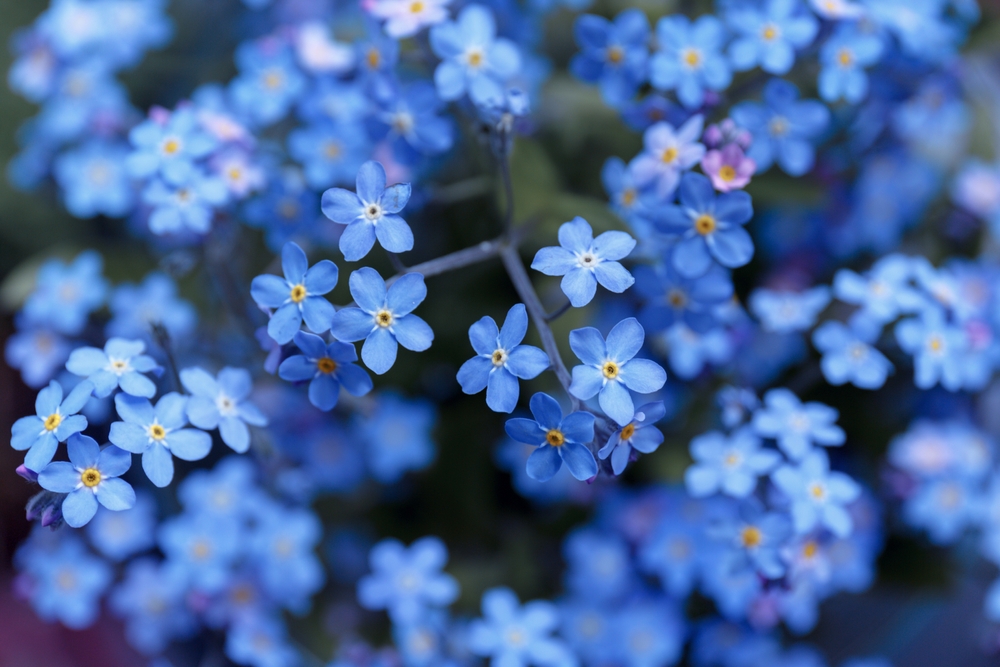
Beyond its symbolism, the Alpine Forget-Me-Not is a flower of remarkable natural beauty. It typically grows quite low to the ground, often forming vibrant carpets of blue in alpine meadows, along stream banks, and in open woodlands. The intense blue hue of its petals seems to capture the very essence of Alaska’s vast blue skies and pristine waters. Its presence is a testament to the unexpected fragility and delicate charm that thrive amidst the rugged grandeur of the Alaskan wilderness, offering a striking contrast to the dramatic glaciers and imposing mountains.
How the Forget-Me-Not Became Alaska’s Emblem
The journey of the Forget-Me-Not to becoming Alaska’s state flower is rooted in sentiment and popular appeal. In 1917, during the territorial days of Alaska (before it became a state in 1959), the Alaska Pioneers’ Home in Sitka held a vote to select a territorial flower. The Forget-Me-Not emerged as the overwhelming favorite, capturing the hearts of residents with its evocative name and delicate beauty. This choice was formalized on April 28, 1917, through an act of the territorial legislature.
The selection of the Forget-Me-Not was deeply meaningful for several reasons. It was seen as a tribute to the pioneers of Alaska, many of whom arrived during the challenging Alaska Gold Rush era, enduring harsh conditions and often leaving their families for extended periods. The flower became a poignant reminder of their sacrifices, their dreams, and the loved ones they longed to see again. Its hardy nature, thriving in the short, intense Alaskan summer, also mirrored the resilience of the settlers themselves. When Alaska achieved statehood in 1959, the Forget-Me-Not was officially reaffirmed as its state flower, solidifying its place as an enduring symbol of the 49th state and its independent spirit.
Exploring Alaska’s Floral Wonders and Natural Landscapes
While the Forget-Me-Not holds the esteemed title, it is merely one star in the spectacular constellation of wildflowers that adorn the vast and varied landscapes of Alaska. The state’s unique geography, ranging from the maritime influence of the Pacific Ocean to the subarctic and arctic zones bordering the Arctic Ocean and Canada, creates a tapestry of ecosystems, each hosting its own fascinating array of flora. For travelers passionate about nature and botany, a trip to Alaska during the summer months offers an unparalleled opportunity to witness these natural fireworks displays.
Best Seasons for Wildflower Viewing
The short but intense Alaskan summer is when the state truly bursts into color. The long daylight hours, often extending past 20 hours in parts of the state, provide ample energy for rapid growth and blooming. Generally, the prime time for wildflower viewing is from late May through August.
- Late May to June: This period sees the first flush of blooms, particularly in the lower elevations and south-central Alaska. Early wildflowers like Pasqueflowers and some varieties of Lupine begin to emerge. This is an excellent time to witness the landscape awakening from its winter slumber.
- July: This is arguably the peak month for wildflowers across much of Alaska. The iconic Forget-Me-Nots are abundant, alongside vast fields of Fireweed, which paints hillsides in vibrant shades of pink and purple. Many other species, including various berries, are also in full bloom.
- August: While some blooms begin to fade, August offers its own unique charm. Late-season wildflowers still provide color, and the landscape starts to shift towards the fiery reds, oranges, and yellows of autumn foliage, especially towards the end of the month. This is also a fantastic time for berry picking, including blueberries and cranberries.
When planning your visit, consider the specific region you intend to explore, as bloom times can vary based on latitude and elevation.
Prime Locations for Nature Enthusiasts
To truly immerse yourself in Alaska’s floral beauty, several destinations stand out as prime viewing locations, offering not only wildflowers but also incredible scenic backdrops and wildlife viewing opportunities.
- Denali National Park and Preserve: Home to Mount Denali, North America’s highest peak, this park is a haven for arctic and subarctic wildflowers. The tundra landscapes explode with color in July, featuring forget-me-nots, arctic poppies, lupine, and dwarf fireweed. Hiking along trails like the Savage River Loop or taking a bus tour deeper into the park offers fantastic opportunities for close-up views.
- Chugach State Park (near Anchorage): Just minutes from Anchorage, this vast park offers accessible trails that become wildflower hotspots in summer. Popular routes like the Flattop Mountain Trail or trails in the Eagle River Nature Center area provide stunning floral displays against dramatic mountain backdrops, often featuring forget-me-nots, wild geraniums, and various berry bushes.
- Kenai Fjords National Park: While famous for its glaciers and marine wildlife, the land-based areas, particularly around Exit Glacier near Seward, showcase beautiful wildflowers in meadows and along hiking paths. The maritime influence here supports different species, adding to the diversity.
- Fairbanks and Interior Alaska: The interior region, with its warmer summers, also offers rich wildflower displays. Areas around the University of Alaska Fairbanks and various nature trails provide opportunities to see species adapted to the boreal forest environment, including the iconic Fireweed in spectacular abundance.
- Juneau and Southeast Alaska: The temperate rainforest climate of the panhandle fosters lush vegetation. Trails around Mendenhall Glacier and along the numerous hiking paths in the Tongass National Forest are rich with flora, including mosses, ferns, and wildflowers like chocolate lilies and various orchids.
Beyond the Forget-Me-Not: Other Alaskan Blooms
While the Forget-Me-Not holds symbolic pride, Alaska’s natural tapestry is rich with other captivating wildflowers.
- Fireweed (Chamerion angustifolium): Perhaps the most iconic Alaskan wildflower after the Forget-Me-Not, Fireweed blankets vast areas in brilliant magenta-pink during July and August. Its tall, stately stalks are a quintessential summer sight, often signaling the end of summer when its highest blooms fade.
- Lupine (Lupinus spp.): These stately plants, often purple or blue, create stunning vertical accents in meadows and along roadsides. Several species thrive in Alaska, adding vibrant color and structure to the landscape.
- Arctic Poppy (Papaver radicatum): A true survivor, this delicate yellow or white flower can be found in the harshest arctic and alpine environments, showcasing life’s tenacity.
- Wild Iris (Iris setosa): With its striking purple-blue flowers, the Wild Iris adds an elegant touch to damp meadows and coastal areas.
- Chocolate Lily (Fritillaria camschatcensis): A unique bloom with dark, bell-shaped flowers that emit a faint chocolatey scent, found primarily in coastal regions.
- Pasqueflower (Pulsatilla patens): One of the earliest spring flowers, its fuzzy purple blooms herald the arrival of warmer weather, often emerging even before the snow completely melts.
Exploring these diverse floral displays is not just a visual treat; it’s an opportunity to connect with the raw, untamed spirit of Alaska and appreciate the intricate balance of nature.
Planning Your Alaskan Adventure: Travel, Stays, and Experiences
An exploration of Alaska’s state flower naturally leads to the broader conversation of visiting this incredible destination. Alaska offers a plethora of experiences for every type of traveler, from rugged adventurers to those seeking luxury and relaxation. Understanding the logistics of travel, accommodation, and key attractions is crucial for a memorable trip to the Last Frontier.
Essential Travel Tips for Alaska
- Best Time to Visit: While wildflowers peak in summer (June-August), this is also the busiest tourist season. Consider shoulder seasons (late May or early September) for fewer crowds, lower prices, and unique experiences like spring blooms or early fall foliage. Winter offers aurora borealis viewing and snow sports.
- Transportation: Alaska is vast. Cruising the Inside Passage is popular for coastal towns and glacier viewing. For interior exploration, renting a car offers flexibility, especially for accessing national parks and trailheads. Small planes and the Alaska Marine Highway System (ferry) are essential for reaching remote communities.
- Packing: Layering is key, regardless of the season. Even in summer, evenings can be cool, and weather can change rapidly. Waterproof outerwear, sturdy hiking boots, insect repellent, and sun protection are must-haves. Don’t forget binoculars for wildlife viewing and a good camera.
- Wildlife Awareness: Be “bear aware” and follow guidelines for storing food and behaving in the wilderness. Maintain a safe distance from all wildlife.
- Book in Advance: Especially during peak summer, popular accommodations, tours, and transportation options fill up quickly. Booking well in advance is highly recommended.
Accommodations to Enhance Your Stay
Alaska offers a wide range of accommodation options to suit every preference and budget, from rustic wilderness lodges to luxurious resorts and hotels in its major cities.
- Hotels & Resorts: In cities like Anchorage, Fairbanks, and Juneau, you’ll find everything from budget-friendly options to upscale suites with modern amenities. Many offer stunning views and convenient access to local attractions. For example, the Hotel Captain Cook in Anchorage provides luxury and history.
- Wilderness Lodges: For an immersive experience, consider a stay at a remote wilderness lodge, often accessible only by plane or boat. These lodges typically offer all-inclusive packages with guided activities, providing unparalleled access to Alaska’s pristine nature, perfect for wildlife viewing or fishing.
- Bed & Breakfasts/Cabins: These offer a more intimate and local experience, especially in smaller towns. Many cabins provide a rustic yet comfortable base for exploring the surrounding wilderness.
- Apartments & Villas: For longer stays or family trips, renting an apartment or a villa can offer more space, privacy, and kitchen facilities, ideal for a “home away from home” experience.
- Camping: For the truly adventurous and budget-conscious, Alaska boasts numerous campgrounds in state and national parks, offering a direct connection to nature under the midnight sun.
Regardless of your choice, be sure to check reviews and compare options to find the perfect base for your Alaskan adventures, whether you’re prioritizing luxury travel or budget travel.
Must-See Landmarks and Activities
Beyond the beautiful wildflowers, Alaska is replete with landmarks and activities that promise unforgettable experiences.
- Denali National Park and Preserve: Essential for its wildlife (grizzly bears, moose, caribou, wolves) and the awe-inspiring presence of Mount Denali.
- Glacier Viewing: Witness colossal glaciers up close on a boat tour through Kenai Fjords National Park or by visiting accessible glaciers like Mendenhall Glacier near Juneau.
- Wildlife Tours: Go whale watching in Seward or Homer, bear viewing at Brooks Falls in Katmai National Park, or birdwatching in coastal refuges.
- Dog Sledding: Experience Alaska’s state sport, even in summer, with land-based tours or glacier landings.
- Fishing: Alaska is a world-renowned destination for salmon and halibut fishing.
- Flightseeing: Gain a unique perspective of Alaska’s vastness and remote beauty with a scenic flight over mountains, glaciers, and national parks.
- Cultural Exploration: Visit museums and cultural centers in Anchorage and Fairbanks to learn about indigenous Alaskan cultures and the state’s rich history.
- Juneau: The capital city, accessible only by air or sea, offers a unique blend of urban amenities and wilderness access, with the Mendenhall Glacier and various hiking trails just outside the city.
Embracing the breadth of Alaska’s offerings, from its delicate wildflowers to its grand landscapes and vibrant cities, creates a travel experience that truly captures the spirit of the Last Frontier.
Embracing the Spirit of the Last Frontier
The question, “What is the flower of Alaska?”, might seem simple, but its answer — the humble yet resilient Forget-Me-Not — unlocks a deeper appreciation for this extraordinary state. This little blue bloom perfectly encapsulates the essence of Alaska: a land where beauty thrives amidst adversity, where cherished memories are made, and where a spirit of enduring connection binds its people to its magnificent wilderness.
From the pioneering individuals who adopted it as a symbol of remembrance and hope, to the modern-day travelers who marvel at its vibrant displays across alpine meadows, the Forget-Me-Not continues to be a profound emblem. It serves as a gentle reminder that even in the vastness of the Last Frontier, it’s often the small, delicate details that leave the most lasting impressions.
Whether you’re drawn to Alaska for its monumental glaciers, its abundant wildlife, its challenging hiking trails, or its serene wilderness lodges, take a moment to seek out the Forget-Me-Not. Let its vivid blue hue connect you to the history, the resilience, and the unforgettable beauty that define the 49th state. A trip to Alaska is more than just a vacation; it’s an experience that stays with you, fostering memories that, much like the state flower, you will never forget.
LifeOutOfTheBox is a participant in the Amazon Services LLC Associates Program, an affiliate advertising program designed to provide a means for sites to earn advertising fees by advertising and linking to Amazon.com. Amazon, the Amazon logo, AmazonSupply, and the AmazonSupply logo are trademarks of Amazon.com, Inc. or its affiliates. As an Amazon Associate we earn affiliate commissions from qualifying purchases.