
The vast and diverse landscapes of the United States are adorned with a rich tapestry of natural beauty, and each state proudly claims symbols that represent its unique character and heritage. Among these symbols, state flowers hold a special place, often reflecting the flora that thrives within its borders or carrying historical significance. For Idaho, a state renowned for its stunning mountains, pristine rivers, and agricultural bounty, its official state flower is a delicate yet enduring bloom that perfectly encapsulates its spirit: the Syringa (Philadelphus lewisii).
This article delves into the identity of Idaho‘s state flower, exploring its botanical features, its historical designation, and the reasons why it was chosen to represent the Gem State. We will also touch upon where one might encounter this beautiful flower and how it fits into the broader context of Idaho‘s natural attractions, offering insights relevant to travelers, nature enthusiasts, and those interested in the unique cultural markers of American states.
The Elegant Idaho State Flower: The Syringa
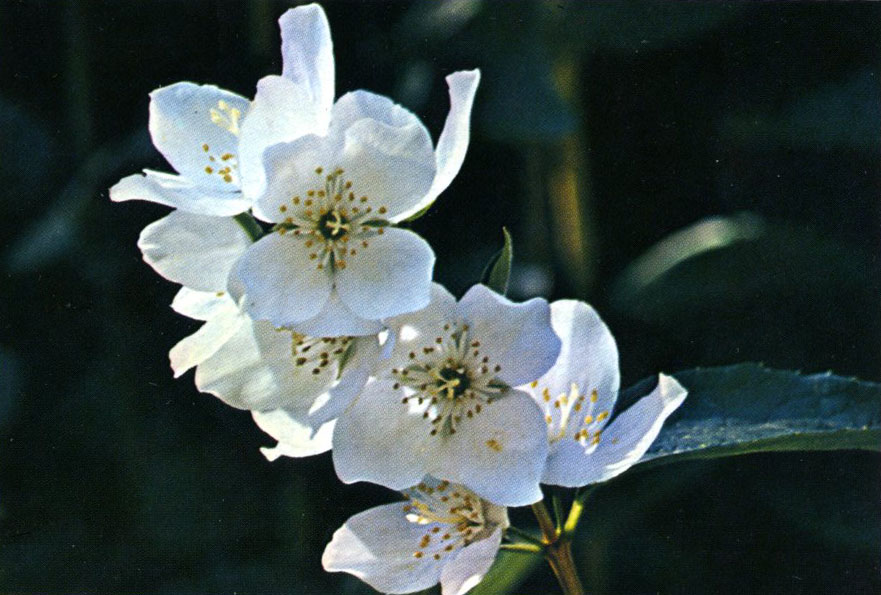
The Syringa, commonly known as the Mock Orange or Lewis’s Syringa, is a deciduous shrub that graces the landscapes of the Pacific Northwest, including Idaho. Its scientific name, Philadelphus lewisii, honors Meriwether Lewis, the co-leader of the famous Lewis and Clark Expedition, who documented its presence during their journey. This connection to historical exploration adds another layer of significance to its status as Idaho‘s state flower.
Botanical Characteristics and Appeal
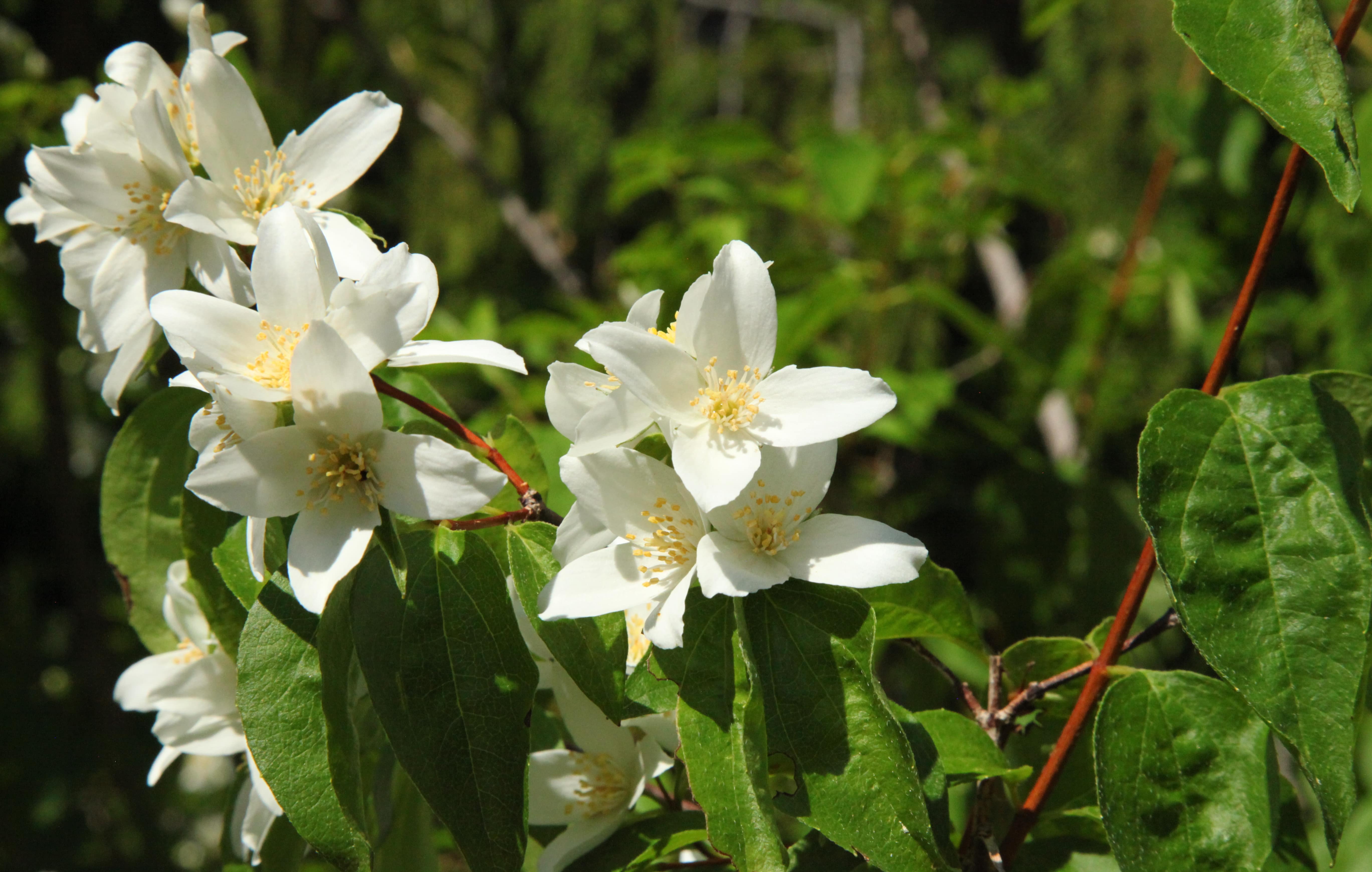
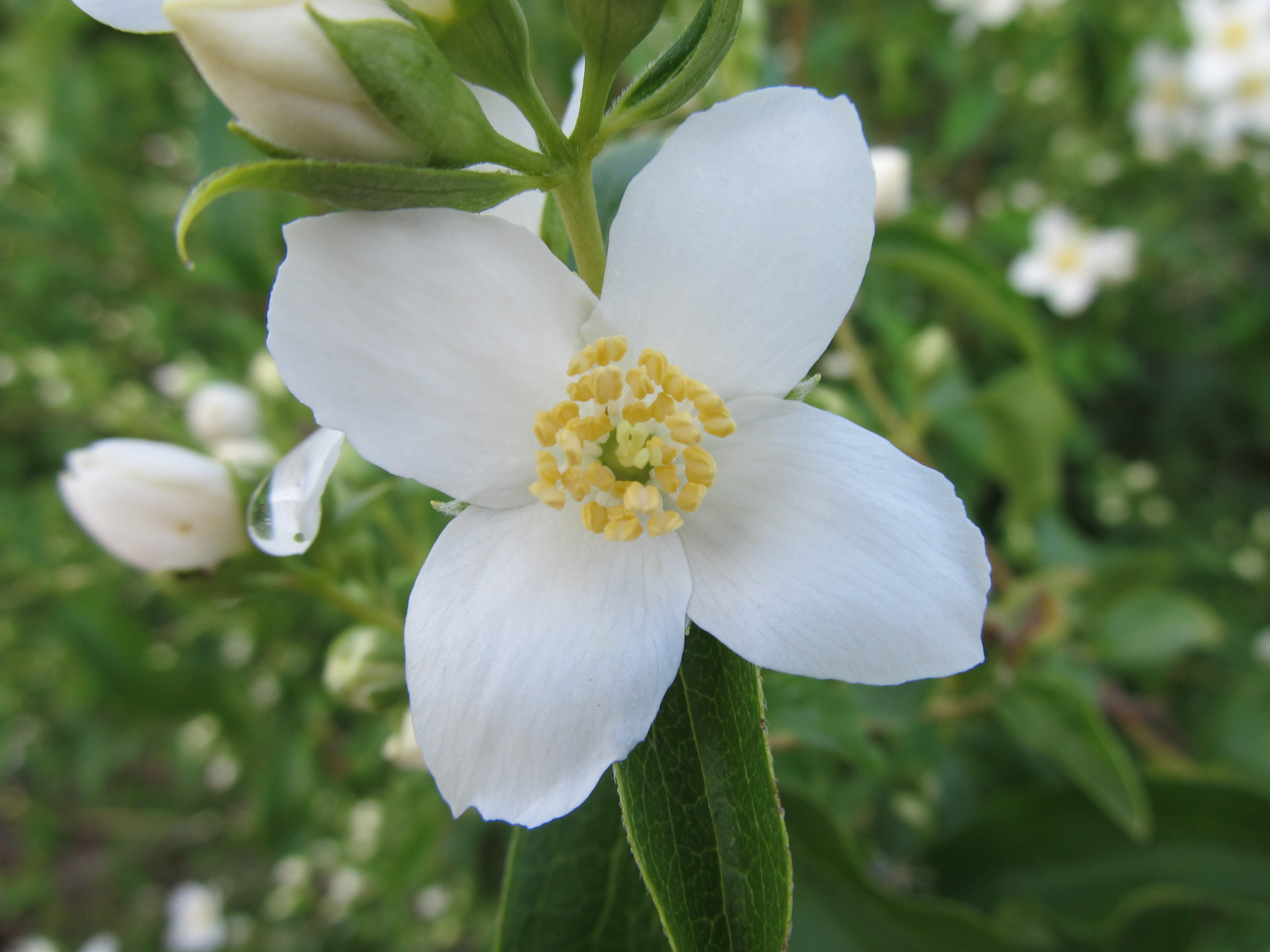
The Syringa is celebrated for its profuse and fragrant white blossoms that typically appear in late spring to early summer. Each flower is composed of four petals, often with a delicate, creamy hue, and emits a sweet, citrus-like fragrance, reminiscent of oranges, hence its common name. The shrub itself can grow to impressive heights, often reaching between 6 to 10 feet, with arching branches that create an elegant display. Its leaves are ovate to elliptical, a vibrant green during the growing season, and turn a pleasing yellow in the autumn, providing seasonal interest.
The beauty of the Syringa lies not only in its visual appeal but also in its resilience. It thrives in a variety of conditions, from full sun to partial shade, and is well-suited to the diverse climates found across Idaho. This adaptability makes it a ubiquitous presence in many natural settings, from mountainsides to riverbanks. The pure white of its petals stands out vividly against the green foliage, creating a breathtaking spectacle when the plant is in full bloom. This combination of aesthetic charm and hardy nature makes the Syringa a fitting emblem for a state like Idaho, known for its rugged beauty and enduring spirit.
Historical Designation and Significance
The journey of the Syringa to becoming Idaho‘s state flower was a process that involved public sentiment and legislative action. While the plant was known and admired for its beauty for many years, its official designation came about through the efforts of various individuals and groups who recognized its suitability.
In the early 20th century, there was a growing movement across the United States to adopt state flowers, symbolizing regional identity and natural heritage. Idaho was no exception. Various flowers were considered, but the Syringa emerged as a strong contender due to its widespread presence, its attractive blooms, and its historical connection to the Lewis and Clark Expedition.
The Syringa was officially designated as the state flower of Idaho in 1931. This legislative act solidified its place as a proud symbol of the Gem State. The choice reflects a deep appreciation for the natural environment and a desire to honor the flora that contributes to the state’s picturesque scenery. It’s a testament to the enduring appeal of wildflowers and their ability to capture the essence of a place.
Experiencing the Syringa in Idaho
For visitors to Idaho, encountering the state flower is an opportunity to connect with the natural beauty that defines the region. The Syringa is not confined to specific botanical gardens but can be found in various natural settings, making its discovery a delightful part of any Idaho adventure.
Natural Habitats and Viewing Opportunities
The Syringa shrub flourishes in a variety of Idaho‘s ecosystems. It is commonly found in the mountainous regions, along streambeds, and in open woodlands. During the late spring and early summer, from May through July, the Syringa bursts into bloom, painting hillsides and valleys with its fragrant white flowers.
Travelers exploring Idaho‘s national forests, such as the Sawtooth National Forest or the Boise National Forest, may stumble upon clusters of these beautiful shrubs. Hiking trails often wind through areas where the Syringa thrives, offering a chance to admire its beauty up close. The Clearwater River region and the central mountain ranges are particularly known for their abundance of Syringa.
For those planning a trip to Idaho specifically to witness the bloom, late spring and early summer are the ideal times to visit. It’s advisable to check local park services or tourism websites for the most up-to-date information on blooming periods, as these can vary slightly depending on the specific microclimate and annual weather patterns.
Connecting with Idaho’s Natural Wonders
The presence of the Syringa is interwoven with Idaho‘s broader natural appeal. It serves as a beautiful introduction to the state’s rich biodiversity and stunning landscapes, which attract millions of visitors each year. From the majestic peaks of the Rocky Mountains to the serene beauty of its numerous lakes and rivers, Idaho offers a plethora of natural attractions.
When you see the Syringa, it’s a reminder of the wild beauty that awaits exploration. It complements the experience of visiting landmarks like Shoshone Falls, often called the “Niagara of the West,” or exploring the unique geological formations of Craters of the Moon National Monument. The flower’s fragrance can add an olfactory dimension to the visual splendor of places like Stanley or the Salmon River.
For those seeking accommodations, the availability of lodges and cabins nestled within natural settings often means you can experience the Syringa right outside your door. Many hotels and resorts in Idaho are situated in areas where these shrubs are prevalent, enhancing the overall travel experience. Whether you’re on a budget travel excursion or seeking a luxury travel escape, Idaho‘s natural environment, highlighted by its state flower, offers a memorable experience.
The Syringa is more than just a flower; it is a symbol of Idaho‘s identity, a nod to its history, and a beautiful invitation to explore its natural wonders. Its delicate beauty and resilient nature mirror the very spirit of the Gem State, making it a truly fitting emblem for Idaho.