
When planning a trip or considering a move to the Lone Star State, one of the most significant financial considerations is taxation. Texas stands out in this regard due to a key characteristic: it does not levy a state income tax on individuals. This absence of personal income tax is a major draw for residents and visitors alike, influencing lifestyle choices, travel budgets, and overall cost of living. Understanding this tax landscape is crucial for anyone exploring Texas for leisure, business, or permanent relocation.
While the absence of a state income tax is a headline feature, it’s important to recognize that Texas finances its public services through other avenues. These include robust property taxes, sales taxes, and a variety of business taxes. For travelers, this means that while your direct income won’t be taxed by the state, the cost of goods and services will reflect these other revenue streams. For those considering long-term stays or even a permanent move, understanding how these taxes impact your overall financial picture is essential. This article will delve into the specifics of Texas‘s tax system, focusing on the implications for individuals and how it shapes the state’s attractive appeal for tourism and lifestyle.
The Absence of State Income Tax: A Texas Hallmark
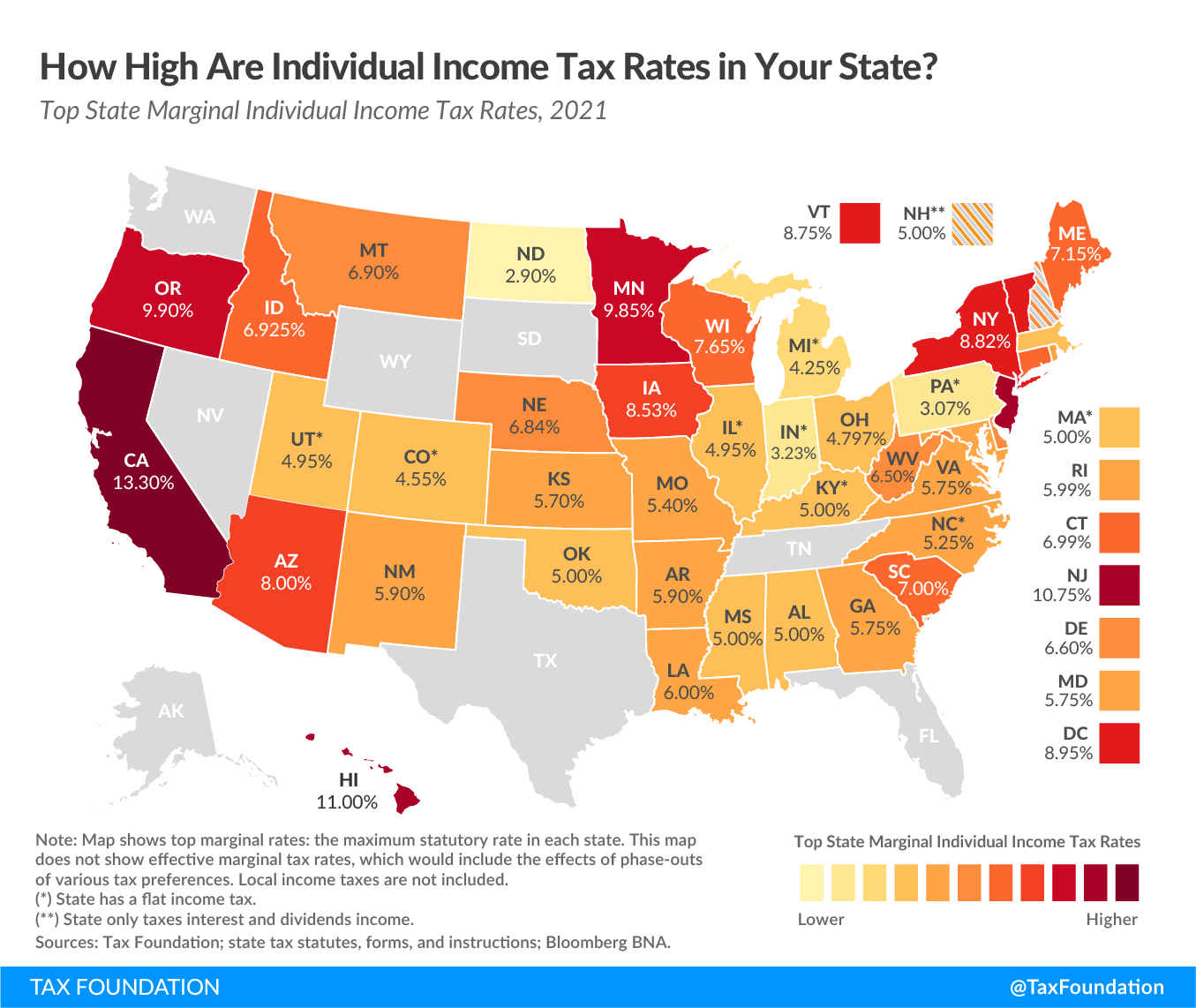
The most defining aspect of Texas‘s tax policy is its prohibition of a state-level individual income tax. This is a deliberate choice enshrined in the state’s constitution. Unlike many other states in the United States, Texas does not require residents or visitors to pay a percentage of their earnings to the state government. This fundamental difference has profound implications for personal finance and the state’s economic attractiveness.
How Texas Funds Public Services Without Income Tax
If Texas doesn’t collect income tax, how does it fund essential public services like education, infrastructure, and law enforcement? The answer lies in a diversified revenue stream that relies heavily on consumption and property ownership.
Sales Tax: A Cornerstone of Revenue
Texas levies a state sales tax on most goods and many services. This tax is collected at the point of sale and forms a significant portion of the state’s revenue. Local governments also have the authority to impose their own sales taxes, leading to varying total sales tax rates across different cities and counties. For instance, shopping in Dallas might have a slightly different sales tax rate than in Houston.
- State Sales Tax Rate: The current state sales tax rate in Texas is 6.25%.
- Local Sales Tax: Cities, counties, and special districts can add their own sales taxes, up to a maximum combined rate. This means the total sales tax you pay can range from 7.25% to 8.25% in most areas.
- Impact on Travelers: When you’re on vacation in Texas, whether you’re staying at a luxurious resort like the Four Seasons Resort and Club Dallas at Las Colinas or enjoying a casual meal in a local eatery, the sales tax will be factored into your purchases. This is a direct cost of enjoying the state’s offerings.
- Exemptions: Certain necessities, like most groceries and prescription drugs, are typically exempt from state sales tax.
Property Tax: A Significant Burden for Homeowners
While individuals don’t pay income tax, homeowners in Texas often face substantial property taxes. These taxes are levied by local governments (counties, cities, and school districts) based on the assessed value of real estate. Texas is known for having some of the highest property tax rates in the United States.
- Assessment: Property taxes are calculated based on the appraised value of your home or property.
- Tax Rates: The rates vary significantly by location. A homeowner in a well-funded school district might pay a higher property tax rate than someone in a less affluent area.
- Impact on Long-Term Stays and Residency: For those considering long-term accommodation or buying property in Texas, property taxes are a crucial financial consideration. This can influence decisions about where to live, whether to rent or buy, and the overall affordability of a lifestyle. Even short-term visitors staying in vacation apartments or villas will indirectly contribute to property taxes through their rental costs, as property owners factor these expenses into their pricing.
Business Taxes: Fueling the State’s Economy
Texas also relies on taxes levied on businesses. The most prominent of these is the franchise tax, often referred to as the “margins tax.” This tax is paid by businesses operating in Texas and is based on their gross receipts or taxable margin, whichever is less.
- Franchise Tax: This tax applies to corporations, limited liability companies (LLCs), partnerships, and other business entities.
- Other Business Taxes: Texas also collects taxes on natural resources, insurance premiums, and utility services.
- Indirect Impact: While not directly paid by individuals, these business taxes can indirectly affect consumers through the pricing of goods and services. A thriving business environment, supported by these tax revenues, contributes to the state’s overall appeal for tourism and business travel, from major convention centers in Austin to bustling commercial hubs in Fort Worth.
Financial Implications for Travelers and Residents
The unique tax structure of Texas has tangible effects on both short-term visitors and those who choose to reside in the state. Understanding these implications can help in budgeting and making informed financial decisions.
Budgeting for a Texas Getaway
For tourists, the absence of state income tax translates into more disposable income for experiences and leisure activities. However, it’s important to remember that sales taxes will apply to most purchases.
- Accommodation: Hotel stays, whether in a boutique hotel in San Antonio or a large resort near the Texas Hill Country, will be subject to state and local sales taxes. For example, booking a suite at the The St. Regis Houston will include these taxes in the final bill.
- Dining and Entertainment: Restaurants, attractions like the Space Center Houston, and souvenir shops will all have sales tax added to their prices.
- Transportation: Car rentals and fuel purchases are also subject to sales tax.
- Overall Cost of Travel: While you save on income tax, the cost of goods and services, influenced by sales and property taxes, needs to be factored into your travel budget. This makes Texas potentially more attractive for budget travelers who might prioritize saving on daily expenses over income tax deductions.
Lifestyle and Cost of Living Considerations
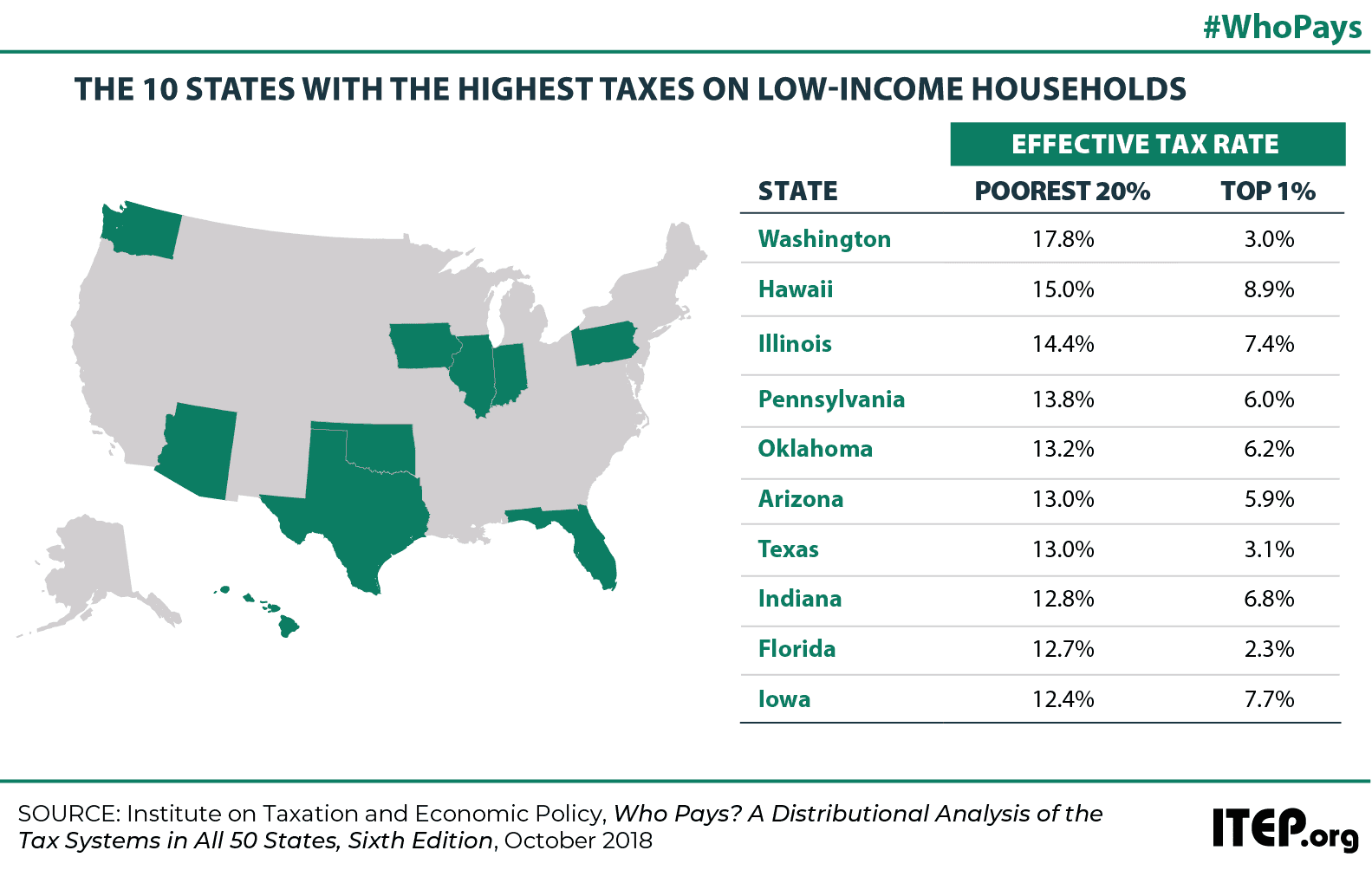
For individuals contemplating a move to Texas, the tax situation presents a mixed bag. The absence of state income tax is a significant financial incentive, but it’s balanced by the potentially high property tax burden and sales tax.
- Retirees: Many retirees are drawn to Texas due to the lack of income tax, which can mean a larger portion of their retirement income remains untaxed. This can make states like Florida and Texas popular choices for those seeking tax-friendly retirement destinations.
- High-Income Earners: Individuals with substantial incomes often find Texas particularly appealing. Without state income tax, their take-home pay can be significantly higher compared to states with progressive income tax systems. This can influence decisions about where to establish residency, potentially impacting luxury travel and lifestyle choices.
- Homeownership Costs: The high property taxes are a critical factor for potential homeowners. The annual cost of owning a home can be substantial, and this needs to be carefully calculated alongside mortgage payments. This might encourage longer-term rentals or exploring more affordable housing markets within Texas.
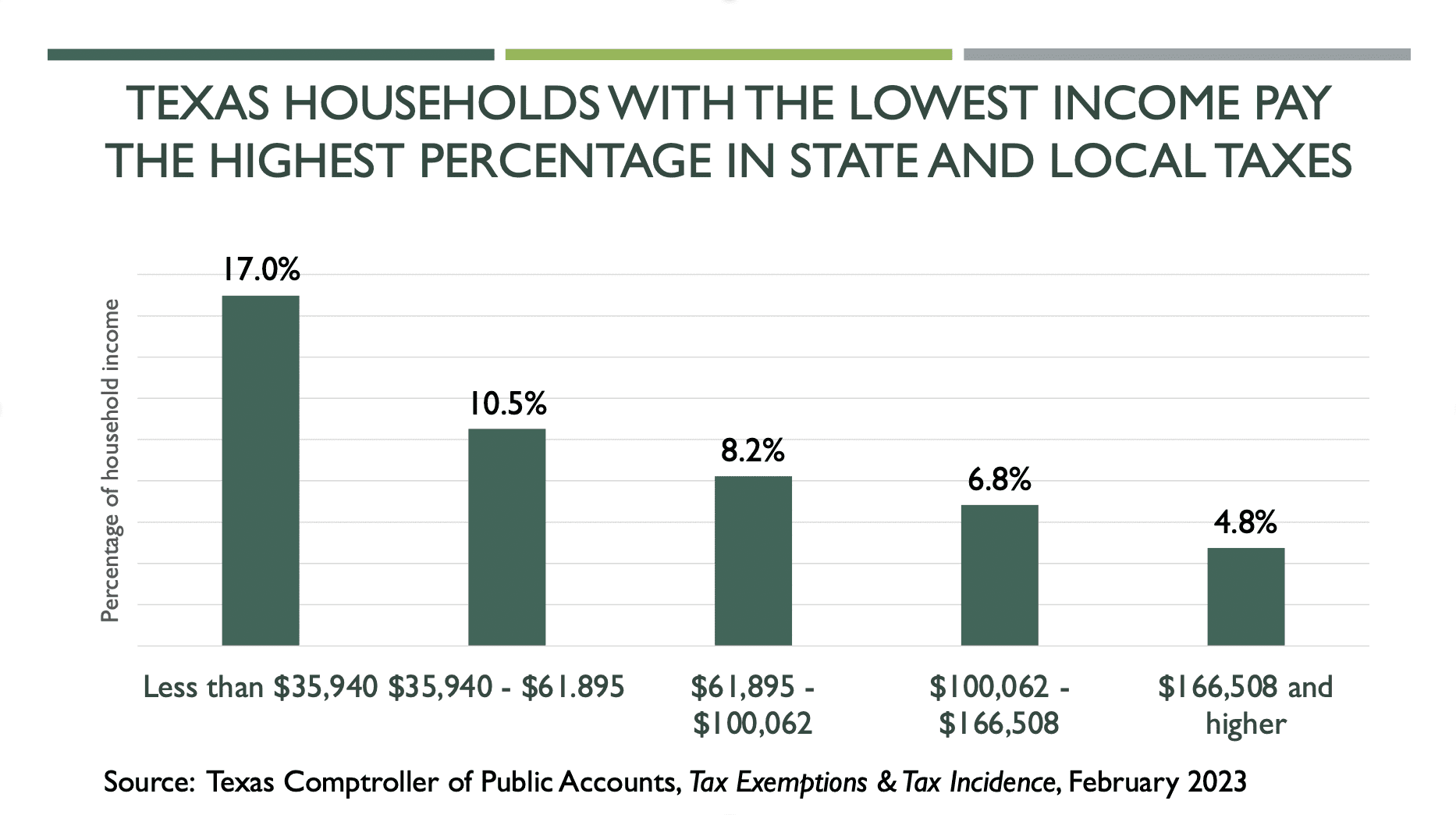
- Sales Tax Impact on Daily Spending: For those who spend a significant portion of their income on goods and services, the cumulative effect of sales taxes can be noticeable. This is particularly true for frequent shoppers or those who enjoy dining out often.
Exploring Texas: Tax Implications for Different Travel Styles
Texas offers a diverse range of experiences, from the vibrant city life of Austin to the historical charm of Galveston. The state’s tax system plays a role in shaping the affordability and attractiveness of these destinations and the activities they offer.
Urban Adventures and Cultural Tourism
Major cities like Dallas, Houston, and Austin are hubs for culture, dining, and entertainment. Visitors can explore world-class museums, enjoy diverse culinary scenes, and experience live music.
- Attractions: Entrance fees to attractions such as the Dallas Museum of Art or the Alamo in San Antonio will be subject to sales tax if purchased as part of a package or service.
- Dining: Experiencing the diverse food scene, from barbecue joints to upscale restaurants, means factoring in sales tax on every meal.
- Shopping: Texas is a shopper’s paradise, with everything from luxury boutiques in Houston to sprawling outlet malls. Sales tax will be applied to all purchases.
Natural Wonders and Outdoor Experiences
Texas boasts a wide array of natural landscapes, from the Big Bend National Park to the beaches of the Gulf Coast.
- National and State Parks: While entrance fees to many national and state parks might not always be taxed directly as a service, any associated purchases, like souvenirs or guided tours, will likely incur sales tax.
- Outdoor Gear: If you’re purchasing equipment for hiking, camping, or water sports, remember that sales tax will be added to your purchase.
Business Travel and Long-Term Stays
For business travelers, the efficiency of Texas‘s business-friendly tax environment can be a significant advantage. For those considering longer stays, understanding the financial implications becomes even more critical.
- Corporate Stays: Businesses often choose Texas for its favorable corporate tax structure. This can translate into more competitive pricing for business accommodations and services.
- Extended Stays: Renting apartments or villas for extended periods requires a thorough understanding of any applicable local taxes or fees. While there’s no state income tax, local regulations and property tax burdens can influence rental rates.
- Relocation: For individuals relocating for work or lifestyle, the decision hinges on a comprehensive financial analysis that includes property taxes, sales taxes, and any potential local fees, all weighed against the significant benefit of no state income tax. This makes cities like Plano or Fort Worth attractive for families seeking a balanced cost of living.
In conclusion, Texas‘s absence of a state income tax is a powerful economic driver and a significant factor in its appeal to residents and visitors alike. While this creates financial advantages, particularly for high earners and retirees, it’s crucial to be aware of the reliance on sales and property taxes. For travelers, this means budgeting for sales tax on purchases, and for those considering residency, a thorough understanding of property tax obligations is paramount. The Lone Star State offers a unique financial landscape that, when understood, can enhance the experience of enjoying its vibrant culture, stunning landscapes, and diverse opportunities.