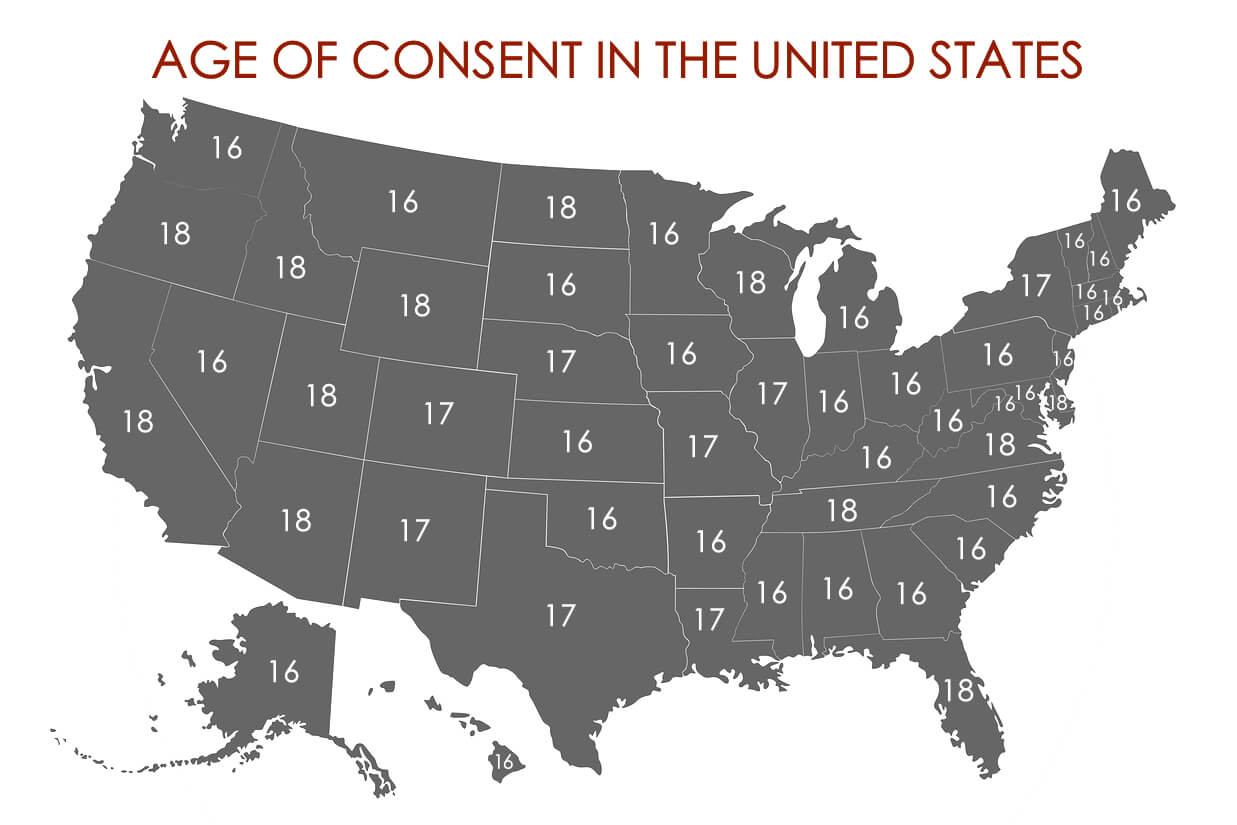
Understanding the legal landscape of any region is crucial, whether you’re planning a visit, considering a move, or simply seeking to be an informed citizen. For those interested in Texas, a state renowned for its vast landscapes, rich history, and vibrant culture, knowing the specific laws that govern personal interactions is particularly important. This article delves into a fundamental aspect of the state’s legal framework: the legal age of consent in Texas. While seemingly a straightforward topic, it carries significant implications and nuances that everyone should be aware of. From bustling urban centers like Houston and Dallas to the cultural hub of Austin and the historic charm of San Antonio, these laws apply uniformly across the entire state, impacting individuals and communities alike. Understanding these regulations is not just a matter of legal compliance but also a key component of responsible living and interaction, contributing to a safe and respectful environment for all residents and visitors enjoying the Texas lifestyle.
Understanding Consent: A Foundation in Texas Law
The concept of consent lies at the heart of many legal statutes, particularly those governing sexual activity. In Texas, these laws are designed to protect individuals, especially minors, from exploitation and harm. The legal age of consent is a critical benchmark, defining the point at which an individual is legally considered capable of providing voluntary agreement to sexual activity. Violations of these laws can lead to severe criminal charges, highlighting the profound importance of their understanding and adherence.
The Core Age of Consent in Texas
In the state of Texas, the legal age of consent is 17 years old. This means that any sexual activity involving an individual under the age of 17 is generally considered illegal, regardless of whether the minor seemingly “agreed” or initiated the encounter. The law presumes that individuals below this age lack the full capacity to make informed decisions about sexual activity and are therefore legally unable to consent. This age is consistent across various statutes within the Texas Penal Code that address sexual offenses.
The term “consent” itself, in a legal context, signifies a freely given, informed, and enthusiastic agreement to engage in sexual activity. It must be ongoing, meaning it can be withdrawn at any time, and cannot be given by someone who is incapacitated (e.g., due to intoxication, unconsciousness, or mental disability) or coerced. For anyone residing in or visiting Texas, understanding this fundamental age and the definition of consent is paramount to avoiding severe legal repercussions and ensuring ethical conduct. Whether you’re navigating the lively nightlife of Dallas or exploring the historic sites around Houston, these legal principles remain constant and require utmost respect.
The Nuance of Age Differences and Statutory Rape
The legal age of consent directly underpins laws against statutory rape. In Texas, statutory rape generally occurs when an adult engages in sexual activity with a minor, even if the minor expresses willingness. The law’s primary concern is the minor’s legal inability to consent due to their age. This is often referred to as a “strict liability” offense, meaning the perpetrator’s intent or belief about the minor’s age is often not a defense. Ignorance of the minor’s true age or a mistaken belief that they were 17 or older typically does not absolve the adult of guilt.
The law emphasizes the power dynamics inherent in age differences. Even a small age gap can lead to significant legal trouble if one party is below the age of consent. This is particularly relevant given the diverse demographics and social environments found across Texas, from rural communities to major metropolitan areas like Austin and San Antonio. The legal framework aims to prevent situations where an older individual might exploit a younger person’s developmental stage, inexperience, or emotional vulnerability.
Navigating Exceptions and Special Circumstances
While the age of 17 serves as the general benchmark for consent in Texas, the law does acknowledge specific, limited exceptions and circumstances that can influence how these cases are handled. These nuances are often complex and require careful legal interpretation, underscoring why general knowledge is important but specific legal advice is indispensable when real situations arise.
The “Romeo and Juliet” Exception
One of the most commonly discussed exceptions in consent law is often referred to as the “Romeo and Juliet” exception. In Texas, this exception applies in very specific situations where both individuals are minors and close in age, and the older minor is not significantly older than the younger one. Specifically, under Texas law, an individual aged 17 who engages in sexual conduct with someone aged 15 or 16 may, under certain circumstances, be charged with a lesser offense or have a defense available, rather than a full statutory rape charge.
The key elements for this exception typically include:
- Both individuals are minors: The older party must also be under the age of 18 (i.e., 17 years old).
- Close in age: The age difference between the 17-year-old and the younger minor (15 or 16) is relatively small.
- Voluntary participation: The younger minor’s participation must be consensual and not involve coercion or force.
It’s crucial to understand that this is an exception and not a blanket rule. It does not negate the fact that sexual activity with someone under 17 is generally illegal. Furthermore, the application of this exception can be highly fact-specific and is often determined by prosecutors and courts. It’s also vital to note that this exception generally does not apply if the older individual holds a position of authority over the younger minor (e.g., a teacher, coach, or guardian), if the minor is mentally incapacitated, or if there is any element of force, threat, or manipulation. The existence of this exception highlights the law’s attempt to distinguish between genuinely predatory behavior and consensual relationships between similarly aged teenagers, but it remains a highly sensitive area with strict limitations.
Other Factors Affecting Consent Validity
Beyond the “Romeo and Juliet” exception, several other factors can critically affect the validity of consent, even if the individuals are above the age of 17, or in cases where the exception might otherwise apply. These factors delve into the capacity of an individual to truly and freely consent:
- Incapacity: If a person is incapacitated due to alcohol or drug intoxication, unconsciousness, sleep, or a mental or physical disability that renders them incapable of appraising the nature of the conduct, they cannot legally consent. Engaging in sexual activity with an incapacitated person is a serious offense.
- Coercion or Force: Any form of physical force, threats, intimidation, or psychological coercion invalidates consent. Consent must be given freely and without duress.
- Abuse of Authority or Trust: Individuals in positions of authority (e.g., teachers, coaches, employers, clergy, guardians) over a minor or a vulnerable adult cannot obtain valid consent from that person, regardless of the age of consent. The law recognizes the inherent power imbalance and the potential for exploitation.
- Fraud or Misrepresentation: Consent obtained through fraud regarding the nature of the act or the identity of the person (in certain very specific legal contexts) may also be considered invalid.
- Marital Status: While related, the legal age of consent for sexual activity is distinct from the legal age for marriage. In Texas, an individual can marry at 16 with parental consent or a court order, or at 18 without parental consent. However, marriage does not automatically alter the age of consent for sexual activity with other individuals, nor does it typically serve as a defense for sexual offenses involving a minor outside of the marital relationship itself. It is a complex area, but generally, the age of consent rules are separate and distinct.
These additional factors underscore the complexity of consent laws and the state’s robust efforts to protect individuals from sexual assault and exploitation. Understanding these conditions is vital for fostering safe and responsible interactions across all social settings in Texas.
The Gravity of Legal Consequences
Violating the legal age of consent laws in Texas is not merely a legal misstep; it leads to profoundly serious criminal charges with life-altering consequences. The state’s legal system treats these offenses with the utmost gravity, reflecting society’s commitment to protecting its most vulnerable members. Whether one is involved in the thriving industries of Houston or the creative arts scene of Austin, the law applies equally and stringently.
Penalties for Violations
The penalties for violating Texas’s age of consent laws are severe and vary depending on the specific circumstances of the offense, the age difference between the parties, and the nature of the sexual activity. These charges typically fall under categories such as sexual assault, aggravated sexual assault, or continuous sexual abuse of a child.
- Felony Charges: Most violations are classified as felonies, ranging from second-degree to first-degree felonies. First-degree felonies are the most serious, carrying potential prison sentences of 5 to 99 years, or even life imprisonment. Aggravating factors, such as the use of force, serious bodily injury, or the young age of the victim, can elevate the charges and lead to harsher sentences.
- Fines: In addition to imprisonment, substantial fines can be imposed, often reaching tens of thousands of dollars.
- Sex Offender Registration: A conviction almost invariably requires the individual to register as a sex offender. This registration is a public record and carries lifelong implications, significantly impacting one’s ability to live, work, and travel freely. It can restrict housing options, employment opportunities, and even limit where one can reside or visit, fundamentally altering their lifestyle.
- Probation and Parole: While some offenses may allow for probation or parole, these are typically granted with extremely strict conditions and intense supervision.
The long-term impact extends far beyond the immediate legal penalties. A felony conviction for a sexual offense can permanently damage an individual’s reputation, social standing, and future prospects. It can affect professional licenses, educational opportunities, and the ability to maintain meaningful personal relationships. For those who enjoy travel or wish to explore different destinations, a sex offender registration can also create significant hurdles, as many countries and states have strict entry requirements and restrictions for registered offenders.
Beyond Criminal Charges: Civil Implications
In addition to criminal prosecution by the state, individuals who violate age of consent laws may also face civil lawsuits. Victims or their families can pursue civil claims for damages, seeking compensation for emotional distress, psychological trauma, medical expenses, and other harm resulting from the offense. These civil cases are separate from criminal proceedings and operate under different legal standards, meaning an individual could potentially face both criminal conviction and a substantial civil judgment.
The societal stigma associated with such offenses is immense. Beyond legal and financial repercussions, perpetrators often experience social ostracization, loss of community respect, and profound personal challenges. This comprehensive array of consequences underscores the critical importance of understanding and strictly adhering to the legal age of consent and related statutes in Texas.
Staying Informed and Seeking Guidance
Navigating the complexities of legal consent requires vigilance and a proactive approach to understanding the law. For anyone in Texas – whether a long-term resident enjoying the unique blend of urban sophistication and natural beauty in Houston, a new arrival exploring career opportunities in Dallas, or a tourist immersing themselves in the cultural vibrancy of Austin – legal awareness is a cornerstone of responsible citizenship.
The Importance of Legal Awareness for Texas Residents and Visitors
Understanding local laws is an integral part of responsible travel and mindful living. Just as one would research hotel accommodations or local attractions when planning a trip to a new destination, understanding the legal framework, particularly concerning sensitive topics like consent, is paramount. This knowledge helps prevent unintentional violations and ensures that interactions are respectful and within legal boundaries. For young adults and parents, openly discussing these laws can contribute to safer social environments and empower individuals to make informed decisions.
A website like Life Out of the Box, which covers diverse aspects of travel, tourism, lifestyle, and accommodation, aims to provide a broad spectrum of information to help individuals navigate their experiences. Legal awareness, especially regarding the protection of minors and vulnerable individuals, is a vital part of fostering a positive and safe community, whether one is exploring the landmarks of San Antonio or simply enjoying daily life in a Texas town.
When to Consult Legal Professionals
While this article provides a general overview of the legal age of consent in Texas, it is crucial to understand that it is for informational purposes only and does not constitute legal advice. The law is complex, and its application can vary significantly based on specific facts and circumstances.
If you have questions about specific situations, believe you may be involved in a scenario with legal implications, or require clarification on Texas consent laws, it is imperative to consult with a qualified attorney licensed to practice law in Texas. A legal professional can provide accurate, personalized advice tailored to your unique situation, helping you understand your rights, obligations, and potential courses of action. Early consultation can be critical in preventing legal issues or effectively addressing them if they arise.
In conclusion, the legal age of consent in Texas is 17 years old, a clear boundary established to protect individuals and ensure responsible behavior. The state enforces these laws rigorously, and violations carry severe and lasting consequences. By staying informed and seeking professional legal counsel when necessary, individuals can ensure they uphold these vital protections and contribute to a respectful and safe society for everyone in the Lone Star State.