
Embarking on a journey through the vast and vibrant landscapes of Texas, whether you’re a seasoned resident, a first-time visitor exploring its unique landmarks, or a business traveler navigating its bustling cities, understanding local regulations is paramount for a seamless and enjoyable experience. One such regulation, often overlooked but crucial for comfort, safety, and legal compliance, pertains to vehicle window tint. The Lone Star State, renowned for its expansive highways, scorching summers, and diverse driving conditions, has specific laws governing how dark your vehicle’s windows can be. For anyone planning a road trip across the Hill Country, a city break in Austin or Dallas, or simply commuting in Houston or San Antonio, knowing the legal window tint limits is not just a matter of avoiding a ticket; it’s about enhancing your journey, protecting your vehicle’s interior, and ensuring clear visibility for safe travels.
Window tint serves multiple purposes: it can reduce interior heat, block harmful UV rays, enhance privacy, and even improve the aesthetic appeal of a vehicle. However, excessively dark tints can impair a driver’s visibility, especially at night or in adverse weather conditions, and can also pose safety concerns for law enforcement officers during traffic stops. Balancing these benefits with safety considerations is precisely why Texas has enacted detailed regulations. This comprehensive guide will delve into the intricacies of Texas window tint laws, exploring the specific percentages, exemptions, and practical implications for travelers and residents alike. By understanding these rules, you can ensure your vehicle meets legal requirements, allowing you to focus on the unforgettable experiences that Texas has to offer, from exploring Big Bend National Park to enjoying the vibrant Riverwalk in San Antonio.
Understanding Texas Window Tint Laws: A Traveler’s Guide
Navigating the regulations for window tint in Texas can seem daunting at first, but with a clear breakdown, it becomes straightforward. The primary metric used to define legal tint levels is Visible Light Transmission (VLT), which measures the percentage of light that passes through your vehicle’s windows. A lower VLT percentage indicates a darker tint, allowing less light to pass through. Texas law sets different VLT percentages for various windows on a vehicle, acknowledging the distinct roles each window plays in driver visibility and passenger safety.
The Basics: VLT Explained for Different Windows
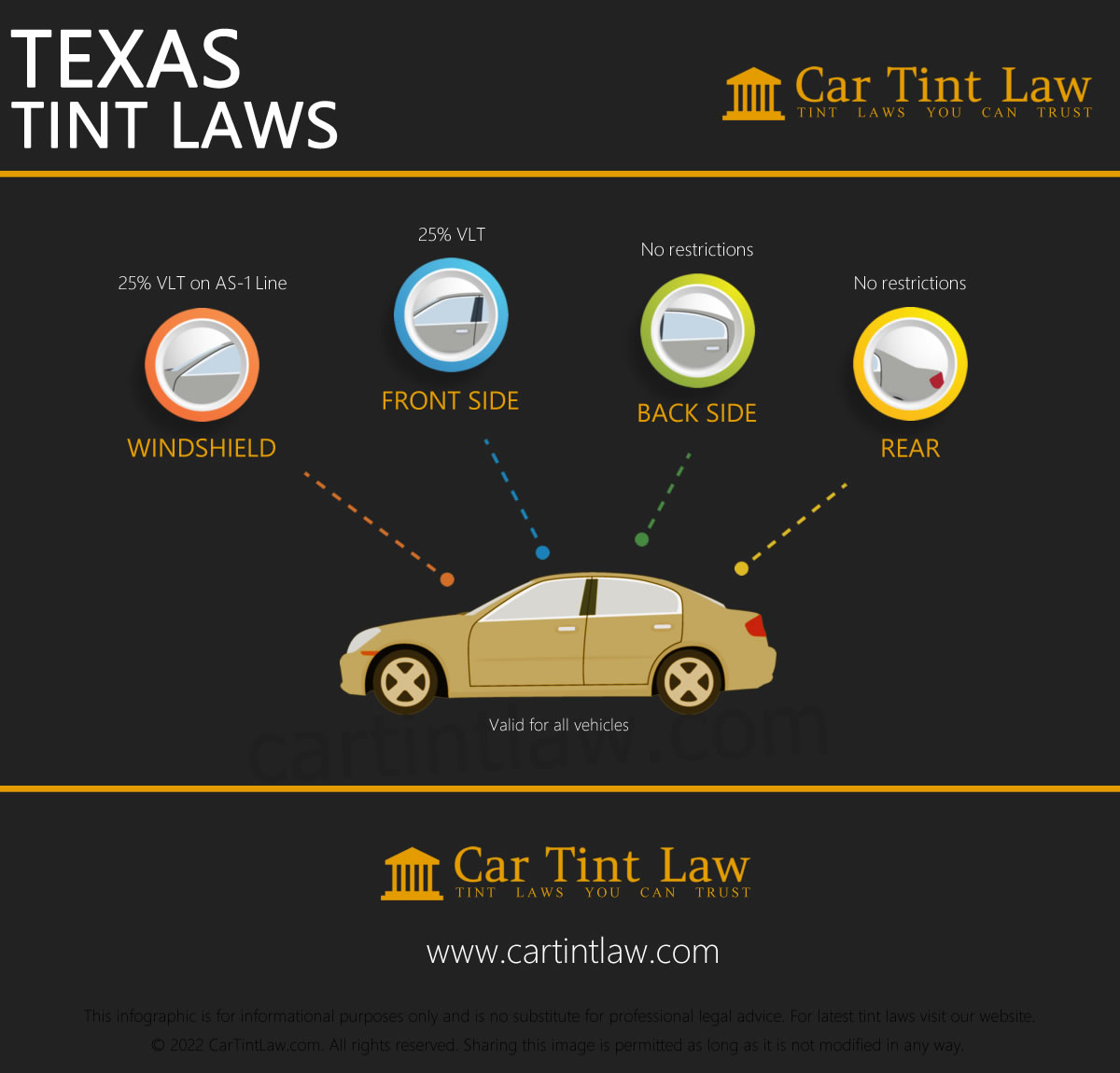
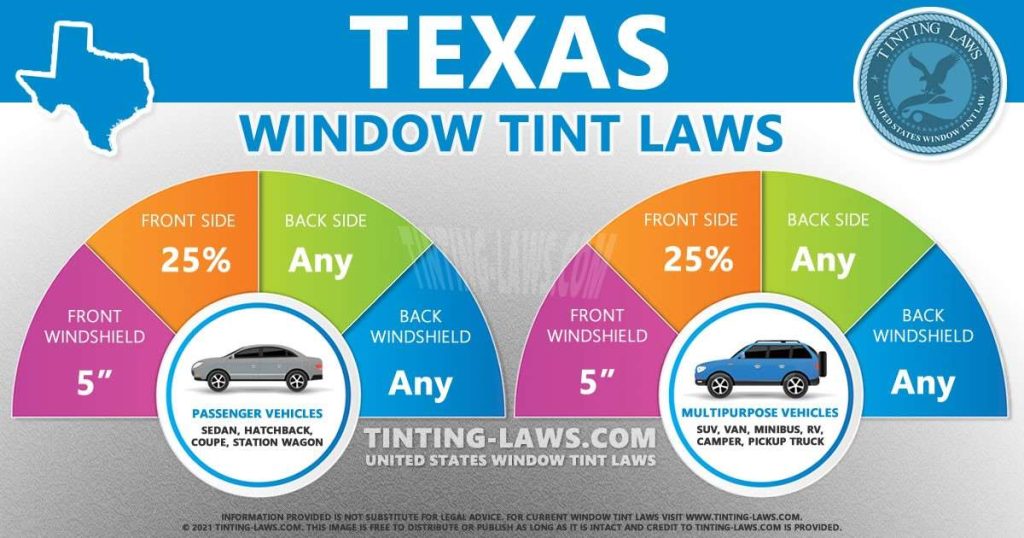
For sedans, coupes, and other passenger vehicles, the rules are specific:
- Front Side Windows: These are the windows to the immediate left and right of the driver. Texas law mandates that these windows must allow more than 25% of light to pass through. This means a tint film with a VLT of 25% or higher is permissible. A 20% tint, for example, would be illegal on these windows. The intent behind this is to ensure clear visibility for the driver and to allow law enforcement to see into the vehicle.
- Back Side Windows: For vehicles with two rows of seats, these are the windows behind the front driver and passenger windows. Texas allows any darkness for these windows. This means you can have a very dark, or even opaque, tint on the back side windows, offering maximum privacy and heat reduction for rear passengers. This flexibility is particularly beneficial for families traveling with children or those who value extra security for items stored in the back seat.
- Rear Window: Similar to the back side windows, the rear window (windshield) can also have any darkness of tint. However, if the rear window is tinted, the vehicle must be equipped with dual side mirrors, which is a standard feature on most modern vehicles anyway. This ensures the driver still has adequate rearward visibility.
- Windshield: This is the most restrictive window. Non-reflective tint is permitted only on the top 5 inches of the windshield. This strip helps reduce sun glare without impeding the driver’s forward visibility. No tint is allowed below this 5-inch mark, with the exception of the manufacturer’s original tinting in the glass itself.
For multi-purpose vehicles (MPVs), trucks, and vans, the rules are slightly different for the rear half of the vehicle:
- Front Side Windows: The same rule applies: more than 25% VLT.
- Back Side Windows and Rear Window: Similar to sedans, these can have any darkness of tint. This means that for larger vehicles often used for family road trips, such as those exploring the Houston Museum District or heading to the Gulf Coast beaches, occupants in the rear can enjoy maximum comfort and privacy.
Other Important Considerations: Reflectivity and Colors
Beyond VLT percentages, Texas law also addresses other aspects of window tint:
- Reflectivity: The tint on front side windows must not be more than 25% reflective. This is crucial for safety, as highly reflective tints can create dangerous glare for other drivers. While there’s no specific reflectivity limit for rear windows or back side windows, it’s generally advisable to avoid excessively reflective tints to prevent visibility issues for others on the road.
- Colors: Texas law prohibits the use of red, amber, or blue tint colors on any windows. These colors can interfere with the visibility of emergency lights or traffic signals, posing a safety risk. This rule ensures that drivers maintain proper perception of external cues.
- Stickers and Labels: Manufacturers of window tint film are required to provide a label or certificate indicating that the film complies with Texas law. While not explicitly stated that vehicles must display this label, having documentation can be helpful if questioned by law enforcement. Professional installers typically provide this proof of compliance.
Exemptions and Medical Conditions
Texas law does provide for exemptions, primarily for individuals with medical conditions that make them highly susceptible to sunlight. If you have a documented medical condition requiring additional protection from UV rays, you may be eligible for a medical exemption. This typically requires a doctor’s prescription or a letter stating the necessity of darker window tint. With this exemption, an individual can apply for a special sticker or certificate from the Texas Department of Public Safety (DPS) that allows for darker tint than typically permitted on the front side windows. This personalized approach highlights the state’s commitment to accommodating health needs while maintaining overall road safety.
Penalties for Non-Compliance
Driving with illegal window tint in Texas is a Class C misdemeanor. While it’s generally a non-moving violation, meaning it won’t add points to your driver’s license, the fines can range up to $200. Additionally, you may be issued a “fix-it ticket” or required to remove the illegal tint within a certain timeframe and provide proof of compliance. Failure to do so can result in further fines or more severe penalties. For travelers, this can be an unexpected inconvenience and expense, detracting from the pleasure of visiting destinations like NASA Johnson Space Center or Six Flags Over Texas. Therefore, verifying tint compliance, especially when renting a car or bringing your own vehicle from out of state, is a wise precaution.
Why Window Tint Matters for Your Texas Adventures
For travelers and residents alike, the decision to tint vehicle windows, or to ensure existing tint is compliant, extends far beyond legal adherence. It significantly impacts comfort, safety, and the overall enjoyment of journeys through the diverse Texan climate and terrain. From long-haul road trips traversing the desert landscapes of El Paso to daily commutes in the urban sprawl of Fort Worth, window tint offers tangible benefits that align perfectly with a modern lifestyle focused on well-being and practical convenience.
Enhancing Comfort and Protecting Interiors on Road Trips
Texas summers are legendary for their intensity, with temperatures often soaring well into the triple digits. The sun’s relentless rays can quickly turn a car’s interior into an oven, making any journey uncomfortable and significantly increasing the workload on your vehicle’s air conditioning system. Legal window tint can dramatically reduce the amount of solar heat entering the cabin, creating a cooler, more pleasant environment for everyone inside. This is particularly valuable on extensive Texas road trips where hours are spent on the open road.
Beyond temperature control, quality window tint also blocks up to 99% of harmful ultraviolet (UV) rays. This not only protects the skin of occupants from sun exposure but also safeguards your vehicle’s interior. UV radiation is a primary cause of fading, cracking, and deterioration of upholstery, dashboards, and other interior surfaces. For those investing in their vehicle, or maintaining a rental during an extended stay, this protection helps preserve the aesthetic appeal and longevity of the car’s interior, saving on potential wear and tear. Furthermore, reduced glare from the sun or headlights of oncoming traffic contributes to safer driving, diminishing eye strain and improving visibility, which is crucial for navigating unfamiliar roads or during sunrise and sunset drives.
Privacy and Security for Your Valuables
Whether you’re parked at a busy tourist attraction like The Alamo, leaving your car at a hotel while exploring a new city, or simply running errands, privacy is a significant concern. Darker window tint, especially on the back side and rear windows where Texas law allows for any darkness, provides an added layer of privacy. This makes it harder for prying eyes to see into your vehicle, deterring potential opportunistic thieves who might target visible electronics, luggage, or other valuables.
For families traveling with children, darker tint also offers a more secluded and comfortable space for naps or quiet time, shielded from the external hustle and bustle. This sense of security and privacy contributes to a more relaxed and stress-free travel experience, allowing you to immerse yourself fully in your Texas adventures without constant worry about your parked vehicle.
Aesthetic Appeal and Lifestyle Choices
For many, a vehicle is more than just transportation; it’s an extension of personal style and lifestyle. Window tint can significantly enhance the sleekness and overall appearance of a car, contributing to a more sophisticated or sporty look. It’s a subtle yet impactful modification that can elevate a vehicle’s curb appeal.
For those who prioritize a certain aesthetic, or simply enjoy a uniform, polished look for their vehicle, legal window tint is an essential accessory. It aligns with a modern lifestyle where personal comfort, protection, and visual appeal go hand-in-hand, ensuring that every drive, whether for leisure or business, is undertaken with confidence and style.
Navigating Car Rentals and Personal Vehicles in the Lone Star State
Understanding window tint laws becomes particularly important when considering vehicle choices for your Texas stay. This applies whether you’re renting a car for a short travel stint or contemplating a move to the state with your personal vehicle. The nuances of compliance can vary, and being informed can save you from unnecessary complications.
Renting a Car in Texas: What to Look For
When you arrive in Texas and pick up a rental car, the good news is that most reputable rental agencies will ensure their fleet vehicles comply with state laws, including window tint regulations. However, it’s always prudent to be aware. Before driving off the lot, a quick visual inspection can provide peace of mind. Check the front side windows; if they appear excessively dark, it might be worth inquiring with the rental company.
The majority of rental cars will have factory-installed privacy glass or a light tint that adheres to the 25% VLT minimum for front side windows. For back side and rear windows, rental SUVs or minivans often come with darker privacy glass, which is perfectly legal in Texas. As a tourist focused on exploring Texas destinations, this ensures you won’t encounter unexpected legal issues, allowing you to enjoy your experience without a hitch. If you have specific tint preferences or medical requirements, it’s advisable to communicate these with the rental company in advance to see if they can accommodate your needs, perhaps with a vehicle model equipped with compliant tint that suits your comfort level.
Out-of-State Visitors and Vehicle Compliance
While out-of-state vehicles are generally governed by the tint laws of their registered state, complications can arise if your tint is significantly darker than Texas limits, especially if you reside in Texas for an extended period. Law enforcement officers in Texas primarily focus on vehicles registered within the state for tint violations. However, if your out-of-state vehicle’s tint is deemed a significant safety hazard (e.g., extremely dark front windows impairing visibility), you could still potentially be stopped.
For those planning to relocate to Texas, registering your vehicle in the state will require it to comply fully with Texas window tint laws. During the vehicle inspection process, window tint will be checked. If your tint doesn’t meet the standards, you’ll need to have it removed or replaced before your vehicle can pass inspection and be registered. This is an important detail for anyone considering long-term accommodation or a permanent move, as proactive compliance can prevent delays and additional costs.
Investing in Quality Tint: Recommendations for Texas Drivers
For Texas residents or those planning to permanently register a vehicle in the state, investing in high-quality, legally compliant window tint is a smart choice. Professional installation is highly recommended to ensure the tint is applied correctly, without bubbles or peeling, and to guarantee that the VLT percentages meet state requirements. Reputable tint shops will use VLT meters to verify compliance before you leave, often providing documentation to that effect.
Different types of tint films are available, from traditional dyed films to advanced ceramic and metallic tints. Ceramic tints, for example, are highly effective at blocking heat and UV rays without being excessively dark or interfering with electronic signals (like GPS or cell service), making them an excellent choice for the Texas climate. This investment not only ensures legal compliance but also maximizes the comfort, protection, and longevity benefits for your vehicle.
Beyond the Law: The Practical Benefits for Texans and Travelers
While adhering to Texas window tint laws is a legal necessity, the practical advantages extend far beyond avoiding fines. For residents and visitors alike, a properly tinted vehicle can significantly enhance the quality of their driving experience, contribute to vehicle longevity, and even offer subtle environmental benefits. These perks underscore why window tint is more than just a regulatory item; it’s a valuable feature for life in the Lone Star State.
Energy Efficiency and Interior Preservation
In a state like Texas, where temperatures regularly soar, a vehicle’s air conditioning system works overtime to keep the cabin cool. High-quality, legal window tint can significantly reduce the solar heat gain inside your car. By blocking a substantial portion of infrared (IR) radiation, a key component of solar heat, the tint allows your AC system to run more efficiently, consuming less fuel. This translates to better gas mileage and reduced wear and tear on your vehicle’s engine and AC compressor, offering a tangible economic benefit over the long term.
Moreover, the interior preservation aspect cannot be overstated. The harsh Texas sun is notorious for causing dashboards to crack, upholstery to fade, and plastic components to become brittle. Window tint acts as a protective shield, extending the life and maintaining the appearance of your car’s interior. This is particularly relevant for those who consider their vehicle an important asset, whether it’s a luxury sedan used for business travel or a family SUV for weekend tourism to places like Palo Duro Canyon. Protecting these elements helps retain the vehicle’s resale value and enhances the overall lifestyle experience of owning it.

Driver Safety and Reduced Glare
Safety is paramount on any road. Legal window tint plays a critical role in enhancing driver safety by significantly reducing glare. Glare from direct sunlight, reflections off wet roads, or the blinding headlights of oncoming vehicles at night can cause temporary vision impairment and increase the risk of accidents. Tinted windows effectively diffuse and reduce this glare, allowing the driver to maintain clearer visibility and focus on the road ahead. This is especially beneficial during sunrise and sunset, when the sun is low in the sky, or when driving through open plains with minimal shade.
Furthermore, in the unfortunate event of an accident, window film can help hold shattered glass together, preventing tiny, sharp fragments from scattering throughout the cabin. This adds an extra layer of protection for occupants, reducing the risk of injury from flying glass. While often an afterthought, this passive safety feature adds significant value. By promoting better visibility and offering additional protection, legal window tint is an investment in safer driving for everyone on the road in Texas.
In conclusion, understanding and adhering to the legal window tint regulations in Texas is more than just a matter of compliance; it’s a strategic decision that enhances comfort, safety, privacy, and the overall longevity of your vehicle. Whether you’re planning a thrilling Texas adventure, settling into a new home, or simply navigating daily life, ensuring your window tint is within legal limits will contribute to a more enjoyable and hassle-free experience. By prioritizing compliant and quality window tint, you’re not just following the law, you’re investing in a superior driving experience across the vast and beautiful Lone Star State.
LifeOutOfTheBox is a participant in the Amazon Services LLC Associates Program, an affiliate advertising program designed to provide a means for sites to earn advertising fees by advertising and linking to Amazon.com. Amazon, the Amazon logo, AmazonSupply, and the AmazonSupply logo are trademarks of Amazon.com, Inc. or its affiliates. As an Amazon Associate we earn affiliate commissions from qualifying purchases.