
Florida, often affectionately known as the Sunshine State, is a vibrant hub of tourism, diverse culture, and a booming economy. From the magical theme parks of Orlando to the bustling beaches of Miami and the tranquil beauty of the Florida Keys, millions of visitors flock here annually, and a large, dedicated workforce supports this dynamic environment. Understanding the minimum wage in Florida is crucial, not just for residents navigating the cost of living but also for anyone interested in the economic underpinnings of this popular destination, including those considering working in its prolific hospitality and tourism sectors.
The minimum wage serves as a fundamental benchmark for labor compensation, directly impacting the livelihoods of countless individuals and shaping the economic landscape of the state. For travelers, understanding this figure can offer insights into local service costs, the economic realities of the communities they visit, and even budgeting for extended stays or work-and-travel experiences. For residents, it’s a critical component of their financial planning, especially given the varying cost of living across different regions of Florida.
This comprehensive guide will delve into the specifics of Florida’s minimum wage, its historical evolution, the unique system governing its increases, and its broader implications for workers, businesses, and the state’s pivotal tourism industry.
Understanding Florida’s Minimum Wage Landscape
Florida stands apart from many other states in how it determines and adjusts its minimum wage. While the United States federal minimum wage has remained stagnant for over a decade, Florida has taken proactive steps to ensure its workers receive a higher base pay, a move that reflects the state’s unique economic pressures and legislative priorities.
The Current Minimum Wage and Its Evolution
As of September 30, 2023, the standard minimum wage in Florida is $12.00 per hour. This represents a significant increase from the previous rate of $11.00 per hour, which was in effect prior to this date. This isn’t just an arbitrary adjustment; it’s part of a constitutionally mandated, progressive increase designed to elevate the financial stability of the state’s workforce.
For context, it’s important to note the disparity with the federal minimum wage. The current federal standard, established under the Fair Labor Standards Act (FLSA), remains at $7.25 per hour. In situations where state and federal minimum wages differ, employers are legally obligated to pay their employees the higher of the two rates. This means that virtually all eligible workers in Florida benefit from the state’s higher minimum wage.
The history of Florida’s minimum wage reveals a commitment to regular adjustments. Prior to the recent constitutional amendment, annual increases were tied to inflation, specifically the Consumer Price Index for Urban Wage Earners and Clerical Workers (CPI-W). This mechanism aimed to preserve the purchasing power of minimum wage earners over time, preventing their wages from being eroded by rising costs. However, a more ambitious plan was set in motion, fundamentally altering this approach.
The Amendment 2 Impact: A Pathway to $15
The most pivotal development in Florida’s minimum wage policy was the passage of Amendment 2 in November 2020. This ballot initiative, approved by a substantial majority of Florida voters, enshrined a new schedule of minimum wage increases directly into the Florida Constitution.
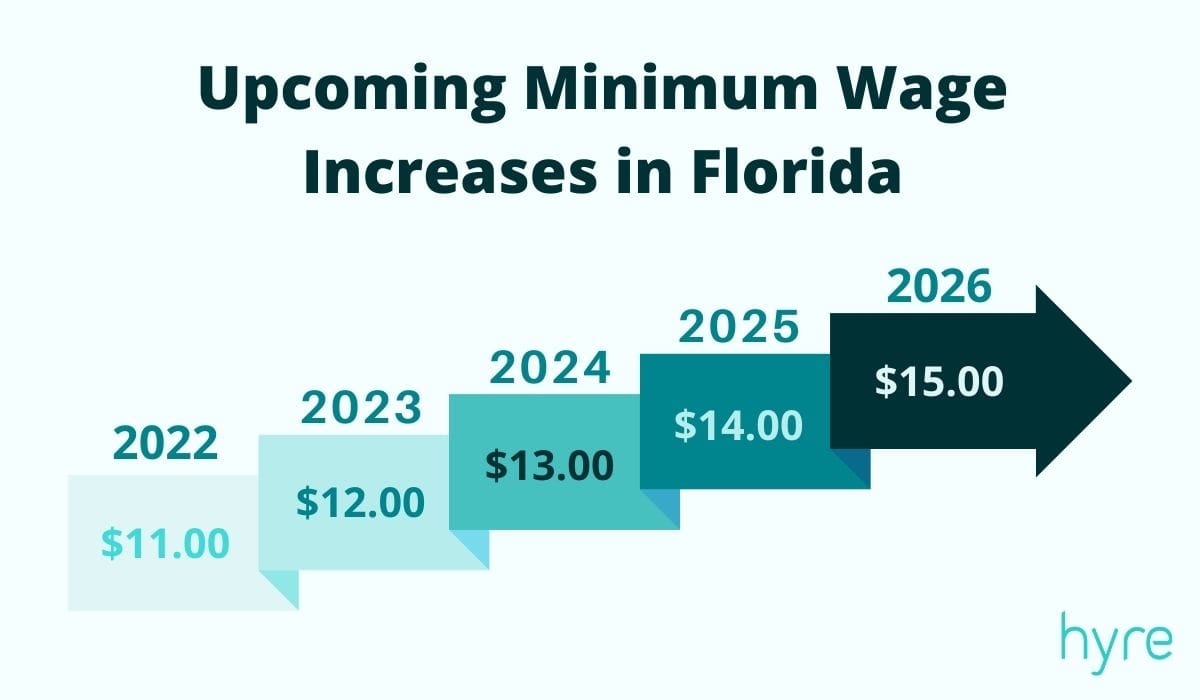
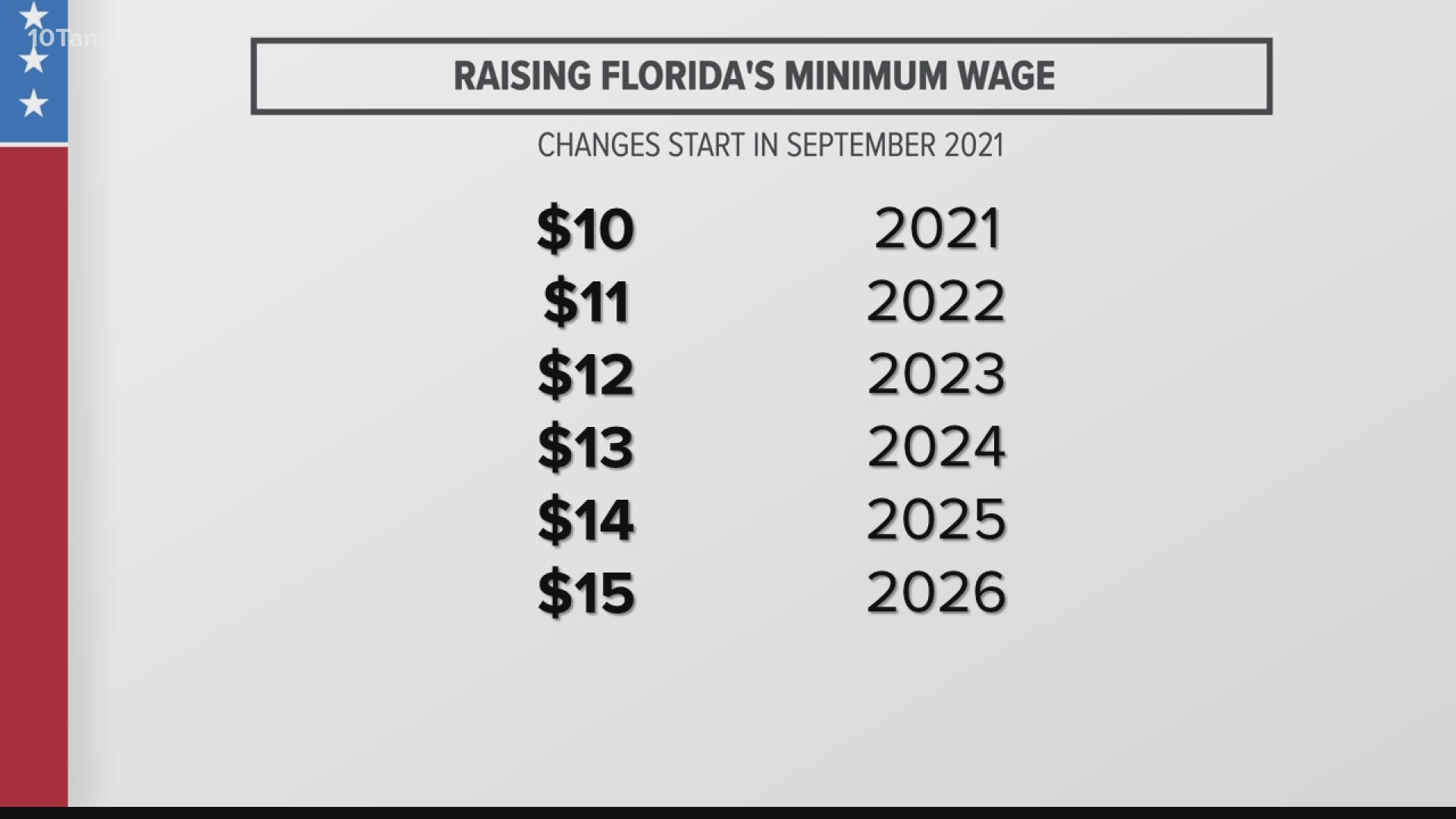
Amendment 2 mandates a series of annual increases, with the ultimate goal of reaching a $15.00 per hour minimum wage by September 30, 2026. The schedule is as follows:
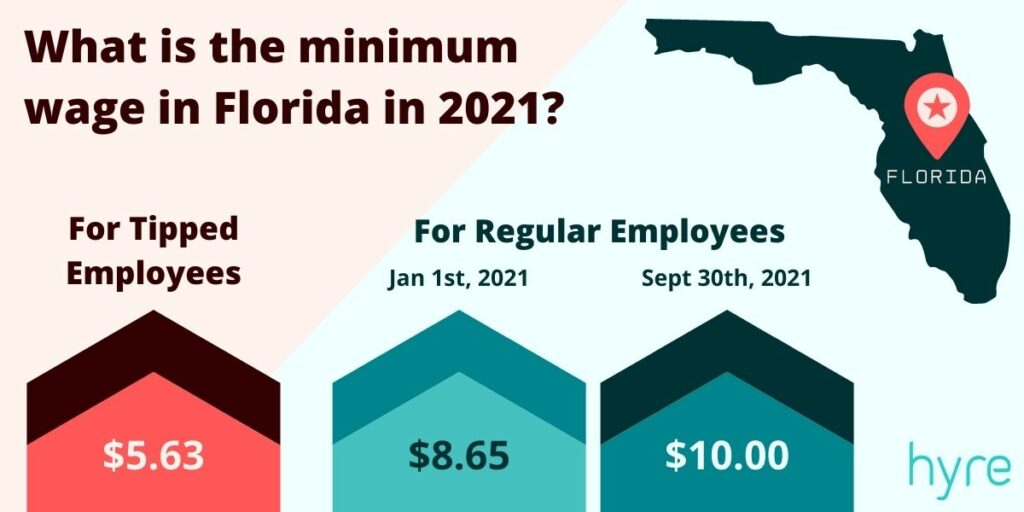
- September 30, 2021: Increased to $10.00 per hour
- September 30, 2022: Increased to $11.00 per hour
- September 30, 2023: Increased to $12.00 per hour
- September 30, 2024: Will increase to $13.00 per hour
- September 30, 2025: Will increase to $14.00 per hour
- September 30, 2026: Will reach $15.00 per hour
After reaching $15.00 per hour in 2026, subsequent annual adjustments will revert to being tied to inflation, similar to the pre-Amendment 2 system. This systematic and predictable increase provides a clear roadmap for businesses and employees alike, allowing for better long-term planning. It also reflects a broader national trend towards a $15 minimum wage, positioning Florida as a leader in this movement among southern states.
Minimum Wage and the Florida Lifestyle: Implications for Residents and Visitors
The minimum wage is not an isolated economic figure; it is deeply intertwined with the overall cost of living, the vitality of local economies, and the experience of both residents and the millions of tourists who frequent Florida. Its impact ripples through various sectors, particularly within the hospitality and travel industries that are cornerstones of the Sunshine State’s appeal.
Cost of Living in Florida: A Closer Look
While Florida is famous for its beaches and theme parks, it’s also known for a relatively high cost of living, especially in its most popular urban and coastal areas. Cities like Miami, Orlando, Tampa, and across South Florida can present significant financial challenges for those earning minimum wage. Housing costs, in particular, have seen substantial increases in recent years. Rent for apartments, the price of homes, and even the cost of booking long-term accommodation for seasonal workers can be daunting.
For visitors, this translates into higher prices for hotel suites, resort stays, and even apartment rentals in prime tourist destinations like Walt Disney World Resort areas or Miami Beach. The minimum wage, while benefiting workers, also contributes to the operating costs of businesses, which can be passed on to consumers. This dynamic means that a higher minimum wage, while crucial for local workers’ financial well-being, can also subtly influence a traveler’s budget for everything from dining out to booking attractions and experiences. For budget travelers, understanding this relationship is key to planning an affordable trip, perhaps looking for accommodation in slightly less central areas or opting for self-catering options.
Beyond housing, everyday expenses such as transportation, groceries, and utilities also contribute to the overall cost of living. The increased minimum wage aims to help workers keep pace with these rising costs, striving to ensure that a full-time minimum wage earner can afford basic necessities without undue hardship. However, debates persist about whether the current and projected increases are sufficient to truly make high-cost areas affordable for those at the lowest end of the pay scale.
The Tourism Sector: A Cornerstone of Florida’s Economy
The tourism and hospitality industries are arguably the most significant drivers of Florida’s economy. Millions of people are employed in hotels, resorts, restaurants, theme parks like Universal Orlando Resort and SeaWorld Orlando, cruise lines departing from Port Canaveral or Miami, and countless other visitor-centric businesses. These sectors historically employ a large percentage of minimum wage earners, from hotel housekeepers and front-desk staff to amusement park attendants and restaurant servers.
The scheduled increases in the minimum wage have a profound impact on these industries. For employees, it means improved earning potential, better quality of life, and potentially reduced reliance on public assistance. For many workers in popular destinations like Key West, St. Augustine, or the Atlantic Coast beaches, this translates into a greater ability to enjoy the local culture and activities they help create for others.
For businesses, particularly small and independently owned establishments, adjusting to higher labor costs can be a significant challenge. They might need to re-evaluate pricing, staffing levels, or operational efficiencies. However, proponents of the wage increase argue that it leads to lower employee turnover, higher morale, better service quality, and increased consumer spending as workers have more disposable income. For example, a well-paid and satisfied hotel staff is more likely to provide exceptional service, enhancing the guest experience and contributing positively to reviews and overall tourism appeal. Ultimately, a thriving local workforce supports the very infrastructure that makes Florida such an attractive travel destination.
Impact on Different Demographics: From Students to Seasonal Workers
The minimum wage affects a wide spectrum of the Florida population, each with unique circumstances.
- Students: Many college and high school students in cities like Tallahassee, Gainesville, and Orlando rely on minimum wage jobs to cover educational expenses, personal living costs, and gain valuable work experience. A higher wage can alleviate financial stress, allowing them to focus more on their studies and potentially reduce student loan debt.
- Seasonal Workers: Florida experiences significant seasonal fluctuations in its workforce, particularly in the tourism sector. Many individuals move to the state for peak seasons, working in resorts on the Gulf Coast, hotels in Fort Lauderdale, or at attractions in Kissimmee. A higher minimum wage makes these seasonal opportunities more attractive and financially viable, encouraging a robust supply of labor to meet tourist demands.
- Single Parents and Low-Income Households: For single parents and families striving to make ends meet, the minimum wage is often the primary source of income. Increases provide a critical boost, helping to cover childcare, healthcare, and other essential household expenses. This can lead to greater economic stability and reduce poverty rates across the state.
- Retirees: While Florida is a popular retirement destination, many retirees, particularly those on fixed incomes or looking to supplement their savings, enter the workforce. Minimum wage jobs offer flexibility and additional income, allowing them to maintain a comfortable lifestyle or pursue hobbies without financial strain.
- Immigrant Workers: A significant portion of the service industry workforce comprises immigrant communities who often start in minimum wage positions. The rising wage offers a path to greater economic integration and improved living conditions for these individuals and their families, strengthening the multicultural fabric of places like Miami and Orlando.
While the benefits are clear, challenges remain, particularly regarding affordability in high-cost areas. Despite the increases, a $12.00 or even $15.00 hourly wage may still not be enough to comfortably afford rent, transportation, and other necessities in some of Florida’s most sought-after locales. This ongoing tension highlights the complex interplay between wage policy and the broader economic environment.
Navigating Employment and Compensation in the Sunshine State
For both employers and employees in Florida, understanding the specific regulations surrounding minimum wage is essential. Compliance ensures fair labor practices, while awareness empowers workers to advocate for their rights. The system includes not only a standard rate but also provisions for tipped employees and various enforcement mechanisms.
Employer Responsibilities and Compliance
All employers in Florida are legally obligated to adhere to the state’s minimum wage laws. This means paying covered employees at least the current minimum hourly rate. As previously noted, if the federal minimum wage ($7.25 per hour) were ever to surpass Florida’s, employers would be required to pay the federal rate. However, given the current trajectory of Florida’s wage, this is unlikely to happen in the foreseeable future.
Employers must also keep accurate records of employee work hours and wages paid. They are typically required to display a poster provided by the Florida Department of Economic Opportunity in a conspicuous place, informing employees of the current minimum wage and their rights under state law. Failure to comply with these regulations can lead to investigations, back pay liabilities, and penalties.
For businesses in the hospitality sector – hotels, resorts, restaurants, and attractions – staying informed about the annual September 30th increases is particularly critical. These businesses often operate on tight margins and employ large numbers of minimum wage workers. Proper planning and budgeting for these increases are vital for maintaining financial stability and avoiding disruptions. Many larger hotel chains and tourism companies operating across Florida, from Walt Disney World to beachfront resorts in Sarasota or Naples, have robust HR departments dedicated to ensuring compliance with these and other labor laws.
Beyond the Minimum: Tipped Employees and Exceptions
While the standard minimum wage applies to most workers, there are specific provisions for employees who regularly receive tips. As of September 30, 2023, the minimum wage for tipped employees in Florida is $8.98 per hour. This rate is $3.02 less than the standard minimum wage.
The rationale behind this lower base rate is that tipped employees are expected to earn additional income through customer gratuities. Employers are allowed to take a “tip credit” of up to $3.02 per hour against the standard minimum wage. This means that if an employee earns $8.98 per hour in direct wages and at least $3.02 per hour in tips, their combined earnings meet or exceed the standard $12.00 minimum wage.
It is crucial for both employers and tipped employees to understand that if an employee’s combined direct wage and tips do not reach the standard minimum wage of $12.00 per hour for all hours worked, the employer is legally obligated to make up the difference. This ensures that even tipped workers ultimately receive at least the full minimum wage. This is particularly relevant in Florida’s bustling restaurant, bar, and hotel service industries, which thrive on tips generated by tourist activity.
It’s also worth noting that certain types of workers may be exempt from minimum wage laws, such as some agricultural workers, independent contractors, and certain student employees, under specific conditions. However, for the vast majority of workers in Florida’s prominent sectors, the state’s minimum wage laws apply.
Future Projections and Economic Outlook
With Amendment 2 providing a clear path to a $15.00 per hour minimum wage by September 30, 2026, Florida’s economic landscape is poised for continued transformation. The consistent annual increases offer a degree of predictability that allows businesses to plan for future labor costs, potentially spurring investment in automation for some, or leading to strategic pricing adjustments for others.
From an economic perspective, the ongoing debate centers on the balance between ensuring a living wage for workers and managing potential impacts on business profitability and employment levels. Proponents argue that a higher minimum wage stimulates local economies by increasing the purchasing power of low-wage workers, leading to greater consumer spending in local shops, restaurants, and attractions. They also point to reduced poverty rates, improved health outcomes, and a more engaged and stable workforce.
Critics, on the other hand, often express concerns about potential job losses, particularly in industries with tight margins, as businesses might reduce staff or slow hiring to offset increased labor costs. There are also debates about whether the increases contribute to inflation, though studies on this effect have yielded mixed results.
Ultimately, Florida’s experiment with a progressively increasing minimum wage provides a compelling case study. As the state continues its journey towards $15.00 an hour, the real-world impacts on its diverse economy, its vibrant tourism sector, and the daily lives of its residents will be closely observed. For anyone considering a move to the Sunshine State, embarking on an extended stay, or simply planning a vacation, understanding the dynamics of its minimum wage offers invaluable insight into the economic heart of this unique and ever-evolving destination.