
Florida, the Sunshine State, is renowned globally for its pristine beaches, world-class theme parks, and vibrant cultural scene. Millions flock to its shores annually, drawn by the promise of unforgettable travel experiences, luxurious resorts, and diverse attractions. Behind this booming tourism industry, a dedicated workforce tirelessly ensures that every visitor’s stay is nothing short of magical. Understanding the economic landscape that underpins this industry, particularly the minimum wage, is crucial for both residents and those planning a visit in 2024. This article delves into the specifics of Florida’s minimum wage for 2024, examining its impact on the state’s dominant hospitality sector, and offering insights for travelers and businesses alike.
The minimum wage serves as a fundamental benchmark for the cost of living and earning potential, directly influencing the lifestyle of countless individuals and shaping the operational strategies of businesses, especially those heavily reliant on service staff like hotels, restaurants, and tourist operators. As of 2024, Florida continues its phased approach to increasing the minimum wage, a trajectory set in motion by a statewide ballot initiative. This progressive increase is designed to provide workers with a more livable wage while allowing businesses time to adapt. For travelers, understanding these economic shifts can offer context to pricing in accommodation, dining, and various tourism-related services, making budget planning for a Florida getaway more informed.
Understanding Florida’s Minimum Wage Landscape in 2024
The economic fabric of Florida is uniquely intertwined with its tourism industry. From the bustling streets of Miami to the enchanting theme parks of Orlando and the serene beaches of the Gulf Coast, the service sector is the heartbeat of the state. The minimum wage, therefore, plays a pivotal role in the lives of many Floridians and the operational costs of countless businesses.
The Current Minimum Wage Rate in Florida
As of January 1, 2024, the minimum wage in Florida increased to $12.00 per hour. This marks another significant step in the state’s commitment to gradually raise the minimum wage to $15.00 per hour by September 30, 2026. This increase is part of a constitutional amendment (Amendment 2), approved by voters in 2020, which mandated a series of annual increments. For tipped employees, the minimum cash wage is $8.98 per hour, with employers being able to take a tip credit of up to $3.02 per hour, provided the employee’s tips plus the cash wage meet or exceed the standard minimum wage.
The mechanism for these annual adjustments is tied to the Consumer Price Index (CPI), ensuring that future increases account for inflation and the rising cost of living. This structured approach provides predictability for both employees and businesses, allowing for better financial planning and adaptation strategies. It represents a significant shift from previous years, reflecting a broader national conversation about fair wages and economic equity.
Historical Context and Future Projections
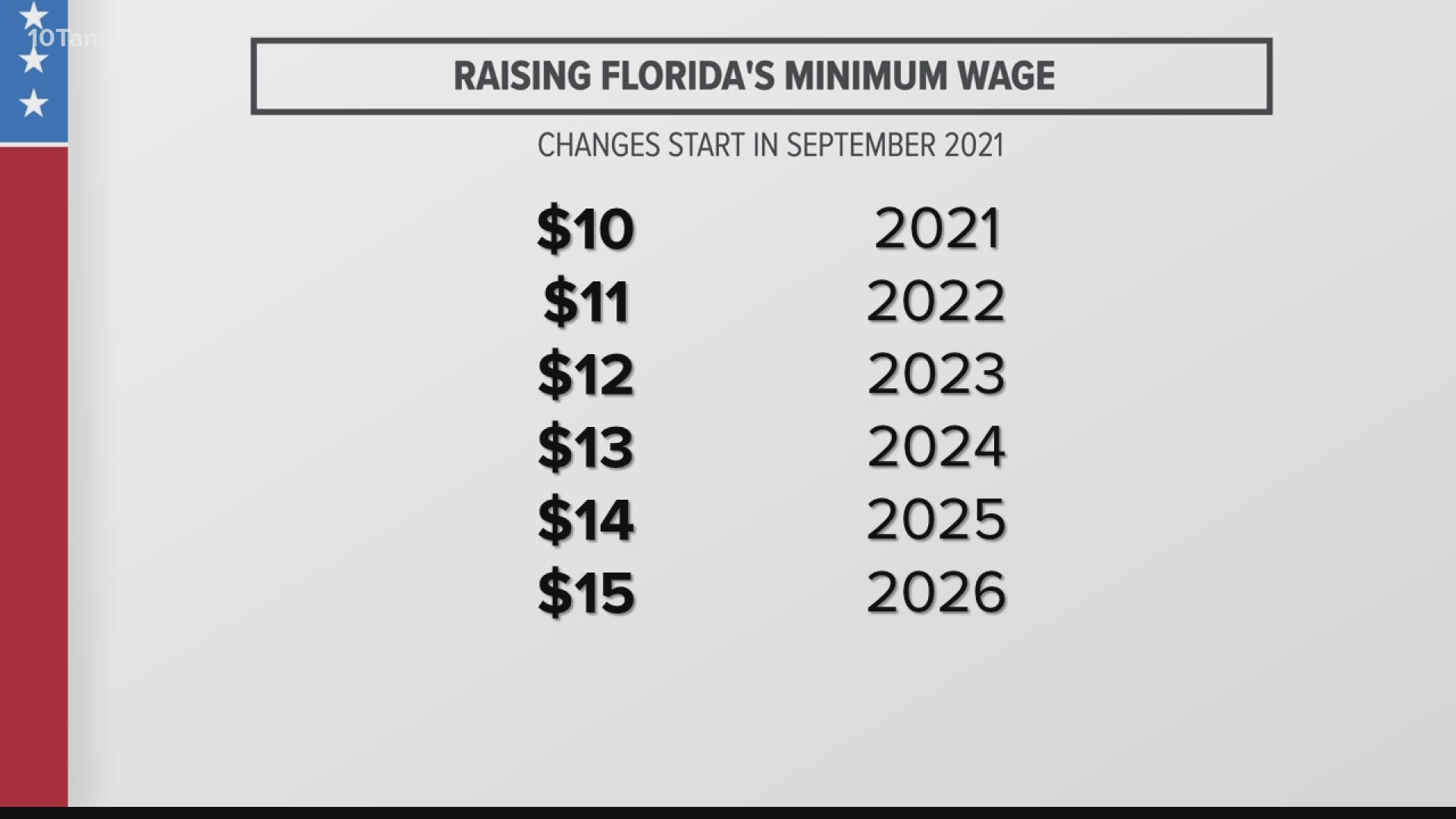
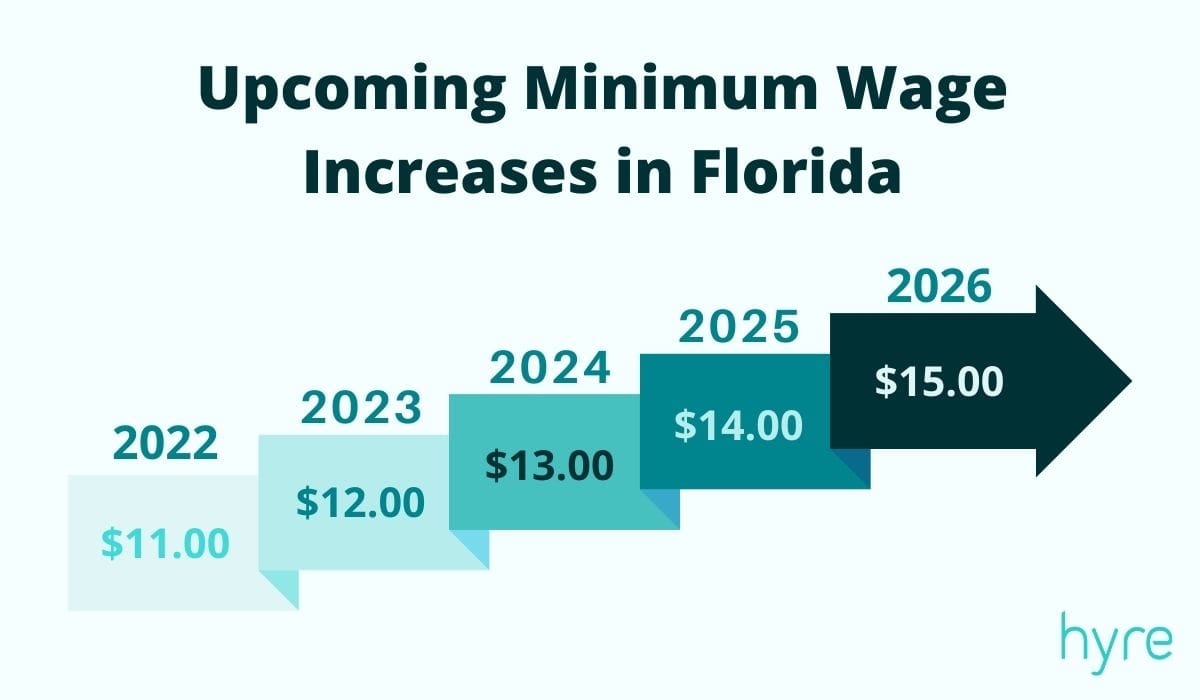
Florida’s journey towards a higher minimum wage began long before Amendment 2. For many years, the state’s minimum wage largely mirrored the federal standard. However, growing advocacy for a living wage, particularly in states with high tourism and service-sector employment, led to the 2020 ballot initiative. The progression is set out as follows:
- $10.00 per hour on September 30, 2021
- $11.00 per hour on September 30, 2022
- $12.00 per hour on September 30, 2023 (which became the standard for January 1, 2024)
- $13.00 per hour on September 30, 2024
- $14.00 per hour on September 30, 2025
- $15.00 per hour on September 30, 2026
After reaching $15.00 per hour, future adjustments will continue to be indexed to inflation. This predictable schedule allows businesses, from independent boutique hotels in Key West to sprawling theme parks like Walt Disney World and Universal Studios Florida, to anticipate and integrate these labor cost increases into their long-term financial models. For employees, especially those working in roles directly supporting the tourism sector – from front-desk staff at resorts to restaurant servers and attraction operators – this trajectory offers a clear path toward improved financial stability and enhanced lifestyle opportunities.
The Impact of Minimum Wage on Florida’s Tourism and Hospitality Sector
The hospitality and tourism sector is the bedrock of Florida’s economy, employing a vast number of individuals across various roles. The consistent increase in the minimum wage naturally sparks discussions about its multifaceted impact on businesses and their employees within this dynamic industry.
For Businesses: Navigating Labor Costs and Service Quality
For businesses operating within Florida’s competitive tourism market, rising labor costs due to minimum wage increases require strategic adjustments. Hotels, resorts, restaurants, airlines, and attractions must carefully manage their budgets to absorb these increases while maintaining profitability and high standards of service. Some common strategies include:
- Price Adjustments: Businesses may need to slightly increase prices for hotel stays, dining, and entry fees to offset higher wage expenses. This can affect the overall cost of a Florida vacation for travelers.
- Efficiency Improvements: Many businesses look for ways to enhance operational efficiency, which might involve investing in technology, streamlining processes, or optimizing staff scheduling.
- Employee Retention and Morale: A higher minimum wage can significantly boost employee morale, reduce turnover, and attract higher-quality candidates. This can lead to a more experienced and dedicated workforce, ultimately improving service quality and enhancing the visitor experience. A happy and well-compensated team is more likely to provide exceptional service, which is crucial for positive reviews and repeat business in the hospitality industry.
- Automation: In some areas, businesses might explore automation to reduce reliance on manual labor, though this is often balanced with the need for human interaction in service-centric roles.
Major players like Walt Disney World, Universal Studios Florida, and prominent hotel chains such as Marriott International and Hilton Worldwide have been proactively adapting their compensation structures. Their size allows for more comprehensive strategic planning, often setting benchmarks for smaller businesses. However, independent hotels, boutique resorts, and local restaurants also face these challenges, often with tighter margins. The goal for all is to find a balance where they can afford to pay fair wages without compromising the competitive pricing that makes Florida an attractive destination.
For Employees: Enhancing Lifestyles and Travel Opportunities
For the hundreds of thousands of individuals employed in Florida’s tourism sector, the rising minimum wage translates directly into a tangible improvement in their financial well-being and lifestyle. A higher wage means increased disposable income, which can be channeled into various areas:
- Improved Quality of Life: Employees can better afford necessities like housing, food, and transportation, reducing financial stress and leading to a healthier, more stable life.
- Local Economic Stimulation: With more disposable income, workers are more likely to spend money locally, patronizing local businesses, restaurants, and attractions. This creates a beneficial ripple effect throughout Florida’s economy.
- Increased Travel and Leisure: For many service industry workers, the prospect of leisure travel, even within their own state, becomes more attainable. A higher wage can mean the ability to save for a weekend getaway to the Florida Keys, a family trip to a theme park, or simply enjoying local cultural events and dining experiences that were previously out of reach. This directly aligns with the “Travel” and “Lifestyle” aspects of the website, showing how economic policy can empower local citizens to partake in their state’s offerings.
- Career Growth: Higher wages in entry-level positions can make the hospitality industry a more attractive career path, encouraging skill development and long-term commitment to a sector vital for Florida’s continued success.
The increase in minimum wage, therefore, isn’t just a number; it’s a catalyst for better living standards and greater participation in the very tourism economy they help sustain. This empowerment of the workforce ultimately contributes to the overall vibrancy and sustainability of Florida’s appeal as a destination.
Budgeting for Your Florida Getaway: How Minimum Wage Affects Travel Costs

When planning a trip to Florida, budget is often a primary consideration. The economic shifts brought about by minimum wage increases can subtly influence the cost of various aspects of your vacation. However, with smart planning, an incredible Florida experience remains accessible for all types of travelers.
Accommodation and Dining: What Travelers Can Expect
The increases in minimum wage can lead to slight adjustments in prices for accommodation and dining across the state.
- Hotels and Resorts: Expect to see some minor price increases in hotel rates, especially in areas with high operational costs like Miami Beach, Orlando near the theme parks, and exclusive resorts in places like Naples or Palm Beach. This is a natural response as properties adjust to higher labor expenses for cleaning staff, front desk personnel, and other service roles. However, Florida offers a vast range of accommodation options, from luxury suites and boutique hotels to more budget-friendly motels and vacation rentals. Savvy travelers can still find great deals by booking in advance, visiting during off-peak seasons, or exploring less-trafficked destinations.
- Restaurants and Cafes: Dining out is a quintessential part of any travel experience, and Florida boasts an incredible culinary scene, from fresh seafood in Tampa to international cuisine in Fort Lauderdale. Menu prices might see marginal increases to cover the higher wages of kitchen staff, servers, and bartenders. To manage dining costs, consider utilizing happy hour specials, looking for early bird discounts, or exploring local eateries away from the main tourist hubs, which often offer more authentic and affordable options. Cooking some meals in accommodations with kitchenettes, such as apartments or villas found through long-term stay options or vacation rentals, can also significantly reduce food expenses.
Attractions and Experiences: Value for Money
The cost of entry to Florida’s famous attractions – from the gates of Magic Kingdom to the airboat rides in the Everglades National Park – may also reflect the rising labor costs. However, the value proposition remains strong.
- Theme Parks and Major Attractions: Large theme parks like those in Orlando have sophisticated pricing strategies that consider various factors beyond just labor costs. While general admission might see incremental increases, these venues often offer multi-day passes, annual memberships, and package deals that can provide better value. The investment in higher wages for park employees, from ride operators to character performers, often translates to improved service, better guest experiences, and a more engaged staff, enhancing the overall quality of your visit.
- Tour Operators and Guides: For guided tours, excursions, and specialized experiences (e.g., fishing charters, snorkeling trips), expect prices to account for fair wages for guides and crew members. This ensures that you receive knowledgeable and dedicated service. Supporting these businesses also means supporting the local economy and its workers.
- Beyond the Major Players: Florida offers countless free or low-cost attractions and experiences. Exploring the beautiful beaches of Clearwater Beach, hiking in one of Florida’s State Parks, visiting a local farmer’s market, or enjoying free festivals can create memorable moments without breaking the bank. These alternatives become even more appealing for budget travelers.
In essence, while the minimum wage increases may contribute to a slight uptick in some travel expenses, Florida remains an incredibly diverse destination that caters to all budgets. The key is thoughtful planning, comparison, and a willingness to explore beyond the most obvious, often more expensive, options.
Exploring Florida on a Budget with the 2024 Minimum Wage in Mind
Traveling through Florida with an awareness of the 2024 minimum wage changes allows for smarter planning, ensuring an enriching experience without overspending. The state’s vastness and variety offer endless possibilities for budget-conscious travelers seeking authentic experiences.
Affordable Destinations and Activities
Florida is more than just Orlando and Miami. Numerous destinations offer incredible value and unique experiences.
- St. Petersburg / Sarasota: Located on the Gulf Coast, these cities boast stunning beaches, vibrant arts scenes, and fantastic dining options that can often be more affordable than their Atlantic Coast counterparts. Explore the Dalí Museum in St. Petersburg or the Ringling Museum in Sarasota, often with special discount days.
- Florida State Parks: With over 175 state parks, Florida offers unparalleled natural beauty at minimal cost. Enjoy hiking, kayaking, swimming in crystal-clear springs, or camping under the stars. Iconic parks like Bahia Honda State Park in the Florida Keys or Myakka River State Park near Sarasota provide rich nature experiences.
- Jacksonville and North Florida: This region offers a blend of history, natural beauty, and a burgeoning food scene. Explore the city’s vast park system, historical neighborhoods, and uncrowded beaches without the higher price tags found further south.
- Free Attractions: Many of Florida’s best experiences are free: miles of public beaches, historic downtown areas for walking tours, vibrant street art districts (like Wynwood Walls in Miami), and many local festivals and events. Consider a stroll through a local botanical garden or wildlife sanctuary.
Smart Planning for an Optimal Florida Experience
To maximize your travel budget in light of potential cost adjustments, consider these tips:
- Off-Season Travel: Visiting during shoulder seasons (spring or fall) or the summer months (excluding major holidays) can significantly reduce costs for flights and accommodation. You’ll also encounter fewer crowds at popular attractions.
- Book in Advance: Especially for popular destinations and periods, securing your flights, hotels, and rental cars well in advance can lock in better rates.
- Utilize Public Transportation or Carpool: In cities like Miami or Orlando, exploring public transportation options can save on parking and ride-sharing costs. For longer distances, carpooling with fellow travelers is a great option.
- Cook Your Own Meals: Opting for accommodations with kitchen facilities (like many vacation rentals or extended-stay hotels) allows you to prepare some of your own meals, which can lead to substantial savings compared to dining out for every meal.
- Look for Deals and Discounts: Many attractions, museums, and tour operators offer discounts for seniors, students, military personnel, or through online coupon sites. Check local tourism boards for special offers.
- Embrace the Local Culture: Engage with the local culture by exploring neighborhood markets, enjoying street food, and attending free community events. This not only saves money but also provides a more authentic and memorable experience.
By implementing these strategies, travelers can navigate the slight cost shifts associated with Florida’s minimum wage increase while still enjoying all the wonders the Sunshine State has to offer. The investment in fair wages for the local workforce ultimately supports a healthier, more vibrant community, which benefits everyone, including visitors seeking high-quality service and authentic experiences.
The Broader Economic Picture: Tourism, Wages, and Florida’s Future
The relationship between minimum wage, the tourism industry, and the overall economic health of Florida is complex yet fundamentally important. As the state moves towards a $15 minimum wage, understanding the broader implications is key to appreciating its long-term impact.
Sustaining a Thriving Tourism Economy
Florida’s reputation as a premier global destination hinges on the quality of its services and the dedication of its workforce. A fair wage structure plays a critical role in sustaining this reputation.
- Workforce Stability: Higher wages can lead to reduced employee turnover, meaning businesses retain experienced staff who are more knowledgeable about their roles and the destination. This consistency translates directly into better service for tourists, from the friendly welcome at a hotel reception to the efficient operation of a theme park ride.
- Enhanced Service Quality: When employees feel valued and adequately compensated, their morale and motivation improve. This often results in a higher standard of service, creating more positive experiences for visitors and bolstering Florida’s appeal. Happy employees contribute to happy guests, which is vital for positive reviews and repeat tourism.
- Economic Equity: By ensuring a more livable wage, the state fosters greater economic equity, which can lead to a more stable society. A stable society is an attractive backdrop for tourism, reflecting positively on the state’s image as a safe and welcoming place to visit.
- Business Innovation: Facing higher labor costs, businesses are often driven to innovate, becoming more efficient in their operations, investing in technology, and finding creative ways to add value to their services. This innovation can ultimately benefit the customer through improved experiences.
The challenge for policymakers and industry leaders is to strike a delicate balance: ensuring that businesses can remain competitive and profitable while simultaneously providing their employees with a fair and sustainable wage. This balance is crucial for the long-term health of Florida’s tourism economy.
A Look Ahead: What the Future Holds for Florida’s Workforce and Visitors
The journey to a $15 minimum wage by 2026 will undoubtedly continue to shape Florida’s economic and social landscape. For the workforce, particularly those in the pivotal tourism and hospitality sectors, it signifies a pathway to greater financial security and an improved lifestyle. This increased purchasing power will likely fuel further local economic activity, as employees spend more on housing, goods, and local entertainment.
For visitors, the incremental price adjustments in accommodation, dining, and attractions are likely to be gradual and integrated into the broader cost of travel. The expectation is that these increases will be offset by an enhanced service experience, reflective of a more stable and satisfied workforce. Florida will continue to be a top destination, with its diverse offerings catering to every budget and travel style. Whether you’re planning a luxury escape to South Beach or a budget-friendly family trip to the theme parks, understanding the underlying economic dynamics, including the minimum wage, helps in making informed decisions and appreciating the full context of your Florida adventure. The Sunshine State’s commitment to both its economy and its people ensures its continued allure for years to come.
LifeOutOfTheBox is a participant in the Amazon Services LLC Associates Program, an affiliate advertising program designed to provide a means for sites to earn advertising fees by advertising and linking to Amazon.com. Amazon, the Amazon logo, AmazonSupply, and the AmazonSupply logo are trademarks of Amazon.com, Inc. or its affiliates. As an Amazon Associate we earn affiliate commissions from qualifying purchases.