
Las Vegas, Nevada, is an iconic destination renowned globally as the “Entertainment Capital of the World.” Millions flock here annually to experience its glittering Las Vegas Strip, world-class hotels, vibrant nightlife, gourmet dining, and spectacular shows. This city’s unique allure is built upon the tireless efforts of a massive workforce, predominantly employed within the tourism and hospitality sectors. From the impeccably dressed concierges at the Bellagio to the diligent housekeepers at Caesars Palace, and the energetic dealers at the Fremont Street Experience, these individuals are the backbone of the Las Vegas experience. Understanding the minimum wage in this dynamic city is not just an economic inquiry; it’s a peek into the lifestyle of those who make the magic happen, and implicitly, how it shapes the overall visitor experience and the city’s economic ecosystem.
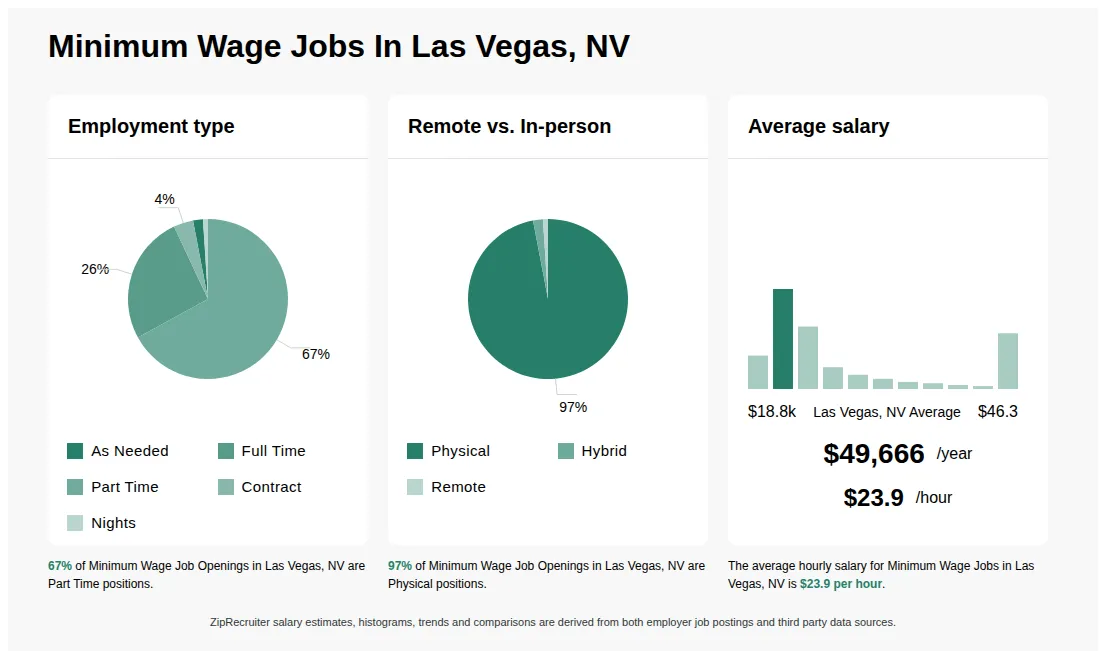
The minimum wage in Las Vegas, like the rest of Nevada, is subject to state regulations, which have seen significant changes and annual adjustments in recent years. These rates directly impact the livelihoods of a substantial portion of the population and influence everything from local spending power to the cost of services tourists consume. For those planning a trip or considering relocation, comprehending these economic realities provides a more holistic view of this extraordinary desert metropolis.
Understanding Nevada’s Minimum Wage Landscape
Unlike the federal minimum wage in the United States, which stands at a lower rate and hasn’t increased in over a decade, Nevada has its own state-mandated minimum wage that is considerably higher and subject to annual increments. This progressive approach aims to ensure that workers can better cope with the rising cost of living, especially in bustling areas like Las Vegas.
Current Rates and Annual Adjustments
As of July 1, 2023, the minimum wage in Nevada increased to $11.25 per hour. This marks a consistent pattern of annual increases, mandated by a ballot measure passed in 2019, known as Assembly Bill 456 (AB 456). This bill established a clear roadmap for incremental increases, aiming to reach $12.00 per hour by July 1, 2024. Prior to this, the state’s minimum wage was $10.50 per hour as of July 1, 2022. These adjustments are a crucial aspect of the state’s economic policy, reflecting an ongoing effort to balance business interests with the financial needs of its workforce. The consistency of these increases provides a degree of predictability for both employers and employees, allowing for better long-term planning. The Nevada State Legislature’s commitment to these increases underscores a broader commitment to worker welfare across the state, from the bustling casinos of Las Vegas to the quieter agricultural communities.
The Two-Tiered System: Benefits and Wages
A distinctive feature of Nevada’s minimum wage law is its two-tiered system. This system differentiates between employers who offer qualifying health benefits and those who do not.
- Employers Not Offering Health Benefits: For businesses that do not offer qualifying health insurance benefits to their employees, the minimum wage rates are set at the higher end of the scale. This is designed to incentivize employers to provide benefits, or alternatively, to compensate employees for the lack thereof.
- Employers Offering Health Benefits: For businesses that do offer qualifying health insurance benefits, they are permitted to pay a slightly lower minimum wage. This differential acknowledges the value of employer-provided benefits, which significantly contribute to an employee’s overall compensation package and well-being.
Historically, this tiered system has created a slight variation in wages, though the gap has been steadily narrowing with recent legislative changes. The specific criteria for “qualifying health benefits” are defined by the Nevada Department of Labor, ensuring that the benefits provided meet certain standards of coverage and affordability. This nuance is particularly relevant in the Las Vegas hospitality industry, where many large resorts and casinos are unionized and typically offer comprehensive benefits packages, often exceeding the minimum state requirements. This intricate system reflects a careful balancing act, attempting to foster responsible employer practices while safeguarding employee income and health.
The Minimum Wage and Las Vegas’s Thriving Tourism Economy
The economic engine of Las Vegas runs on tourism and hospitality. The millions of visitors each year rely on the services provided by hundreds of thousands of workers. Consequently, the minimum wage plays a critical role in shaping not only the lives of these employees but also the very fabric of the visitor experience and the operational strategies of businesses.
Impact on Hospitality Workers and Quality of Service
For the vast majority of individuals working in Las Vegas’s resorts, restaurants, casinos, and entertainment venues, the state’s minimum wage forms the base of their income. While many, especially in unionized positions, earn significantly more than the minimum wage, a substantial number of entry-level and service-oriented roles are directly affected by these rates. A higher minimum wage can contribute to improved morale, reduced turnover, and a greater sense of financial security for workers.
When employees feel valued and adequately compensated, it can translate directly into the quality of service they provide. In an industry as service-centric as Las Vegas tourism, a motivated and stable workforce is paramount. Whether it’s the friendly demeanor of a cocktail server at The Venetian Resort, the efficiency of a front desk agent at MGM Grand, or the attention to detail from housekeeping staff at Wynn Las Vegas, these interactions shape a visitor’s perception and overall enjoyment. A fair wage helps ensure that these workers can afford to live in the city they serve, reducing commute times and improving work-life balance, which in turn benefits the entire service ecosystem. This connection between employee well-being and customer satisfaction is a fundamental principle in the high-stakes world of Las Vegas hospitality.
Business Adaptations and Consumer Costs
From the perspective of businesses, particularly the sprawling resorts and countless smaller enterprises, increases in the minimum wage necessitate strategic adaptations. Employers may need to adjust their pricing structures, optimize operational efficiencies, or explore technological advancements to manage rising labor costs. For the smaller, independent businesses that dot Downtown Las Vegas or serve local communities in areas like Henderson or Summerlin, these changes can be more challenging to absorb than for major corporate entities like The Cosmopolitan of Las Vegas or Paris Las Vegas.
For consumers, particularly travelers, the impact of minimum wage increases is often indirect. You might not see a direct “minimum wage surcharge” on your hotel bill, but rather a slight, gradual increase in the overall cost of dining, entertainment, and accommodation. However, Las Vegas remains highly competitive, often offering excellent value for money compared to other major global destinations. The city’s massive scale and high volume allow many businesses to absorb increased labor costs more effectively. Furthermore, the practice of tipping in the United States means that a significant portion of service workers’ income comes from gratuities. While the minimum wage provides a crucial base, many service professionals in Las Vegas rely heavily on tips, which are often a reflection of the outstanding service they provide. This dynamic means that visitors, through their generosity, play an active role in supplementing the incomes of these dedicated individuals.
Navigating the Cost of Living in the Entertainment Capital
While the minimum wage in Nevada has been on an upward trend, it’s essential to evaluate it in the context of the actual cost of living in a major metropolitan area like Las Vegas. The city, despite its reputation for glitz and glamour, is home to a diverse population, many of whom are striving to make ends meet on wages that may barely cover basic necessities.
Rent, Essentials, and Disposable Income
The cost of living in Las Vegas has steadily risen over the past decade, mirroring trends across much of the United States. Housing, in particular, whether renting an apartment in Henderson or purchasing a home in Summerlin, constitutes the largest expense for most residents. Utilities, groceries, transportation (especially given the spread-out nature of the city), and healthcare also contribute significantly to monthly budgets.
For someone earning the state minimum wage, even with its recent increases, maintaining a comfortable lifestyle can be challenging. A single individual might find it difficult to afford a one-bedroom apartment without dedicating a substantial portion of their income to rent. This often necessitates roommates, longer commutes from more affordable outlying areas like Boulder City, or holding multiple jobs. Disposable income for entertainment, savings, or unexpected emergencies can be scarce. This reality highlights the ongoing struggle for many of Las Vegas’s essential workers, who are crucial to the city’s appeal but often face significant financial pressure. It’s a stark contrast to the often-perceived image of easy wealth associated with the city.
Budgeting for Life and Leisure in Las Vegas
For residents, careful budgeting is a necessity. While Las Vegas offers an abundance of free or low-cost entertainment options – from strolling the Las Vegas Strip to exploring natural landmarks like Red Rock Canyon National Conservation Area or Lake Mead – participating in the city’s more renowned attractions often comes with a price tag. Access to the famous buffets, shows at New York-New York Hotel & Casino, or the thrilling rides at Circus Circus can quickly add up.
The concept of “living like a local” often means seeking out community-focused events, utilizing local discounts, and finding affordable dining away from the main tourist corridors. For visitors on a budget travel plan, understanding the local economic landscape can inform choices, allowing them to appreciate the value of deals and promotions while also being mindful of the cost of labor that underpins the city’s services. Conversely, those indulging in luxury travel might not directly feel the impact of minimum wage on their personal expenses, but their choices ultimately contribute to the city’s economic vitality, including the wages of its workers. The cost of living is a perpetual negotiation in a city that caters to extremes of wealth and frugality.
Beyond the Strip: Broader Economic and Social Implications
The minimum wage is more than just a number; it’s a policy lever with far-reaching economic and social implications, especially in a city as unique as Las Vegas. Its influence extends beyond individual paychecks, affecting everything from economic stability to labor relations and the overall social fabric.
The Influence of Labor Unions and Advocacy
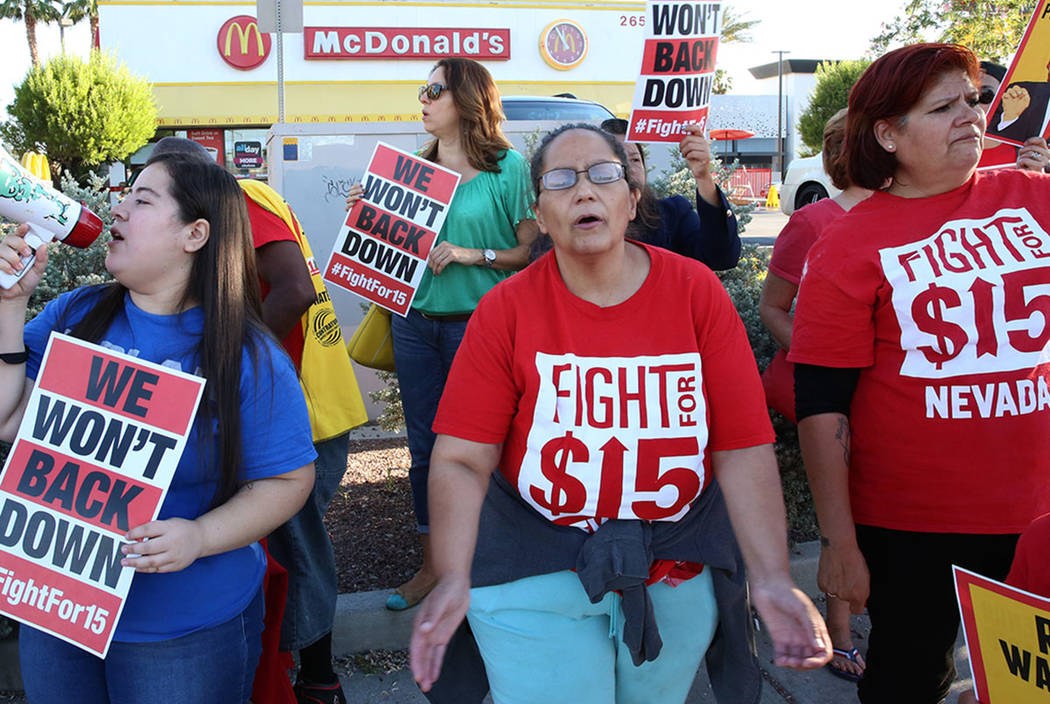
Las Vegas has a strong history of labor organizing, with powerful unions playing a significant role in advocating for workers’ rights and better wages. The Culinary Workers Union Local 226, for instance, is one of the largest and most influential unions in Nevada, representing tens of thousands of hospitality workers across the city, including those at properties like Mirage, Treasure Island, and Excalibur. These unions often negotiate contracts that set wages significantly above the state minimum, along with comprehensive benefits packages.
The presence and advocacy of these unions have historically pushed the envelope for better compensation and working conditions, not just for their members but for non-unionized workers as well, as employers strive to remain competitive in attracting and retaining talent. Union efforts have frequently been instrumental in driving statewide initiatives for minimum wage increases, demonstrating the collective power of organized labor in shaping economic policy in Nevada and beyond. Their ongoing negotiations with major casino operators, including companies owning resorts like Luxor and Golden Nugget, often set benchmarks that influence wage discussions across the industry.
A Glimpse into the Future of Wages and Work
The future of the minimum wage in Las Vegas is likely to see continued debate and potential adjustments. As the cost of living continues to evolve and economic conditions shift, there will be ongoing discussions about whether current minimum wage levels are truly a “living wage” in one of North America’s most dynamic cities. The rise of automation, particularly in the hospitality sector, presents another layer of complexity. While automation can increase efficiency, it also raises questions about the future of jobs and the need for new skills and equitable compensation for the human workforce.
Moreover, the interconnectedness of Las Vegas’s economy with neighboring states like California, Arizona, and Utah, and other major tourism hubs like Reno and Carson City, means that wage policies often interact with broader regional economic trends. These future discussions will continue to shape the economic landscape for both residents and businesses in Las Vegas, determining how the city sustains its allure while providing a sustainable lifestyle for its dedicated workers. The journey to a truly equitable wage remains an evolving narrative in this desert oasis.
Conclusion: A Balancing Act for Las Vegas’s Future
The minimum wage in Las Vegas, Nevada, is more than just a numerical value; it is a critical component of the city’s complex economic and social ecosystem. From its direct impact on the thousands of dedicated individuals who power the city’s world-renowned tourism and hospitality industries to its subtle influence on business operations and consumer prices, the minimum wage is inextricably linked to the pulse of Las Vegas.
The state’s progressive approach to increasing minimum wage, coupled with its unique two-tiered system, reflects an ongoing effort to ensure a fairer income floor for its workforce. However, the rising cost of living, particularly in housing and essentials, continues to present challenges for many, highlighting the ongoing debate about what constitutes a truly livable wage in a city celebrated for its grandeur and excess.
For visitors, understanding these dynamics enriches the travel experience, providing a deeper appreciation for the immense human effort behind the glittering façade. For residents and those considering a move, it’s a crucial factor in planning their finances and long-term outlook. As Las Vegas continues to evolve, from new attractions near Harry Reid International Airport to innovative developments on and off the Las Vegas Strip, the discussion around minimum wage will undoubtedly remain central to ensuring the city’s prosperity is shared more equitably. It’s a continuous balancing act, striving to maintain the city’s legendary allure while fostering a sustainable and dignified lifestyle for all who call this vibrant desert oasis home, whether they work behind the scenes or entertain front and center. The economic heartbeat of Las Vegas is intertwined with the financial well-being of its people, making the minimum wage a pivotal point of interest for anyone engaging with this captivating destination.
LifeOutOfTheBox is a participant in the Amazon Services LLC Associates Program, an affiliate advertising program designed to provide a means for sites to earn advertising fees by advertising and linking to Amazon.com. Amazon, the Amazon logo, AmazonSupply, and the AmazonSupply logo are trademarks of Amazon.com, Inc. or its affiliates. As an Amazon Associate we earn affiliate commissions from qualifying purchases.