
New York City is a vibrant metropolis, a global hub for finance, culture, fashion, and, of course, tourism. Millions flock to its bustling streets each year, drawn by iconic landmarks, world-class entertainment, and an unparalleled urban energy. Yet, beneath the glittering facade of Times Square and the towering presence of the Empire State Building, lies a complex economic reality, significantly shaped by the cost of living and, crucially, the minimum wage. For both aspiring residents considering a move to the Big Apple and travelers looking to understand the economic underpinnings of their visit, grasping the dynamics of the minimum wage is essential. It’s not just a number; it’s a critical factor influencing everything from the price of a cup of coffee to the nightly rate at a Manhattan hotel, and the daily lives of the dedicated individuals who power this city’s vast hospitality and service industries.
Understanding the minimum wage in New York City offers a window into the economic landscape that defines one of the world’s most expensive, yet desirable, places to live and visit. It affects workers in hotels, restaurants, retail, and attractions, many of whom are the first point of contact for tourists. For travelers, it subtly impacts the overall cost of their trip, from dining experiences to guided tours. For those considering long-term stays or even a career in the city’s robust tourism sector, it’s a foundational piece of financial planning. This comprehensive guide will delve into the current minimum wage, its historical trajectory, and its multifaceted impact on New York City’s unique lifestyle, bustling tourism industry, and the hardworking individuals who keep the city running 24/7.
Understanding New York City’s Minimum Wage Framework
The minimum wage in New York City is not a static figure but rather a dynamic component of labor policy, shaped by both state and local legislation. It’s significantly higher than the federal minimum wage, reflecting the city’s exceptionally high cost of living. This elevated wage floor aims to provide workers with a more livable income, even as it presents unique challenges and opportunities for businesses across various sectors, particularly within the service and hospitality industries that are vital to the city’s identity.
The Current Landscape and Recent Adjustments
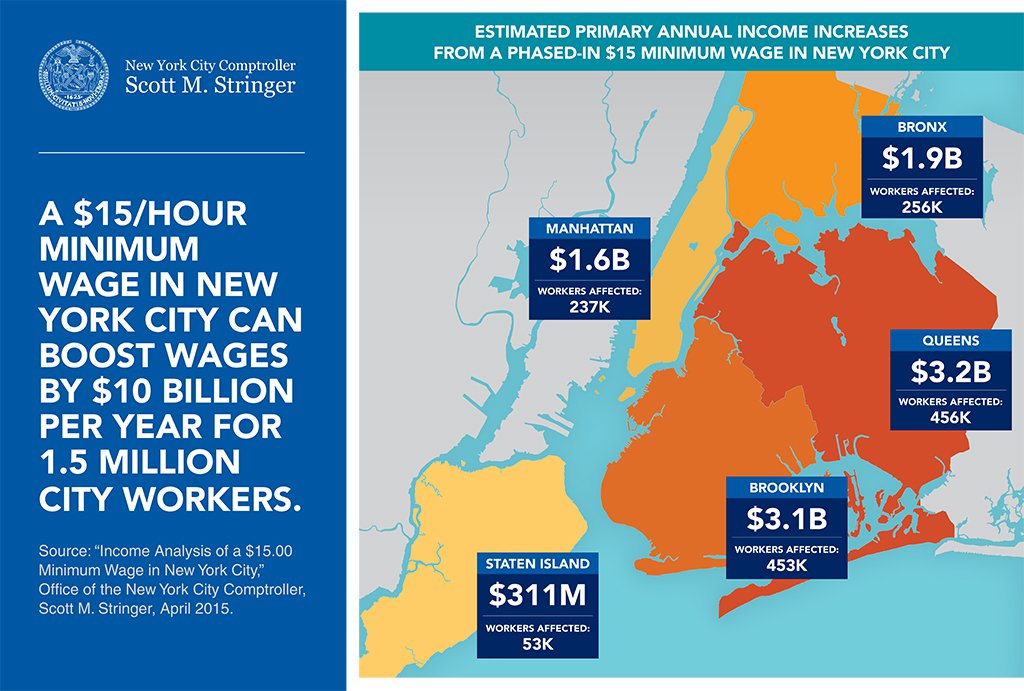
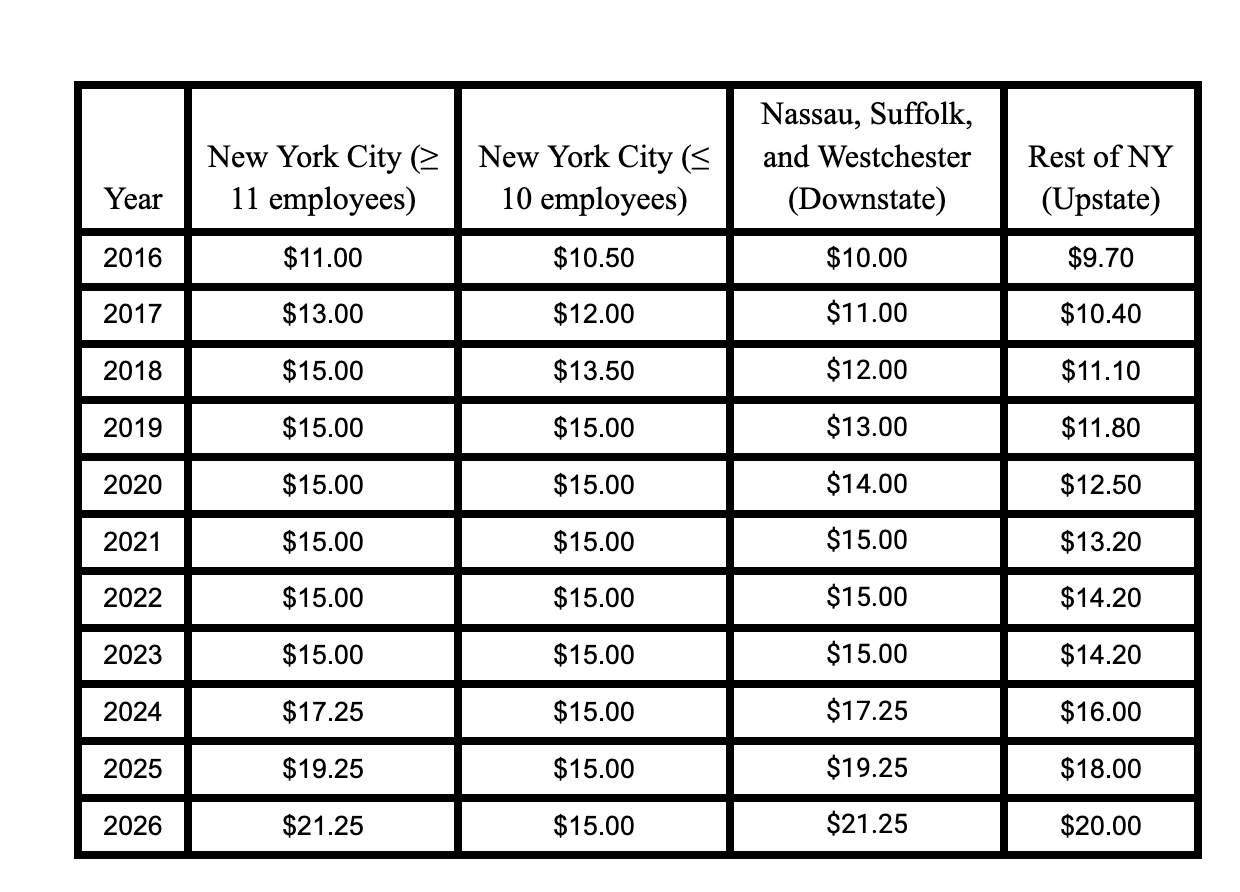
As of December 31, 2023, the minimum wage across New York City (encompassing all five boroughs: Manhattan, Brooklyn, Queens, the Bronx, and Staten Island) is $16.00 per hour. This rate applies to all employers, regardless of the size of their workforce. This marks a significant increase from previous years, part of a statewide plan to incrementally raise the minimum wage. The goal behind these periodic adjustments, often tied to inflation or economic indicators, is to ensure that wages keep pace with the rising costs of goods and services, providing a stronger safety net for low-wage workers.
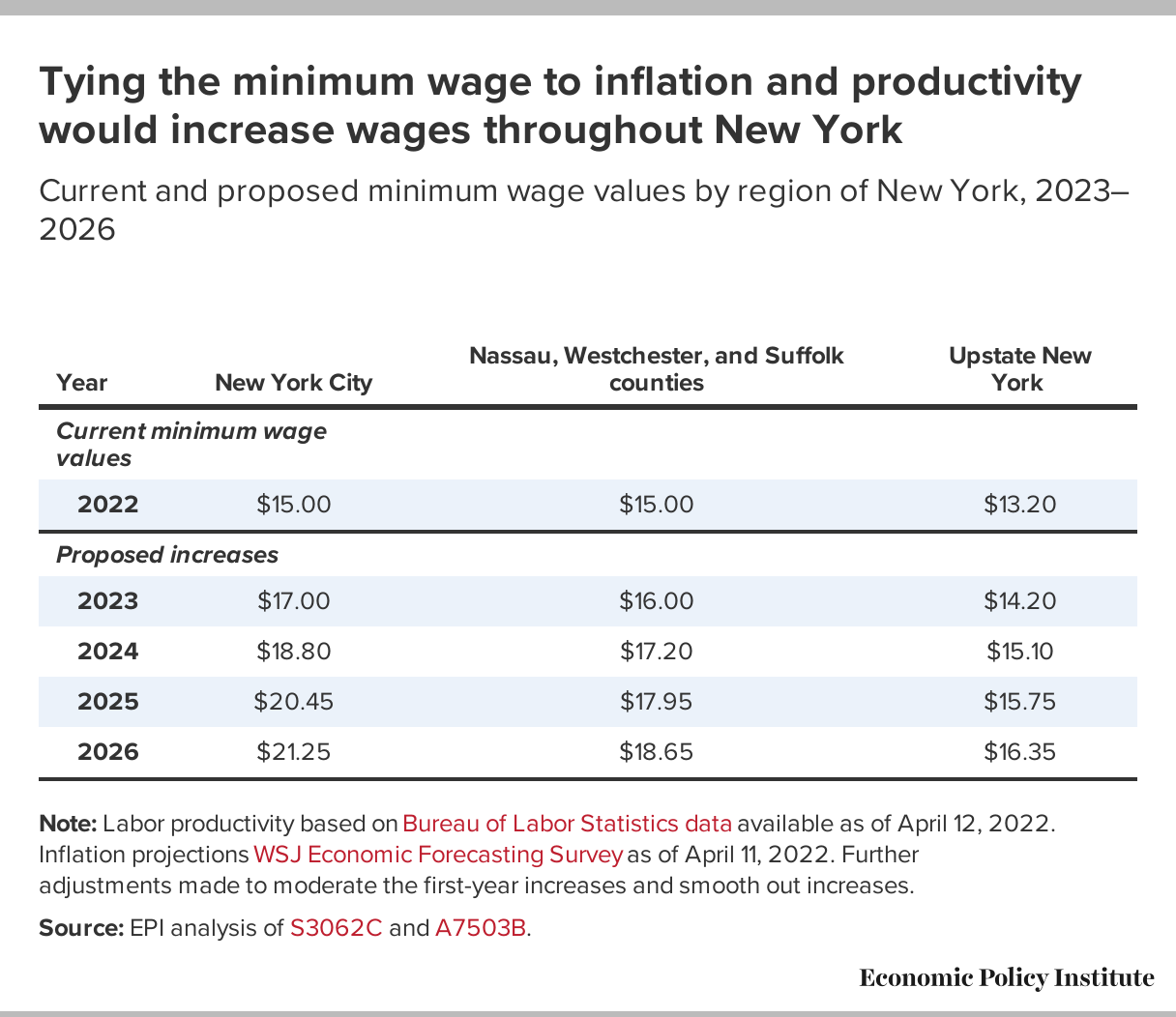
It’s important to note that the minimum wage has seen consistent increases over the past decade. For instance, in 2018, it was $13.00 for large employers and $12.00 for small employers, then unified and increased to $15.00 across the board by the end of 2018. This progression reflects a concerted effort by New York State to establish a more equitable wage floor, recognizing the distinct economic pressures faced by residents in its most expensive urban center. Future increases are also planned, with the wage set to rise to $16.50 on January 1, 2025, and further adjustments thereafter based on economic indices. These changes are crucial for both workers trying to make ends meet and businesses needing to plan their budgets and staffing strategies.
Understanding Tipped Employees and Minimum Wage Regulations
A particular nuance of minimum wage legislation in the hospitality sector pertains to tipped employees. In New York City, the regulations are designed to ensure that even those who rely on tips still receive a fair base wage. For employees who receive tips, such as waiters, bartenders, and hotel bellhops, the law permits employers to pay a “tip credit” minimum wage, which is lower than the standard minimum wage. However, employers must ensure that the employee’s combined earnings from this lower hourly wage plus their tips meet or exceed the standard minimum wage.
Specifically, for employees in the hospitality industry (e.g., restaurants, hotels), the minimum cash wage for tipped workers is set lower, with the employer claiming a tip credit. If the employee’s tips, when added to their cash wage, do not reach the standard minimum wage of $16.00 per hour, the employer is legally obligated to make up the difference. This system is designed to provide stability for service staff while acknowledging the significant role that tips play in their overall income. It means that whether you’re dining in a Michelin-starred restaurant or grabbing a quick bite from a food truck near Central Park, the people serving you are subject to these specific wage protections, which ultimately contributes to the quality of service visitors experience in New York City.
The Impact on New York City’s Tourism and Hospitality Sector
The minimum wage is more than just a payroll line item; it’s a foundational element influencing the entire ecosystem of New York City’s tourism and hospitality sector. From the grandest hotels in Midtown Manhattan to the smallest independent cafes in Greenwich Village, the wage policies ripple through operational costs, pricing strategies, and, most importantly, the livelihoods of the city’s vast service workforce. For a city that thrives on its ability to host and entertain millions, understanding this impact is paramount.
For Businesses: Hotels, Restaurants, and Attractions
For businesses in New York City, particularly those in the labor-intensive hospitality sector, minimum wage increases represent a significant operational consideration. Hotels, for instance, employ a large workforce ranging from front desk staff and housekeepers to concierge services and maintenance crews. Restaurants, from high-end dining establishments to casual eateries, rely heavily on their kitchen staff, servers, and hosts. Major attractions like the Metropolitan Museum of Art or Broadway theaters also have extensive staff for visitor services, security, and operations.
When the minimum wage rises, these businesses face increased payroll expenses. To offset these costs, some may adjust their pricing, leading to higher room rates, menu prices, or ticket costs. This is often an unavoidable consequence in an effort to maintain profitability and service quality. Other strategies might include optimizing staff schedules, investing in technology to improve efficiency (such as self-service kiosks at hotels or digital ordering systems in restaurants), or exploring more specialized service models. While these adjustments can sometimes be passed on to consumers, the competitive nature of New York City’s market means businesses must strike a delicate balance to remain attractive to both locals and tourists. The goal is to absorb some of the increased costs without pricing themselves out of contention, especially in a city with such a diverse range of accommodations and dining options.
For Employees: A Glimpse into Life in the Big Apple
While the minimum wage of $16.00 per hour might seem substantial compared to other parts of the country, it paints a challenging picture when juxtaposed with the exorbitant cost of living in New York City. Rent, for example, is notoriously high, with a median rent for a one-bedroom apartment in Manhattan often exceeding $4,000 per month, and even in more affordable boroughs like Brooklyn or Queens, it can still be well over $2,500. Public transportation, while extensive, also incurs daily costs, as do groceries, utilities, and other essential services.
For a full-time employee earning minimum wage, a gross monthly income would be approximately $2,560 (assuming 160 hours worked per month). After taxes and deductions, the disposable income is significantly less. This financial reality means that many minimum wage workers in New York City often hold multiple jobs, commute long distances from less expensive areas, or share accommodations with several roommates to afford living in or near the city. This daily grind is a testament to their resilience and dedication, often performed by the very individuals who welcome tourists at JFK Airport or serve them their meals near Rockefeller Center. Their work ethic and perseverance are intrinsic to the city’s charm and efficiency, yet they face profound economic pressures daily.
For Travelers: Budgeting Your New York City Experience
For visitors to New York City, the minimum wage indirectly influences their travel budget in several ways. Firstly, as discussed, increased labor costs for hotels, restaurants, and attractions can translate into higher prices for services. A meal at a restaurant, a souvenir from a shop, or a ticket to a Broadway show may carry a slightly higher price tag than in cities with lower minimum wages. This contributes to New York City’s reputation as an expensive destination.
Secondly, the minimum wage environment also shapes tipping culture. While the legal framework ensures a base wage for tipped workers, tips remain a crucial component of their income, especially given the high cost of living. Travelers accustomed to tipping certain percentages elsewhere might find that in New York City, there’s an expectation for generous tipping to acknowledge the challenging economic conditions faced by service staff. Budgeting for tips, therefore, becomes an even more significant consideration for tourists, affecting their overall spending on dining, taxis, and hotel services. Understanding this dynamic helps travelers not only manage their finances but also appreciate the economic realities that shape the service culture of the city.
Navigating New York City: Lifestyle and Affordability
The minimum wage in New York City is a key factor in the city’s broader discussion about lifestyle and affordability. It’s a city where luxury coexists with struggle, where million-dollar apartments overlook neighborhoods grappling with economic disparities. For both residents and visitors, navigating this landscape requires awareness and strategic planning, whether it’s for finding an affordable long-term stay or simply budgeting for a memorable vacation.
Balancing Cost and Experience: Strategies for Travelers
New York City offers experiences across the entire spectrum of budgets, from opulent luxury travel to incredibly frugal adventures. While the minimum wage impacts overall pricing, clever travelers can still enjoy the city without breaking the bank. For instance, instead of dining exclusively at high-end restaurants, explore the city’s vast array of casual eateries, food trucks, and diverse ethnic cuisines found in neighborhoods like Flushing, Queens, or Jackson Heights. Many world-class attractions, such as walking across the Brooklyn Bridge, exploring Central Park, or visiting some museums on free admission days, cost little to nothing.
Accommodation is often the largest expense for travelers. Options range from luxury resorts with panoramic views to budget-friendly hotels and even hostels, especially in areas like Long Island City or Bushwick, Brooklyn. Utilizing public transportation, like the extensive subway system, is not only cost-effective but also an authentic way to experience the city. For those on a tight budget, understanding the local economic conditions, including the minimum wage, can help set realistic expectations for service costs and guide decisions on how and where to spend, ensuring a rich experience without financial strain.
Beyond the Wage: The True Cost of Living in New York City
For those aspiring to make New York City their home, particularly in entry-level positions where minimum wage applies, the financial reality is stark. Beyond housing, transportation costs can add up, with monthly unlimited subway passes providing some relief but still representing a significant expense. Groceries, while varying in price depending on the store and neighborhood, are generally higher than the national average. Healthcare, childcare, and even basic entertainment can quickly deplete a minimum wage earner’s income.
This high cost of living means that even with a comparatively high minimum wage, financial stability remains a significant challenge for many. It often necessitates trade-offs in lifestyle, such as living further from work, foregoing certain amenities, or sharing expenses extensively. The vibrant culture, diverse opportunities, and unique energy of New York City continue to attract individuals, but they do so knowing that the economic hurdle is substantial. The minimum wage, while a critical baseline, is just one piece of the complex puzzle of affordability in one of the world’s most dynamic and demanding cities. It highlights the immense dedication and resilience of those who choose to live and work here, contributing to the city’s unparalleled character and charm.
In conclusion, the minimum wage in New York City is a multifaceted issue, touching upon economics, social welfare, and the very fabric of urban life. For travelers, it subtly shapes their experiences and budgeting choices, influencing everything from hotel prices to the nuances of tipping. For the vast workforce in the city’s pivotal tourism and hospitality sectors, it’s a critical lifeline, though one often stretched thin by the city’s notoriously high cost of living. As New York City continues to evolve, so too will its economic landscape, with the minimum wage remaining a central point of discussion for ensuring both business viability and equitable living standards in the city that never sleeps.
LifeOutOfTheBox is a participant in the Amazon Services LLC Associates Program, an affiliate advertising program designed to provide a means for sites to earn advertising fees by advertising and linking to Amazon.com. Amazon, the Amazon logo, AmazonSupply, and the AmazonSupply logo are trademarks of Amazon.com, Inc. or its affiliates. As an Amazon Associate we earn affiliate commissions from qualifying purchases.