
Oregon, a state renowned for its stunning natural beauty, vibrant cities, and a unique blend of progressive culture, is a top destination for travelers worldwide. From the rugged shores of the Oregon Coast to the majestic peaks of the Cascades and the verdant vineyards of the Willamette Valley, this Pacific Northwest gem offers an unparalleled array of experiences. For those planning a visit, considering a move, or simply curious about the economic landscape, understanding the minimum wage in Oregon is more than just a matter of economic policy; it’s a crucial insight into the cost of living, the pricing of goods and services, and ultimately, how to budget for an unforgettable journey or a comfortable lifestyle within its borders.
The concept of minimum wage is often perceived purely through an economic lens, but its ripple effects are felt across all sectors, including tourism and hospitality. A state’s minimum wage directly influences the operational costs for businesses – from charming bed and breakfasts to bustling urban restaurants, and from local tour operators to grand resorts. These costs, in turn, affect the prices consumers pay for everything from a craft beer in Portland to a night’s stay in Bend or a souvenir from Cannon Beach. For travelers, understanding Oregon’s minimum wage can help in planning travel budgets, anticipating expenses, and even appreciating the value behind the services they receive. This article delves into the specifics of Oregon’s minimum wage system and explores its broader implications for tourism, accommodation, and the lifestyle choices that define the Oregon experience.
Understanding Oregon’s Tiered Minimum Wage System
Oregon stands out among United States states for its unique tiered minimum wage structure, designed to reflect the varying cost of living across different regions. This system acknowledges that the economic realities of a bustling metropolis like Portland are vastly different from those in a rural county in Eastern Oregon. The state’s approach ensures a more equitable wage floor, though it adds a layer of complexity for those trying to understand the exact rates.
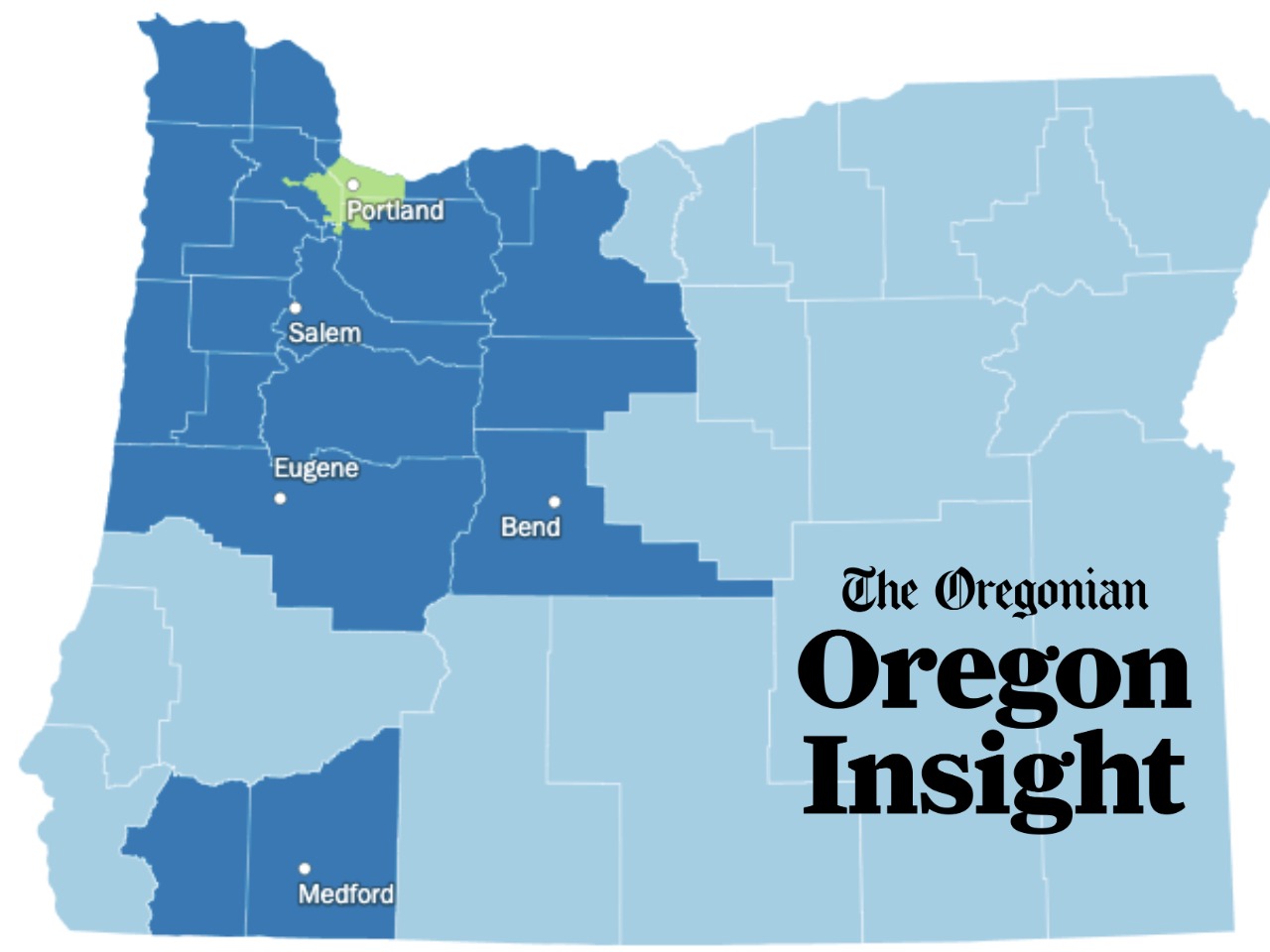
The minimum wage rates in Oregon are adjusted annually on July 1, 2024, based on the Consumer Price Index (CPI). For those planning to visit or explore the state’s diverse regions, it’s essential to be aware of the specific rate applicable to their chosen destination. As of the July 1, 2024 adjustment, the rates are set as follows:
The Standard Minimum Wage
The “Standard” minimum wage applies to the majority of Oregon’s counties, encompassing a broad range of areas outside the designated Portland Metro area and the Non-Urban counties. This rate serves as the baseline for a significant portion of the state’s workforce and dictates the cost of labor for many businesses.
As of July 1, 2024, the Standard Minimum Wage in Oregon is $14.70 per hour. This rate applies to popular tourist destinations like Bend, Salem, and Eugene, as well as much of the scenic Oregon Coast and the agricultural heartland of the Willamette Valley. For travelers exploring these regions, this wage directly influences the pricing of accommodations, dining, and various services.
Portland Metro Area Wage
The highest minimum wage in Oregon is reserved for the Portland Metro Area. This region, a hub of culture, commerce, and tourism, has a significantly higher cost of living compared to other parts of the state. The elevated minimum wage here reflects these increased expenses, ensuring that workers in the urban core can better afford local necessities.
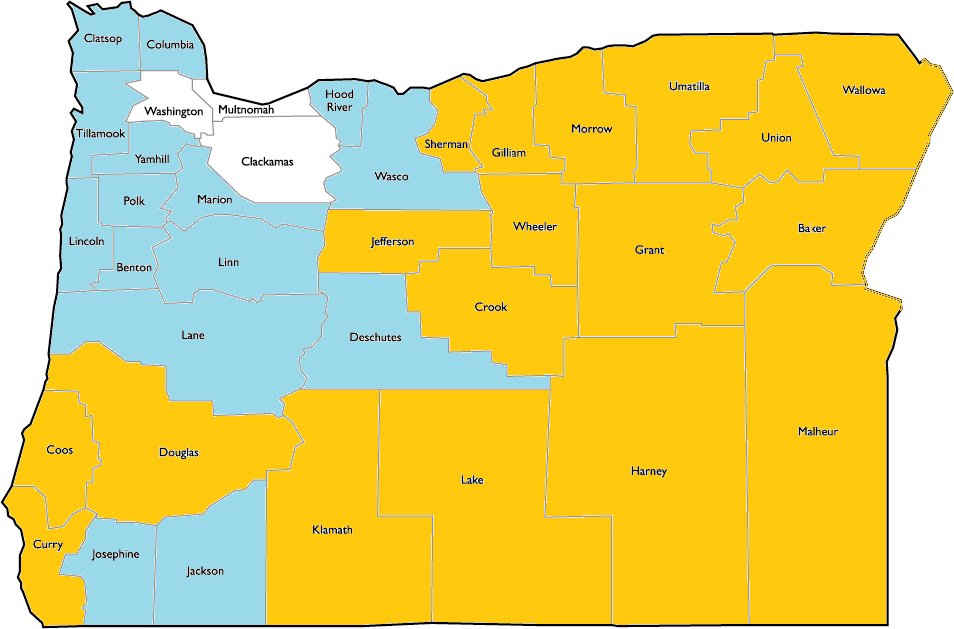
As of July 1, 2024, the Portland Metro Area Minimum Wage is $15.95 per hour. This rate applies to employers within the urban growth boundary of Portland and surrounding cities, including parts of Multnomah, Washington, and Clackamas counties. Visitors to Portland should expect higher prices for everything from boutique hotel stays to gourmet meals and public transportation, a direct consequence of the higher operational costs faced by businesses in this thriving metropolitan area.
Non-Urban County Wage
Conversely, certain non-urban, less populated counties in Oregon have a slightly lower minimum wage. This adjustment is made to account for the generally lower cost of living and potentially different economic landscapes in these more rural areas. While these regions may not experience the same volume of tourism as Portland or the Oregon Coast, they offer unique attractions, from vast wilderness areas to charming small towns.
As of July 1, 2024, the Non-Urban County Minimum Wage is $13.70 per hour. This rate applies to counties such as Grant, Harney, Malheur, Sherman, and Wallowa. Travelers venturing into Eastern Oregon or Southern Oregon’s less populated areas might find that some services and goods are priced more affordably compared to the state’s higher-wage regions, offering a distinct advantage for budget-conscious explorers.
These tiered wages demonstrate Oregon’s commitment to a nuanced economic policy that attempts to balance worker welfare with regional economic realities. For anyone planning a trip or considering an extended stay, understanding these distinctions is the first step toward effectively budgeting and experiencing all that Oregon has to offer.

The Impact on Travel and Tourism in Oregon
The minimum wage in Oregon is not merely a number for economists or employers; it’s a fundamental factor shaping the travel and tourism landscape across the state. From the price of a coffee to the cost of a luxury resort stay, the tiered wage system has a tangible effect on the experiences awaiting visitors. Understanding this relationship can empower travelers to make more informed decisions and appreciate the underlying value of their Oregon adventure.
Cost of Living and Tourist Expenses
A higher minimum wage generally translates to a higher cost of doing business, which often influences the prices passed on to consumers. For tourists, this means that daily expenses such as meals, local transportation, and entry fees to attractions may be higher in Oregon’s higher-wage areas, particularly the Portland Metro Area. For instance, a meal at a popular restaurant in Portland might carry a slightly higher price tag than a similar meal in a non-urban county, partly due to the increased labor costs for restaurant staff.
However, this doesn’t diminish the value. Many argue that a livable wage for hospitality workers contributes to higher quality service and a more stable workforce, enhancing the overall tourist experience. When employees are fairly compensated, it often leads to greater job satisfaction, reduced turnover, and a more dedicated, knowledgeable staff eager to provide exceptional service, from hotel concierges to tour guides exploring the Columbia River Gorge or the Crater Lake National Park.
Accommodation Costs and Hospitality Services
The minimum wage has a significant bearing on the accommodation sector, which is a cornerstone of the travel industry. Hotels, resorts, vacation rentals, and even campgrounds employ staff for a wide range of services, including cleaning, front desk operations, maintenance, and food service. Higher minimum wages mean increased payroll expenses for these establishments.
In turn, these increased costs are typically reflected in room rates. Travelers might notice that hotels in the Portland Metro Area, or popular coastal towns like Cannon Beach or Astoria (which fall under the Standard wage), tend to have higher prices per night. Luxury accommodations, which often provide more extensive services and a higher staff-to-guest ratio, will feel this impact more acutely. Conversely, in the non-urban counties, where the minimum wage is lower, visitors might find more budget-friendly lodging options, ranging from quaint motels to rustic cabins, offering a different kind of authentic Oregon experience. This differential pricing across regions helps guide travelers in selecting accommodations that align with both their budget and their desired level of service.
Dining and Local Experiences
Oregon is a culinary paradise, famous for its farm-to-table ethos, craft breweries, vineyards, and diverse food scene. From upscale dining in Portland to fresh seafood shacks on the Oregon Coast and local eateries in Ashland, food is a vital part of the travel experience. The minimum wage directly impacts labor costs for chefs, servers, kitchen staff, and baristas.
Consequently, menu prices at restaurants and cafes throughout Oregon often reflect these labor costs. In areas with higher wages, a coffee, a pastry, or a full-course meal may be priced higher. Furthermore, the practice of tipping, while customary throughout the United States, can be viewed differently in states with higher minimum wages, although tipping culture generally remains strong in Oregon. For travelers, this means budgeting appropriately for dining out, recognizing that the prices contribute to supporting the livelihood of local workers who craft these memorable culinary experiences.
The minimum wage, therefore, weaves itself into the fabric of the Oregon travel experience, influencing not just prices but also the quality and sustainability of the state’s vibrant tourism industry.
Budgeting Your Trip to Oregon: A Lifestyle Perspective
Planning a trip to Oregon involves more than just picking destinations; it requires a smart approach to budgeting, especially given the state’s tiered minimum wage system and its influence on local costs. By understanding how wages impact prices across different regions, travelers can tailor their itinerary to suit their financial preferences and maximize their experience. Adopting a strategic lifestyle approach to travel planning in Oregon means making informed choices that balance desired experiences with practical spending.
Planning for Different Regions
The most crucial aspect of budgeting in Oregon is recognizing the wage-driven cost variations across its distinct regions.
- Portland Metro Area: As the highest-wage zone, Portland will generally be the most expensive for accommodation, dining, and nightlife. If your trip heavily focuses on Portland, allocate a larger portion of your budget for these categories. Consider staying slightly outside the immediate downtown core, utilizing public transit, or exploring more budget-friendly food cart options, for which Portland is famously known.
- Standard Wage Areas: Regions like Bend, the popular Oregon Coast towns (e.g., Cannon Beach, Newport), and the Willamette Valley wine country will fall somewhere in the middle. Prices here will be higher than non-urban areas but generally more approachable than Portland. Accommodation can be diverse, from charming boutique hotels to family-friendly resorts. Dining offers a mix of casual and upscale, with fresh local produce and seafood often taking center stage.
- Non-Urban Counties: For the most budget-conscious travelers seeking vast open spaces and an authentic rural experience, exploring Eastern Oregon or Southern Oregon’s less populated areas can be a cost-effective choice. While tourism infrastructure might be less developed, the natural beauty is boundless. Expect lower prices for basic services, gas, and potentially some lodging options. This is where you might find more rustic accommodations or the perfect spot for camping under the stars.
By strategically moving between these regions or focusing your trip on specific wage zones, you can control your overall spending while still enjoying a diverse Oregon experience.
Smart Spending Tips for Travelers
Beyond regional planning, several lifestyle choices can help travelers manage their budget in Oregon regardless of the local minimum wage.
- Accommodation Alternatives: Look beyond traditional hotels. Consider vacation rentals, hostels (especially in Portland), or camping. Oregon boasts an incredible state park system and national forests that offer affordable, scenic camping options, perfect for embracing the state’s natural beauty.
- Self-Catering and Picnics: Take advantage of Oregon’s fantastic farmers’ markets and grocery stores. Preparing some of your own meals, especially breakfast and packed lunches for day trips to places like Crater Lake National Park or Mount Hood, can significantly reduce dining expenses. Picnics amidst stunning landscapes are also an unforgettable part of the Oregon lifestyle.
- Leverage Free Attractions: Oregon is rich in natural wonders that cost nothing to admire. Hiking trails, scenic drives along the Oregon Coast, exploring waterfalls in the Columbia River Gorge, and enjoying public parks and beaches are all free activities that offer immense value. Many cities also offer free walking tours or public art displays.
- Public Transportation and Carpooling: In Portland, utilize the efficient TriMet system (buses, MAX light rail, and streetcar) to save on parking and ride-sharing costs. If exploring rural areas, carpooling with travel companions can split fuel costs.
- Visit During Off-Peak Seasons: Traveling during the shoulder seasons (spring and fall) or winter can often result in lower prices for flights and accommodations, offering a more budget-friendly approach to experiencing Oregon’s charm without the summer crowds.
- Look for Deals and Packages: Many hotels and tour operators offer seasonal promotions or package deals, especially outside the peak summer months. Subscribing to newsletters from Oregon tourism boards or specific attractions can alert you to potential savings.
By thoughtfully applying these tips, travelers can navigate Oregon’s economic landscape and craft a travel experience that is both fulfilling and financially manageable, truly embodying the spirit of responsible and enjoyable travel.
Oregon’s Unique Appeal Beyond the Price Tag
While the minimum wage discussion highlights the economic realities influencing travel costs in Oregon, it’s crucial to remember that the state’s allure extends far beyond mere price tags. Oregon’s true value lies in its unparalleled natural beauty, vibrant cultural scene, and a strong commitment to quality and sustainability. These elements collectively offer experiences that are rich, authentic, and often priceless, ensuring that every dollar spent contributes to something genuinely worthwhile.
World-Class Attractions and Natural Wonders
Oregon is a treasure trove of iconic landmarks and breathtaking natural attractions that draw millions of visitors annually. These wonders, often free or with minimal entry fees, represent immense value regardless of local wage structures.
- Crater Lake National Park: The deepest lake in the United States, Crater Lake National Park is a vision of pristine blue, offering stunning scenic drives, hiking, and unparalleled photography opportunities. The sheer grandeur of this volcanic caldera is an experience money cannot truly buy.
- Columbia River Gorge: Home to majestic waterfalls like Multnomah Falls and Horsetail Falls, the Columbia River Gorge is a paradise for hikers, sightseers, and windsurfing enthusiasts. The natural beauty here is accessible and captivating.
- Oregon Coast: Stretching for over 360 miles, the Oregon Coast is a public playground, offering dramatic sea stacks at Cannon Beach, charming fishing villages like Astoria and Tillamook, and endless opportunities for beachcombing, whale watching, and storm gazing.
- Mount Hood: The highest peak in Oregon, Mount Hood provides year-round outdoor recreation, from skiing and snowboarding in winter to hiking and mountain biking in summer, with the iconic Timberline Lodge offering a historic stay.
- Willamette Valley Wine Country: For those who appreciate fine wines, the Willamette Valley offers hundreds of wineries producing world-class Pinot Noir amidst picturesque landscapes. Wine tasting experiences, while they come with a fee, offer an immersive cultural experience that speaks to Oregon’s dedication to quality agriculture.
These attractions provide an inherent value that often outweighs any variations in localized costs, making Oregon an incredibly rewarding destination.
Supporting Local Businesses and Sustainable Tourism
Oregon’s commitment to a higher minimum wage is often intertwined with its broader values of sustainability, local support, and social equity. When you spend money in [Oregon](https://lifeoutofthebox.com/oregon], especially on small businesses, local accommodations, or independent restaurants, you are directly contributing to an economy that prioritizes fair wages and worker well-being. This in turn supports a vibrant local culture and economy, which are precisely what many travelers seek when exploring new destinations.
Choosing to stay at a local inn in Hood River, dining at a farm-to-table restaurant in Ashland, or purchasing artisan crafts in Portland means your money circulates within the community, fostering a more resilient and authentic travel environment. This form of responsible tourism ensures that the places you visit remain distinctive and that the people who live and work there thrive. The slightly higher cost you might encounter in some areas can be seen as an investment in the quality of the service, the integrity of the products, and the well-being of the local communities that make Oregon such a special place to visit. The value of these experiences, which connect you with the heart and soul of the destination, often transcends any numerical cost.
In conclusion, while the minimum wage in Oregon – with its tiered structure – does influence the cost of travel and living, it also contributes to a high standard of service, supports local economies, and underpins the unique lifestyle that makes the state so appealing. By understanding these dynamics and planning accordingly, visitors can fully immerse themselves in Oregon’s exceptional landscapes, vibrant cities, and rich culture, ensuring a truly memorable journey.
LifeOutOfTheBox is a participant in the Amazon Services LLC Associates Program, an affiliate advertising program designed to provide a means for sites to earn advertising fees by advertising and linking to Amazon.com. Amazon, the Amazon logo, AmazonSupply, and the AmazonSupply logo are trademarks of Amazon.com, Inc. or its affiliates. As an Amazon Associate we earn affiliate commissions from qualifying purchases.