
For anyone planning to explore the vast landscapes and vibrant cities of the Lone Star State, understanding the economic fabric of a destination is as crucial as picking the perfect itinerary. While discussions around travel, accommodations, and local culture often focus on attractions and experiences, a lesser-talked-about, yet fundamental, aspect is the minimum wage. For travelers, this insight offers a subtle yet significant lens through which to view the cost of services, tipping etiquette, and the overall economic landscape that shapes the hospitality industry. For those considering a longer stay or even relocation, it provides a foundational understanding of the local lifestyle and economic viability.
Texas, a state known for its economic prowess, diverse industries, and booming population, operates within a unique framework when it comes to minimum wage standards. Unlike some other major tourist destinations in the United States that have adopted higher state-specific or city-specific minimum wages, Texas currently adheres to the federal standard. This adherence has widespread implications, influencing everything from the pricing of a meal at a local eatery in Austin to the wages earned by the staff welcoming you to a luxury resort on South Padre Island. This article will delve into the specifics of the minimum wage in Texas, exploring its impact on the state’s thriving travel and tourism sectors, and offering insights for visitors and prospective residents alike.
Understanding Texas’s Minimum Wage Landscape
Navigating the economic nuances of a destination is a key part of informed travel planning. In Texas, the minimum wage structure is particularly straightforward, yet its implications are complex when viewed through the lens of a bustling economy and diverse geographic regions.
The Federal Standard in the Lone Star State
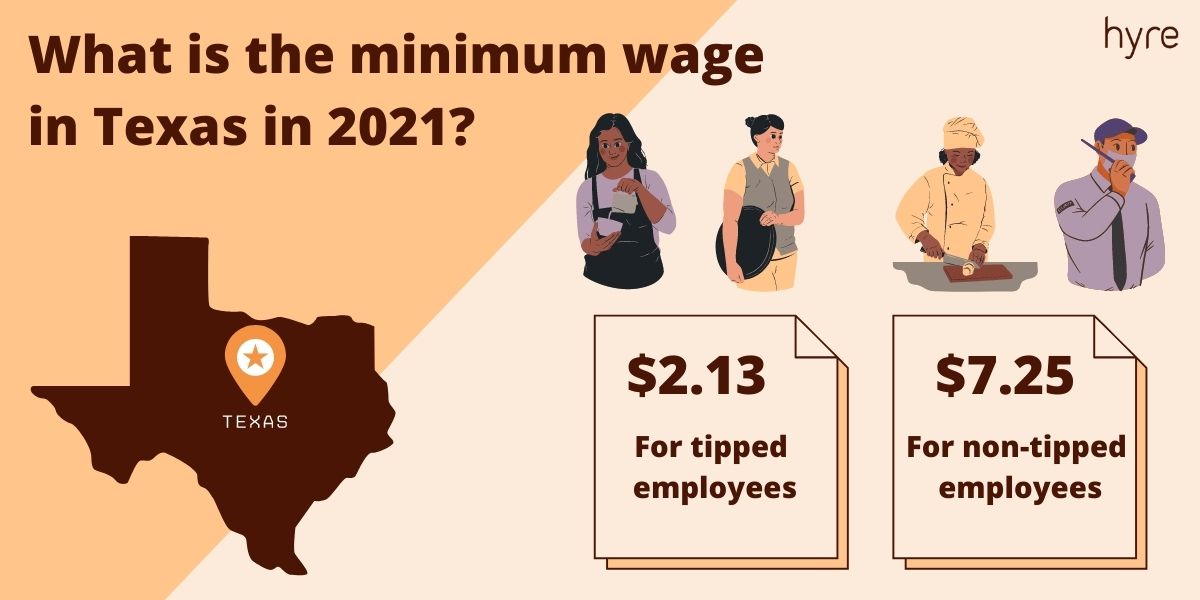
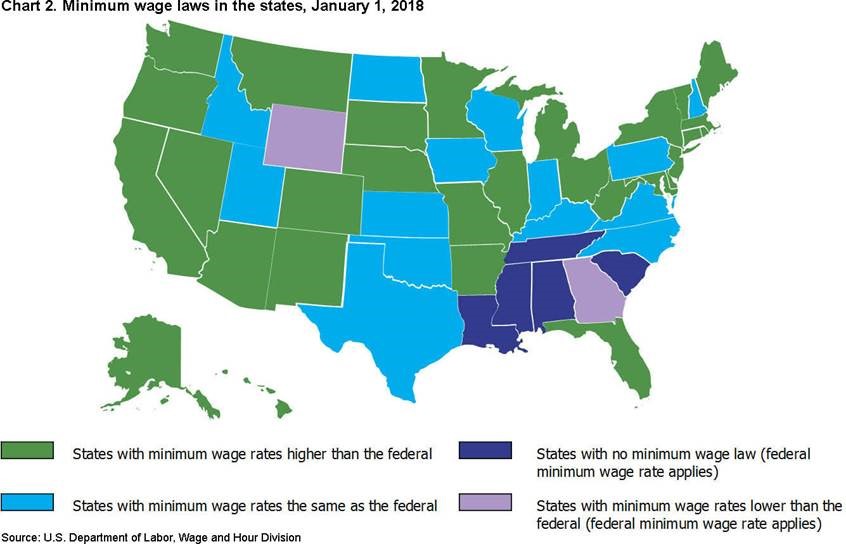
As of the latest updates, the minimum wage in Texas aligns with the federal minimum wage set by the U.S. Department of Labor. This means that, for most non-exempt employees, the minimum hourly rate is $7.25. This standard has been in effect since July 24, 2009. Unlike states such as California or New York, which have implemented their own higher state-mandated minimum wages, Texas has not enacted a state law that supersedes the federal rate. Furthermore, while many major cities across the United States have passed local ordinances for higher minimum wages (e.g., Seattle, San Francisco), no city in Texas currently has a higher local minimum wage requirement.
This consistent adherence to the federal standard means that whether you are visiting the historic Alamo in San Antonio, exploring the vibrant arts scene in Houston, or enjoying the music capital of Austin, the baseline wage for employees across the state is uniform. There are, of course, exceptions to this rule, primarily for tipped employees. For those working in professions where tips are a customary part of their earnings (such as waiters, bartenders, and hotel bellhops), employers can pay a lower direct cash wage ($2.13 per hour) as long as the tips received bring the employee’s total hourly earnings up to at least the federal minimum wage of $7.25. If an employee’s tips combined with their direct wage do not meet the $7.25 threshold, the employer is legally obligated to make up the difference.
Local Economic Realities and the Cost of Travel
While the minimum wage is standardized, the economic realities across Texas’s vast and diverse regions are anything but uniform. The cost of living varies significantly from major metropolitan areas like Dallas and Houston to smaller towns or rural communities. This disparity subtly influences the perceived value and cost of travel experiences and the overall lifestyle for residents.
For travelers, this means that while the baseline labor cost is the same statewide, other factors dictate prices. A meal in a trendy Austin restaurant or a stay at a premium hotel in Dallas will naturally be more expensive than similar offerings in a less populous area, despite the same minimum wage applying to staff. This is largely due to higher operational costs, real estate prices, demand, and the premium associated with urban amenities and specific market segments. Understanding this balance is key for budget travel in Texas. Visitors should anticipate that while the fundamental wage might be lower than in some other popular tourist states, the overall cost of a high-quality travel experience in prime Texas destinations will still reflect market dynamics, not just labor costs. It’s a reminder that a low minimum wage doesn’t necessarily translate to universally cheap prices, especially in areas geared towards tourism.
The Ripple Effect on Texas’s Hospitality and Tourism Industry
The minimum wage, while an economic policy, has tangible effects on the ground, especially in sectors that are heavily reliant on human capital, like hospitality and tourism. Texas’s adherence to the federal minimum wage shapes various aspects of how these industries operate and how visitors experience the state.
Impact on Hotels, Restaurants, and Attractions
The hospitality sector in Texas – encompassing everything from boutique hotels and sprawling resorts to family-owned restaurants and major tourist attractions – is a cornerstone of the state’s economy. With a minimum wage of $7.25 per hour, businesses face a specific cost structure for labor. This can lead to different strategic decisions compared to businesses in states with significantly higher minimum wages.
For hotels and accommodations, a consistent, lower minimum wage can potentially translate to lower operational costs related to staffing for roles such as housekeeping, front desk, and maintenance. This might allow establishments to offer more competitive pricing for rooms or invest more in amenities and property upkeep, rather than absorbing higher labor expenses. However, in popular areas like the River Walk in San Antonio or downtown Dallas, market demand often allows for higher pricing regardless, so the impact on direct consumer cost might be less pronounced than one might expect.
Restaurants and eateries across Texas also feel this impact. Many entry-level positions in the food service industry are paid at or near the minimum wage, particularly for kitchen staff, bussers, and host/hostesses. For tipped employees, the $2.13 hourly cash wage means they rely heavily on gratuities. This economic model is deeply ingrained in the local dining culture. It shapes how restaurants manage their finances, from menu pricing to staff recruitment. For visitors, this means that while the sticker price of a meal might be appealing, a generous tip is often a crucial component of a server’s income, reinforcing the importance of understanding local tipping norms.
Tourist attractions, from historical landmarks like the Sixth Floor Museum at Dealey Plaza in Dallas to theme parks and museums, also employ a large number of staff in roles such as ticket takers, gift shop attendants, and exhibit guides. The minimum wage dictates the base pay for these positions, influencing their operational budgets and, consequently, ticket prices or service fees. Overall, the lower federal minimum wage can enable Texas businesses to maintain somewhat more competitive operating costs compared to high-wage states, potentially contributing to the affordability of certain travel experiences in the region.
Staffing, Service Quality, and Visitor Experience
The relationship between minimum wage, staffing, and service quality is complex. While a lower minimum wage might reduce labor costs, it can also influence an employer’s ability to attract and retain talent, especially in a competitive job market. In Texas, where the economy is robust in many areas, many businesses, particularly in major cities, choose to pay above the minimum wage to secure skilled and dedicated employees. This is especially true in the hospitality sector, where customer service is paramount.
For travelers, this often translates into a generally high standard of service. Even if the baseline wage is federal, many hotels, resorts, and popular restaurants understand that excellent customer service is a key differentiator in the tourism industry. They invest in training and often provide incentives or higher pay to ensure staff are motivated and provide a memorable experience for guests. A cheerful front desk agent at a Grand Hyatt Hotel in San Antonio or an attentive server in a Houston barbecue joint are crucial to positive visitor impressions.
The overall visitor experience in Texas is characterized by genuine hospitality and efficiency. While the minimum wage sets a floor, the dynamic job market and the industry’s focus on repeat business often push wages higher for many positions, ensuring a competent and friendly workforce. This balance ensures that despite the federal minimum wage, the quality of service in Texas’s travel and tourism sectors remains a significant draw for visitors seeking authentic Texas experiences.
Budgeting for Your Texas Adventure: Minimum Wage and Traveler Costs
Understanding the minimum wage in Texas can offer travelers a more informed perspective on their overall trip costs and how to approach certain aspects of their journey, especially regarding service interactions.
Tipping Culture and Service Sector Expectations
In the United States, tipping is a deeply ingrained part of the service culture, and Texas is no exception. Given that many service industry workers, particularly in restaurants, are paid a sub-minimum wage cash rate ($2.13 per hour) and rely on tips to reach and exceed the federal minimum wage, tipping becomes not just a gesture of appreciation but a crucial component of their livelihood.
For travelers, this means budgeting for tips in various scenarios. Standard tipping guidelines in Texas typically range from:
- 15-20% for restaurant servers: For good service, 18-20% is common.
- $2-$5 per bag for hotel bellhops.
- $2-$5 per night for hotel housekeeping staff.
- 15-20% for taxi or rideshare drivers.
- 10-15% for bartenders (per round or tab).
Being aware of the minimum wage structure reinforces the importance of tipping generously for good service. It ensures that those who enhance your travel experience – from the server at your favorite BBQ joint in Fort Worth to the concierge at your Galveston beach resort – are fairly compensated. Overlooking tips or under-tipping can have a direct and significant negative impact on service workers’ take-home pay, especially those working at the minimum cash wage.
Cost of Living vs. Tourist Spending in Key Texas Destinations
The economic landscape in Texas presents a dichotomy: while the minimum wage is consistent statewide, the actual cost of living and, by extension, the cost of being a tourist, varies dramatically. Major metropolitan hubs like Dallas, Houston, and Austin have a higher cost of living due to demand for housing, services, and amenities. This naturally translates into higher prices for hotels, dining, and entertainment, even if the underlying labor cost (minimum wage) is the same as in a smaller town.
For instance, a stay in a downtown Austin hotel or a meal in a high-end restaurant near Houston’s Space Center will be significantly more expensive than comparable experiences in a smaller city like El Paso or a charming Hill Country town like Fredericksburg. This is not solely due to labor costs, but also factors like real estate, local taxes, supply chain, and market competition.
Travelers should therefore budget according to their chosen destinations within Texas. A budget trip focused on natural landmarks and smaller towns (e.g., exploring Big Bend National Park or visiting Grapevine for wine tasting) might prove more affordable than an urban adventure packed with fine dining and luxury accommodations in the state’s largest cities. Understanding this distinction allows for more realistic financial planning, ensuring that visitors can fully enjoy the diverse offerings of Texas without unexpected monetary surprises.
Lifestyle and Long-Term Stays: Beyond the Tourist Lens
For those considering more than just a brief vacation in Texas – perhaps contemplating an extended visit, remote work, or even full relocation – the minimum wage takes on a different, more personal significance, deeply intertwined with the concept of lifestyle and economic opportunity.
Economic Considerations for Relocation or Extended Visits
The minimum wage forms the base layer of income potential for many entry-level and service-oriented jobs. For individuals exploring the possibility of moving to Texas or embarking on a long-term stay (e.g., digital nomads, students, or those seeking new opportunities), understanding this baseline is critical for assessing the cost of living against potential earnings. While the $7.25 federal minimum wage provides a floor, many jobs, particularly in growing sectors and major urban areas, pay significantly more. However, for those whose skills or experience might place them in roles at or near the minimum wage, the financial calculations become more stringent.
The relative affordability of Texas compared to other high-wage states can be a draw. For instance, the cost of housing in Dallas or Houston, while increasing, remains more accessible than in Los Angeles or New York City. This means that for someone earning slightly above minimum wage, the purchasing power and quality of life can potentially be higher in Texas than in states with higher minimum wages but also exorbitant costs of living. This balance makes Texas an attractive option for many seeking a better lifestyle without necessarily needing a six-figure income.
Prospective long-term residents must consider the entire financial picture: typical wages for their desired profession, the cost of housing (rent or purchase), transportation, groceries, and other daily expenses. Resources like the Texas Workforce Commission can offer valuable insights into specific job markets and wage data across different regions, helping individuals make informed decisions about where to live and work within the state.
Exploring Diverse Lifestyles Across Texas Cities
The varied economic landscapes within Texas also contribute to a diverse range of lifestyles available to residents. In cities like Austin, with its burgeoning tech industry and vibrant cultural scene, wages for many roles often far exceed the minimum, supporting a dynamic and often affluent lifestyle that attracts young professionals and creatives. Here, the cost of living is higher, but so are the opportunities.
Contrast this with the more traditional economies of smaller towns or agricultural regions, where the minimum wage might be a more common reality for a segment of the workforce. Here, the lifestyle might be characterized by a slower pace, tighter-knit communities, and a lower overall cost of living. Even within major cities, different neighborhoods offer vastly different price points and lifestyles, demonstrating that Texas caters to a broad spectrum of economic situations.
For those planning to immerse themselves in Texas life beyond a typical tourist visit, researching specific cities and their local economies is crucial. Whether seeking the bustling energy of Houston or Dallas, the unique vibe of Austin, the historic charm of San Antonio, or the coastal allure of Corpus Christi, each destination presents its own economic rhythm. Understanding the minimum wage’s role within this larger economic symphony provides a clearer picture of the financial viability and potential lifestyle that Texas can offer. It’s about finding the right fit, where economic realities align with personal aspirations, making Texas a state of endless possibilities for every kind of traveler and resident.