
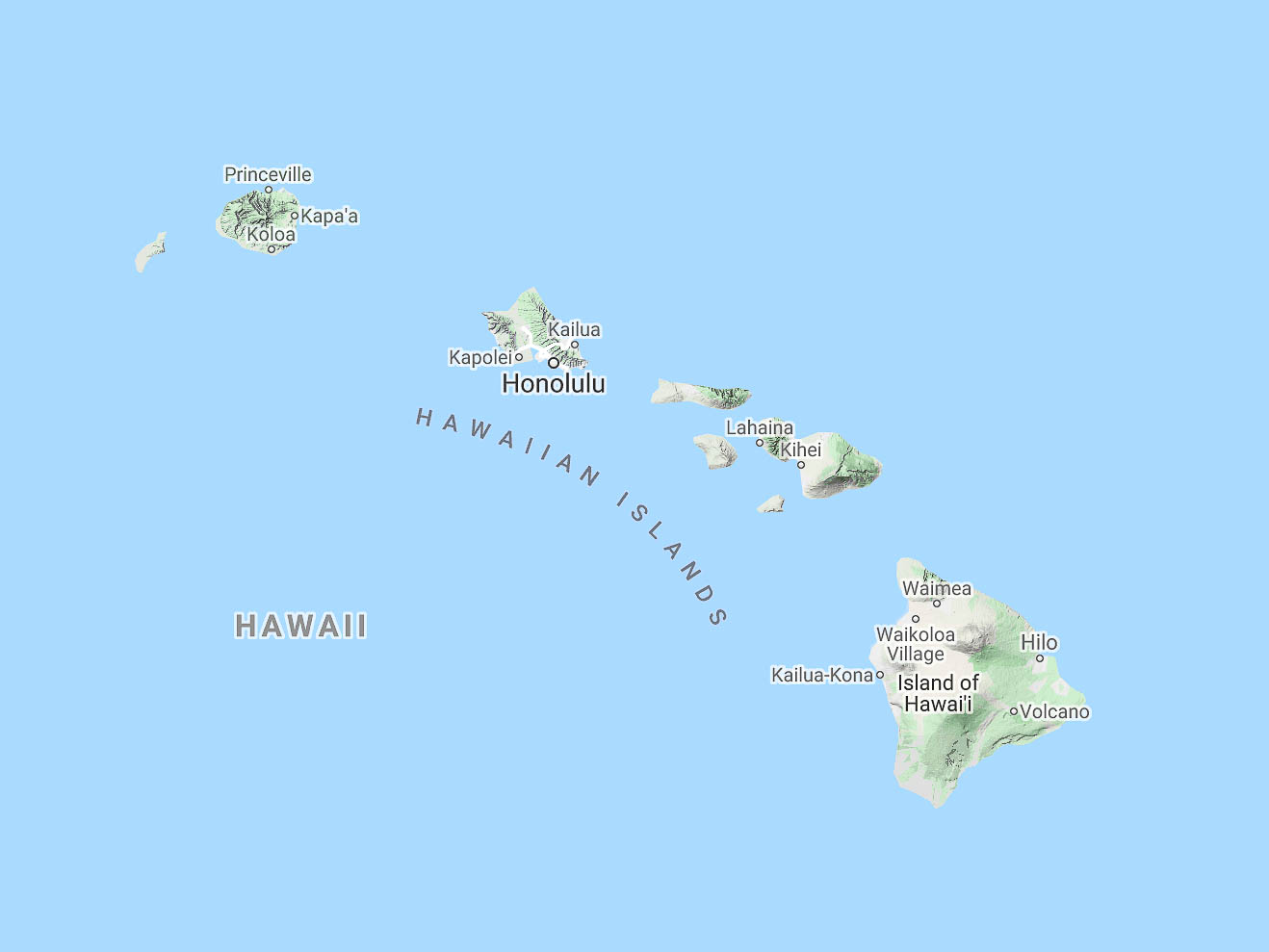
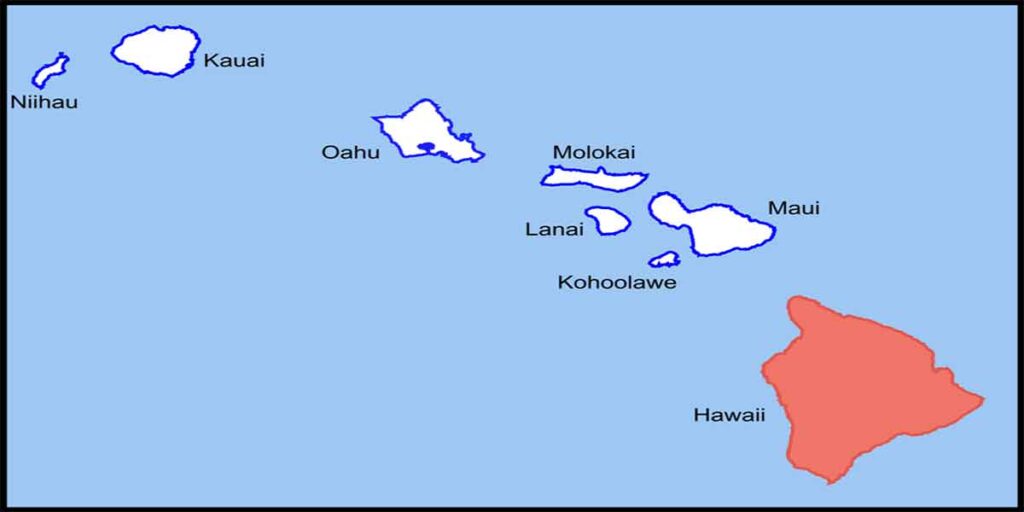
For many, the mention of Hawaii conjures images of pristine beaches, lush tropical forests, and the rhythmic sway of hula. Yet, within this iconic archipelago, one island stands out not just for its immense physical presence but also for the intriguing mystery surrounding its common moniker: “The Big Island.” While universally known by this descriptive nickname, the actual, official name of this geographical titan is Hawaiʻi Island. It’s a distinction that holds cultural significance and hints at the island’s unique place within the Hawaiian Islands chain.
As the largest island in the United States archipelago, Hawaiʻi Island is a realm of dramatic contrasts and breathtaking natural wonders. It’s a destination that promises an unforgettable experience for every type of traveler, from those seeking luxurious escapism to intrepid adventurers and culture enthusiasts. This comprehensive guide will delve into what makes Hawaiʻi Island so special, exploring its diverse landscapes, rich cultural heritage, unparalleled attractions, and the myriad of accommodation and lifestyle options it offers.
Unveiling the True Identity: Hawaiʻi Island
The “Big Island” is not merely a nickname; it’s a geographical reality that defines this remarkable destination. Its official name, Hawaiʻi Island, is rooted deep in Polynesian history and legend, believed to be named after Hawaiʻiloa, the legendary Polynesian navigator who is said to have discovered the Hawaiian Islands. This island is not just the largest, but also the youngest in the chain, continually growing thanks to the active volcanoes that have shaped its dramatic topography.
More Than Just “Big”: A Name Steeped in Culture
The name Hawaiʻi Island resonates with the deep cultural roots of the region. It is the birthplace of King Kamehameha I, the legendary monarch who united the Hawaiian Islands under a single rule in the late 18th century. This historical legacy is palpable across the island, from ancient temples (heiau) to sacred sites that whisper tales of gods and warriors.
What truly earns Hawaiʻi Island its “Big Island” moniker is its sheer scale. At approximately 4,028 square miles (10,432 square kilometers), it is nearly twice the size of all the other Hawaiian Islands combined. This enormous footprint allows for an astounding variety of landscapes and experiences, truly making it a world in miniature. Its ongoing geological activity, particularly from volcanoes like Kīlauea and Mauna Loa, means the island is constantly expanding, a living testament to the powerful forces of nature at play in the Pacific Ocean.
A Tapestry of Landscapes: Hawaiʻi Island’s Diverse Ecosystems
One of the most astonishing aspects of Hawaiʻi Island is its incredible climatic diversity. It boasts 11 out of the world’s 13 distinct climate zones, from polar tundras atop its highest peaks to sun-drenched coastal deserts and lush tropical rainforests. This translates into a kaleidoscopic array of natural attractions that captivate visitors year-round. Imagine starting your day exploring the barren, otherworldly landscape of a volcano, then transitioning to a vibrant green coffee plantation, and ending with a sunset on a black sand beach – all within a few hours’ drive.
The island’s topography is dominated by five massive volcanoes: Mauna Kea (dormant), Mauna Loa (active), Hualālai (active), Kohala (extinct), and Kīlauea (one of the world’s most active volcanoes). These giants have sculpted the island into a land of contrasts: barren lava fields give way to fertile valleys, and high-altitude observatories gaze upon some of the clearest skies on Earth, while rainforests teem with unique flora and fauna near the coast. This unparalleled ecological variety makes Hawaiʻi Island a prime destination for eco-tourism and nature exploration.
A Traveler’s Paradise: Exploring Hawaiʻi Island’s Wonders
Hawaiʻi Island is a dream destination for travelers seeking diverse experiences. Its vastness means there’s an adventure waiting for every interest, from thrill-seekers to those simply wishing to relax and soak in the natural beauty. The island’s major towns, Hilo on the east and Kona on the west, serve as vibrant hubs offering distinct vibes and access points to different facets of the island. Hilo is known for its lush rainforests, waterfalls, and cultural sites, while Kona boasts sunnier skies, historical landmarks, and world-renowned coffee farms.
Adventures Amidst Volcanic Majesty and Stargazing Splendor
No visit to Hawaiʻi Island is complete without exploring its volcanic heart. Hawaiʻi Volcanoes National Park, a UNESCO World Heritage Site, offers a rare opportunity to witness creation and destruction simultaneously. Visitors can hike across solidified lava flows, peer into dramatic craters, and even, when conditions allow, witness the mesmerizing glow of active lava at night. The park provides extensive guides and ranger-led tours, ensuring a safe and informative experience of these powerful natural landmarks. This is a must-do for anyone interested in geology, history, and raw natural power.
Beyond the fiery embrace of its active volcanoes, Hawaiʻi Island offers celestial wonders. The summit of Mauna Kea, home to some of the world’s most advanced astronomical observatories, is revered for its incredibly clear skies and high elevation. Stargazing tours on the slopes of Mauna Kea are an unforgettable experience, allowing visitors to glimpse distant galaxies and constellations with unparalleled clarity. This provides a stark contrast to the volcanic activity below, connecting earth to the cosmos in one extraordinary location.
From Pristine Beaches to Lush Rainforests
Hawaiʻi Island’s coastline is as varied as its interior, boasting an incredible array of beaches. You can relax on the famous black sands of Punaluʻu Black Sand Beach, where sea turtles often bask in the sun, or venture to the remote Papakōlea Green Sand Beach, one of only four green sand beaches in the world, formed by olivine crystals. For classic white sands and excellent swimming conditions, Hāpuna Beach State Recreation Area on the Kohala Coast is a perennial favorite.
The warm waters surrounding the island are a playground for aquatic adventures. Snorkeling and diving in places like Kealakekua Bay offer glimpses into vibrant coral reefs and diverse marine life. Kayaking, paddleboarding, and deep-sea fishing are also popular activities, often guided by local experts who provide insights into the island’s ecosystems.
Inland, the eastern side of Hawaiʻi Island is a verdant paradise. The Hamakua Coast is renowned for its dramatic cliffs, cascading waterfalls, and lush rainforests. Here, you can hike through Akaka Falls State Park to witness the spectacular 442-foot Akaka Falls, or explore the breathtaking beauty of Waipiʻo Valley, known as the Valley of the Kings, offering panoramic vistas and challenging trails. Further north, the secluded Pololū Valley offers equally stunning views and a tranquil black sand beach accessible via a steep trail.

Immersing in Culture, History, and Local Flavors
Hawaiʻi Island is rich in history and cultural significance. A visit to Puʻuhonua o Hōnaunau National Historical Park, the ancient Place of Refuge, offers a fascinating glimpse into traditional Hawaiian law and customs. Here, kapu (sacred laws) breakers could find sanctuary and absolution, making it a pivotal site for understanding old Hawaiian society. Other historical landmarks like Huliheʻe Palace and Mokuaikaua Church in Kona provide further insights into the island’s royal and missionary past.
The island’s culinary scene is a vibrant reflection of its diverse landscape and multicultural heritage. From fresh poke bowls and succulent kalua pig to tropical fruits and locally sourced seafood, the food here is an integral part of the tourism experience. A highlight for many is exploring the Kona Coffee Belt, where visitors can tour coffee farms, learn about the cultivation process, and sample some of the world’s finest coffee. Local farmers’ markets, particularly in Hilo and Waimea, offer fresh produce, artisan crafts, and a true taste of local life. These markets also present opportunities to engage with the local community and understand the island’s sustainable lifestyle practices.
Crafting Your Ideal Stay: Accommodation and Lifestyle Choices
Planning your visit to Hawaiʻi Island involves considering the type of experience you desire, especially when it comes to accommodation. Given the island’s vastness and variety, options range from opulent resorts to cozy guesthouses, catering to every budget and travel style. Understanding these choices is key to curating a memorable trip that aligns with your personal lifestyle and preferences.
A Spectrum of Stays: Luxury to Budget
For those seeking the pinnacle of luxury travel, Hawaiʻi Island’s Kohala Coast on the west side is home to some of the world’s most exquisite resorts. Properties like the Four Seasons Resort Hualalai and Fairmont Orchid offer unparalleled service, world-class amenities, championship golf courses, and stunning oceanfront access. These resorts often feature expansive suites, private villas, gourmet dining, and rejuvenating spas, ideal for romantic getaways, honeymoons, or family trips that prioritize comfort and indulgence. The Waikoloa Beach Resort area, including the Hilton Waikoloa Village, provides a vibrant resort experience with multiple pools, lagoons, and diverse dining options suitable for families.
Beyond the high-end resorts, Hawaiʻi Island offers a wealth of other accommodation choices. Boutique hotels in Kona or Hilo provide a more intimate and personalized experience, often reflecting local culture and charm. Vacation rentals, including apartments and villas booked through platforms like Airbnb or Vrbo, are excellent for families or longer stays, offering kitchens and more space, allowing for a more immersive local lifestyle. For budget-conscious travelers or those seeking a rustic adventure, guesthouses, hostels, and even camping options in designated parks are available. These choices cater to diverse budgets, enabling a broad range of visitors to experience the island’s magic.
When considering accommodation, think about your primary activities. If you plan to spend most of your time exploring Hawaiʻi Volcanoes National Park and the lush east side, staying in Hilo makes logistical sense. If pristine beaches, snorkeling, and coffee tours are higher on your list, then the Kona or Kohala coasts would be more suitable. Long-term stays can benefit from booking apartments or villas that offer more residential amenities, often allowing for a deeper dive into the local community.
Navigating and Planning Your Big Island Adventure
Given Hawaiʻi Island’s size, a rental car is virtually essential for exploring its diverse regions. Public transportation is limited, and many of the most stunning attractions are off the beaten path. The island has two main airports: Kona International Airport (KOA) on the west side, serving most major airlines, and Hilo International Airport (ITO) on the east, which typically handles inter-island flights and some mainland connections. Flying into one and out of the other can be a great way to save driving time if you plan to explore both sides extensively.
The best time to visit Hawaiʻi Island largely depends on your preferences. The peak season runs from December to April and June to August, coinciding with holidays and school breaks. Shoulder seasons (April-May and September-November) often offer pleasant weather, fewer crowds, and potentially better deals on hotels and flights. Packing smart is crucial: bring layers for varied climates (it can be chilly on Mauna Kea even if it’s hot at the beach), sturdy hiking shoes, swimwear, sun protection, and rain gear, especially if exploring the Hilo side.
Tourism on Hawaiʻi Island emphasizes responsible travel and respect for local culture. Understanding and practicing “mālama ʻāina” (to care for the land) is encouraged, meaning visitors should strive to leave no trace, respect sacred sites, and support local businesses. This approach not only enhances your experience but also contributes positively to the preservation of the island’s natural beauty and cultural integrity. Whether you’re planning a luxurious escape, a budget-friendly family trip, or an adventurous solo journey, Hawaiʻi Island offers the framework for a travel experience unlike any other in the Pacific Rim.
In conclusion, while its informal title, “The Big Island,” aptly describes its grandeur, the true name, Hawaiʻi Island, carries the weight of history, culture, and an evolving natural landscape. It is a destination that truly has it all: active volcanoes, snow-capped mountains, vibrant coral reefs, black sand beaches, lush rainforests, and a rich Polynesian heritage. For any traveler seeking a destination that promises both relaxation and adventure, cultural immersion and natural spectacle, the magnificent Hawaiʻi Island awaits, ready to reveal its countless wonders.
LifeOutOfTheBox is a participant in the Amazon Services LLC Associates Program, an affiliate advertising program designed to provide a means for sites to earn advertising fees by advertising and linking to Amazon.com. Amazon, the Amazon logo, AmazonSupply, and the AmazonSupply logo are trademarks of Amazon.com, Inc. or its affiliates. As an Amazon Associate we earn affiliate commissions from qualifying purchases.