
New York City, often heralded as the “Capital of the World” and affectionately known as the Big Apple, is a metropolis unlike any other. Its vibrant energy, iconic landmarks, and unparalleled cultural tapestry are largely a reflection of its staggering population. But beyond a simple number, what truly defines the New York City population is its incredible diversity, density, and the dynamic way it shapes every aspect of life, travel, and tourism within its five bustling boroughs. For travelers, understanding this human landscape is key to unlocking the most authentic and enriching New York experience. From navigating its famous streets to choosing the perfect accommodation, the city’s inhabitants are an integral part of its charm and challenge.

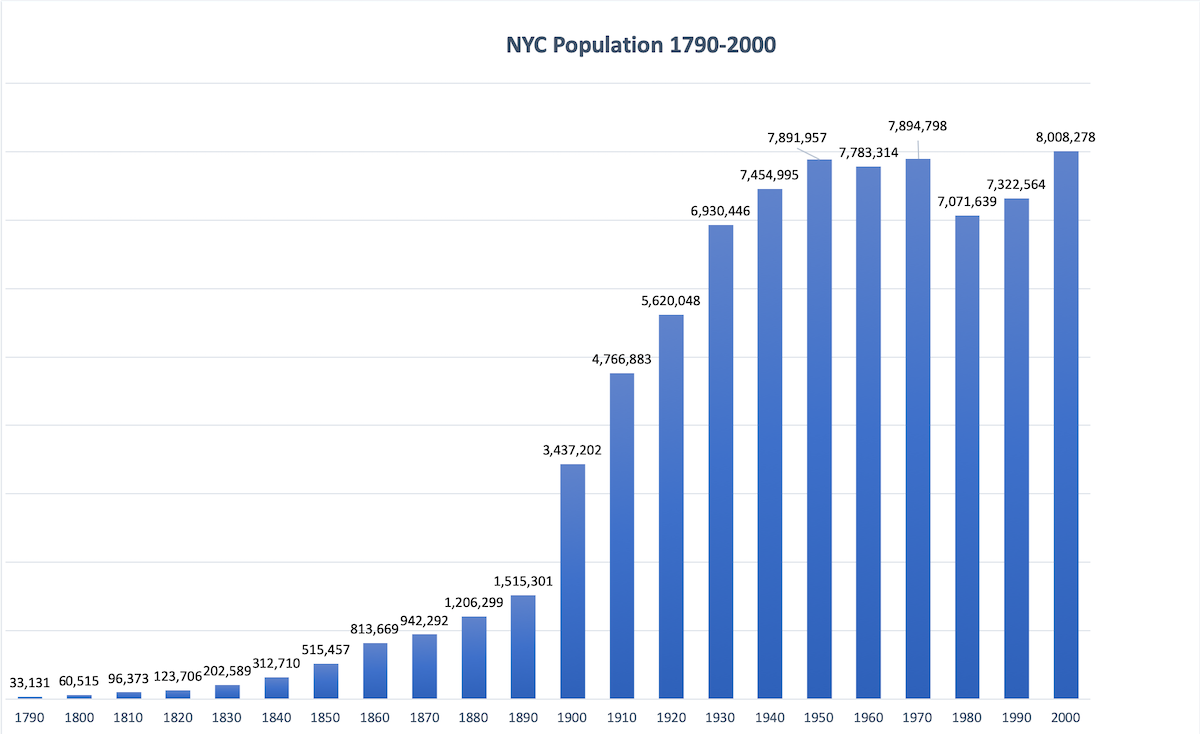
At its core, the New York City population is a testament to urban growth and global appeal. Recent estimates place the city’s population at just over 8.3 million residents, making it the most populous city in the United States. This figure, however, only tells part of the story. When considering the broader metropolitan area, which includes parts of New Jersey, Connecticut, and other parts of New York State, the population swells to well over 20 million, forming one of the largest megacities on the planet. This dense concentration of people in a relatively small geographic area creates a unique urban ecosystem that visitors and residents alike must learn to navigate. For those planning a trip, whether it’s for a luxury getaway, a budget-friendly adventure, a family vacation, or a crucial business stay, understanding the rhythms and demands of this vast population is paramount.
The Dynamic Demographics of the Big Apple
The sheer volume of people in New York City is astonishing, but it’s the composition of this population that truly sets it apart. The city is a mosaic of cultures, languages, and backgrounds, making it one of the most diverse places on Earth. This demographic richness is not just a statistic; it’s a living, breathing aspect of the city that profoundly influences everything from its culinary scene to its artistic expressions, and from its local neighborhoods to its global appeal.
A Snapshot of New York City’s Current Numbers
While exact figures fluctuate with census updates and ongoing movements, the population of New York City has consistently hovered around the 8.3 to 8.5 million mark over the past few years. Manhattan is the most densely populated borough, known for its towering skyscrapers and bustling business districts like Wall Street and iconic attractions such as Times Square and the Empire State Building. Following closely are Brooklyn, Queens, The Bronx, and Staten Island, each contributing significantly to the city’s overall count and character.
This large population means that New York City is a city that never truly sleeps. The constant flow of residents and commuters ensures that restaurants are always serving, shops are always open, and the vibrant pulse of urban life is ever-present. For travelers, this translates into unparalleled access to amenities and experiences at almost any hour, but also necessitates strategic planning to avoid peak crowds, especially at popular spots like the Statue of Liberty, Central Park, or Broadway shows.
Beyond the Numbers: Diversity and Cultural Richness
The true magic of New York City’s population lies in its incredible diversity. Over 800 languages are spoken here, and it is home to people from virtually every country in the world. This melting pot of cultures is not merely a statistical fact but the very essence of the New York experience.
For tourists, this diversity manifests in myriad ways:
- Local Culture: Wander through Chinatown, and you’ll feel transported to Asia. Explore Little Italy, and you’re immersed in Italian heritage. The vibrant neighborhoods of Queens offer a taste of India, Korea, and countless Latin American nations. This allows travelers to experience multiple cultures within a single city, enriching their global understanding without ever leaving the five boroughs.
- Food: The culinary scene in New York City is a direct reflection of its population. From Michelin-starred restaurants serving fusion cuisine to humble street food carts dishing out authentic ethnic eats, the choices are endless. Food tours are popular experiences, offering guides through neighborhoods like Greenwich Village or Flushing, Queens, to sample delicacies from around the globe. This cultural richness also allows for a wide range of dietary options and preferences, catering to almost any visitor.
- Activities & Arts: The diversity fuels New York City’s unparalleled arts and entertainment scene. From avant-garde performances in Brooklyn to classical concerts at Carnegie Hall, there’s always something happening. Museums like the Metropolitan Museum of Art, MoMA, and the Guggenheim Museum house global collections reflecting the city’s international outlook. This cultural mosaic offers a constantly evolving array of experiences for every type of traveler.
Population Density: Navigating the Urban Landscape
The sheer number of people living and working in New York City inevitably leads to high population density, particularly in Manhattan. This density is both a defining characteristic and a logistical consideration for anyone visiting or residing in the city. Understanding its implications is crucial for smooth travel and an enjoyable experience.
Manhattan vs. The Boroughs: Understanding Spatial Distribution
While the entire city is densely populated, there are significant variations across the boroughs. Manhattan stands out as the most concentrated area, with its iconic skyline of high-rise buildings being a direct architectural response to limited land and immense demand. Neighborhoods like Midtown and the Financial District are packed with businesses, residences, and attractions, making them incredibly vibrant but also exceptionally crowded.
In contrast, boroughs like Brooklyn and Queens offer a mix of dense urban cores, such as Long Island City and Williamsburg, alongside more suburban-feeling residential areas. The Bronx and Staten Island tend to have lower densities overall, with more green spaces and single-family homes, offering a different pace of life.
For travelers, this spatial distribution directly impacts:
- Travel: Public transportation, particularly the subway system, is the lifeblood of New York City and is designed to handle this density. However, during rush hours, trains and stations can be extremely crowded. Planning travel outside these peak times (generally 7-9 AM and 5-7 PM on weekdays) can significantly enhance comfort. Ride-sharing and taxis are also available but can be subject to heavy traffic, especially in Manhattan.
- Attractions: Popular attractions like the Empire State Building, One World Trade Center, or the Brooklyn Bridge will always attract crowds. Visiting early in the morning or later in the evening can help avoid the busiest times. Purchasing timed tickets online in advance is also a recommended strategy.
- Accommodation: Hotels in Manhattan are typically more expensive and can feel more compact due to space constraints. Options in Brooklyn (The William Vale, 1 Hotels Brooklyn Bridge) or Long Island City might offer more space or different price points while still providing easy access to Manhattan via subway.
The Rhythms of Urban Life: Peak Hours and Tourist Flow
New York City’s population creates distinct rhythms throughout the day, week, and even year. Mornings see a surge of commuters heading into business districts, while evenings bring out theater-goers, diners, and nightlife enthusiasts. Weekends are popular for families exploring parks and museums, and tourists flock to iconic sites.
- Weekday Mornings/Evenings: If your trip involves business stays, expect crowded subways and busy streets around Midtown and Downtown Manhattan.
- Lunchtime: Many restaurants, especially in business areas, fill up quickly. Consider making reservations or exploring slightly off-the-beaten-path eateries.
- Weekend Afternoons: Landmarks and shopping districts like Fifth Avenue, SoHo, and Times Square will be bustling. Central Park and the High Line are also popular for leisurely strolls.
- Seasonal Fluctuations: The holiday season (late November to New Year’s) sees an enormous influx of tourists, making the city particularly crowded but also magical with its festive decorations at places like Rockefeller Center. Summer months also draw large crowds. Shoulder seasons (spring and fall) often offer pleasant weather and slightly fewer tourists.

Tourists can maximize their experience by embracing these rhythms rather than fighting them. Enjoy a leisurely brunch when others are rushing, visit a museum during a weekday afternoon, or explore a less-crowded neighborhood like DUMBO during peak Manhattan hours.
The Population’s Influence on Travel and Tourism
The sheer scale and diversity of New York City’s population are the engines that drive its tourism industry, simultaneously presenting unique opportunities and challenges for visitors. From finding the perfect place to stay to immersing oneself in the local scene, the human element is ever-present.
Accommodation Challenges and Opportunities
With millions of residents and an estimated 60+ million tourists annually, the demand for accommodation in New York City is exceptionally high. This intense demand directly impacts hotel availability, pricing, and the types of lodging offered.
- Booking in Advance: Due to high occupancy rates, especially during peak seasons and major events, booking hotels and apartments well in advance is crucial. This is true whether you’re looking for a luxury suite at The Plaza Hotel, a mid-range option like Grand Hyatt New York, or a budget stay at a Pod Hotel.
- Variety of Options: The diverse population and tourist base have fostered a wide array of accommodation types. Beyond traditional hotels (Marriott International, Hilton Worldwide, Hyatt Hotels Corporation), the city offers boutique hotels like The Ludlow Hotel, extended-stay apartments for long-term visitors, and even hostels for budget travelers. Reviews often highlight noise levels, a direct consequence of urban density, so choosing a hotel with good soundproofing or in a quieter neighborhood can be a priority for some.
- Location, Location, Location: Your choice of neighborhood can significantly impact your experience. Stay near Times Square (Times Square EDITION, Moxy NYC Times Square) for unparalleled access to Broadway and dazzling lights, but expect constant activity. Opt for Upper East Side (The St. Regis New York, The Peninsula New York) for luxury and proximity to museums, or Downtown Manhattan (Four Seasons Hotel New York Downtown, The Dominick Hotel) for a vibrant arts scene and historical significance. The density ensures that no matter where you stay, excellent dining and transport links are usually just steps away.
Experiencing New York City Through Its People
To truly appreciate New York City, one must engage with its people. The local population contributes immensely to the city’s character and offers endless opportunities for authentic experiences.
- Food and Drink: Beyond formal restaurants, explore local markets, food trucks, and neighborhood delis. Engaging with vendors and fellow diners can offer insights into New Yorker life. The diversity of the population means you can find authentic cuisine from almost any corner of the globe.
- Activities: Participate in local events, street festivals, or free concerts in Central Park. Attend a Yankee Stadium game in The Bronx or a Citi Field game in Queens to experience the city’s passion for sports alongside fervent fans.
- Tips from Locals: Don’t hesitate to ask for recommendations from hotel staff, baristas, or even friendly strangers. New Yorkers often have insider tips on the best hidden gems, off-peak times, or unique local spots that guidebooks might miss. Embracing the local culture means being open to serendipitous encounters and absorbing the fast-paced, direct, but often helpful nature of the city’s inhabitants.
Landmarks and Crowds: Planning Your Visits
New York City’s iconic landmarks are famous for a reason, but their popularity also means they attract significant crowds. The density of both residents and tourists necessitates smart planning.
- Iconic Structures: From the Flatiron Building to Grand Central Terminal, and One World Trade Center at Hudson Yards with its unique structure The Vessel, the city’s architecture is a marvel. Visiting these places requires understanding crowd dynamics.
- Historical Sites: Ellis Island, the gateway for millions of immigrants, and the Statue of Liberty National Monument are profound historical sites. Tours to these islands from Battery Park are very popular, so booking ferry tickets far in advance is essential.
- Museums and Galleries: World-class institutions like the American Museum of Natural History or the Intrepid Sea, Air & Space Museum can be overwhelming. Many offer specific days or hours with reduced crowds, or even free admission evenings. Checking their websites for such details is always a good idea. Consider lesser-known but equally fascinating galleries in neighborhoods like Chelsea or Lower East Side for a more intimate experience.
Lifestyle and Living: More Than Just a Tourist Destination
New York City’s immense population isn’t just a backdrop for tourism; it defines the lifestyle for millions of people. Understanding this local way of life can help visitors appreciate the city on a deeper level and tailor their own experiences, whether seeking luxury or exploring on a budget.
From Luxury to Budget: Tailoring Your Stay
The high population density and economic activity mean New York City offers a spectrum of lifestyle experiences, catering to every budget and preference.
- Luxury Travel: For those seeking opulence, Manhattan boasts some of the world’s most luxurious hotels, such as The St. Regis New York, Mandarin Oriental, New York, and The Carlyle, A Rosewood Hotel. High-end dining, exclusive shopping on Fifth Avenue, private tours, and VIP access to Broadway shows are all part of the luxury New York experience, made possible by a population that includes a significant number of high-net-worth individuals and discerning travelers.
- Budget Travel: Despite its reputation for expense, New York City can also be surprisingly budget-friendly. Options like hostels, budget hotels (e.g., Pod 51, The Jane Hotel), and Airbnb rentals (though regulations apply) cater to a more economical approach. Free attractions like Central Park, walking across the Brooklyn Bridge, or taking the Staten Island Ferry (for views of the Statue of Liberty and Manhattan skyline) make it accessible to all. The diverse population also supports an incredible array of inexpensive yet delicious food options, from street carts to ethnic eateries.
- Family Trips: New York City is a fantastic destination for families. The population density means there are numerous kid-friendly activities, museums like the Museum of Natural History, parks, and attractions like Coney Island. Many hotels cater to families with spacious suites or connecting rooms, such as the Residence Inn by Marriott New York Manhattan/Central Park. Planning activities that spread across the boroughs can help manage crowds and introduce children to different facets of the city.
The Pulsating Heart of Business and Culture
New York City’s population also drives its status as a global hub for business, finance, and culture. This concentration of talent and industry creates a unique environment for both residents and visitors.
- Business Stays: With Wall Street, numerous corporate headquarters, and international organizations, New York City is a magnet for business travelers. Hotels like The Ritz-Carlton New York, NoMad or Conrad New York Downtown cater specifically to their needs, offering meeting facilities, business centers, and executive lounges. The efficient public transportation system and ubiquitous Wi-Fi make it easy to conduct business on the go.
- Cultural Innovation: The confluence of diverse individuals fosters constant innovation in arts, fashion, technology, and media. This means there’s always something new to discover, from emerging art scenes in Bushwick, Brooklyn to experimental theater off-Broadway.
- Nightlife and Entertainment: The city’s immense population ensures a vibrant nightlife, with options ranging from intimate jazz clubs in Greenwich Village to rooftop bars overlooking the Manhattan skyline (e.g., at Refinery Hotel or The William Vale).
In conclusion, the question “What is the New York City population?” delves far beyond a simple statistic. It reveals the very soul of a city that thrives on human connection, cultural fusion, and an unyielding energy. This population is the reason for its towering architecture, its unparalleled dining scene, its artistic prowess, and its vibrant neighborhoods. For any traveler, understanding the dynamics of these 8.3 million-plus individuals, how they live, move, and interact, is essential for truly experiencing the profound, thrilling, and sometimes overwhelming wonder that is New York City. It’s not just a place to visit; it’s a living, breathing entity shaped by the millions who call it home and the millions more who dream of experiencing its unique pulse.
LifeOutOfTheBox is a participant in the Amazon Services LLC Associates Program, an affiliate advertising program designed to provide a means for sites to earn advertising fees by advertising and linking to Amazon.com. Amazon, the Amazon logo, AmazonSupply, and the AmazonSupply logo are trademarks of Amazon.com, Inc. or its affiliates. As an Amazon Associate we earn affiliate commissions from qualifying purchases.