
Alaska, a land of unparalleled natural beauty and rugged wilderness, holds a special place in the hearts of many. Known for its vast expanses, dramatic landscapes, and unique wildlife, it’s a destination that conjures images of towering mountains, pristine glaciers, and the captivating dance of the Northern Lights. But beyond its geographical wonders, Alaska also carries with it a charming moniker, a nickname that reflects its essence and its historical significance.
The “Last Frontier”: A Nickname Rooted in History and Geography
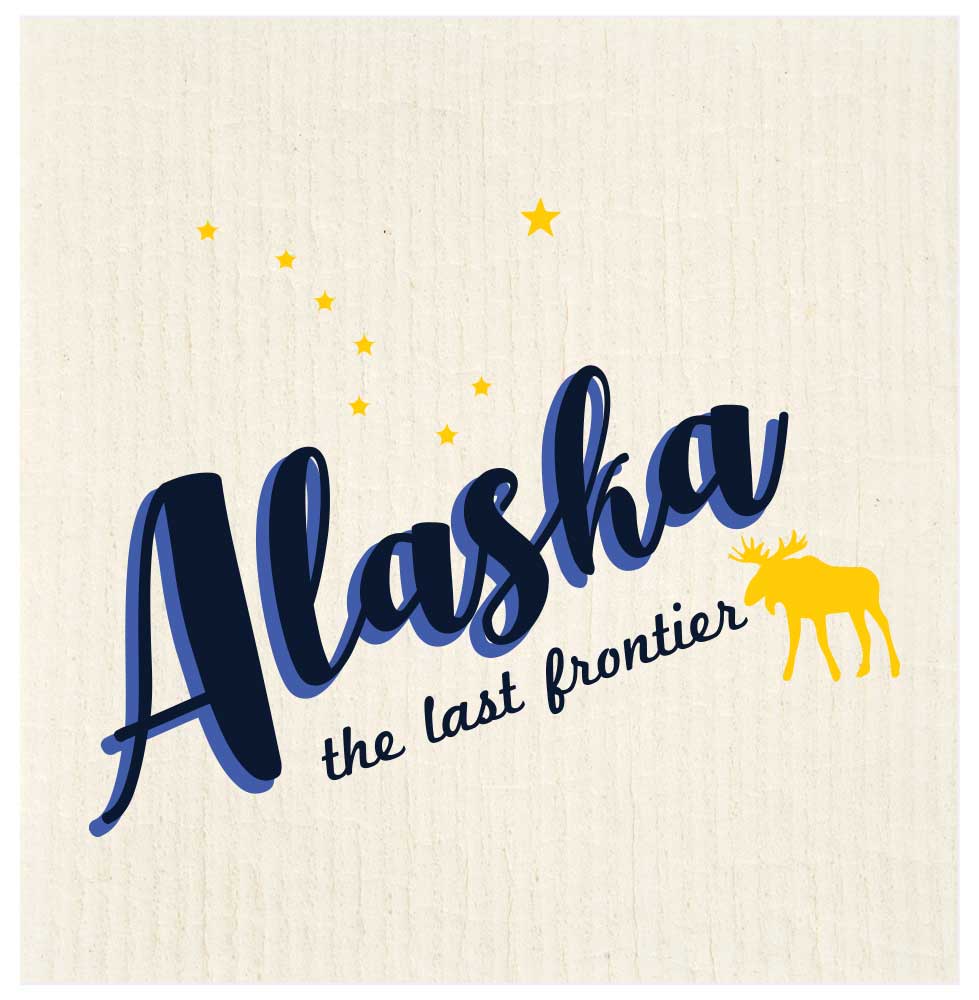
The most widely recognized and beloved nickname for Alaska is the “Last Frontier.” This evocative title perfectly encapsulates the state’s remote location, its untamed wilderness, and its enduring spirit of exploration. It speaks to the feeling that Alaska is one of the final, unspoiled bastions of raw nature in an increasingly developed world.

Origins of the “Last Frontier”
The “Last Frontier” nickname isn’t a recent invention. Its roots can be traced back to the early days of American settlement and exploration in the region. Following the United States purchase of Alaska from Russia in 1867, the vast territory remained largely undeveloped and sparsely populated. For decades, it was a land that beckoned adventurers, prospectors, and those seeking a life far removed from the established East Coast.
The phrase gained significant traction in the mid-20th century, particularly during the Alaska Purchase centennial and the lead-up to its statehood. It was embraced by Alaskans as a symbol of their unique identity and their commitment to preserving the wild character of their home. The nickname resonated with the idea that Alaska represented a final, grand stage for human endeavor and the discovery of the unknown.
The “Last Frontier” in Context: Travel and Tourism
From a travel and tourism perspective, the “Last Frontier” nickname is a powerful marketing tool. It immediately conjures images of adventure, rugged exploration, and experiences that are truly out of the ordinary. Travelers drawn to Alaska are often seeking something beyond the typical beach vacation or city break. They are looking for the thrill of the wild, the awe-inspiring beauty of untouched landscapes, and the opportunity to connect with nature on a profound level.
- Destinations: The nickname perfectly sets the stage for exploring the diverse destinations within Alaska. From the icy majesty of Denali National Park and Preserve, home to Mount McKinley, to the coastal wonders of the Inside Passage, dotted with charming towns like Juneau and Ketchikan, the “Last Frontier” promises a journey into the extraordinary.
- Experiences: The nickname directly influences the types of experiences travelers seek. These often include wildlife viewing tours to spot bears, whales, and moose, glacier trekking, dog sledding adventures, and the pursuit of the ethereal Aurora Borealis.
- Guides and Tips: Understanding Alaska as the “Last Frontier” also informs how travelers plan their trips. It suggests a need for preparedness, an appreciation for the powerful forces of nature, and a willingness to embrace the unexpected. Local guides and tourism operators often emphasize this aspect of Alaska in their offerings, providing insights into the challenges and rewards of venturing into this wild land.
Other Notable Nicknames and Their Significance
While “Last Frontier” reigns supreme, Alaska has garnered a few other notable nicknames throughout its history, each offering a different facet of its identity.
The “Seward’s Folly” / “Seward’s Icebox”
In the immediate aftermath of the United States purchase of Alaska from Russia, many Americans viewed the acquisition with skepticism. Secretary of State William Seward, who negotiated the deal, was heavily criticized. Opponents derisively labeled the purchase “Seward’s Folly” or “Seward’s Icebox,” suggesting it was a foolish and a wasteful expenditure on a barren, frozen wasteland.
This nickname highlights the initial lack of understanding and appreciation for the immense natural resources and strategic importance of Alaska. It’s a stark reminder of how perceptions can change dramatically over time, especially when fueled by discovery and opportunity. The discovery of gold in the Klondike Gold Rush and later, vast oil reserves, proved these early criticisms to be profoundly misguided.
The “Land of the Midnight Sun”
This nickname is a poetic and accurate description of a unique phenomenon experienced in the polar regions, including Alaska. During the summer months, the sun does not set below the horizon for extended periods, resulting in 24 hours of daylight in many parts of the state. This phenomenon is particularly pronounced in northern latitudes.
- Impact on Tourism: The “Land of the Midnight Sun” is a significant draw for tourists. It allows for extended hours of sightseeing and outdoor activities, making it possible to hike a mountain trail, cruise through a fjord, or explore a charming town like Fairbanks well into what would typically be considered night. This extended daylight creates a unique rhythm and atmosphere for any visitor.
- Natural Attractions: This nickname directly ties into the natural attractions of Alaska. Imagine embarking on a scenic drive along the Parks Highway under a perpetually bright sky, or enjoying a leisurely picnic with panoramic views of glaciers bathed in the golden light of a sun that refuses to dip below the horizon.
The “Great Land”
This is another more literal and descriptive nickname that speaks to the sheer scale and immensity of Alaska. With an area of over 665,000 square miles, it is by far the largest state in the United States. The nickname conveys a sense of awe and wonder at the vastness of its landscapes, from the sprawling Arctic tundra to the immense mountain ranges.
- Scale of Adventures: When you consider the “Great Land,” you immediately understand why adventures in Alaska are often on a grand scale. Whether it’s a multi-day cruise through the fjords or an expedition to reach remote wilderness lodges, the sheer size of the state necessitates and inspires epic journeys.
- Accommodation and Logistics: Planning accommodation and logistics in the “Great Land” requires careful consideration. While major cities like Anchorage offer a range of hotels and amenities, venturing into the more remote regions might mean booking stays in rustic cabins or planning for longer travel times between destinations. This vastness contributes to the unique lifestyle and travel experiences available.

The Enduring Appeal of Alaska’s Nicknames
The nicknames for Alaska are more than just labels; they are reflections of its history, its geography, and the profound impact it has on those who visit or live there. The “Last Frontier” speaks to its wildness and the spirit of adventure it embodies, a perfect fit for a destination that continues to captivate with its raw, untamed beauty and its promise of unforgettable experiences.
Whether you’re drawn by the allure of the “Land of the Midnight Sun,” the grand scale of the “Great Land,” or the historical echoes of “Seward’s Folly” turned triumph, Alaska remains a destination that lives up to its names, offering a truly unique and powerful travel experience. It’s a place where nature reigns supreme, and the spirit of exploration is alive and well, inviting all who dare to venture into its magnificent embrace.