
Arizona, often referred to as the Grand Canyon State, is a land of stunning natural beauty, vibrant urban centers, and a rich cultural tapestry. Beyond its iconic landscapes and sun-drenched climate, understanding the state’s population dynamics offers crucial insights into its growth, economy, and evolving lifestyle. As a significant hub for travel, tourism, and accommodation, Arizona‘s demographic trends directly influence everything from new hotel developments to the preservation of its beloved landmarks. With its allure attracting a constant stream of new residents, Arizona stands as one of the fastest-growing states in the United States, reflecting a compelling story of opportunity, lifestyle, and natural appeal.

Arizona’s Dynamic Demographics: A State on the Rise
The story of Arizona’s population is one of continuous and often rapid expansion. From its early days as a frontier territory to its current status as a bustling modern state, the influx of people has shaped its destiny, creating diverse communities and an ever-evolving infrastructure. This demographic shift is not just a matter of numbers; it’s a testament to the state’s drawing power and its ability to adapt to new demands and opportunities.
A Snapshot of Current Numbers and Rapid Growth
As of late 2023 and early 2024, the population of Arizona hovers around 7.4 to 7.5 million residents. This figure represents a substantial increase over the past few decades, solidifying Arizona’s position as one of the nation’s fastest-growing states. The growth rate has consistently outpaced the national average, particularly in its major metropolitan areas. This surge is driven by a combination of factors, including internal migration from other United States states, international immigration, and natural population increase.
The sheer volume of new residents has profound implications for every aspect of life in Arizona. From the expansion of its transportation networks to the construction of new housing developments, the state is perpetually in a mode of adaptation and growth. For those involved in the travel and tourism industries, understanding these numbers is paramount, as a growing population means an increased demand for local attractions, hospitality services, and a more diverse resident base contributing to local culture and economies. The need for robust accommodation options, ranging from luxury resorts to extended-stay apartments, grows in direct correlation with the state’s population boom.
Understanding the Drivers of Arizona’s Population Boom
Several key factors contribute to Arizona’s sustained population growth:
- Economic Opportunity: Arizona has cultivated a reputation as a burgeoning economic hub, particularly in sectors like technology, aerospace, healthcare, and advanced manufacturing. Major companies establishing or expanding operations in cities like Phoenix and Tucson attract a skilled workforce, creating new job opportunities and drawing professionals from across the country. The state’s business-friendly environment and lower cost of living compared to coastal states further enhance its appeal to both businesses and individuals seeking career advancement.
- Climate and Lifestyle: The promise of over 300 sunny days a year is a powerful magnet, especially for those escaping harsh winters in other parts of the United States. Arizona’s climate is particularly attractive to retirees and individuals seeking an active, outdoor-oriented lifestyle. Golf, hiking, cycling, and water sports on its many lakes are popular activities year-round. This lifestyle appeal translates into a significant demographic of retirees and snowbirds, many of whom eventually become permanent residents.
- Affordability (Relative to Coastal States): While housing costs have risen, Arizona still offers a relatively more affordable cost of living compared to major metropolitan areas in California or New York. This economic advantage encourages both families and businesses to relocate, seeking better value for their money without sacrificing quality of life.
- Tourism and Amenity Richness: Many visitors who initially come to Arizona for its world-class tourism experiences, such as exploring the Grand Canyon National Park or the red rocks of Sedona, find themselves drawn to the possibility of making it their home. The state’s abundance of attractions, diverse dining scenes, and cultural events offer a high quality of life that often converts tourists into long-term residents.
Major Urban Centers and Their Unique Appeal
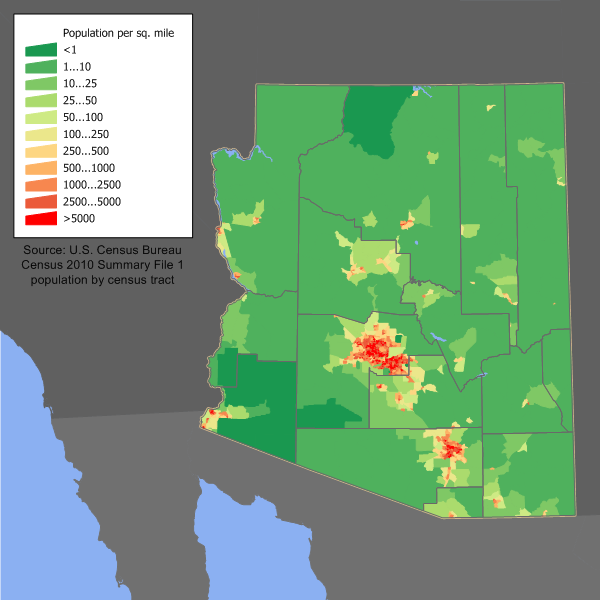
While the overall population of Arizona is significant, it’s unevenly distributed, with the vast majority of residents concentrated in a few major metropolitan areas. These urban centers act as economic engines and cultural hubs, each boasting its own distinct character and attractions.
Phoenix Metropolitan Area: The Heartbeat of the Desert
The Phoenix metropolitan area, often referred to as the Valley of the Sun, is by far the largest population center in Arizona. It encompasses the state capital, Phoenix, and a host of vibrant surrounding cities, including Mesa, Chandler, Scottsdale, Glendale, and Tempe. With a metropolitan population exceeding 5 million, this region is a sprawling urban landscape amidst the Sonoran Desert, bustling with commerce, culture, and a burgeoning hospitality sector.
Phoenix itself is a hub for business and a major gateway for travel into the Southwest. Its skyline is dotted with modern architecture, and its streets are home to an impressive array of hotels, from luxurious resorts like the Arizona Biltmore, a Waldorf Astoria Resort, to boutique accommodations catering to business travelers and leisure seekers. Attractions like the Desert Botanical Garden, the Heard Museum, and hiking trails up Camelback Mountain are popular with both residents and tourists. The growth in this area fuels a continuous demand for diverse lodging options, from apartments for long-term stays to lavish suites for short-term luxury travel.

Tucson: A Blend of Culture and Natural Beauty
South of Phoenix lies Tucson, Arizona’s second-largest city, with a metropolitan population of over 1 million. Known for its rich Sonoran Desert environment, unique blend of Native American, Mexican, and Western cultures, and its designation as a UNESCO City of Gastronomy, Tucson offers a distinct contrast to its northern neighbor. The University of Arizona anchors the city, contributing to its youthful energy and intellectual vibrancy.
Tourism in Tucson thrives on its cultural attractions, such as the historic Mission San Xavier del Bac and the vibrant Fourth Avenue district, as well as natural wonders like Saguaro National Park which surrounds the city. The accommodation landscape here ranges from charming historic inns to modern hotels, catering to those seeking a more laid-back, culturally immersive experience. The growing population ensures a steady flow of local engagement with these attractions, complementing the influx of visitors.
Flagstaff and Sedona: Mountain Retreats and Artistic Havens
Moving north into the cooler, pine-forested regions of Arizona, we find Flagstaff and Sedona. These cities, though smaller in population, play crucial roles in Arizona’s demographic and tourism landscape. Flagstaff, home to Northern Arizona University and a gateway to the Grand Canyon National Park, boasts a population of around 78,000. It’s a popular destination for outdoor enthusiasts, offering skiing in winter and hiking in summer, alongside a vibrant craft beer scene. Its hotels and accommodation options cater to those exploring the scenic Route 66 or embarking on adventures into the surrounding national forests.
Just south of Flagstaff lies Sedona, famous for its stunning red rock formations, spiritual vortexes, and thriving arts community. With a population of just over 10,000, Sedona punch above its weight in terms of tourism and unique lifestyle offerings. Its resorts and hotels often emphasize wellness, luxury, and breathtaking views, attracting visitors from around the globe. The growth in these areas, while not as dramatic as in the desert cities, reflects a desire for unique natural settings and a slower pace of life, contributing to a diverse range of accommodation needs, from rustic cabins to high-end spa resorts.
Population Growth and the Tourism & Accommodation Landscape
The consistent population growth in Arizona has a symbiotic relationship with its robust tourism and accommodation sectors. More residents mean more local demand for leisure activities, dining, and staycations, while the state’s popularity as a tourist destination continues to attract both visitors and potential new residents. This dynamic interaction drives significant investment and innovation in hospitality and related services.
The Booming Hospitality Sector
As Arizona’s population swells, so does the demand for hotels, resorts, and various forms of accommodation. New developments are constantly emerging across the state, particularly in the Phoenix and Tucson metropolitan areas, to cater to a diverse clientele. This includes:
- Luxury Resorts: High-end properties like The Phoenician, a Luxury Collection Resort in Scottsdale or the Ritz-Carlton, Dove Mountain near Tucson continue to expand their offerings, catering to a clientele seeking premium experiences, spa services, and championship golf courses. The increasing affluence of new residents, coupled with consistent tourism, supports this luxury market.
- Business Hotels: With the rise of tech and corporate sectors, particularly in cities like Tempe and Chandler, there’s a strong demand for business-oriented hotels with conference facilities and convenient access to corporate parks. These cater to both visiting professionals and local businesses hosting events.
- Extended-Stay Apartments and Vacation Rentals: The transient nature of some new residents (e.g., those relocating for jobs), combined with the popularity of remote work, has fueled a boom in extended-stay accommodations and vacation rentals. Services like Airbnb and Vrbo thrive, offering flexible options for both long-term stays and unique travel experiences, especially in tourist hotspots like Sedona and Lake Havasu City.
- Budget-Friendly Options: While luxury thrives, there’s also a sustained need for budget-friendly hotels and motels, particularly along major travel corridors and near popular attractions, ensuring accessibility for all types of travelers.
This thriving accommodation sector not only supports tourism but also provides crucial temporary housing for new residents during their relocation, contributing significantly to the state’s economy and job market.
Preserving Natural Wonders Amidst Expansion
One of the critical challenges posed by Arizona’s population boom is the delicate balance between urban expansion and the preservation of its irreplaceable natural landmarks and ecosystems. Iconic sites like the Grand Canyon National Park, Saguaro National Park, and the Red Rocks of Sedona face increased visitor numbers and development pressures.
Tourism boards and state agencies are actively involved in promoting sustainable tourism practices, encouraging visitors and residents alike to minimize their environmental footprint. Efforts include managing visitor flow, developing eco-friendly accommodations, and investing in conservation programs. The growing population, while a potential strain, also provides a larger tax base and a greater pool of volunteers and advocates who can support these conservation efforts, ensuring that Arizona’s natural beauty remains intact for future generations. Local culture around outdoor recreation and appreciation for nature also grows with population, fostering a community that values its unique environment.
Lifestyle and Economic Implications of a Growing Arizona
The demographic shifts in Arizona are not merely statistical; they fundamentally reshape the state’s lifestyle, economy, and social fabric. From the types of amenities available to the daily commute, population growth touches every aspect of residents’ lives.
Evolving Lifestyles Across the Grand Canyon State
The influx of people from diverse backgrounds has enriched Arizona’s lifestyle significantly. Urban centers like Phoenix and Scottsdale have become increasingly cosmopolitan, boasting world-class dining, vibrant arts scenes, and sophisticated entertainment options. The food culture, in particular, has exploded, moving beyond traditional Southwestern fare to embrace international cuisines and farm-to-table movements, reflective of a diverse and demanding populace. Areas like Old Town Scottsdale now combine historical charm with modern luxury and nightlife, offering experiences that cater to a wide range of tastes.
However, Arizona also offers contrasting lifestyles. In cities like Prescott, residents enjoy a historic small-town feel with access to national forests. Yuma, on the other hand, embraces its desert climate and proximity to the Colorado River, offering a more relaxed, seasonal lifestyle popular with snowbirds. The range of options, from luxury living in gated communities to more rugged, outdoor-focused existences in mountain towns, means that Arizona can truly cater to a multitude of preferences and budget travel styles. The state’s appeal to families, business travelers, and retirees alike showcases its adaptability and breadth of offerings.
Economic Opportunities and Infrastructure Challenges
The economic benefits of Arizona’s population growth are substantial. A larger workforce, increased consumer spending, and a growing tax base contribute to a robust economy. Sectors beyond traditional tourism, such as technology, manufacturing, and healthcare, have seen significant expansion, creating high-paying jobs and diversifying the state’s economic foundation. Major educational institutions like Arizona State University in Tempe and the University of Arizona in Tucson play a vital role in educating this growing workforce and driving innovation.
However, rapid growth also presents considerable infrastructure challenges. Demands on resources like water (a critical issue in the desert Southwest), energy, and transportation networks are continuously increasing. Traffic congestion in metropolitan areas, housing affordability, and the need for new schools and public services are ongoing concerns. The state and its municipalities are investing heavily in projects to address these issues, from expanding freeways to developing sustainable water management strategies and promoting public transit. Landmarks like the Hoover Dam stand as monumental testaments to previous generations’ efforts to manage critical resources, and modern Arizona continues this tradition of strategic planning.
In conclusion, Arizona’s population is not just a number; it’s a dynamic force shaping the state’s identity, economy, and future. Its continuous growth underscores its undeniable appeal as a place to live, work, and explore. While presenting challenges, this growth also creates immense opportunities for innovation, cultural enrichment, and the sustained development of its thriving travel, tourism, and accommodation sectors, ensuring that the Grand Canyon State remains a destination of choice for many years to come.