
The vibrant metropolis of Houston, Texas, stands as a testament to dynamic urban growth, cultural diversity, and economic prowess. For travelers, hoteliers, and those interested in the intricacies of tourism, accommodation, landmarks, and lifestyle, understanding the sheer scale and composition of Houston’s population is not merely a statistical exercise—it’s key to unlocking the city’s unique appeal and predicting its future trajectory. Houston, the largest city in Texas and the fourth-most populous city in the United States, boasts a population that reflects a microcosm of global cultures, an ever-expanding urban footprint, and an economy resilient enough to continuously attract new residents and visitors.
The question of “What is the population for Houston, Texas?” opens doors to a deeper exploration of how this demographic reality shapes every facet of the city, from its sprawling culinary scene to its diverse array of hotels, and from its celebrated landmarks to its varied lifestyle offerings. This article delves into the demographic heartbeat of Houston, examining how its population figures, growth patterns, and rich cultural tapestry influence travel experiences, tourism trends, the accommodation market, the evolution of its iconic sites, and the overall quality of life for both residents and temporary guests.
Houston’s Dynamic Demographics: A Snapshot
At the heart of Houston’s identity lies its impressive population count, which serves as a foundation for its economic vitality and cultural richness. The city’s demographic profile is characterized by robust growth and unparalleled diversity, making it a fascinating subject for anyone exploring urban development and its impact on the travel and tourism sectors.
The Latest Figures and Growth Trends
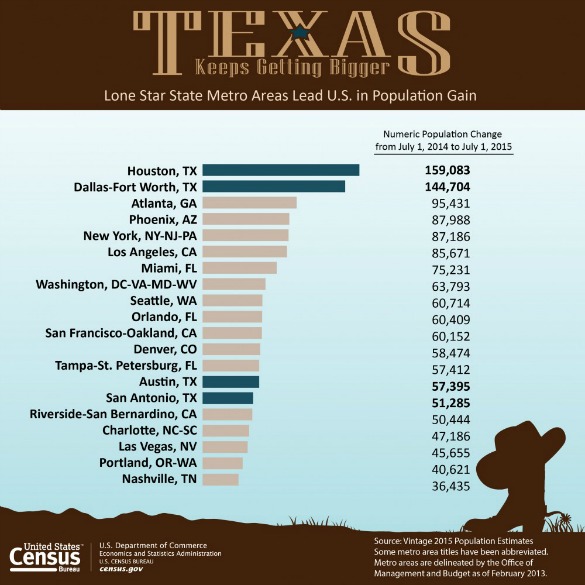
As of recent estimates (typically derived from the U.S. Census Bureau’s annual projections), the population of the City of Houston hovers around 2.3 million residents. This figure positions it as a major urban center, not just within the South but across the entire United States. However, to truly grasp the scale of Houston’s influence, one must consider its broader metropolitan statistical area, often referred to as Houston-The Woodlands-Sugar Land. This expansive region encompasses numerous surrounding communities and suburbs, pushing the total population closer to 7.3 million people. This sprawling metropolitan area consistently ranks among the fastest-growing in the nation, driven by a strong job market, relatively affordable cost of living, and a reputation for opportunity.
This sustained growth is not merely a numerical expansion; it directly translates into increased demand across various sectors. For the travel industry, a growing local population often means a larger base of potential domestic travelers, as well as a more vibrant local economy that attracts business and leisure visitors from outside the region. New residents contribute to a dynamic urban environment, fostering new businesses, restaurants, and cultural institutions that enhance the city’s appeal as a destination. The steady influx of people necessitates continuous investment in infrastructure, from transportation networks to public amenities, all of which indirectly benefit the visitor experience.

A Mosaic of Cultures: Diversity’s Impact
Perhaps even more remarkable than its sheer size is Houston’s incredible cultural diversity. Frequently cited as one of the most diverse cities in the United States, Houston is a melting pot where no single ethnic group forms a majority. This rich tapestry is woven from significant Hispanic/Latino, African American, Asian, and Anglo populations, alongside communities from virtually every corner of the globe, including large numbers of immigrants from Mexico, Vietnam, China, India, Nigeria, and beyond.
This demographic mosaic profoundly impacts Houston’s identity as a travel destination. It has cultivated an unparalleled culinary scene, offering authentic flavors from virtually every cuisine imaginable, often concentrated in vibrant ethnic enclaves like Chinatown or the diverse restaurants along Bellaire Boulevard. Beyond food, diversity fuels a thriving cultural landscape, with numerous festivals, art exhibitions, and community events that celebrate global traditions. For tourists, this means an enriching experience that goes beyond typical attractions, allowing for deep dives into various cultures without ever leaving the city limits. This cultural richness also creates a sense of welcoming for international travelers, who often find communities and services that cater to their native languages and customs, making their stay in Houston feel more comfortable and engaging.
Population and the Pulse of Tourism and Travel
The colossal population of Houston is not just a figure; it’s a living, breathing engine that drives the city’s tourism and travel industries. From fueling the demand for attractions to shaping its culinary identity and accommodating a ceaseless stream of business visitors, the city’s demographics are inextricably linked to its status as a premier destination.
Fueling the City’s Attractions and Experiences
A large resident population provides a robust local audience for Houston’s myriad attractions, ensuring their vitality and sustainability. Major institutions like the Museum District, home to the Houston Museum of Natural Science and the Museum of Fine Arts, Houston, thrive on the consistent patronage of local families and individuals, which in turn helps attract visitors from afar. Similarly, family-friendly destinations such as the Houston Zoo and Space Center Houston (the official visitor center for NASA Johnson Space Center) benefit from a constant stream of local visitors, supporting their operations and allowing them to expand and enhance offerings for tourists.
The passionate fan bases for Houston’s professional sports teams—the Houston Astros (MLB), Houston Rockets (NBA), and Houston Texans (NFL)—also draw significant crowds to venues like Minute Maid Park, Toyota Center, and NRG Park. These events not only entertain residents but also act as powerful magnets for sports tourists, who often travel from out of town, booking hotels and frequenting local establishments. The consistent demand generated by a large population ensures that there is always something happening in Houston, creating an energetic atmosphere that enhances the visitor experience year-round.

Culinary Journeys and Cultural Exploration
Houston’s demographic diversity directly translates into an exceptionally vibrant culinary landscape, a major draw for tourists. The city’s residents, representing over 145 languages, have cultivated a food scene that is authentically global. Visitors can embark on a culinary journey spanning from authentic Vietnamese pho in Midtown to sophisticated Mexican cuisine in Montrose, traditional Ethiopian dishes in the Gulfton area, and upscale American fare in River Oaks. The sheer variety and quality are astounding, making Houston a foodie paradise. This local appreciation for diverse flavors not only supports a thriving restaurant industry but also encourages the emergence of new and experimental eateries, keeping the dining scene fresh and exciting for both residents and visitors.
Furthermore, the numerous cultural festivals and community events throughout the year—from the Houston Livestock Show and Rodeo to Houston Art Car Parade and various ethnic celebrations—are largely driven by and cater to the city’s diverse population. These events offer tourists unique insights into local customs and traditions, providing immersive experiences that go beyond conventional sightseeing. The demand from a large, culturally engaged population ensures that these events are well-attended, well-funded, and widely publicized, increasing their appeal to out-of-town guests.
Business Travel and Convention Appeal
As a major economic hub, Houston’s significant population is inextricably linked to its role as a global center for business, particularly in the energy, healthcare, and aerospace sectors. The presence of numerous Fortune 500 companies, combined with the world-renowned Texas Medical Center and the NASA Johnson Space Center, generates an immense volume of business travel. Professionals from around the globe converge on Houston for meetings, conferences, and collaborations, ensuring a steady demand for hotels, corporate apartments, and related services.
The city’s capacity to host large-scale conventions and trade shows is also directly tied to its population and economic infrastructure. Facilities like the George R. Brown Convention Center are designed to accommodate thousands, a necessity given the number of businesses and professionals based in and around Houston. These conventions, in turn, bring in additional waves of visitors, who contribute significantly to the local economy through their spending on accommodation, dining, transportation, and leisure activities. The synergy between a robust local workforce and a thriving business sector solidifies Houston’s position as a top destination for both domestic and international business travel.
Navigating Houston’s Accommodation Landscape
The sheer volume and diversity of Houston’s population profoundly shape its accommodation sector, resulting in a wide array of options designed to meet the needs of every type of traveler and resident. From luxurious resorts to practical long-term stays, the city’s lodging choices reflect its dynamic demographics and economic drivers.
A Diverse Array of Stays: From Luxury to Extended-Stay
Given its massive population and status as a business and tourism powerhouse, Houston offers an accommodation landscape that is both extensive and varied. In areas like Downtown Houston and Uptown, discerning travelers will find a plethora of luxury hotels such as the Four Seasons Hotel Houston, the Marriott Marquis Houston, the Hotel Granduca, and The Houstonian Hotel, Club & Spa. These establishments cater to high-end leisure tourists and business executives, offering premium amenities, fine dining, and unparalleled service. The continuous demand from Houston’s affluent residents and corporate visitors ensures the viability and ongoing development of such upscale options.
Conversely, the large population, including a significant student body and transient workforce in sectors like healthcare and energy, also drives demand for budget-friendly hotels, extended-stay apartments, and vacation rentals. Travelers on a budget or those requiring longer stays for projects or medical treatments can find numerous options across the city, from national chains like Hilton or Hyatt with various brand tiers (e.g., Hilton Americas-Houston, Hyatt Regency Houston, Hyatt Centric Galleria Houston) to independent guesthouses. The suburbs within the Houston-The Woodlands-Sugar Land metropolitan area, such as Katy, The Woodlands, and Sugar Land, also feature a robust selection of accommodation types, serving both local residents’ visitors and business travelers in those growing commercial centers. This extensive range ensures that virtually every preference and budget can be met, showcasing the adaptability of Houston’s accommodation providers.
The Impact on Booking and Development
The sheer scale of Houston’s population, combined with its steady growth and dynamic economic activity, has a profound impact on booking trends and hotel development. High occupancy rates, especially during peak seasons for conventions, sporting events, or medical conferences, are common. This consistent demand encourages developers to continually invest in new hotel constructions and renovations, adding more rooms and amenities to the city’s inventory. The growth also fuels competition among providers, often leading to better services and innovative offerings for guests.
Moreover, the city’s diverse population contributes to distinct booking patterns. Families visiting relatives, international travelers seeking familiar comforts, and business travelers requiring specific corporate amenities all contribute to the complex ecosystem of demand. This necessitates sophisticated booking platforms and marketing strategies that cater to various demographics. The robust local economy, supported by the large population, also provides a stable foundation for the hospitality industry, making Houston an attractive market for both large hotel chains and independent boutique properties. This continuous cycle of growth, demand, and development ensures that Houston’s accommodation sector remains vibrant, competitive, and responsive to the evolving needs of its guests.
Population, Progress, and Iconic Landmarks
The narrative of Houston’s population growth is intrinsically linked to the emergence and evolution of its landmarks. As the city expanded and diversified, so too did its architectural marvels, cultural institutions, and public spaces, each reflecting the aspirations and needs of its inhabitants.
Shaping the Urban Fabric and Architectural Wonders
The exponential growth of Houston’s population, particularly over the last few decades, has dramatically reshaped its urban fabric. The demand for living and working spaces has driven significant architectural development, resulting in a skyline punctuated by impressive skyscrapers. Landmarks like the JP Morgan Chase Tower and the Wells Fargo Plaza not only define the city’s profile but also symbolize its economic might, a direct consequence of its expanding population and burgeoning industries. These structures are more than just buildings; they are testaments to the city’s ambition and capacity for growth, attracting architectural enthusiasts and business travelers alike.
The Texas Medical Center, the largest medical complex in the world, is another monumental landmark directly enabled by Houston’s large population and its global reach. It serves millions of patients annually, drawing top medical talent and researchers from across the globe, contributing to both the city’s economic output and its international reputation. Similarly, the ongoing development in areas like the Energy Corridor reflects the population-driven demand for commercial and residential spaces, creating new clusters of modern architecture and infrastructure that serve as contemporary landmarks. These developments continually refresh the city’s visual appeal and offer new areas for visitors to explore.
Green Spaces and Community Hubs
Amidst the concrete and steel, Houston’s growing population has also championed the development of vital green spaces and community hubs that serve as cherished landmarks. Parks like Hermann Park, Discovery Green, and Buffalo Bayou Park offer urban oases for recreation, relaxation, and cultural events. These parks are essential for the well-being of a dense urban population, providing venues for festivals, concerts, and everyday leisure activities. They become landmarks not just for their natural beauty or design but for their role as community gathering places.
The proliferation of these green spaces, often supported by public-private partnerships, reflects a civic understanding that a large population requires accessible, well-maintained public areas for quality of life. For tourists, these parks offer diverse experiences, from paddleboarding on Buffalo Bayou to enjoying a concert at Miller Outdoor Theatre in Hermann Park. They are integral to Houston’s appeal, showcasing a city that balances rapid development with a commitment to livability and cultural enrichment, all driven by the needs and aspirations of its expansive and diverse populace.
The Houstonian Lifestyle: For Residents and Visitors Alike
The demographic profile of Houston, Texas, defines not just its statistical footprint but also the very essence of its lifestyle. This robust and diverse population fosters an environment where an array of experiences, from luxury indulgence to budget-conscious adventures, coexist, catering to both long-term residents and transient visitors.
Budget-Friendly Adventures and Luxury Escapes
Houston’s large and economically varied population has cultivated a lifestyle that is remarkably inclusive, offering something for every budget. On one end of the spectrum, the city provides ample opportunities for luxury travel and experiences. Areas like River Oaks and Uptown, particularly around The Galleria and Post Oak Boulevard, are replete with high-end boutiques, gourmet restaurants, luxury hotels, and exclusive spas. Here, visitors can indulge in world-class shopping, exquisite dining, and opulent accommodation, experiencing the refined side of Houston. The demand for such luxury is sustained by a significant affluent resident base and a steady stream of high-net-worth business travelers and tourists.
Conversely, Houston’s sprawling nature and diverse economic demographics ensure that budget-friendly adventures are also readily available. The city’s extensive network of free parks, public art installations, and numerous affordable (yet incredibly authentic) ethnic restaurants provide rich cultural experiences without breaking the bank. Free access to many parts of the Museum District on specific days, along with vibrant local markets and community events, means that visitors on a tighter budget can still immerse themselves fully in the city’s offerings. This dual capacity for both luxury and affordability is a direct reflection of a large population with varied income levels, making Houston accessible and appealing to a broad spectrum of travelers.
Family-Friendly Fun and Business Amenities
The significant number of families within Houston’s population has molded it into an incredibly family-friendly destination. Attractions such as the Houston Zoo, Children’s Museum Houston, and Space Center Houston are meticulously designed to entertain and educate children of all ages, offering interactive exhibits and engaging programs. The city’s numerous public parks, including splash pads and playgrounds, provide endless opportunities for outdoor family fun. Many restaurants cater to families, and hotels often offer family packages or kid-friendly amenities. This emphasis on family-friendly infrastructure is a direct response to the needs and preferences of a large resident population with a substantial number of households raising children, which in turn makes the city an attractive choice for family vacations.
Simultaneously, Houston’s role as a global business hub, driven by its massive workforce and corporate presence, means it is exceptionally well-equipped for business stays. The city boasts state-of-the-art convention centers, numerous hotels with extensive meeting facilities, and robust transportation networks. Amenities geared towards business travelers, such as executive lounges, high-speed internet, and convenient airport access (via George Bush Intercontinental Airport and William P. Hobby Airport), are standard across many establishments. The city’s efficient infrastructure, diverse dining options suitable for client meetings, and the sheer concentration of industries like energy and healthcare, all serve to enhance the business travel experience. This dual capacity—to cater equally to family fun and stringent business needs—showcases how Houston’s vast and diverse population influences the lifestyle offerings for every individual who steps foot in this dynamic Texas city.
In conclusion, the answer to “What is the population for Houston, Texas?” is more than a simple number. It is a narrative of growth, diversity, and impact. With approximately 2.3 million residents within its city limits and over 7.3 million in its metropolitan area, Houston is a sprawling urban center whose demographic characteristics profoundly shape its identity as a global destination. This population fuels its vibrant tourism, diversifies its accommodation options, breathes life into its landmarks, and creates a multifaceted lifestyle that appeals to an incredibly broad audience. For anyone looking to travel, stay, or simply understand a truly international American city, comprehending the dynamic population of Houston is the first, most crucial step.
LifeOutOfTheBox is a participant in the Amazon Services LLC Associates Program, an affiliate advertising program designed to provide a means for sites to earn advertising fees by advertising and linking to Amazon.com. Amazon, the Amazon logo, AmazonSupply, and the AmazonSupply logo are trademarks of Amazon.com, Inc. or its affiliates. As an Amazon Associate we earn affiliate commissions from qualifying purchases.