
Chicago, often celebrated as the “Windy City” and a vibrant hub of culture, commerce, and innovation, stands as one of the most significant metropolitan areas in the United States. Beyond its iconic skyline, world-class museums, and diverse culinary scene, the true essence of Chicago lies within its people. Understanding the population of Chicago isn’t just about reciting statistics; it’s about appreciating the dynamic forces that shape its neighborhoods, influence its lifestyle, fuel its economy, and create an unforgettable experience for both residents and visitors alike.
For those planning to explore its majestic landmarks, seeking the perfect accommodation, or simply immersing themselves in its unique tourism offerings, grasping the demographic makeup provides invaluable context. The city’s population tells a story of migration, growth, resilience, and an ever-evolving cultural tapestry that makes Chicago a truly global city with a distinct American heartbeat. Let’s delve into the numbers and narratives that define the people of this remarkable metropolis.
Chicago’s Population at a Glance: Key Statistics and Trends
To truly grasp the scale and significance of Chicago, it’s essential to look at the core numbers that define its populace. These figures provide a foundation for understanding the city’s infrastructure, its economic drivers, and its overall societal dynamics.
The Core Numbers: City and Metropolitan Area
As of recent estimates, the city of Chicago proper is home to approximately 2.7 million residents. This makes it the most populous city in the state of Illinois and the third most populous city in the United States, following New York City and Los Angeles. However, this figure only tells part of the story. The broader Chicago metropolitan area, often referred to as “Chicagoland,” is a sprawling urban and suburban expanse that encompasses numerous counties across Illinois, Indiana, and Wisconsin. This vast region boasts a population of around 9.5 million people, making it the third-largest metropolitan area in the United States.
Understanding the distinction between the city proper and the metropolitan area is crucial for travelers and prospective residents. The city itself is the dense urban core, home to world-renowned landmarks like the Art Institute of Chicago, Millennium Park, and the towering Willis Tower. The metropolitan area includes the surrounding suburbs, each with its own character, attractions, and lifestyle offerings, influencing everything from daily commutes to regional economic patterns and tourism flows.
While the city of Chicago experienced a period of population decline in the latter half of the 20th century, mirroring trends in many industrial cities, recent decades have shown signs of stabilization and even modest growth in certain areas, particularly within its vibrant downtown and attractive urban neighborhoods. This trend reflects a broader national movement towards urban revitalization and a renewed appreciation for city living.
A Historical Perspective: Growth and Transformation
The story of Chicago’s population is one of rapid growth, driven by key historical events and economic shifts. From its humble beginnings as a trading post at the confluence of waterways, Chicago exploded in population during the 19th century, transforming into a crucial transportation hub and industrial powerhouse. The completion of the Illinois and Michigan Canal in 1848, followed by the expansion of the railroad network, positioned Chicago as the gateway between the agricultural West and the industrial East. This era saw massive waves of immigration from Europe, particularly from Ireland, Germany, and later Poland and Italy, all seeking economic opportunity.
By the turn of the 20th century, Chicago was a bustling metropolis, and its population continued to swell through the early 1900s, peaking around the 1950s. The Great Migration, a significant movement of African Americans from the Southern United States to Northern cities, also profoundly shaped Chicago’s demographics, contributing significantly to its cultural and social fabric. Post-World War II, suburbanization became a dominant trend, leading to a decentralization of the metropolitan area and a subsequent dip in the city’s population. However, recent urban planning initiatives, investment in public transportation, and the revitalization of key districts have helped to attract new residents, particularly young professionals and empty-nesters, back to the city’s core.
The Vibrant Mosaic: Demographics and Diversity
Beyond the raw numbers, the true character of Chicago’s population is revealed in its rich demographic diversity. This vibrant mix of cultures, ethnicities, and backgrounds is not merely a statistical fact; it’s the living, breathing heart of the city, influencing everything from its food scene and festivals to its distinct neighborhood identities and its overall lifestyle appeal.
Cultural Tapestry: A Global Crossroads
Chicago is renowned for being one of the most diverse cities in the United States. Its population is a melting pot of various racial and ethnic groups, each contributing to the city’s unique cultural landscape. African Americans constitute a significant portion of the population, with their rich history and contributions deeply embedded in the city’s music, arts, and civil rights movements. The Hispanic/Latino population, primarily of Mexican and Puerto Rican descent, has also grown substantially, creating vibrant communities in neighborhoods like Pilsen and Little Village, known for their colorful murals, authentic cuisine, and lively festivals.
Asian Americans, representing a multitude of countries and cultures, contribute to the city’s intellectual and economic vitality, with flourishing communities and businesses. Historically, European immigrant groups, including Irish, Polish, Italian, and German communities, established strong footholds, leaving lasting legacies in neighborhood churches, social clubs, and culinary traditions that still thrive today. This rich blend is evident in the city’s annual events, such as the Taste of Chicago, Lollapalooza, and numerous ethnic street festivals, all of which showcase the city’s multicultural vibrancy.
For travelers, this diversity translates into an unparalleled array of experiences. From savoring authentic Polish pierogi in Jefferson Park, to exploring the vibrant markets of Chinatown, or dancing to Latin rhythms in Humboldt Park, Chicago’s cultural tapestry is a major draw for tourism, offering a glimpse into global cultures without leaving the city.
Age and Household Dynamics: Shaping Community Life
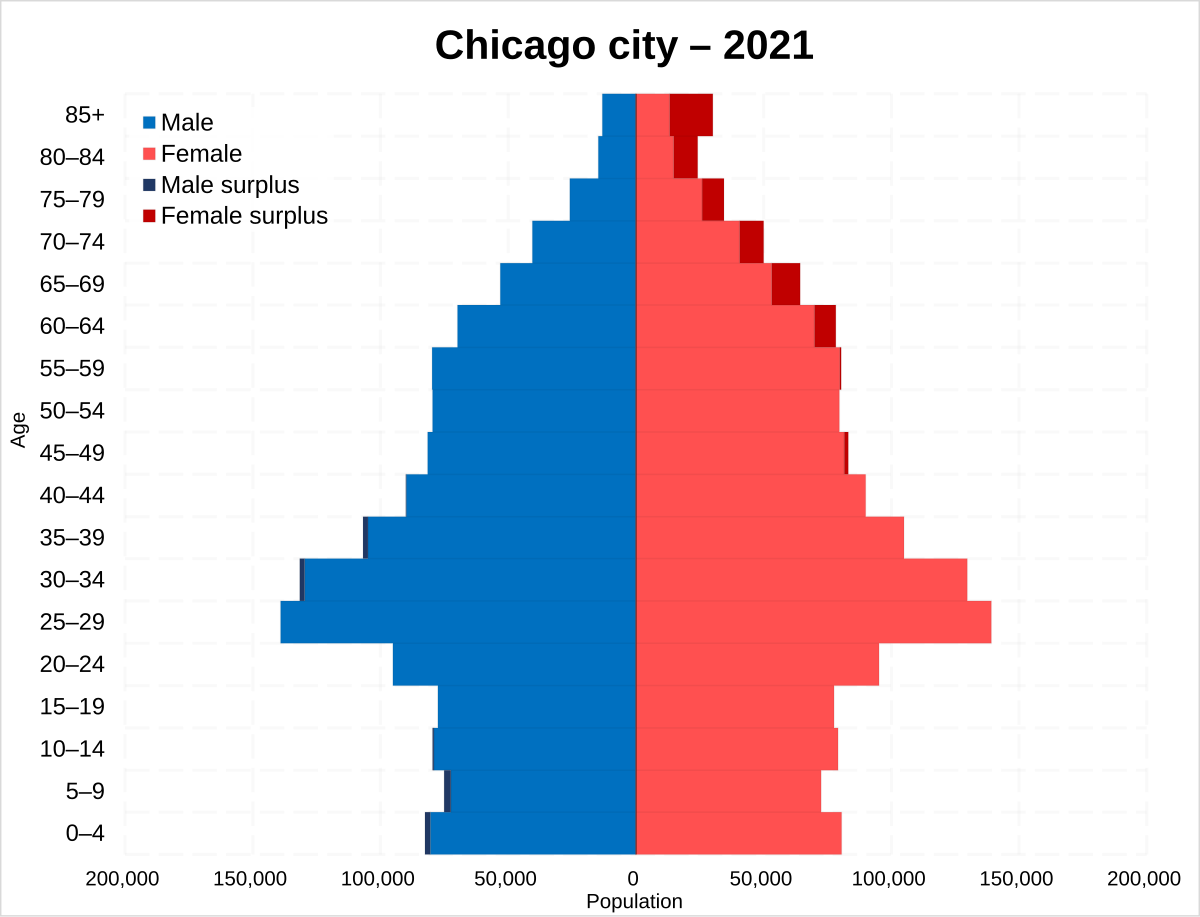
The age distribution of Chicago’s population also plays a critical role in shaping its urban fabric. The city attracts a large number of young professionals and recent graduates, drawn by its robust job market, world-class universities, and dynamic nightlife. This demographic often gravitates towards trendy neighborhoods like Wicker Park, Logan Square, and River North, seeking modern apartments and a bustling social scene.
Conversely, many families and older residents find their homes in more established, often greener neighborhoods such as Lincoln Park, Lakeview, or the diverse communities on the Far North Side, valuing good schools, parks, and a quieter pace of life. The presence of numerous colleges and universities, including the University of Chicago and Northwestern University, also contributes a significant student population, infusing the city with youthful energy and intellectual curiosity.
These varying age and household dynamics directly impact the demand for different types of accommodation, from luxury suites in downtown hotels for business travelers to family-friendly apartments for long-term stays. They also influence the types of attractions and experiences available, catering to a wide spectrum of interests and lifestyles.
Population Shaping the Urban Landscape: Neighborhoods and Lifestyles

The ebb and flow of Chicago’s population have undeniably sculpted its urban landscape, giving rise to distinct neighborhoods, each with its own character, amenities, and lifestyle. Understanding these demographic concentrations is key to appreciating the city’s layout and planning a visit that truly resonates with individual interests.
Distinctive Districts: Where Chicagoans Live and Thrive
Chicago is often described as a “city of neighborhoods,” and for good reason. Each district offers a unique blend of architecture, local businesses, green spaces, and community feel, largely shaped by its resident population.
- The Loop: As the central business district, The Loop is characterized by towering skyscrapers, corporate offices, and a relatively smaller residential population compared to other areas. During the day, it bustles with office workers and tourists visiting sites like Cloud Gate in Millennium Park and the Chicago Riverwalk. After hours, its residential pockets offer luxury accommodations and easy access to cultural institutions.
- Lincoln Park: A prime example of a family-friendly neighborhood, Lincoln Park is known for its beautiful namesake park, tree-lined streets, and historic homes. Its population includes many established families and young professionals, contributing to a vibrant dining scene and boutique shopping. The Lincoln Park Zoo is a major attraction here, frequented by both locals and tourists.
- River North: This area has transformed from an industrial hub into a trendy district, popular with young professionals and artists. Its population enjoys a dynamic nightlife, art galleries, and upscale restaurants. It’s also a hotspot for luxury hotels and stylish apartments.
- Pilsen: A historic and culturally rich neighborhood, Pilsen is predominantly home to Chicago’s Mexican-American community. Its streets are adorned with colorful murals, and its authentic eateries offer a true taste of Mexican culture. The vibrant population contributes to a thriving arts scene, making it a compelling destination for those seeking local culture.
- Hyde Park: Home to the University of Chicago and the future Obama Presidential Center, Hyde Park has an intellectually diverse population. It’s a neighborhood rich in history and academia, offering a different pace of urban life with grand architecture and proximity to the Museum of Science and Industry.
These are just a few examples; countless other neighborhoods like Andersonville (Swedish heritage, LGBTQ+ friendly), Bridgeport (historic working-class, political roots), and Uptown (historic entertainment district) each tell a story of immigration, community, and adaptation, all tied to their unique resident populations.
Living in Chicago: Accommodation and Community
The diverse population of Chicago directly influences the types of accommodation available and the cost of living. In the dense urban core, high-rise apartments and condominiums dominate, catering to single professionals, couples, and those seeking luxury urban living with amenities like fitness centers and concierge services. For travelers, this means a wide selection of hotels, from boutique options in West Loop to grand hotels along the Magnificent Mile.
As one moves further from the central business district, the housing stock diversifies to include classic Chicago bungalows, two-flats, and single-family homes, reflecting the preferences of families and long-term residents. The choice of accommodation, whether for a short trip or a permanent move, is often dictated by the specific neighborhood’s demographic profile, access to public transport, and community amenities that appeal to different lifestyles. The variety ensures that whether one is looking for budget travel options or a luxury stay, Chicago has something to offer.
Population’s Influence on Travel and Tourism in Chicago
The people of Chicago are not just its residents; they are the heart of its tourism experience. Their presence, diversity, and daily lives contribute immensely to the city’s allure, shaping the types of attractions, the local culture, and the overall atmosphere that visitors encounter.
Fueling the Tourist Economy: Locals and Visitors Alike
The robust population of Chicago provides a massive workforce for its thriving tourism industry. From the staff at world-class hotels and resorts, to the chefs in its Michelin-starred restaurants, to the guides leading tours of its iconic architecture, the local population is instrumental in delivering the high-quality experiences that Chicago is known for. Moreover, the resident population itself generates a significant amount of local tourism and entertainment spending, supporting cultural institutions, local businesses, and events year-round, which in turn enhance the city’s appeal to external visitors.
The city’s strong sense of community, fostered by its diverse populations, also leads to a calendar packed with festivals, markets, and neighborhood celebrations. These events, often rooted in specific ethnic traditions or local pride, provide authentic glimpses into Chicago life that are incredibly attractive to tourists seeking more than just standard sightseeing.
Experiencing Local Life: Connecting with Chicagoans
For travelers, engaging with Chicago’s diverse population offers a richer, more authentic experience than simply visiting landmarks. This connection can happen in myriad ways:
- Culinary Adventures: Sampling the myriad cuisines in various ethnic enclaves – from the hearty comfort food in Irish pubs to the intricate flavors of Asian restaurants – is a direct way to experience the city’s demographic richness. Food tours often highlight the history and traditions brought by immigrant communities.
- Arts and Culture: Attending a performance at the Steppenwolf Theatre Company, exploring independent art galleries in Wicker Park, or listening to live Blues music in a local club are all ways to connect with the city’s creative spirit, often fueled by its diverse resident artists and musicians.
- Neighborhood Exploration: Venturing beyond the main tourist areas into residential neighborhoods offers a chance to see how real Chicagoans live, shop, and socialize. Visiting a local park like Grant Park or Lincoln Park where families gather, strolling through a farmers market, or simply grabbing a coffee at a neighborhood cafe allows for organic interactions and a deeper understanding of local lifestyle.
- Volunteering and Community Events: For longer stays, engaging in local volunteer opportunities or participating in community events can provide an immersive experience, connecting travelers directly with the people who make Chicago home.
The energy of the crowd at Navy Pier, the casual conversations struck up on public transport, or the friendly banter at a local sports bar during a Cubs or Bears game – these everyday interactions underscore how the population of Chicago is not just a backdrop but an active participant in every visitor’s journey.

Future Outlook: Population Trends and Urban Development
Looking ahead, the population dynamics of Chicago continue to evolve, with potential shifts that will shape its future urban development and impact its appeal as both a place to live and a destination to visit. City planners and developers are constantly working to address challenges and capitalize on opportunities presented by these trends.
Chicago is actively investing in sustainable urban development, focusing on green initiatives, improved public transportation, and smart city technologies. These efforts are designed to enhance the quality of life for its existing population and attract new residents, particularly those who prioritize environmental consciousness and efficient urban living. The development of new residential towers and mixed-use complexes in areas like Lakeshore East and Fulton Market reflects a demand for modern urban living, catering to a diverse demographic that includes young professionals, empty-nesters, and even families who choose to remain in the city.
Economic diversification, moving beyond its traditional manufacturing base to embrace technology, finance, and healthcare sectors, also plays a crucial role in attracting and retaining a skilled workforce. This contributes to a vibrant professional population that, in turn, supports a dynamic lifestyle with abundant dining, entertainment, and cultural options.
The challenge for Chicago will be to balance growth and modernization with the preservation of its historical character and the support of its diverse communities. Ensuring affordable housing, equitable access to resources, and maintaining the unique identities of its neighborhoods will be key to sustaining a healthy, thriving population that continues to make Chicago a world-class city.
In conclusion, the population of Chicago is far more than a mere count of heads; it is the living, breathing entity that gives the city its soul. From its bustling downtown to its quiet, tree-lined streets, every aspect of Chicago’s unique character – its vibrant travel destinations, diverse hotels, authentic tourism experiences, varied accommodation options, historic landmarks, and rich lifestyle choices – is inextricably linked to the millions of people who call it home. Understanding this human element enriches any visit and deepens appreciation for one of the United States’ truly great cities.
LifeOutOfTheBox is a participant in the Amazon Services LLC Associates Program, an affiliate advertising program designed to provide a means for sites to earn advertising fees by advertising and linking to Amazon.com. Amazon, the Amazon logo, AmazonSupply, and the AmazonSupply logo are trademarks of Amazon.com, Inc. or its affiliates. As an Amazon Associate we earn affiliate commissions from qualifying purchases.