
Denver, Colorado, often celebrated as the Mile High City, stands as a vibrant testament to growth, innovation, and an undeniable allure that draws both residents and visitors alike. More than just a gateway to the majestic Rocky Mountains, Denver itself is a dynamic urban center, rich in culture, opportunity, and an ever-evolving identity. Understanding its population is not merely about reciting numbers; it’s about delving into the pulse of a city that continues to redefine itself at the intersection of nature and urban sophistication.
As of recent estimates, the population within the city limits of Denver, Colorado, hovers around 715,000 to 720,000 residents. However, this figure tells only part of the story. The broader Denver Metropolitan Area, which includes numerous surrounding cities and counties, boasts a population exceeding 2.9 million people, making it the largest metropolitan area in Colorado and a significant economic and cultural hub in the Western United States. This robust growth is not a recent phenomenon but a consistent trend that has shaped the city’s infrastructure, diversified its economy, and profoundly influenced its thriving travel and tourism industry. From its earliest days as a gold rush town to its modern status as a tech and outdoor recreation mecca, Denver’s population narrative is a fascinating journey of expansion and transformation, impacting everything from its iconic landmarks to its diverse accommodation options and unique lifestyle offerings.
Denver’s Population: A Snapshot of Growth and Diversity
The story of Denver’s population is one of sustained, strategic growth, marked by distinct periods of influx that have diversified its demographic fabric and strengthened its economic base. The city’s advantageous geographical position, coupled with its forward-thinking urban planning, has cultivated an environment ripe for expansion. This growth is a key driver behind the flourishing tourism sector, as a larger resident base naturally contributes to a more vibrant local economy and a broader array of attractions, dining experiences, and cultural events for visitors.
Unpacking the Numbers: Current Demographics and Trends
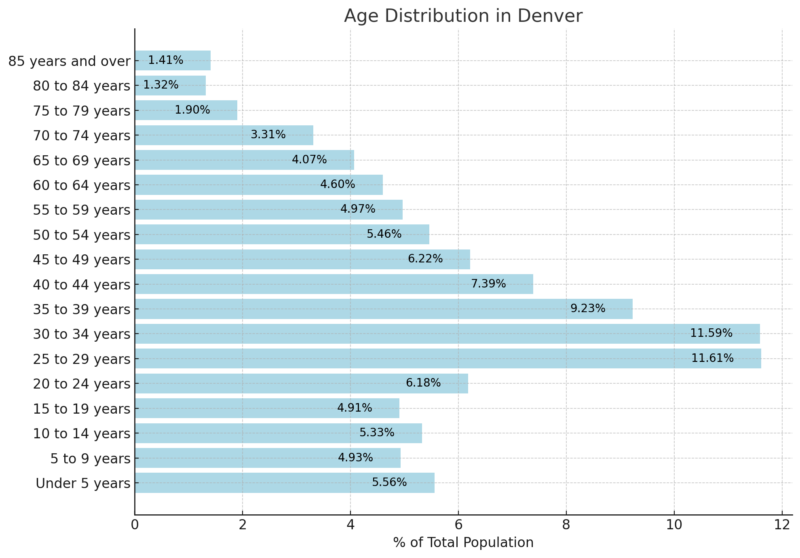
The current population of Denver is not just growing; it’s also becoming increasingly diverse. Demographically, the city is a melting pot, with a significant percentage of its residents identifying as Hispanic or Latino, alongside a robust mix of White, Black, Asian, and other ethnic groups. This rich cultural tapestry is evident in Denver’s neighborhoods, its culinary scene, and its festivals, offering visitors a genuinely multifaceted experience. The median age in Denver tends to be younger than the national average, attracting a dynamic workforce and contributing to a lively, energetic atmosphere. This youthfulness is reflected in the city’s innovative startups, its craft brewery scene, and its outdoor adventure culture, all of which are major draws for tourists.
Trends indicate that Denver continues to attract new residents, particularly from other states, drawn by job opportunities in booming sectors like technology, aerospace, healthcare, and renewable energy. The appeal of a healthy, active lifestyle, with easy access to world-class skiing, hiking, and biking, also plays a crucial role. This continuous influx places demands on housing and infrastructure but also injects new ideas and perspectives into the city, further enriching its cultural landscape and expanding the range of experiences available to tourists. The expansion of the public transportation system, including the RTD Light Rail and bus network, is a direct response to this growth, making it easier for residents and visitors to explore the sprawling metropolitan area.
Factors Fueling Denver’s Expansion
Several key factors contribute to Denver’s sustained population growth. Economically, the city boasts a robust and diversified job market that has proven resilient. Its strategic location at the confluence of major transportation routes in the west makes it a vital logistics and distribution hub. Furthermore, Colorado’s progressive policies, particularly concerning cannabis legalization and environmental initiatives, have attracted specific demographics and industries.
The quality of life in Denver is a paramount draw. With an average of 300 days of sunshine per year, residents and visitors alike can enjoy a plethora of outdoor activities. The proximity to national parks like Rocky Mountain National Park and ski resorts such as Vail and Breckenridge is unparalleled. This active lifestyle is complemented by a thriving arts and culture scene, featuring institutions like the Denver Art Museum, the Denver Center for the Performing Arts, and a vibrant live music scene anchored by venues such as Red Rocks Amphitheatre. The presence of major sports teams, including the Denver Broncos (NFL), Denver Nuggets (NBA), Colorado Avalanche (NHL), and Colorado Rockies (MLB at Coors Field), adds another layer of attraction for residents and tourists who seek entertainment and community engagement. These factors collectively create a magnetic pull, reinforcing Denver’s status as a desirable place to live, work, and visit.
The Ripple Effect: Population on Denver’s Travel and Tourism Landscape
The burgeoning population of Denver has a profound and multifaceted impact on its travel and tourism industry. A larger and more diverse resident base creates a more dynamic and attractive destination for travelers. This manifests in an expanded array of local businesses, cultural events, and culinary experiences, transforming Denver from a mere stopover city into a prime destination in its own right. The demands of a growing population also spur innovation in urban development, which often benefits tourism directly through improved infrastructure, enhanced public spaces, and new attractions.
Booming Tourism: Attractions, Experiences, and Local Culture
Denver’s population growth has fueled a tourism boom, creating a vibrant ecosystem of attractions and experiences. The city’s cultural districts, like the Golden Triangle Creative District and the River North Art District (RiNo), have blossomed, showcasing local artists, galleries, and street art that reflect the city’s contemporary vibe. These areas, alongside historic gems such as Larimer Square and the bustling 16th Street Mall, offer diverse experiences from high-end dining to independent boutiques.

The city’s culinary scene has exploded, driven by a population that values farm-to-table dining, craft breweries, and global flavors. Tourists can embark on food tours, explore diverse neighborhoods for authentic eateries, or enjoy sophisticated dining in areas like Cherry Creek. The local culture is further enriched by community events, farmers’ markets, and music festivals that cater to a wide range of tastes, providing an authentic glimpse into the daily life and recreational pursuits of Denverites. The increased population also supports a broader range of tour operators offering unique experiences, from historical walking tours to guided outdoor adventures in the nearby mountains. This synergy between residents and visitors creates a lively, engaging atmosphere where exploration and discovery are always at the forefront.
Accommodation Challenges and Opportunities
The rapid population growth, combined with the tourism surge, presents both challenges and opportunities for Denver’s accommodation sector. The demand for lodging, ranging from luxury hotels to budget-friendly apartments and long-term stays, has steadily increased. This demand has spurred significant development in new hotels and the renovation of existing properties, striving to meet the diverse needs of travelers.
For those seeking luxury, Denver offers premier options such as the Grand Hyatt Denver, The Ritz-Carlton, Denver, and Hotel Clio, a Luxury Collection Hotel, Denver Cherry Creek, which provide upscale amenities and prime locations. Historic hotels like the Brown Palace Hotel and Spa and The Crawford Hotel at Union Station blend heritage with modern comforts, offering unique experiences. The proliferation of boutique hotels in neighborhoods like LoDo (Lower Downtown) and RiNo caters to travelers looking for distinctive stays.
The challenge lies in maintaining affordability and availability, especially during peak seasons or major conventions. This has led to an expansion of alternative accommodation options, including apartment rentals, extended-stay hotels, and even serviced villas, which cater to families, business travelers, and those interested in longer visits. The competitive market also drives hotels to innovate with amenities, offering everything from rooftop pools and fitness centers to co-working spaces and pet-friendly policies, ensuring that every type of traveler can find their ideal stay in the Mile High City. Booking platforms have become essential tools for comparing options and securing the best deals, reflecting the dynamic nature of Denver’s accommodation market.
Navigating Denver: Lifestyle, Landmarks, and Visitor Experiences
The population of Denver has intricately woven itself into the fabric of the city’s lifestyle, creating a distinctive culture that marries urban sophistication with a deep appreciation for the outdoors. This unique blend profoundly influences visitor experiences, offering a spectrum of activities from high-altitude adventures to world-class cultural explorations. The city’s landmarks, both natural and man-made, serve as focal points for this vibrant lifestyle, inviting both residents and tourists to engage with Denver’s past, present, and future.
A City of Lifestyles: From Urban Explorers to Mountain Enthusiasts
Denver’s diverse population fosters a rich tapestry of lifestyles. For the urban explorer, the city center offers endless opportunities. Neighborhoods like LoDo and Five Points are brimming with historic architecture, vibrant nightlife, trendy restaurants, and independent shops. The burgeoning tech scene and co-working spaces reflect a professional lifestyle, while the numerous breweries and distilleries cater to a social and experiential crowd. Public art installations and lively street festivals throughout the year further animate the urban landscape, providing constant discovery for those who thrive on city energy.
Conversely, for the mountain enthusiast, Denver serves as an ideal basecamp. The city’s residents embrace an active outdoor lifestyle, frequenting parks, hiking trails, and bike paths. Weekend trips to ski resorts, national forests, and scenic drives are common, reflecting a deep connection to the Rocky Mountains. This dual identity—a sophisticated urban core set against a stunning natural backdrop—is a defining characteristic of Denver. Tourists can easily transition from exploring downtown galleries to embarking on a scenic drive to a mountain town, experiencing the best of both worlds. Whether one prefers luxury travel experiences in upscale boutiques and gourmet restaurants or budget travel focused on outdoor adventures and local eateries, Denver’s varied lifestyle offerings cater to all. Family trips find abundant options, from interactive museums to nature parks, ensuring that every member has an unforgettable experience.

Iconic Denver Landmarks and Natural Wonders
Denver’s landmarks are as diverse as its population, ranging from architectural marvels to breathtaking natural wonders within a short drive. At the heart of the city, Union Station stands as a beautifully restored Beaux-Arts masterpiece, functioning as a transportation hub, a hotel, and a bustling social space with acclaimed restaurants and shops. Nearby, the Colorado State Capitol Building, with its gleaming gold dome, offers panoramic views of the city skyline and the distant mountains from its Mile High Step.
The Denver Art Museum, with its striking postmodern architecture, is a cultural cornerstone, housing an impressive collection of Native American art, Western American art, and diverse international exhibits. For sports fans, Coors Field is a beloved landmark, home to the Colorado Rockies, offering a classic baseball experience with mountain views. Just a short drive west of the city, Red Rocks Amphitheatre is an internationally renowned natural amphitheater and park, famed for its stunning geological formations and unparalleled acoustics, hosting concerts and fitness events year-round.
Beyond the urban core, the influence of the nearby natural environment cannot be overstated. While not within city limits, proximity to sites like Rocky Mountain National Park, Great Sand Dunes National Park and Preserve, and numerous state parks makes Denver a gateway to some of the most spectacular landscapes in the United States. These natural wonders inspire a culture of outdoor appreciation and adventure among Denver’s population, further cementing the city’s identity as a place where urban dynamism meets untamed wilderness. These landmarks and natural attractions are not just points of interest; they are integral to the identity and appeal of Denver as a premier travel destination.
The population of Denver, Colorado, extending beyond 700,000 residents in the city proper and nearly 3 million in the metropolitan area, is a powerful indicator of its thriving status. This growth is not merely a numerical achievement but a catalyst for the city’s dynamic evolution, influencing everything from its diverse cultural tapestry to its booming tourism sector and comprehensive accommodation options. As Denver continues to attract new residents and visitors, its unique blend of urban sophistication, outdoor adventure, and vibrant lifestyle promises an enriching experience for all who explore the Mile High City.