
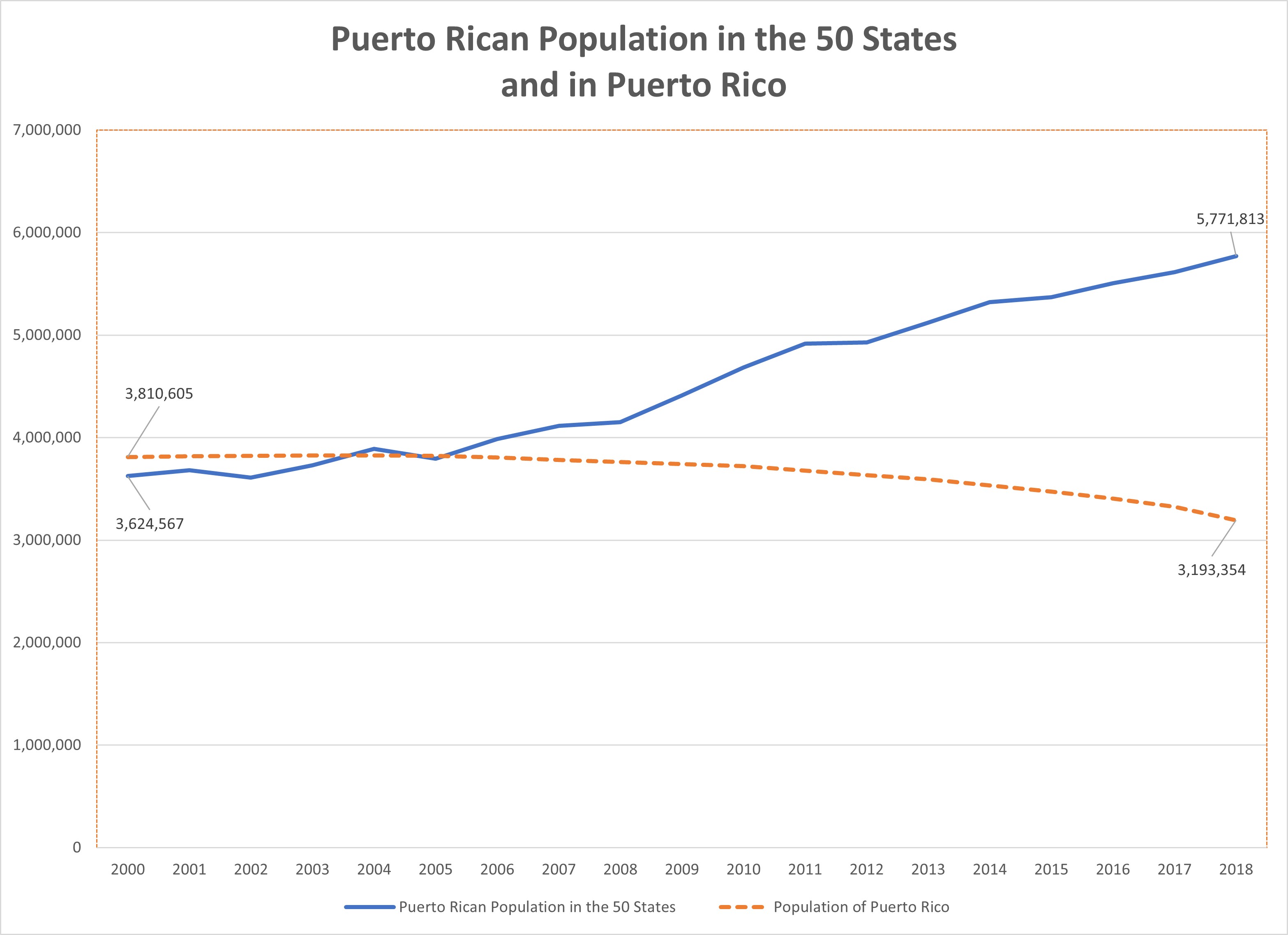
Nestled in the heart of the Caribbean, Puerto Rico is an island of unparalleled beauty, vibrant culture, and a history as rich and dynamic as its landscapes. Often referred to as “La Isla del Encanto” (The Island of Enchantment), its allure for travelers seeking sun-drenched beaches, lush rainforests, and pulsating urban centers is undeniable. Yet, behind every captivating destination lies the story of its people, and for Puerto Rico, understanding its population is key to appreciating its unique charm, challenges, and enduring appeal as a prime travel destination. The population of Puerto Rico is not just a statistic; it’s a living, breathing testament to resilience, cultural fusion, and the ongoing narrative of an island nation. As of recent estimates (2023-2024), the population hovers around 3.2 million residents. This figure, while significant, tells only a fraction of the story, as Puerto Rico’s demographics have been shaped by centuries of historical events, natural phenomena, and a continuous flow of migration that deeply influences its tourism landscape, accommodation offerings, and the very fabric of its lifestyle.

Understanding Puerto Rico’s Dynamic Demographic Landscape
The population of Puerto Rico is a complex and fascinating subject, reflecting the island’s journey through colonial rule, economic shifts, and a profound connection to the United States. These dynamics are crucial for anyone looking to truly understand the island, whether planning a short getaway or considering a long-term stay.
A Current Snapshot: Numbers and Trends
As previously noted, Puerto Rico’s population is currently estimated at approximately 3.2 million. However, this number has seen significant fluctuations over the past few decades. Historically, the island experienced rapid population growth, driven by high birth rates. Post-World War II, however, a wave of emigration to the United States mainland began, primarily for economic opportunities, leading to periods of population stagnation or even decline.
More recently, the island has faced pronounced demographic challenges. Economic recession, coupled with devastating natural disasters, has accelerated population decrease. The majority of the population is concentrated in urban and coastal areas, with the metropolitan area of San Juan being the most densely populated region, serving as the island’s economic and cultural hub. This concentration significantly influences where hotels, resorts, and other accommodation options are developed, catering to both residents and the ever-growing number of visitors.
The Impact of Migration on the Island’s Fabric
Migration is an intrinsic part of Puerto Rico’s demographic story. The island experiences a dual migratory pattern: a consistent outflow of Puerto Ricans to the United States and a smaller, yet significant, influx of return migrants and foreign residents. This constant flow profoundly impacts every aspect of the island, from its labor force and economy to its vibrant cultural landscape and the evolving needs of its tourism sector.
For travelers, this means encountering a population that is exceptionally well-traveled and often bilingual, making navigation and cultural exchange relatively easy. The diaspora also means that visitors will find a strong Puerto Rican identity and influence in cities across the United States, creating a bridge that encourages return visits and promotes the island’s unique charm globally. This dynamic shapes the availability of skilled labor for the hospitality industry and influences the types of businesses, including hotels and attractions, that thrive on the island.
Historical Echoes: How Past Events Shaped Today’s Population and Culture
To truly grasp Puerto Rico’s current demographic state and its rich cultural offerings, one must look back at the historical forces that have shaped its people over centuries. These historical layers are visible in the island’s landmarks, traditions, and the welcoming spirit of its inhabitants.
Colonial Legacies and Cultural Fusion
The story of Puerto Rico’s population begins with its indigenous Taíno inhabitants, followed by the arrival of the Spanish in the late 15th century. This marked the beginning of centuries of colonial rule, which dramatically altered the island’s demographics. Spanish colonization brought not only European settlers but also forcibly introduced Africans through the transatlantic slave trade. This powerful mix of Taíno, Spanish, and African heritage formed the foundation of the unique criollo culture that defines Puerto Rico today.
The transfer of Puerto Rico to the United States in 1898 after the Spanish-American War introduced another significant cultural and demographic layer. This new political relationship opened doors for migration to the mainland and further diversified the island’s cultural landscape. This rich history is profoundly appealing to tourism, with visitors flocking to explore historical landmarks like the ancient fortifications of El Morro and the colorful streets of Old San Juan, a designated UNESCO World Heritage Site. These sites not only tell the story of the past but also showcase the resilience and identity of the Puerto Rican people.
Resilience in the Face of Adversity: Natural Disasters and Demographic Shifts
More recently, Puerto Rico’s population has faced immense challenges, particularly from natural disasters. The devastating impact of Hurricanes Irma and Maria in 2017 caused widespread destruction, leading to a significant exodus of residents seeking safety and stability. The aftermath saw a notable decrease in population, as many chose not to return immediately due to prolonged power outages, infrastructure damage, and economic hardship.
However, these events also highlighted the extraordinary resilience and community spirit of the Puerto Rican people. The recovery process has been ongoing, with substantial efforts to rebuild infrastructure, revitalize local economies, and strengthen the tourism sector. This period has seen a renewed focus on sustainable development and robust planning for future challenges, which includes investing in durable accommodation options and improving emergency response systems. For travelers, witnessing this resilience and contributing to the island’s recovery through tourism offers a profound and meaningful experience.
The Population’s Influence on Travel, Tourism, and Lifestyle
The demographic composition and trends in Puerto Rico are not merely abstract statistics; they directly shape the travel experience, the types of tourism available, and the unique lifestyle visitors can immerse themselves in. The island’s people are its greatest asset, providing a warm welcome and a vibrant cultural backdrop to any visit.
A Tapestry of Experiences: Connecting People to Places
The diverse heritage of Puerto Rico’s population has created an incredibly rich cultural scene. From the infectious rhythms of salsa and plena music that spill onto the streets to the tantalizing fusion of flavors in Puerto Rican food, every aspect reflects a blend of influences. This vibrant culture is a major draw for tourism, offering travelers authentic experiences that go beyond sun and sand.
Population distribution also dictates the variety of travel experiences available:
- Urban Energy: The densely populated capital, San Juan, pulsates with energy. Here, visitors can indulge in luxury travel, find sophisticated hotels like the historic Condado Vanderbilt Hotel or the iconic Caribe Hilton, explore world-class museums, enjoy a bustling nightlife, and engage in business stays. The sheer number of residents ensures a lively atmosphere year-round.
- Rural Charm: Venture outside the major cities, and the population thins, revealing tranquil landscapes and authentic community lifestyles. Areas like the central mountains offer eco-tourism opportunities, while smaller coastal towns such as Rincón, La Parguera, Vieques, and Culebra provide a more relaxed pace, ideal for budget travel and family trips. Here, interactions with locals often lead to the most memorable cultural experiences. The welcoming nature and hospitality of the Puerto Rican people are consistently highlighted by visitors as a top reason for returning.
Adapting to Visitor Needs: Accommodation and Infrastructure
The evolving population dynamics and the consistent demand for tourism have significantly influenced the development of accommodation and infrastructure across Puerto Rico. The island boasts a wide array of options to suit every preference and budget, a direct response to the diverse needs of both its residents and its visitors.
From opulent resorts and boutique hotels in popular tourist zones to charming villas, apartments, and guesthouses in more secluded areas, the choice is vast. The recovery efforts post-Hurricanes Irma and Maria spurred significant investments in upgrading existing properties and developing new ones, ensuring modern amenities and improved guest experiences. Furthermore, infrastructure improvements, including expanded airports and better road networks, have made it easier for travelers to explore the island, connecting them seamlessly to its many destinations and attractions. This ongoing development reflects a commitment to enhancing both the residents’ quality of life and the overall visitor journey.
Exploring Puerto Rico: Popular Destinations Shaped by Its People
The population density and historical development of various regions in Puerto Rico have created distinct characteristics for its popular destinations, each offering a unique glimpse into the island’s soul.
Iconic Cities and Their Inhabitants
- San Juan: As the capital and largest city, San Juan is home to a significant portion of Puerto Rico’s population, making it a bustling center of commerce, culture, and nightlife. Its historical significance is evident in Old San Juan, where centuries-old cobblestone streets, vibrant colonial architecture, and formidable fortifications like Castillo San Felipe del Morro tell tales of its past. Modern San Juan seamlessly blends with the old, offering contemporary resorts, diverse culinary experiences, and a dynamic urban lifestyle fueled by its inhabitants.
- Ponce: Often called the “Pearl of the South,” Ponce stands as a testament to Puerto Rico’s rich cultural heritage. Its historic city center, with its neoclassical architecture and unique firehouse, Parque de Bombas, offers a different flavor from San Juan. Home to the renowned Museo de Arte de Ponce, the city’s inhabitants maintain a strong sense of pride in their distinct traditions and contributions to Puerto Rican art and history.
- Caguas: Located in the central eastern region, Caguas represents a blend of urban development and deep-rooted traditions. While not as heavily touristed as San Juan or Ponce, its population actively preserves and celebrates local culture through its vibrant Criollo Center for Science and Technology and various cultural events, providing an authentic glimpse into the daily lives of Puerto Ricans outside the main tourist circuits.
Natural Wonders and Community Engagement
Puerto Rico’s natural attractions are equally shaped by the interaction with its population, demonstrating how local communities engage with and protect their environment.
- El Yunque National Forest: As the only tropical rainforest in the United States National Forest System, El Yunque National Forest is a beacon of biodiversity. The communities surrounding El Yunque National Forest play a vital role in its preservation, offering guided tours and eco-friendly experiences that highlight both the ecological importance and the cultural significance of the forest to the island’s inhabitants.
- Bioluminescent Bays: Puerto Rico is famous for its three bioluminescent bays, with Mosquito Bay in Vieques being arguably the brightest in the world. The preservation of these natural wonders is a community effort, with local tour operators and residents committed to sustainable practices to ensure these magical experiences can be enjoyed for generations. This dedication highlights a profound connection between the people and their natural heritage.
- Coastal Towns: Towns like Rincón on the west coast, known for its surfing culture, and Fajardo on the east, a gateway to the idyllic islands of Culebra and Vieques, are defined by their coastal populations. These communities thrive on maritime activities, local fishing industries, and the provision of vibrant tourism services, from surf schools to snorkeling excursions and apartments and villas for rent.
The Future of Puerto Rico: Population, Progress, and Enduring Appeal
The trajectory of Puerto Rico’s population is intrinsically linked to its future prosperity and its continued success as a global travel destination. The island is actively working towards sustainable growth and enhancing every aspect of the visitor experience.
Sustaining Growth and Enhancing the Visitor Experience
Efforts are underway to stabilize and grow Puerto Rico’s population, recognizing its critical role in the island’s economic development, particularly in the tourism sector. Initiatives focus on creating economic opportunities, improving quality of life, and fostering a welcoming environment for both returning residents and new arrivals. This includes significant investments in renewable energy, modernizing infrastructure, and expanding quality accommodation options.
Moreover, there’s a strong emphasis on sustainable tourism practices, ensuring that the island’s natural beauty and cultural heritage are preserved for future generations. Community-based tourism and activities are being promoted, allowing visitors to engage more deeply with local communities and support small businesses, offering a more authentic and impactful experience. These strategic moves aim to not only strengthen the island’s economy but also to provide exceptional and memorable travel experiences.

Why Puerto Rico Continues to Captivate
Despite its demographic challenges and historical upheavals, Puerto Rico continues to captivate hearts worldwide. Its enduring appeal lies in the unique blend of breathtaking natural beauty, a history that whispers from every corner, a vibrant and resilient culture, and most importantly, the warmth and generosity of its people.
Whether you’re seeking the luxury of a five-star resort, the thrill of adventure travel, the peace of a secluded beach, or an immersive cultural experience through its food and music, Puerto Rico offers something for every type of lifestyle. The island is a testament to the fact that its people are its soul, animating its landscapes and imbuing every visit with an unforgettable sense of charm and hospitality.
In conclusion, the population of Puerto Rico, though dynamic and ever-evolving, is the very essence of what makes this island an extraordinary travel destination. It is a population deeply intertwined with its history, culture, and future, welcoming visitors to discover the magic of “La Isla del Encanto” for themselves. To visit Puerto Rico is to engage with its people, absorb its vibrant spirit, and become a part of its ongoing story.
LifeOutOfTheBox is a participant in the Amazon Services LLC Associates Program, an affiliate advertising program designed to provide a means for sites to earn advertising fees by advertising and linking to Amazon.com. Amazon, the Amazon logo, AmazonSupply, and the AmazonSupply logo are trademarks of Amazon.com, Inc. or its affiliates. As an Amazon Associate we earn affiliate commissions from qualifying purchases.