
South Dakota, a state renowned for its majestic landscapes, rich history, and the iconic Mount Rushmore National Memorial, often evokes images of vast prairies and a frontier spirit. While its natural beauty and attractions draw millions of visitors annually, understanding its demographic profile offers a deeper insight into the fabric of this Midwest state. The population of South Dakota is a dynamic figure, reflecting trends in migration, birth rates, and economic development, all of which contribute significantly to its unique appeal as both a place to live and a destination to explore.

As of recent estimates, the population of South Dakota hovers around 920,000 to 930,000 residents. While this number may seem modest compared to more densely populated states in the United States, it tells a story of steady growth and a distinctive demographic spread. This relatively small population, combined with its expansive land area, gives South Dakota one of the lowest population densities in the nation, fostering a lifestyle characterized by open spaces, close-knit communities, and a strong connection to nature. For travelers, this translates into uncrowded attractions and a serene escape from the hustle and bustle of metropolitan life, perfectly aligning with a desire for authentic experiences and a relaxed pace.
The narrative of South Dakota’s population isn’t just about numbers; it’s about the people who call this state home, their vibrant cultures, the opportunities that draw them, and the lifestyle they embrace. From the bustling streets of its largest city to the tranquil farmlands that define much of its landscape, the population shapes the state’s economy, its tourism offerings, and its overall identity. Delving into these aspects reveals how South Dakota continues to evolve while holding steadfast to its core values and natural allure.
Understanding the Demographic Landscape of South Dakota
The demographic landscape of South Dakota is a fascinating mosaic, characterized by a mix of steady growth in urban centers and the enduring rural character of its vast plains. Understanding these figures and trends is crucial for anyone looking to comprehend the state’s development, its appeal to residents, and its capacity to welcome the increasing numbers of tourists drawn to its landmarks and natural beauty.
Current Population Figures and Growth Trends
The population of South Dakota, currently estimated to be approaching 930,000, reflects a consistent upward trajectory over the past few decades. This growth is primarily fueled by a combination of natural increase (births outpacing deaths) and net migration, as people are drawn to the state for its economic opportunities, lower cost of living, and high quality of life. Unlike some other rural states experiencing population decline, South Dakota has managed to attract and retain residents, particularly in its more urbanized areas.
Projections indicate that this growth is likely to continue, albeit at a moderate pace. Factors such as a diversified economy, including strong sectors in agriculture, healthcare, finance, and tourism, contribute to a stable job market. Furthermore, the state’s business-friendly environment and tax structure act as incentives for both companies and individuals considering relocation. This steady demographic expansion influences everything from infrastructure development to the variety of accommodation options available, ranging from modern hotels in growing cities to charming bed and breakfasts in scenic regions.
Demographic Makeup: Age, Ethnicity, and Rural-Urban Divide
The demographic makeup of South Dakota is relatively homogeneous but with distinct pockets of diversity. The state’s population is predominantly white, but it also has a significant Native American population, particularly within its tribal lands, contributing a rich cultural heritage that is integral to the state’s identity and tourism offerings. Other ethnic groups are growing, especially in metropolitan areas, adding to the cultural vibrancy.
An important aspect of South Dakota’s population distribution is the pronounced rural-urban divide. While a significant portion of the state remains rural, characterized by small towns and agricultural communities, there’s a clear trend of population concentration in a few key urban centers. These cities act as economic engines and cultural hubs, attracting younger demographics and providing more diverse job opportunities and amenities. This dual nature of the population—sparse in the countryside and denser in specific urban areas—shapes everything from local culture and food scenes to the types of travel experiences visitors can expect, whether seeking a quiet retreat or a lively city break. The average age in South Dakota tends to be slightly younger than the national average, especially in areas with universities, reflecting an influx of students and young professionals. This youthful energy contributes to a dynamic lifestyle, particularly visible in burgeoning arts scenes, craft breweries, and outdoor adventure sports.
Major Population Centers and Their Appeal
While South Dakota is celebrated for its wide-open spaces, its population centers are vibrant hubs that anchor the state’s economy, culture, and tourism. These cities serve as crucial points of interest for both residents and visitors, offering a range of amenities, historical sites, and unique experiences that complement the state’s natural attractions.
Sioux Falls: The Economic and Cultural Hub
Sioux Falls stands as the largest city in South Dakota, with a population exceeding 200,000. It is indisputably the economic and cultural powerhouse of the state. Its rapid growth is fueled by a robust economy, particularly in finance, healthcare, and retail sectors, drawing in new residents and businesses. For travelers, Sioux Falls offers a sophisticated urban experience with a friendly, Midwestern charm. The city boasts a thriving downtown area, alive with art galleries, diverse restaurants showcasing local food, and a vibrant nightlife. The Falls Park on the Big Sioux River, the city’s namesake, is a stunning natural landmark that provides a scenic backdrop for leisurely strolls and photography.
Accommodation options in Sioux Falls are extensive, ranging from luxury hotels and boutique suites to family-friendly resorts and budget-conscious stays, catering to every type of traveler. Its growing population means a constant demand for new hospitality ventures, making it an excellent base for exploring eastern South Dakota or for business travelers. The city’s lifestyle blends urban conveniences with easy access to outdoor activities, making it an attractive place for young professionals and families alike.
Rapid City: Gateway to the Black Hills
On the western side of the state lies Rapid City, the second-largest city, with a population close to 80,000. Often referred to as the “Gateway to the Black Hills,” its strategic location makes it an indispensable hub for tourism in South Dakota. Millions of visitors pass through Rapid City annually on their way to iconic landmarks such as Mount Rushmore National Memorial, Badlands National Park, and Custer State Park.
Rapid City itself offers numerous attractions, including the Dinosaur Park, Storybook Island (a children’s park), and a bustling downtown with the “City of Presidents” statues. The city’s lifestyle is deeply intertwined with its surrounding natural beauty, offering residents and visitors unparalleled opportunities for hiking, biking, rock climbing, and wildlife viewing. The hospitality sector here is robust, with a wide array of hotels, resorts, and vacation rentals designed to accommodate the steady influx of tourists. The presence of these world-class attractions and the associated visitor flow means a thriving accommodation industry, with options from charming lodges nestled in the Black Hills to full-service resorts offering extensive amenities.
Pierre and Other Key Cities: Governance, Education, and Community Life
Pierre, despite being the state capital, holds the distinction of being one of the smallest state capitals in the United States by population, with roughly 14,000 residents. Its charm lies in its quiet setting along the Missouri River, offering a glimpse into South Dakota’s governmental core and a serene, community-focused lifestyle. For visitors interested in history and governance, the State Capitol building is a landmark worth exploring.
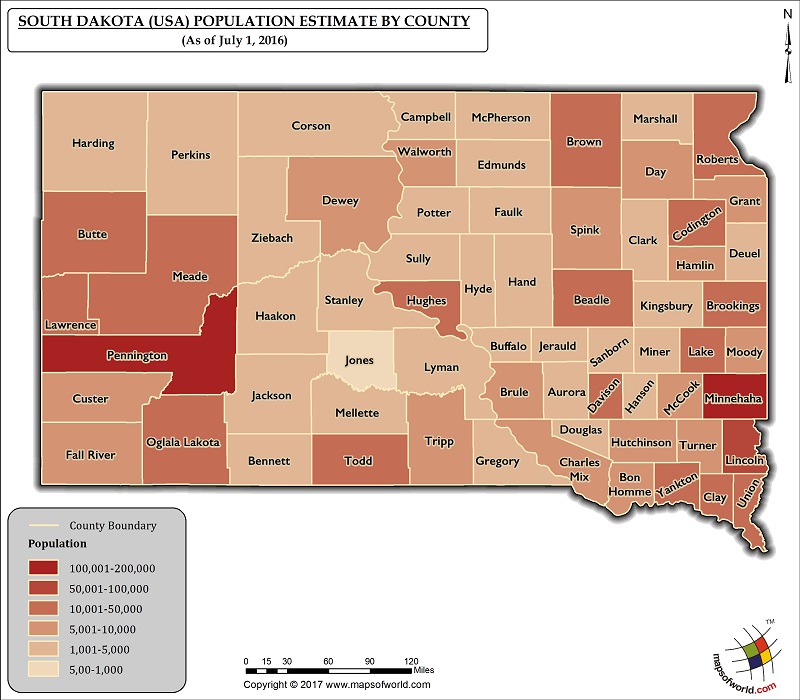
Beyond Sioux Falls and Rapid City, several other cities play vital roles in the state’s demographic and cultural landscape. Aberdeen, Brookings, Watertown, Mitchell, Yankton, Huron, and Vermillion are important regional centers. These cities often host major educational institutions, regional healthcare facilities, and agricultural processing plants. For instance, Brookings is home to South Dakota State University, infusing the town with youthful energy and academic pursuits. Mitchell is famous for its unique Corn Palace, a testament to local creativity and agricultural heritage, drawing curious tourists.
Each of these smaller cities offers a distinctive slice of South Dakota life, characterized by strong community ties, local festivals, and access to outdoor recreation, such as fishing and boating on the many lakes and rivers. They provide excellent opportunities for travelers seeking to experience authentic local culture and hospitality, often featuring quaint hotels, comfortable motels, and friendly bed and breakfasts that embody the spirit of the Great Plains.
Population, Tourism, and Economic Vibrancy
The population of South Dakota is not merely a static number; it’s a dynamic factor deeply interwoven with the state’s thriving tourism industry and overall economic health. The relatively sparse population, coupled with world-class natural and historical landmarks, creates a unique environment where the presence of residents directly supports and is supported by a robust influx of visitors.
The Interplay of Residents and Visitors
The synergy between South Dakota’s population and its tourism sector is undeniable. A smaller residential population means that when millions of tourists descend upon attractions like Mount Rushmore National Memorial, the Badlands National Park, or the Crazy Horse Memorial, the impact on local services and infrastructure is significant but manageable. Residents often contribute to the tourism workforce, whether directly in hospitality, or indirectly by supporting local businesses that cater to both locals and visitors. The state’s low population density also means that even during peak season, many areas offer a sense of solitude and uncrowded natural beauty, which is a major draw for those seeking an escape.
The cultural fabric woven by South Dakota’s residents, including the strong influence of Native American heritage, provides an authentic and enriching experience for travelers. Local festivals, markets, and community events, often organized by residents, become points of interest, allowing visitors to immerse themselves in the genuine lifestyle and traditions of the region. This interaction enriches both sides, fostering a deeper appreciation for the state’s unique character.
Impact on Accommodation and Hospitality
The steady growth in both resident population and visitor numbers has a direct and significant impact on the accommodation and hospitality sectors across South Dakota. In cities like Sioux Falls and Rapid City, population growth fuels the demand for a wider variety of lodging options, from business-oriented hotels and extended-stay suites for new residents to upscale resorts and boutique apartments for leisure travelers.
The tourism industry, a cornerstone of the state’s economy, drives the continuous development of new hotels, resorts, and unique accommodation experiences in and around major attractions. For instance, the area surrounding the Black Hills sees a concentration of cabins, lodges, and campsites, alongside traditional hotels, to cater to outdoor enthusiasts and families visiting the national parks and monuments. The local workforce, comprised of South Dakota residents, fills crucial roles in these establishments, ensuring quality service and a welcoming atmosphere. This interdependence highlights how population numbers, particularly workforce availability, are critical to supporting a vibrant tourism ecosystem. Travelers benefit from a competitive and diverse range of choices, whether they’re seeking luxury travel, budget-friendly options, or unique long-term stays.
The South Dakota Lifestyle: A Closer Look
The lifestyle in South Dakota is as distinctive as its landscapes, heavily influenced by its population size, distribution, and the values cherished by its residents. It’s a blend of community spirit, a deep appreciation for the outdoors, and a pragmatic approach to life that makes it unique among United States states.
Outdoor Recreation and Natural Beauty
One of the most defining aspects of the South Dakota lifestyle is its profound connection to outdoor recreation and natural beauty. With a relatively small population spread across vast expanses of land, residents have unparalleled access to pristine wilderness, state parks, and national treasures. From hiking and camping in the Black Hills to fishing and boating on the Missouri River and its expansive reservoirs like the Lewis & Clark Recreation Area, outdoor activities are an integral part of daily life.
Winter sports, hunting, and wildlife viewing are also extremely popular, contributing to a year-round engagement with the environment. This emphasis on outdoor living not only shapes recreational habits but also influences the local culture and economy, with many small businesses catering to outdoor enthusiasts. For tourists, this means that every visit offers an opportunity to immerse oneself in nature, whether it’s through a scenic drive along the Wildlife Loop Road in Custer State Park or exploring the geological wonders of Badlands National Park. The numerous available guides and experiences for such activities reflect a lifestyle built around appreciation for the environment.
Community Spirit and Quality of Life
The relatively small population in many parts of South Dakota fosters a strong sense of community and neighborliness. In small towns and even in parts of larger cities, people tend to know each other, support local businesses, and participate actively in community events. This close-knit social fabric contributes significantly to a high quality of life, characterized by low crime rates, excellent schools in many districts, and a slower, more deliberate pace of life.
The cost of living in South Dakota is generally lower than the national average, making it an attractive place for families and individuals seeking affordability without sacrificing amenities. This, combined with a strong work ethic and a focus on traditional values, creates an environment where residents feel safe, connected, and content. For those considering a long-term stay or even relocation, South Dakota offers a compelling blend of economic opportunity and a desirable lifestyle, with a focus on family and community. This lifestyle permeates the tourism experience, often found in the genuine warmth and hospitality extended by locals to visitors.
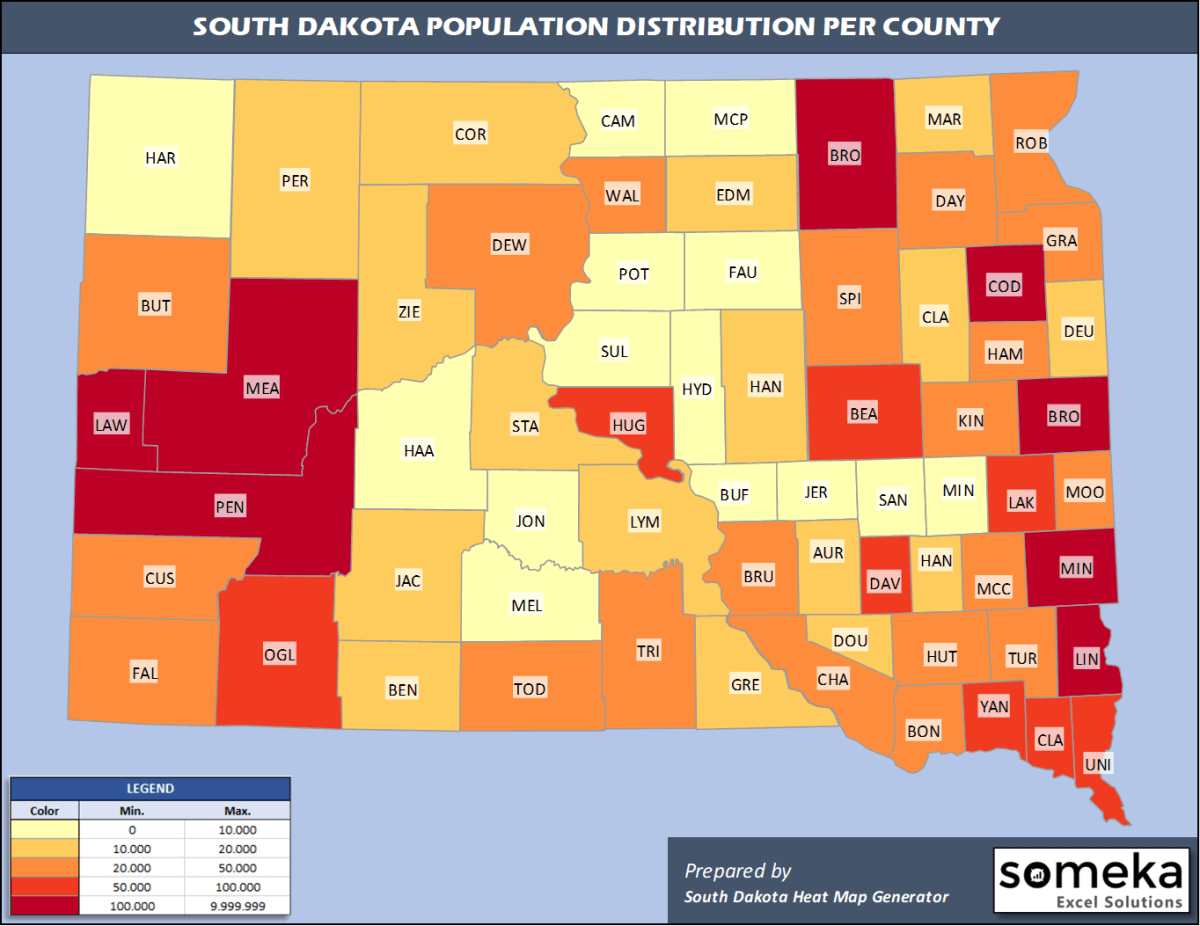
Living and Working in the Mount Rushmore State
Beyond the iconic landmarks, living and working in the “Mount Rushmore State” offers a unique blend of opportunities. The state’s economic base, traditionally rooted in agriculture, has diversified significantly to include strong sectors in finance, healthcare, manufacturing, and, notably, tourism. This diversification provides a stable job market and attracts a variety of professionals. The state’s business-friendly policies and absence of state income tax are further incentives for both individuals and companies.
The population’s distribution also means less traffic, easier commutes, and more affordable housing compared to more populous regions. This contributes to a balanced lifestyle where personal time can be spent enjoying the outdoors or participating in community activities rather than being consumed by urban stressors. The availability of diverse accommodation options, from urban apartments to rural villas, caters to varied lifestyle preferences. Whether one is seeking the bustling atmosphere of Sioux Falls, the adventurous spirit of Rapid City, or the tranquility of a small town near a landmark like Wall Drug Store or the National Museum of Military Vehicles, South Dakota offers a lifestyle that emphasizes freedom, nature, and community, making it a truly unique place to live, work, and visit.
In conclusion, the population of South Dakota, while modest in number, is a powerful force shaping the state’s identity, economy, and appeal. It fosters a high quality of life for its residents and contributes to the authentic, welcoming experience that millions of travelers seek when they visit this incredible state. From its growing cities to its serene plains, South Dakota remains a testament to the enduring allure of the Northern Plains and a place where every person, resident or visitor, can find something truly special.