
Florida, often affectionately known as the Sunshine State, is far more than just pristine beaches and world-class theme parks. It is a vibrant, ever-growing nexus of diverse cultures, booming industries, and a rapidly expanding population that profoundly shapes its identity and its colossal tourism sector. Understanding the current population of Florida is not merely about reciting numbers; it’s about comprehending the dynamic forces that propel this state forward, influencing everything from urban development and infrastructure to the very essence of its Travel and Tourism appeal.
At the heart of the United States’s demographic shifts, Florida stands out as a magnet for new residents. With its allure of a warm climate, favorable tax policies, and a perceived high quality of life, the state has consistently ranked among the fastest-growing in the nation for decades. This relentless influx of people has a cascading effect, influencing the demand for various types of Accommodation, shaping the cultural landscape that defines local Lifestyle experiences, and driving the development of new Landmarks and attractions.
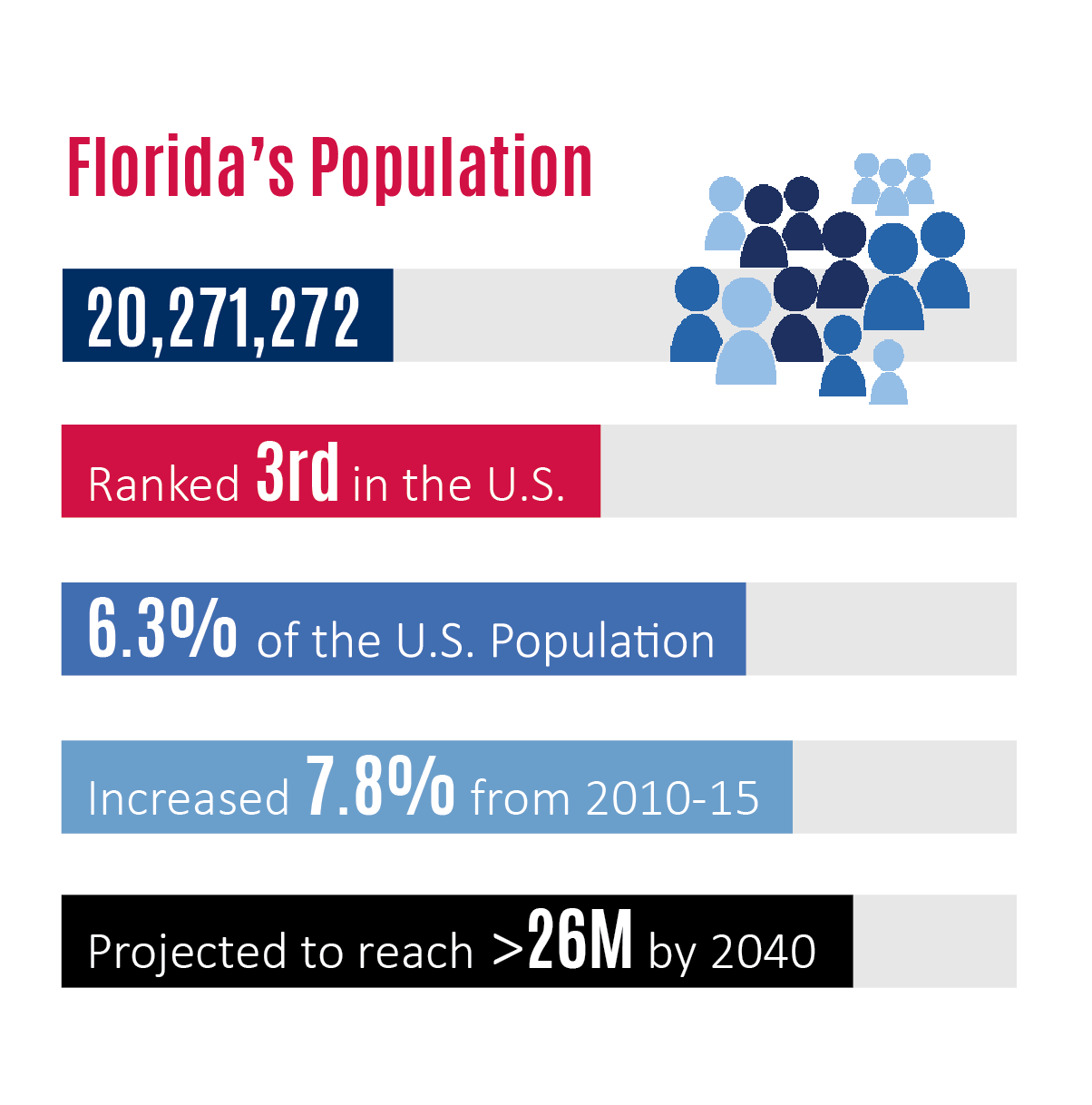
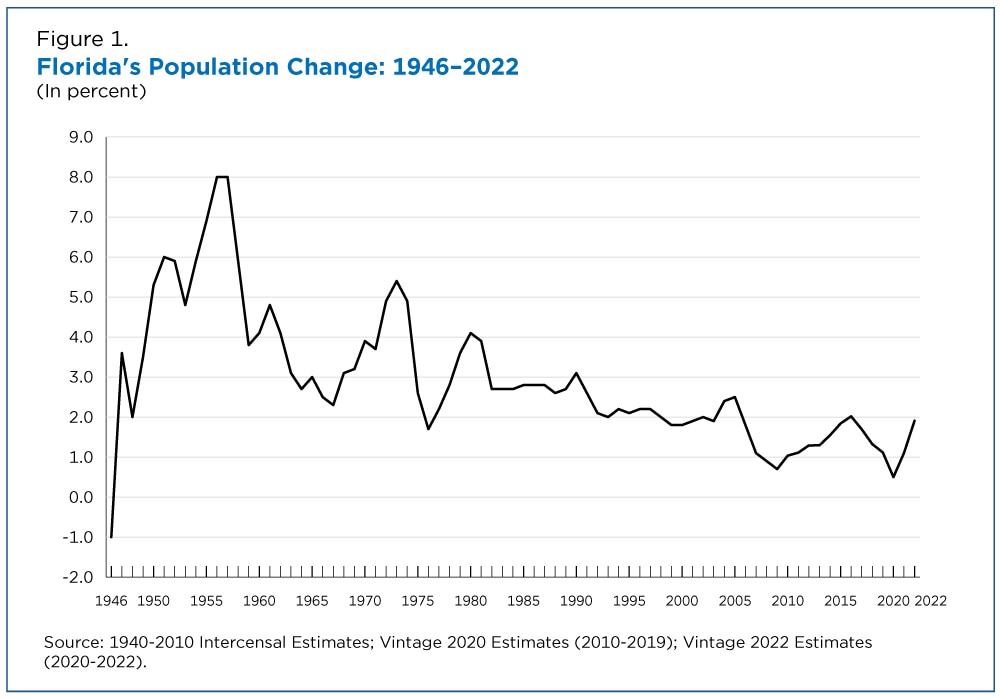
The most recent estimates place Florida’s population well over 22 million, making it the third most populous state in the United States, behind California and Texas. This figure represents an astonishing increase over the past several decades, a trend that shows little sign of abating. For context, in 1950, Florida’s population was barely 2.7 million. This exponential growth speaks volumes about its enduring appeal and the multifaceted opportunities it presents, particularly within the hospitality and travel industries that are central to its economy.
Florida’s Population Dynamics and Growth: A Magnet for Diverse Demographics
The growth trajectory of Florida’s population is a fascinating study in modern migration patterns. People are drawn to the state for a myriad of reasons, contributing to a rich tapestry of demographics. While the perennial appeal of its sun-drenched beaches and subtropical climate remains a primary draw, economic opportunities, the absence of a state income tax, and a burgeoning job market in sectors like technology, healthcare, and logistics also play significant roles. The sheer volume of new residents, combined with a robust birthrate, ensures a continuous expansion of its demographic footprint.
Demographic Shifts and Their Impact on Culture and Commerce
Florida’s population is remarkably diverse, a characteristic that profoundly enriches its cultural fabric and economic landscape. Retirees, often dubbed “snowbirds,” have historically flocked to the state’s southern regions, seeking warmer winters and a relaxed pace of life. This demographic has spurred the development of countless retirement communities and specialized services, influencing the demand for long-term stay Accommodation and accessible Travel experiences. Iconic cities like Naples, Sarasota, and Boca Raton owe much of their character and development to this segment of the population.
However, Florida’s allure extends far beyond retirees. Young professionals and families are increasingly drawn to vibrant urban centers like Orlando, Tampa, and Jacksonville, where job growth, educational opportunities, and a diverse range of recreational activities create a dynamic Lifestyle. The influx of these younger demographics has spurred demand for family-friendly attractions, modern housing, and a bustling nightlife, catering to a broader spectrum of tastes and preferences within the Travel market.
Furthermore, Florida’s position as a gateway to Latin America and the Caribbean has fostered a vibrant multicultural population, particularly evident in South Florida. Cities like Miami are global melting pots, with strong influences from Cuba, Haiti, Colombia, and many other nations. This diversity is reflected in the state’s incredible culinary scene, its rich music and art, and its unique cultural Landmarks such as Little Havana in Miami. These cultural layers not only enrich the daily lives of residents but also serve as powerful attractions for Tourism, offering visitors authentic experiences beyond the typical tourist traps.
The Interplay of Population and Tourism: A Symbiotic Relationship
The relationship between Florida’s population and its tourism industry is profoundly symbiotic. A large and growing population provides the essential workforce necessary to sustain the massive tourism apparatus, from hotel staff and restaurant workers to attraction operators and transportation providers. This resident base also creates a foundational local economy that supports businesses even during off-peak tourist seasons. Conversely, the booming tourism industry generates millions of jobs, attracting even more people to the state in search of employment and entrepreneurial opportunities, thus feeding the population growth cycle.
Supporting Travel and Accommodation Needs Across the State
The sheer volume of both residents and visitors has necessitated an unparalleled development of Travel and Accommodation infrastructure throughout Florida. Major international airports like Orlando International Airport (MCO), Miami International Airport (MIA), and Fort Lauderdale-Hollywood International Airport (FLL) are among the busiest in the United States, handling tens of millions of passengers annually. These gateways are crucial not only for tourists but also for residents traveling for business or leisure, highlighting the dual demand placed on the state’s transportation network.
The Accommodation sector is perhaps the most visible beneficiary of Florida’s population and tourism boom. From luxurious Resorts along the Gold Coast and intimate Boutique Hotels in Key West to vast chains of Hotels surrounding Walt Disney World Resort and private Villas available for long-term stays, the options are seemingly endless. Major hotel brands like Marriott International, Hilton Worldwide, and Hyatt Hotels Corporation have a massive presence, continuously expanding to meet the diverse needs of travelers and temporary residents. The growth in population also drives the rental market for Apartments and vacation homes, serving both those relocating and those seeking more extensive stays. This diversity in offerings supports every type of Lifestyle, from Budget Travel to Luxury Travel.
Florida’s Diverse Lifestyle and Landmark Appeal: Shaped by its People
The distinctive Lifestyle and array of Landmarks in Florida are inextricably linked to the characteristics of its population. The preferences, histories, and cultural contributions of residents have sculpted the state into a mosaic of unique experiences, extending far beyond its natural beauty. Whether it’s the vibrant art scene of Wynwood Walls in Miami, the historic charm of St. Augustine, or the technological marvels of the Kennedy Space Center Visitor Complex on the Space Coast, each destination tells a story influenced by the people who live and work there.
Popular Destinations and Their Demographic Footprint
Different regions within Florida attract distinct demographics, leading to specialized tourism offerings and unique local vibes.
-
Orlando and Central Florida: Known as the “Theme Park Capital of the World,” Orlando is a magnet for families and young couples, driven by attractions like Walt Disney World Resort, Universal Orlando Resort, and SeaWorld Orlando. The local population largely comprises those employed in the hospitality and service industries, alongside a growing tech sector. This demographic profile necessitates extensive Family Trip Accommodation and attractions designed for mass appeal.
-
Miami and South Florida: This region draws a younger, often more affluent and internationally diverse crowd, interested in upscale Lifestyle experiences, vibrant nightlife, and cultural immersion. The strong Latin American influence creates a distinct flavor, from the art deco architecture of Miami Beach to the salsa rhythms of Calle Ocho. Luxury Hotels and Boutique Hotels thrive here, catering to a sophisticated clientele.
-
Tampa Bay Area: A rapidly growing metropolitan hub, Tampa appeals to both young professionals and families. Its population supports a blend of business Travel and leisure Tourism, with attractions like Busch Gardens Tampa Bay and the historic Ybor City. The city offers a mix of urban Hotels and waterfront Resorts.
-
Florida Keys: This unique chain of islands, culminating in Key West, attracts those seeking a bohemian, laid-back Lifestyle and unparalleled natural beauty. The smaller, close-knit communities here foster a distinct local culture, appealing to visitors looking for authentic experiences and charming guesthouses rather than large-scale Hotels.
Each of these areas demonstrates how population density, demographic composition, and local Lifestyle preferences directly impact the types of Landmarks, attractions, and Accommodation that flourish, creating a rich and varied tourism landscape across the state.
Challenges and Future Outlook: Balancing Growth with Sustainability
While Florida’s population growth is a testament to its desirability, it also presents significant challenges. Rapid expansion strains existing infrastructure, leading to concerns about traffic congestion, water resources, and the preservation of natural environments like the Everglades National Park and the delicate ecosystems of its barrier islands. Housing affordability has become a pressing issue in many urban centers, affecting both residents and the workforce crucial for the tourism industry.
In response, there’s a growing emphasis on sustainable Tourism and responsible development. Initiatives focus on eco-friendly Hotels, preserving natural Landmarks, and promoting cultural heritage tourism that benefits local communities. The state is investing in smart growth strategies, aiming to balance economic prosperity with environmental protection and quality of life for its residents.
Looking ahead, Florida’s population is projected to continue its upward trajectory, potentially surpassing 25 million by 2030. This sustained growth will undoubtedly fuel further innovation in the Travel and Accommodation sectors, with an increasing demand for diverse experiences, personalized services, and technologically advanced solutions for booking and managing stays. The integration of technology in Hotels, the rise of experiential Tourism, and the continued evolution of Lifestyle-oriented travel will shape the future of the Sunshine State.

In conclusion, the population of Florida is far more than a statistic; it is the very heartbeat of the state, a driving force behind its dynamic economy, its rich cultural tapestry, and its unparalleled global appeal as a destination for Travel and Tourism. From the retirees seeking sun-drenched winters to the young families drawn by the magic of theme parks, and the diverse communities shaping its vibrant urban centers, every resident contributes to the unique allure of Florida. Understanding this complex interplay is key to appreciating why the Sunshine State remains a perennial favorite for visitors and a coveted home for millions. Its continuous evolution, driven by its ever-growing population, ensures that Florida will remain a fascinating and vibrant destination for generations to come, continually offering new reasons to explore its many wonders.
LifeOutOfTheBox is a participant in the Amazon Services LLC Associates Program, an affiliate advertising program designed to provide a means for sites to earn advertising fees by advertising and linking to Amazon.com. Amazon, the Amazon logo, AmazonSupply, and the AmazonSupply logo are trademarks of Amazon.com, Inc. or its affiliates. As an Amazon Associate we earn affiliate commissions from qualifying purchases.