
Boston, the vibrant capital of Massachusetts and one of the oldest cities in the United States, is more than just a collection of historical landmarks and bustling neighborhoods; it’s a dynamic hub whose character is intrinsically linked to its population. Understanding “What is the population of Boston?” goes beyond a simple number. It’s about delving into the demographics that shape its culture, drive its economy, influence its travel and tourism industry, and define the lifestyle of its residents and visitors alike. From its storied past as a colonial port to its present as a global center for education, technology, and healthcare, Boston’s population has always been a key indicator of its vitality and evolution.
The city’s population is a fluid entity, constantly evolving due to birth rates, migration patterns, and the ebb and flow of students and professionals attracted by its numerous opportunities. This ever-changing demographic landscape not only impacts daily life for Bostonians but also profoundly affects every aspect of the travel, hospitality, and accommodation sectors. Whether you’re planning a visit, considering a move, or simply curious about this iconic American city, a deeper understanding of its population offers invaluable insights into what makes Boston truly unique.
Boston’s Demographics: A City of Rich History and Modern Vibrancy
Boston’s population statistics are a fascinating reflection of its long and influential history, coupled with its modern role as a magnet for innovation and talent. When discussing the population, it’s crucial to distinguish between the city proper and the broader metropolitan area, as both figures provide different, yet equally important, perspectives on the region’s scale and reach.
Understanding Boston’s Core Population
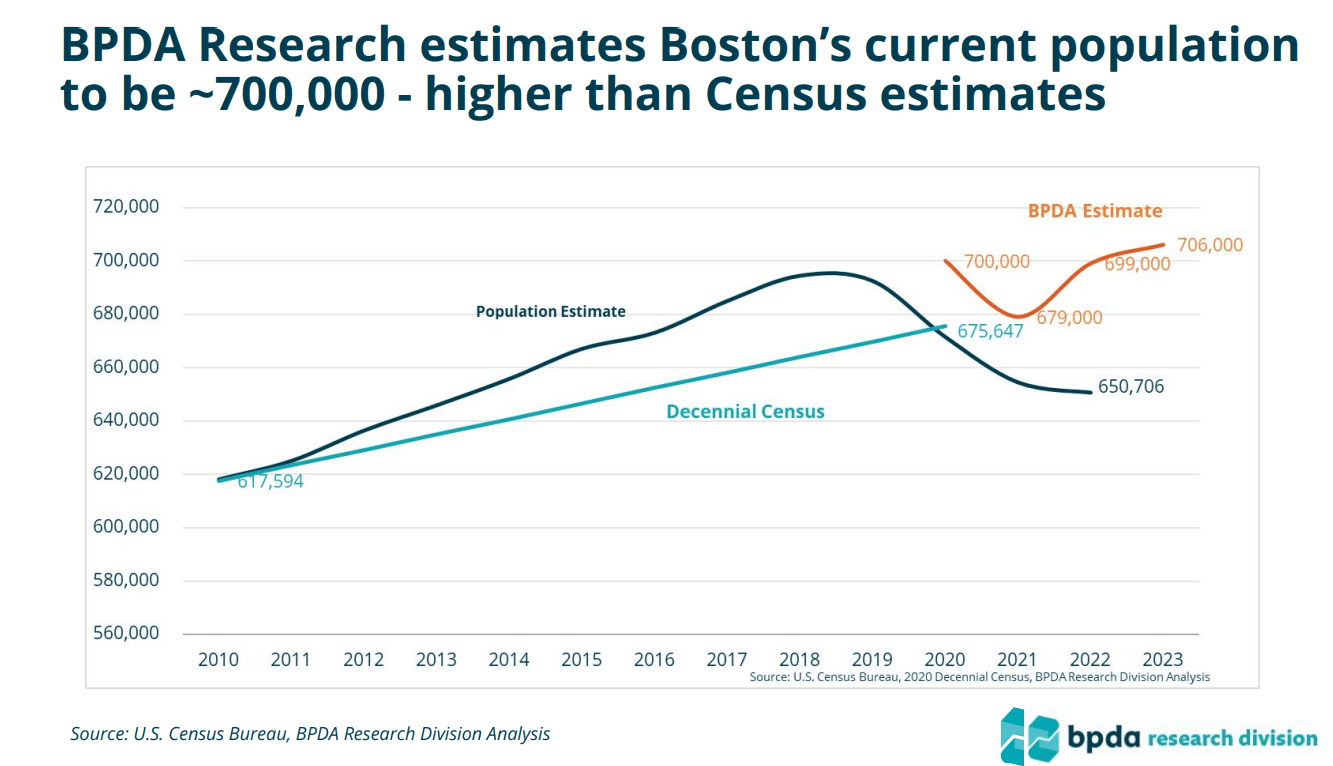
As of recent estimates, the population of the city of Boston hovers around 675,000 residents. This figure positions it as the most populous city in New England and one of the larger cities on the East Coast. However, this number alone doesn’t tell the whole story. Boston’s population is characterized by a remarkable diversity that has been shaped by centuries of immigration and cultural exchange. Historically, waves of Irish, Italian, Portuguese, and various other European immigrants laid the foundation for its multicultural fabric. In more recent decades, an influx of residents from Asia, Latin America, and other parts of the world has further enriched this tapestry, contributing to a vibrant mix of languages, traditions, and cuisines.
One of the most defining characteristics of Boston’s demographic profile is its extraordinarily high concentration of students. Home to world-renowned institutions such as Harvard University, the Massachusetts Institute of Technology (MIT), Boston University, Northeastern University, and dozens of other colleges and universities, the city sees a significant portion of its population consisting of young adults pursuing higher education. This student presence injects a youthful energy into the city, drives demand for specific types of accommodation, supports a dynamic nightlife, and fosters an intellectual atmosphere that permeates many aspects of Bostonian life. Many of these students choose to remain in Boston after graduation, contributing to its professional workforce and further solidifying its reputation as a hub for innovation and research.
The Metropolitan Area: A Broader Perspective
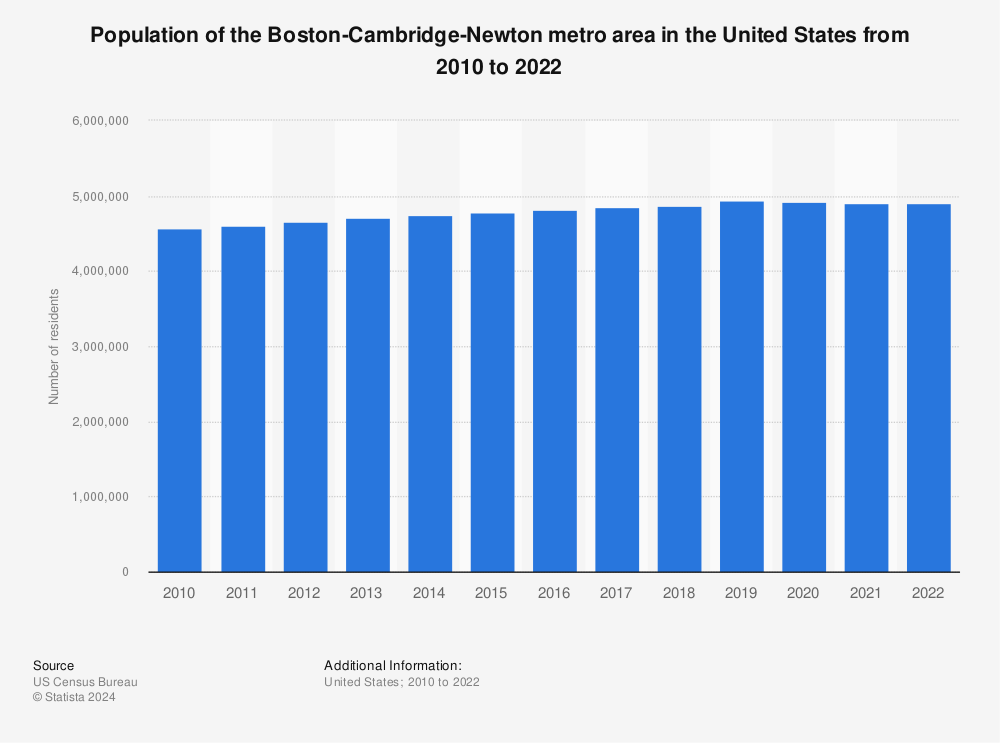
While the city proper is a dense and bustling urban center, the Greater Boston Metropolitan Area presents a much larger demographic picture, with a population estimated to be around 4.8 million people. This expansive region includes numerous surrounding cities and towns such as Cambridge, Somerville, Quincy, Newton, and Brookline, all of which are deeply interconnected with the core city. This broader metropolitan perspective is crucial for understanding the full economic and cultural reach of Boston.
Residents of the metropolitan area often commute into Boston for work, education, healthcare (with institutions like Massachusetts General Hospital serving the entire region), and entertainment. This daily influx of commuters significantly increases the daytime population of the city, placing demands on its public transportation system, the MBTA (affectionately known as “the T”), and supporting a vast array of businesses within the city limits. The sprawling nature of the metro area also means that Boston’s influence on lifestyle, housing markets, and local culture extends far beyond its official boundaries, creating a cohesive, yet diverse, regional identity. This larger population base provides a robust market for tourism, encouraging the development of attractions, dining experiences, and accommodation options that cater to both local residents seeking leisure and international travelers exploring New England.

Population Dynamics and Urban Development: Shaping Boston’s Landscape
The dynamic nature of Boston’s population has a profound and continuous impact on its urban development, infrastructure, and overall lifestyle offerings. Growth, shifts in demographics, and economic forces constantly reshape the city, influencing everything from the housing market to the types of travel experiences available.
Economic Drivers and Lifestyle Trends
Boston’s economy is exceptionally strong and diverse, largely driven by its highly educated population and concentration of innovative industries. Key sectors include biotechnology, healthcare, finance, education, and technology. These industries not only attract a skilled workforce but also create high-paying jobs, which in turn affect the cost of living and the demand for both luxury and affordable housing. The presence of numerous research institutions and tech companies means that a significant portion of Boston’s resident population consists of highly skilled professionals and academics, contributing to a sophisticated and intellectually curious urban lifestyle. This blend of historic charm and cutting-edge innovation makes Boston appealing to a wide array of individuals, from young professionals to established families.
The lifestyle in Boston is a fascinating blend of traditional New England sensibilities and modern urban dynamism. While the city’s population density necessitates efficient public transport and smaller living spaces compared to some other U.S. cities, it also fosters a strong sense of community and walkable neighborhoods. This encourages a lifestyle that values outdoor activities (especially along the Charles River Esplanade), cultural immersion, and a rich culinary scene. For visitors, understanding these lifestyle trends is key to experiencing Boston authentically, whether through budget-friendly student haunts or high-end dining experiences in districts like the Seaport District. The population’s preferences and spending power dictate the evolution of retail, entertainment, and leisure opportunities throughout the city.
Infrastructure and Accommodation Challenges
The dense population, particularly within the city proper, presents unique challenges and opportunities for urban planning and infrastructure. The MBTA, one of the oldest subway systems in the nation, serves as the backbone of public transportation, critical for moving hundreds of thousands of residents and commuters daily. Ongoing investments in its modernization are crucial to keeping pace with population growth and ensuring efficient travel for both residents and tourists. Beyond transport, population density impacts everything from parks and green spaces to the availability of essential services.
The accommodation sector is particularly responsive to population dynamics. A growing population, coupled with a booming tourism industry, drives significant demand for hotels, apartments, and long-term stay options. Boston boasts a wide array of hotels catering to every budget and travel style, reflecting the diverse needs of its residents and visitors. For those seeking luxury travel experiences, establishments like the Four Seasons Hotel Boston or The Ritz-Carlton, Boston offer opulent suites and world-class amenities in prime locations. Boutique hotels, such as The Lenox Hotel in Back Bay, provide a more personalized and charming experience. For budget-conscious travelers or students, options like the HI Boston Hostel offer affordable, communal accommodation.
The rise of the “digital nomad” and the increasing popularity of long-term stays have also influenced the housing and accommodation market, leading to a proliferation of serviced apartments and extended-stay hotels. Booking in Boston, especially during peak seasons like autumn foliage or major conventions, requires foresight due to high demand driven by its resident population and strong visitor numbers. Understanding population trends helps hoteliers and property managers anticipate demand, optimize pricing, and tailor their offerings to diverse clientele, from business travelers needing sophisticated suites to families on a historical tour seeking comfortable apartments.
The Interplay of Population and Tourism: Boston as a Global Destination
Boston’s population plays a pivotal role in shaping its identity as a global tourism destination. The city’s residents, their history, culture, and daily lives are intrinsically linked to the experiences offered to millions of visitors each year. The dynamic relationship between the local population and the tourism industry creates a unique visitor experience, influencing everything from the local food scene to the preservation of famous landmarks.
Visitor Demographics and Their Influence
The resident population of Boston, with its rich tapestry of history, education, and innovation, naturally attracts a diverse array of visitors. History enthusiasts flock to Boston to walk the Freedom Trail, explore the Boston Common, and visit iconic sites like Faneuil Hall Marketplace, immersing themselves in the city’s pivotal role in American independence. Educational travelers are drawn to its prestigious universities and world-class museums such as the Museum of Fine Arts and the Isabella Stewart Gardner Museum. Business travelers frequently visit due to the city’s strong economic sectors, leading to a demand for high-end business hotels and efficient transport links. Families often choose Boston for its blend of historical education and modern entertainment, including popular attractions like the New England Aquarium or sporting events at Fenway Park, home to the beloved Boston Red Sox.
The sheer number of people living in and around Boston, coupled with the seasonal influx of students and tourists, necessitates robust tourism infrastructure. Local culture is profoundly influenced by its residents; the distinct accents, community events, and neighborhood traditions are what make Boston authentic. For instance, the historically Italian North End remains a culinary hotspot, a testament to the enduring influence of its immigrant population on the city’s food scene. This vibrant local flavor is a major draw for tourism, offering experiences that go beyond typical sightseeing.
Tailoring Experiences for Diverse Visitors
The diverse resident population of Boston translates into a diverse offering for tourists, making it possible to tailor experiences to suit virtually any interest or budget. Travel guides for Boston often highlight the best ways to explore its distinct neighborhoods, each with its own character shaped by its inhabitants. From the charming cobblestone streets of Beacon Hill to the artistic vibe of South End and the modern allure of the Seaport District, these areas reflect the varied lifestyles and demographics of the city.
For those interested in food and drink, the population’s culinary preferences have cultivated an incredible dining landscape. Beyond the North End’s Italian delights, Boston boasts everything from classic New England seafood shacks to innovative fine dining establishments, reflecting a global palate. Local activities, whether it’s catching a game, attending a concert, or exploring the city’s numerous festivals, are often supported and driven by the energy of the local population. Tourism tips frequently advise visitors to engage with locals, explore off-the-beaten-path gems, and truly immerse themselves in the city’s rhythm – a rhythm set by its people.
Accommodation choices also reflect the diverse visitor profiles. Families might seek apartment-style hotels to accommodate larger groups and provide kitchen facilities, while solo travelers or business visitors might opt for centrally located hotels with executive amenities. The booming popularity of comparison websites and booking platforms allows visitors to easily find accommodation that aligns with their budget, preferred location, and desired amenities, all while considering the density and distribution of Boston’s population centers. Whether it’s a luxury stay or a budget-friendly hostel, the city’s extensive offering is a direct response to the multifaceted demands of both its residents and its millions of annual guests.
In conclusion, the question “What is the population of Boston?” unveils a complex, rich, and ever-evolving narrative. It’s a story of historical growth, economic dynamism, educational excellence, and cultural vibrancy, all interwoven to create a city that is as appealing to residents as it is captivating to tourists. From the precise count of its city proper to the expansive reach of its metropolitan area, Boston’s population dictates its urban development, shapes its unique lifestyle, and fundamentally defines its status as a world-class destination for travel, accommodation, and unforgettable experiences. Understanding these demographics is key to truly appreciating the past, present, and future of this iconic American city.
LifeOutOfTheBox is a participant in the Amazon Services LLC Associates Program, an affiliate advertising program designed to provide a means for sites to earn advertising fees by advertising and linking to Amazon.com. Amazon, the Amazon logo, AmazonSupply, and the AmazonSupply logo are trademarks of Amazon.com, Inc. or its affiliates. As an Amazon Associate we earn affiliate commissions from qualifying purchases.