
Denver, Colorado, a city nestled at the base of the majestic Rocky Mountains, has long captivated the imagination of travelers, outdoor enthusiasts, and those seeking a vibrant urban lifestyle. While its stunning natural backdrop and thriving cultural scene are often the first things that come to mind, understanding the city’s population dynamics offers a deeper insight into what makes Denver such a compelling destination for tourism, accommodation, and diverse experiences. The sheer number of people calling Denver home, coupled with its consistent growth, directly shapes its identity, the richness of its attractions, and the evolving landscape of its hospitality industry.
As of the most recent estimates, the City and County of Denver boasts a population well over 710,000 residents, making it the most populous city in Colorado and a significant metropolitan hub in the western United States. However, to truly grasp the city’s demographic influence, one must consider the larger metropolitan area, which encompasses a much broader region and pushes the population figure past 2.9 million. This distinction is crucial, as the metropolitan area’s size reflects the extensive reach of Denver’s economic, cultural, and social gravitational pull, impacting everything from regional travel patterns to the demand for diverse accommodation options across various suburbs and neighboring towns. This ever-expanding population is not just a statistic; it’s a living, breathing force that continually reshapes Denver’s appeal, fuels its dynamic tourism sector, and influences the lifestyle choices available to both residents and visitors alike.

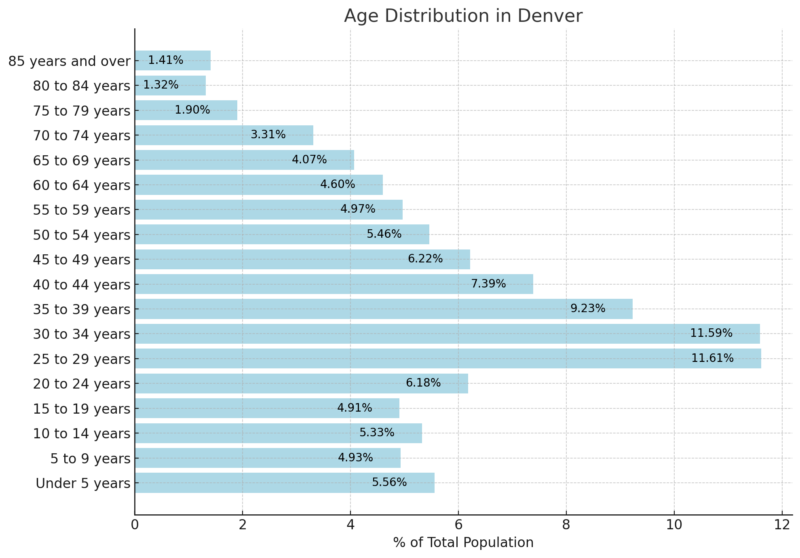
Denver’s Dynamic Demographics: A Snapshot
The narrative of Denver’s population is one of rapid and sustained growth, a testament to its enduring appeal. Over the past few decades, the city has transformed from a regional capital into a nationally recognized magnet for new residents, drawing individuals and families from across the globe. This demographic expansion is a cornerstone of Denver’s vibrancy, directly contributing to its burgeoning travel economy, diverse culinary scene, and a continuously evolving array of attractions and activities designed to cater to a broad spectrum of tastes and preferences.
Unpacking the Numbers: Current Population and Growth Trends
Delving deeper into the numbers reveals a fascinating story of urban development. While the exact figures fluctuate with each census and subsequent estimate, the trend is unequivocally upward. Denver’s population growth has consistently outpaced national averages, particularly since the turn of the millennium. This surge can be attributed to several factors, including a robust job market, particularly in tech, aerospace, and healthcare sectors, coupled with the city’s high quality of life, access to outdoor recreation, and a generally progressive atmosphere. The influx of new residents translates directly into a greater demand for services, infrastructure, and leisure opportunities, which in turn enhances the visitor experience. A larger population supports more specialized restaurants, a wider variety of entertainment venues, and a more competitive and innovative hospitality industry.
This growth isn’t just about raw numbers; it’s about the dynamism it injects into the urban fabric. It means new neighborhoods are developing, existing ones are being revitalized, and the city’s cultural footprint is expanding. For travelers, this signifies a continually fresh and exciting destination, where new experiences are always emerging, from cutting-edge art installations in the RiNo Art District to innovative culinary concepts popping up across the city. The sustained growth also puts pressure on accommodation, spurring the development of new hotels, resorts, and short-term rental options, ensuring a diverse array of choices for every budget and style of travel, whether it’s a luxury stay in a downtown suite or a budget-friendly apartment for an extended visit.
The Fabric of Denver: Diversity and Community
Beyond the quantitative aspects, the qualitative impact of Denver’s population diversity is equally compelling. The city has become a melting pot of cultures, backgrounds, and perspectives, enriching its social tapestry and contributing significantly to its appeal as a global travel destination. This diversity is reflected in the city’s neighborhoods, its festivals, and most notably, its food scene. From historic Hispanic communities to growing Asian and African immigrant populations, Denver’s residents bring a wealth of traditions, languages, and culinary practices that are enthusiastically shared and celebrated.
For the intrepid traveler, this cultural mosaic translates into authentic experiences that go far beyond typical tourist traps. Imagine exploring vibrant marketplaces offering international goods, attending cultural festivals that celebrate heritage from around the world, or indulging in an array of global cuisines that rival those found in much larger coastal cities. This rich blend of communities fosters a welcoming and inclusive atmosphere, making visitors feel more connected to the local culture. It encourages exploration of lesser-known districts, revealing hidden gems and unique local businesses that thrive on the patronage of a diverse and appreciative population. This aspect of Denver’s demography makes it not just a place to see famous landmarks but a place to genuinely engage with a vibrant, evolving community, offering a truly immersive travel experience.
The Population’s Influence on Denver’s Travel and Tourism Scene
The increasing population of Denver is not merely a passive backdrop; it’s an active ingredient in the city’s flourishing travel and tourism sector. A larger resident base provides a critical mass for supporting a wider variety of attractions, cultural institutions, and recreational opportunities, many of which also cater directly to visitors. This symbiotic relationship ensures that as the city grows, so too does its capacity to offer unparalleled experiences for every type of traveler.
A Rich Tapestry of Attractions and Experiences
A thriving population underpins the sustained investment in and maintenance of world-class attractions. Denver’s residents are the regular patrons of its museums, theaters, and parks, providing the economic stability for these institutions to grow and innovate. This is evident in places like the Denver Art Museum, with its iconic architecture and expansive collections, or the Denver Botanic Gardens, a serene oasis in the heart of the city. The continuous flow of residents also drives the demand for unique, experiential attractions, such as the immersive art landscapes of Meow Wolf Denver Convergence Station, which cater to a sophisticated and adventure-seeking demographic.
Beyond these cultural bastions, the population fuels the popularity of natural landmarks and recreational hotspots. The proximity to the Rocky Mountains offers unparalleled opportunities for hiking, skiing, and scenic drives, activities that both locals and tourists passionately pursue. Iconic venues like Red Rocks Park and Amphitheatre, known globally for its stunning natural acoustics and breathtaking scenery, thrive on the steady stream of residents attending concerts and events, ensuring its status as a must-visit landmark for travelers. For those interested in history, the magnificent Colorado State Capitol building, with its distinctive gold dome, offers insights into the state’s governance, while the historic Union Station in LoDo serves as a bustling transit hub and a destination in itself for dining and boutique shopping.
Culinary Delights and Cultural Vibrancy
One of the most immediate and delicious impacts of Denver’s growing and diverse population is its incredibly dynamic food scene. From upscale dining establishments to casual food truck parks and bustling breweries, the city offers an unparalleled gastronomic journey. This culinary explosion is a direct result of a diverse population demanding a wide array of cuisines and an increasingly sophisticated palate. Visitors can explore everything from authentic Mexican and Ethiopian eateries to innovative farm-to-table restaurants and award-winning craft breweries. Neighborhoods like RiNo Art District and LoDo are particularly renowned for their eclectic mix of dining options, reflecting the modern and experimental spirit of the city.
Culturally, the population ensures a lively calendar of events and festivals throughout the year. From major music festivals to local art walks, farmers’ markets, and holiday celebrations, there’s always something happening in Denver. These events not only provide entertainment for residents but also serve as significant tourist attractions, offering glimpses into Denver’s community spirit and creative energy. The arts scene, supported by a large and appreciative audience, flourishes with numerous galleries, theaters, and live music venues, making Denver a significant cultural hub in the United States.
Accommodation and Infrastructure: Meeting Demand
The robust population growth in Denver, combined with its rising popularity as a travel destination, has exerted considerable pressure on its accommodation sector and urban infrastructure. This challenge, however, has been met with significant investment and innovation, resulting in a hospitality landscape that offers unparalleled choice and convenience for visitors.
A Booming Hotel and Short-Term Rental Market
To keep pace with the influx of residents and tourists, Denver’s hotel market has seen remarkable expansion and diversification. Downtown areas, in particular, have witnessed a surge in new developments, offering everything from luxury suites in establishments like the Four Seasons or The Ritz-Carlton to stylish boutique hotels such as the Kimpton Hotel Monaco Denver and The Crawford Hotel at Union Station. These hotels cater to business travelers seeking convenience, luxury travelers desiring top-tier amenities, and leisure tourists looking for comfort and style. The variety extends to budget-friendly options and extended-stay apartments, ensuring that every type of traveler can find suitable accommodation. Unique options like the historic Patterson Inn in Capitol Hill offer a more personalized, bed-and-breakfast experience, showcasing the diverse range available.

The short-term rental market, facilitated by platforms like Airbnb, has also flourished. This provides travelers with an alternative to traditional hotels, offering experiences ranging from private rooms in local homes to entire apartments and villas, particularly appealing to families, groups, or those seeking a more local immersion. The proliferation of these options gives visitors greater flexibility in terms of location, price point, and amenities, further enhancing Denver’s appeal as a destination for various travel lifestyles, including budget travel, family trips, and long-term stays.
Enhancing the Visitor Experience through Urban Development
The growth in population has also driven significant investment in urban infrastructure, which directly benefits tourists. Denver’s public transportation system, including light rail and bus services, has expanded, making it easier for visitors to navigate the city without a car. Projects like the revitalization of the 16th Street Mall, a pedestrian promenade with free shuttle service, improve walkability and connectivity to major attractions, shopping districts, and dining hubs.
Furthermore, the expansion of the Denver International Airport reflects the city’s increasing role as a gateway to the Rocky Mountains and the wider region. This improved connectivity facilitates easier access for international and domestic travelers, bolstering Denver’s position as a premier destination. The ongoing urban development, from new parks and public spaces to enhanced cultural facilities, ensures that Denver remains a vibrant, accessible, and enjoyable city for everyone.
Lifestyle and Liveability: Why People Flock to Denver
The continuous swell in Denver’s population is not accidental; it is a direct consequence of the exceptional quality of life and the attractive lifestyle opportunities the city offers. This allure translates seamlessly into its appeal as a travel destination, as visitors seek to experience the very qualities that draw people to call Denver home.
The Allure of Outdoor Adventures and Urban Amenities
Denver’s geographic location is undoubtedly its crown jewel. Nestled against the backdrop of the Rocky Mountains, it offers unparalleled access to outdoor adventures. Residents and visitors alike embrace a lifestyle that seamlessly blends urban living with immediate access to nature. Hiking, biking, skiing, snowboarding, and trail running are not just hobbies but integral parts of the Denver experience. The city’s extensive park system, including City Park and Washington Park, provides green oases for recreation, while the numerous nearby national forests and wilderness areas offer more rugged escapades. This robust outdoor culture contributes to the city’s reputation for health and wellness, a key aspect of its lifestyle appeal.
Complementing its natural splendor, Denver also boasts a sophisticated array of urban amenities. The city’s thriving arts and culture scene includes numerous galleries, performing arts venues, and live music halls. Shopping districts like Cherry Creek Shopping Center and the historic charm of Larimer Square offer diverse retail experiences, from high-end boutiques to unique local shops. Sports enthusiasts find ample to cheer about, with professional teams across major leagues, including the Denver Broncos (NFL), Colorado Rockies (MLB) at Coors Field, and the Denver Nuggets (NBA) and Colorado Avalanche (NHL) at Ball Arena. This combination of rugged natural beauty and refined urban offerings creates a balanced and appealing lifestyle that draws both permanent residents and temporary visitors seeking to immerse themselves in Denver’s unique blend of adventure and culture.
Denver’s Future: Sustainable Growth and Enduring Appeal
As Denver continues to evolve, its population trajectory remains a central theme. Future projections anticipate continued, albeit potentially more moderated, growth. This ongoing expansion necessitates a proactive approach to urban planning, sustainable development, and the thoughtful management of its natural resources. The city is committed to maintaining its high quality of life while accommodating new residents and ensuring a superior experience for tourists. Initiatives focused on expanding green infrastructure, improving public transit, and fostering inclusive community development underscore Denver’s dedication to sustainable growth.
For the travel and hospitality industry, this means a continuous adaptation and innovation. New hotels, diverse accommodation options, and enhanced tourism experiences will continue to emerge, all while preserving the unique character and natural beauty that make Denver so special. The enduring appeal of Denver lies not just in its current population numbers, but in the vibrant, forward-thinking community that shapes its future, promising a constantly evolving and enriching experience for every visitor. Whether you’re drawn by the majestic Rocky Mountains, the dynamic urban culture, or the burgeoning culinary scene, Denver’s population is the beating heart that drives its irresistible charm and ensures its place as a top-tier destination.