
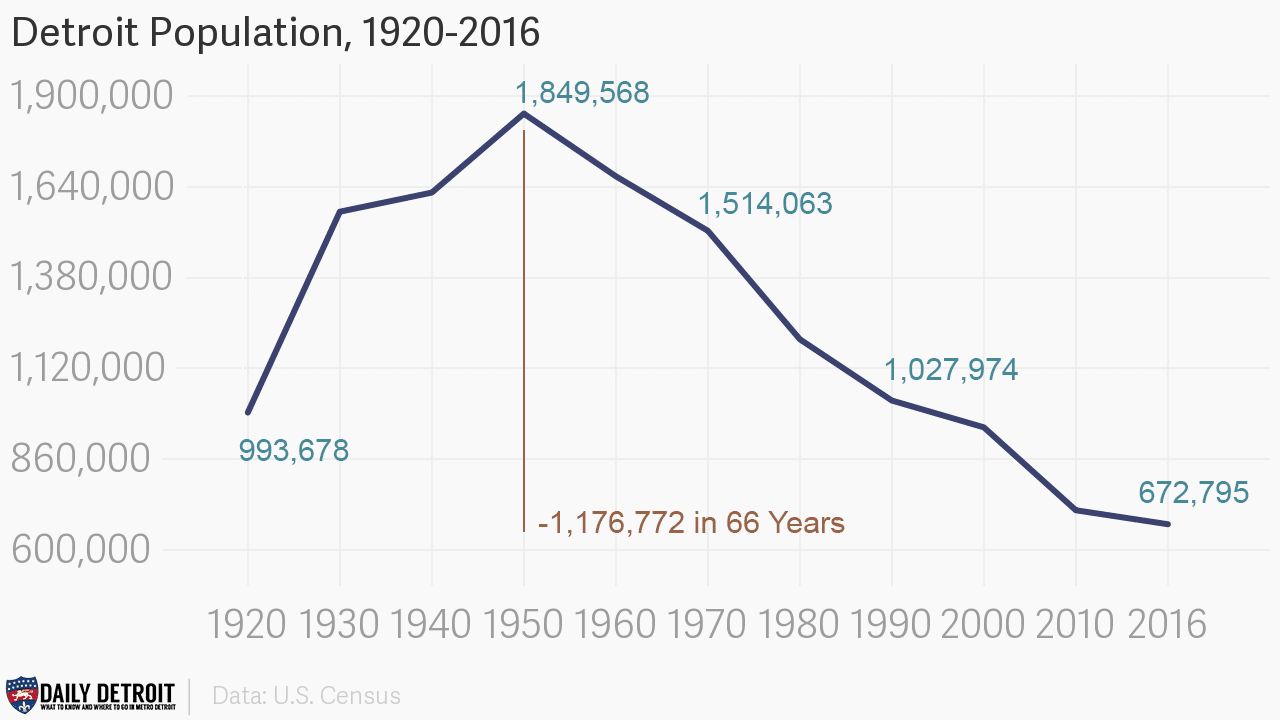
Detroit, often referred to as the “Motor City,” holds a unique place in the tapestry of American history and culture. Its population figures tell a compelling story of dramatic shifts, resilience, and an ongoing renaissance. As of recent estimates, the population of Detroit hovers around 630,000 residents. This number, while significantly lower than its mid-20th-century peak, represents a stabilization and even a modest rebound from decades of decline, signaling a vibrant rebirth that has profound implications for travel, tourism, and lifestyle within the city.
Understanding Detroit’s population isn’t just about a static number; it’s about appreciating the dynamic forces that have shaped this iconic city. From its industrial boom driven by the automotive industry to its well-documented struggles and subsequent revitalization, the ebb and flow of its residents have mirrored broader socioeconomic trends across the United States. Today, this evolving demographic profile contributes to a diverse and energetic atmosphere, making Detroit an increasingly attractive destination for travelers seeking authentic experiences, rich history, and modern amenities. The city’s current population is a testament to its enduring spirit, fostering a unique blend of historical reverence and forward-thinking innovation that defines its contemporary appeal.
Detroit’s Resurgence: A City Reimagined
The narrative of Detroit’s population is intrinsically linked to its economic cycles. Once the fourth-largest city in the United States with a population exceeding 1.8 million in the 1950s, its fortunes were tied directly to the booming automotive industry. The subsequent decline, driven by factors like deindustrialization, suburbanization, and social unrest, led to a dramatic exodus of residents. However, the 21st century has ushered in a remarkable period of revitalization. Strategic investments, grassroots efforts, and a renewed sense of civic pride have begun to reverse the trend, drawing new residents, businesses, and visitors to the city. This demographic stabilization and gradual growth are crucial indicators of Detroit’s newfound vitality, transforming it from a symbol of urban decay into a beacon of urban renewal. This resurgence is not merely economic; it’s a cultural phenomenon that has re-energized every facet of the city, from its arts scene to its culinary landscape.
The Heartbeat of the Motor City: Demographic Shifts and Cultural Revival
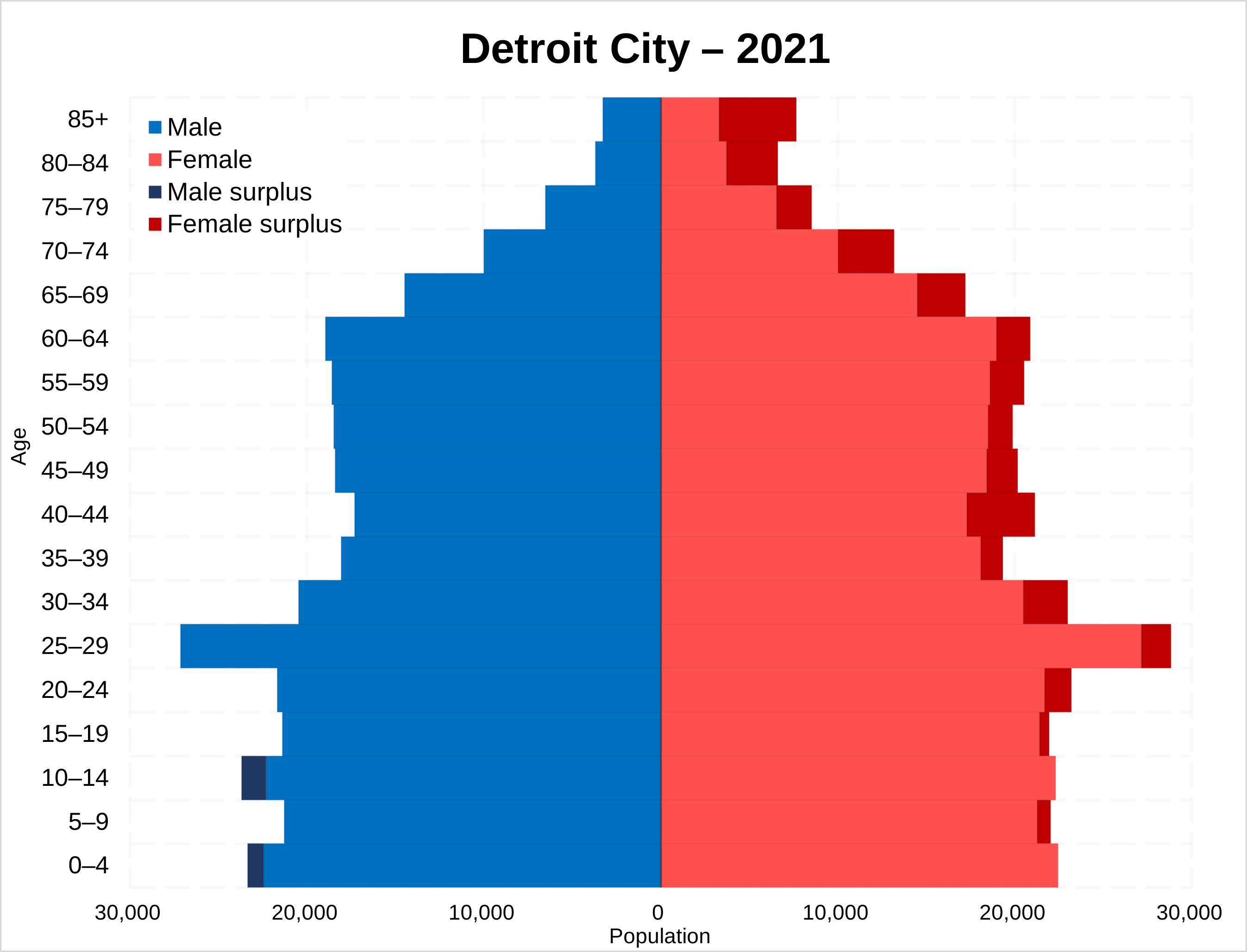
The current population of Detroit is a vibrant mosaic, reflecting both its historical roots and its contemporary appeal. While still predominantly African American, the city has seen an increase in its young professional and artist populations, drawn by affordable living, burgeoning opportunities, and a palpable sense of community. This influx contributes to a diverse cultural landscape, where innovation meets tradition. The city’s neighborhoods, once desolate, are now experiencing a renaissance, becoming hubs for local businesses, community gardens, and artistic endeavors.
This demographic shift is fueling a remarkable cultural revival. Detroit’s legendary music scene, particularly Motown, has always been a cornerstone of its identity, and new genres continue to emerge from its fertile ground. The Detroit Institute of Arts (DIA) stands as a monumental cultural landmark, housing one of the largest and most significant art collections in the United States. Its famous “Detroit Industry Murals” by Diego Rivera beautifully encapsulate the city’s industrial past. Beyond institutional art, street art and independent galleries are flourishing, reflecting the raw creativity of its residents. The culinary scene has exploded with diverse offerings, from classic Coney Island hot dogs and Detroit-style pizza to upscale farm-to-table restaurants, showcasing the city’s multicultural palate and entrepreneurial spirit. Events like the Movement Electronic Music Festival and the North American International Auto Show attract global audiences, highlighting Detroit’s capacity to innovate and entertain.
From Industrial Hub to Tourist Hotspot
The transformation of Detroit from a purely industrial powerhouse to a burgeoning tourist hotspot is directly influenced by its evolving population and economic diversification. The city is no longer solely reliant on manufacturing; it has embraced technology, healthcare, and increasingly, tourism. This shift has led to significant investment in infrastructure, hospitality, and public spaces, making the city more accessible and appealing to visitors. The population, now more engaged in service industries and creative economies, actively contributes to a welcoming and dynamic visitor experience.
New businesses, particularly in the Downtown Detroit and Midtown areas, are thriving, ranging from boutique shops to innovative tech startups. This entrepreneurial energy is palpable and contributes to a vibrant street life that captivates tourists. The revitalized Detroit Riverwalk offers stunning views of the Detroit River and Windsor, Canada, providing recreational opportunities and a popular gathering space. Green spaces like Campus Martius Park become social centers, hosting events, concerts, and ice skating in winter, demonstrating the city’s commitment to creating engaging public realms. These developments, driven by a renewed sense of purpose among its residents, have collectively rebranded Detroit as a compelling destination for urban exploration, cultural immersion, and historical reflection.
Exploring Detroit: Landmarks, Attractions, and Experiences
For travelers, Detroit offers an incredible array of experiences that cater to diverse interests. Its rich history, from its pivotal role in the automotive industry to its musical heritage, is preserved and celebrated in iconic landmarks and museums. The city’s architectural grandeur, much of it from its prosperous early 20th century, stands testament to its past ambition, while modern developments showcase its future-forward vision. Exploring Detroit is a journey through American ingenuity, resilience, and cultural impact. The evolving population brings fresh perspectives and energy to these sites, ensuring a dynamic atmosphere for visitors.
Iconic Landmarks and Historical Treasures
No visit to Detroit is complete without delving into its celebrated landmarks. The Motown Museum, housed in “Hitsville U.S.A.,” is a pilgrimage site for music lovers, offering an intimate look into the legendary record label that produced global superstars like The Supremes and Stevie Wonder. It’s a powerful reminder of Detroit’s profound influence on popular culture. Just outside the city, in Dearborn, The Henry Ford Museum of American Innovation and Greenfield Village are unparalleled destinations. This expansive complex celebrates American ingenuity, housing everything from the limousine that carried President John F. Kennedy to the Rosa Parks bus and historic workshops, offering a comprehensive look at the nation’s past.
Architectural enthusiasts will marvel at structures like the Guardian Building and the Fisher Building, both stunning examples of Art Deco design. The GM Renaissance Center, an iconic cluster of seven skyscrapers on the Detroit Riverfront, serves as a modern landmark and houses the Detroit Marriott at the Renaissance Center. For those seeking natural beauty and recreation, Belle Isle Park, a 982-acre island park designed by Frederick Law Olmsted, offers stunning city views, a conservatory, an aquarium, and various sports facilities. These sites collectively narrate Detroit’s journey and provide invaluable insights into its character.
Vibrant Neighborhoods and Culinary Delights
Detroit’s charm extends beyond its main attractions into its distinct and vibrant neighborhoods, each offering a unique flavor. Corktown, the city’s oldest neighborhood, is a blend of historic Victorian homes and trendy new restaurants and bars, epitomizing Detroit’s rebirth. Its Irish heritage is still evident, but it’s now a hub for innovation, including the future home of Ford Motor Company’s mobility campus. Mexicantown offers an explosion of authentic Mexican cuisine, vibrant murals, and cultural events, providing a rich sensory experience.
Midtown is the cultural heart, home to the DIA, the Detroit Historical Museum, and Wayne State University. It boasts a sophisticated dining scene, charming boutiques, and bustling cafes. For food lovers, Eastern Market is a must-visit. One of the oldest and largest historic public markets in the United States, it’s a sensory overload of fresh produce, artisanal goods, and local eateries, especially vibrant on Saturdays. Greektown offers a lively nightlife, complete with casinos like MGM Grand Detroit and MotorCity Casino Hotel, authentic Greek restaurants, and entertainment venues. These neighborhoods are where the city’s diverse population truly comes alive, offering a taste of local life and endless opportunities for exploration.
Accommodation and Lifestyle in Detroit
For any traveler, finding the right accommodation is key to a memorable trip, and Detroit offers a spectrum of choices reflecting its dynamic development. From luxury hotels that provide opulent experiences to boutique stays infused with local character, and practical options for budget-conscious explorers, the city caters to every preference. The lifestyle in Detroit also varies dramatically, from upscale urban living to creative, community-focused enclaves, providing a rich backdrop for any visit. Understanding these facets helps travelers tailor their experience, whether they are on a family vacation, a business trip, or a solo adventure.
Where to Stay: Hotels, Resorts, and Unique Accommodations
Detroit’s hospitality sector has seen significant investment, resulting in a robust and diverse selection of accommodations. For luxury travelers, the Shinola Hotel in Downtown Detroit offers an exquisite experience, blending sophisticated design with local craftsmanship and exceptional service. Its prime location provides easy access to attractions like Fox Theatre and Comerica Park. The aforementioned Detroit Marriott at the Renaissance Center provides panoramic views of the city and the Detroit River, ideal for both business and leisure travelers.
Boutique hotels are also gaining popularity, offering personalized experiences. The Detroit Club, a historic private club transformed into a luxury boutique hotel, exudes old-world charm and exclusivity. For those seeking modern flair, Aloft Detroit at The David Whitney seamlessly blends historic architecture with contemporary design, located within the stunning David Whitney Building near Grand Circus Park. Beyond traditional hotels, visitors can find apartment-style accommodations perfect for longer stays or family trips, providing the comforts of home with the excitement of city life. These range from modern serviced apartments in newly redeveloped buildings to charming Airbnb options in vibrant neighborhoods, allowing travelers to immerse themselves more deeply in the local scene.

Experiencing Detroit: Travel Tips and Lifestyle Choices
Navigating Detroit offers a variety of lifestyle experiences. For budget travelers, public transportation options, including the QLine streetcar along Woodward Avenue and the Detroit People Mover, make exploring the Downtown Detroit and Midtown areas convenient and affordable. Many of the city’s attractions, such as the DIA, offer free admission to their permanent collections, providing rich cultural experiences without breaking the bank. Dining can also be budget-friendly, with numerous food trucks and casual eateries offering delicious local fare.
Luxury travelers, on the other hand, can indulge in high-end dining experiences, exclusive tours of historical mansions, and VIP access to sporting events at venues like Little Caesars Arena. Detroit’s nightlife, especially in Greektown and Corktown, provides upscale bars and entertainment. For family trips, attractions like Campus Martius Park and Belle Isle Park offer open spaces and child-friendly activities. Business stays are well-supported by numerous convention centers and hotels equipped with comprehensive amenities, ensuring productivity alongside comfort. The best time to visit is typically during the spring and fall months when the weather is mild and the city hosts a plethora of festivals and outdoor events. Locals are generally warm and welcoming, eager to share their revitalized city with visitors, making for an authentic and enriching travel experience regardless of one’s budget or travel style.
In conclusion, Detroit’s population, while a fluctuating figure, is far more than a statistic; it’s the living, breathing essence of a city that continues to reinvent itself. The current numbers signify stability, growth, and a diverse community that is shaping a vibrant future. This dynamic population is the engine behind Detroit’s resurgence as a major travel destination, offering a captivating blend of historical depth, cultural richness, and modern appeal. Whether drawn by its iconic landmarks, its innovative culinary scene, or its resilient spirit, visitors to Detroit will discover a city brimming with life, character, and an undeniable energy that promises an unforgettable experience.
LifeOutOfTheBox is a participant in the Amazon Services LLC Associates Program, an affiliate advertising program designed to provide a means for sites to earn advertising fees by advertising and linking to Amazon.com. Amazon, the Amazon logo, AmazonSupply, and the AmazonSupply logo are trademarks of Amazon.com, Inc. or its affiliates. As an Amazon Associate we earn affiliate commissions from qualifying purchases.