
The heartbeat of any vibrant metropolis lies in its people, and nowhere is this truer than in the sprawling, diverse, and endlessly fascinating city of Los Angeles. Often referred to as the “City of Angels,” Los Angeles is a global hub for entertainment, culture, business, and innovation. But what are the numbers that truly define this colossal urban landscape? Understanding the population of Los Angeles is not merely about reciting statistics; it’s about grasping the immense human tapestry that shapes its character, influences its tourism offerings, molds its lifestyle, and dictates the very rhythm of daily life for millions.
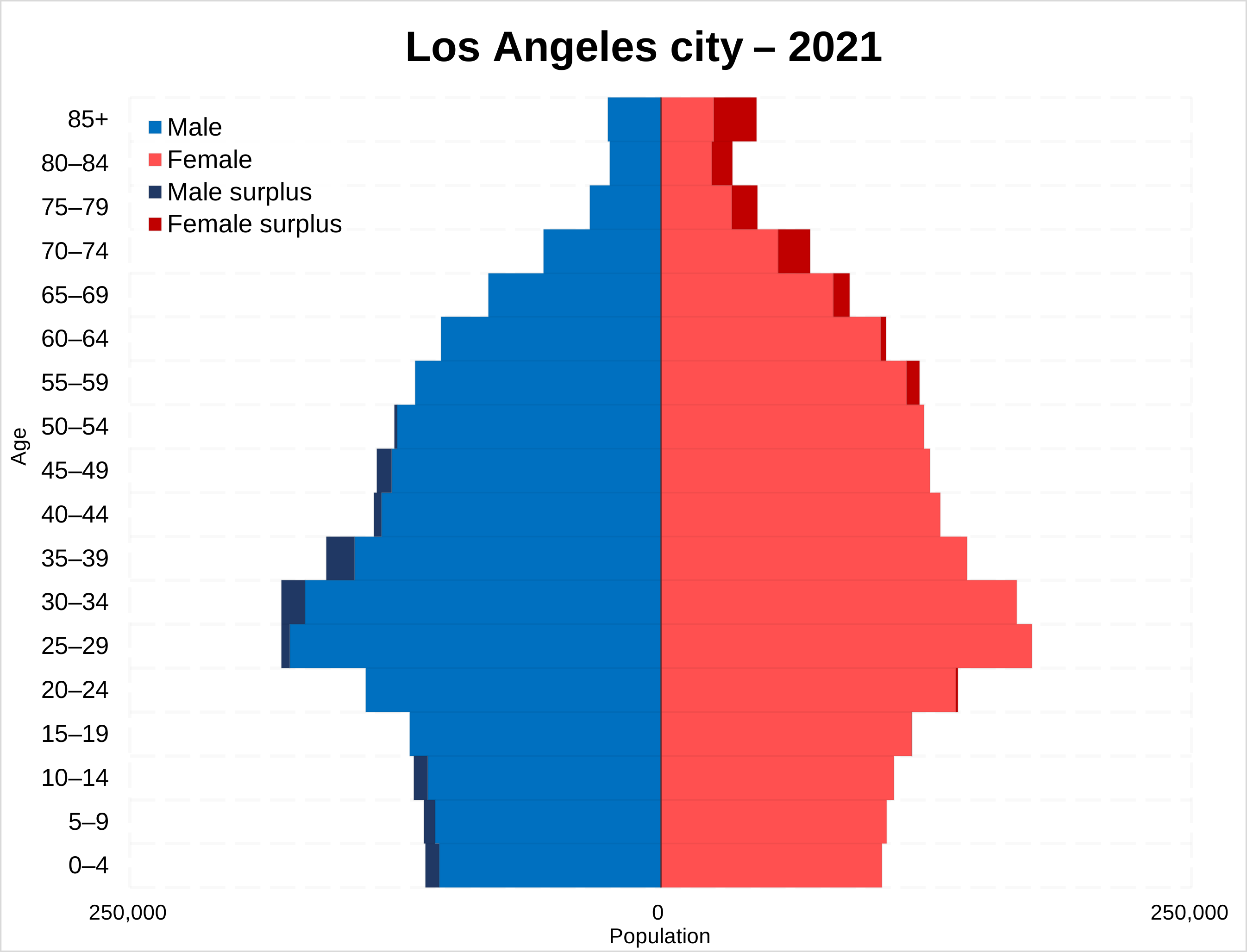
As of recent estimates, the city of Los Angeles is home to approximately 3.8 million residents, making it the second-most populous city in the United States, right behind New York City. However, this figure only tells part of the story. The greater Los Angeles County, an expansive region that includes 88 incorporated cities and numerous unincorporated communities, boasts a population nearing 10 million. This makes Los Angeles County the most populous county in the United States and a significant economic and cultural force in California and beyond. This vast demographic footprint has profound implications for anyone looking to travel, live, or experience the unique allure of Los Angeles, influencing everything from the culinary scene and cultural festivals to the sheer array of accommodation options and the navigation of its iconic landmarks.
A City of Millions: Understanding Los Angeles’s Demographics
The sheer scale of Los Angeles’s population is difficult to overstate. It’s a metropolis built on layers of history, migration, and growth, evolving from a small mission town to a global powerhouse. This extensive population is not a monolith; rather, it is a vibrant, dynamic, and ever-shifting collection of communities, each contributing to the city’s unique identity. From the bustling energy of Downtown Los Angeles to the serene beachfront communities, the numbers are a testament to the city’s magnetic appeal.
The Core Numbers: City vs. Metro Area
When we talk about the population of Los Angeles, it’s crucial to distinguish between the city proper and the broader metropolitan statistical area. The city of Los Angeles, with its roughly 3.8 million inhabitants, is a dense urban core stretching from the San Fernando Valley to the Pacific Ocean. This official city boundary encompasses famous districts like Hollywood, Venice Beach, and large portions of Downtown Los Angeles, each contributing to the overall count and unique character.
However, for travelers and those interested in the full scope of the region’s influence, the Los Angeles County figure of nearly 10 million is often more relevant. This includes adjacent cities like Long Beach, Pasadena, Santa Monica, and Beverly Hills, which, while independent municipalities, are intrinsically linked to Los Angeles through shared infrastructure, economy, and culture. This expansive metropolitan area creates a vast market for tourism, hospitality, and entertainment, driving the need for diverse accommodations, countless attractions, and robust services. The sheer number of people living and working across this sprawling region ensures a constant buzz of activity, from morning commutes to late-night events, creating an energetic backdrop for any visitor.
A Mosaic of Cultures: Diversity in the City of Angels
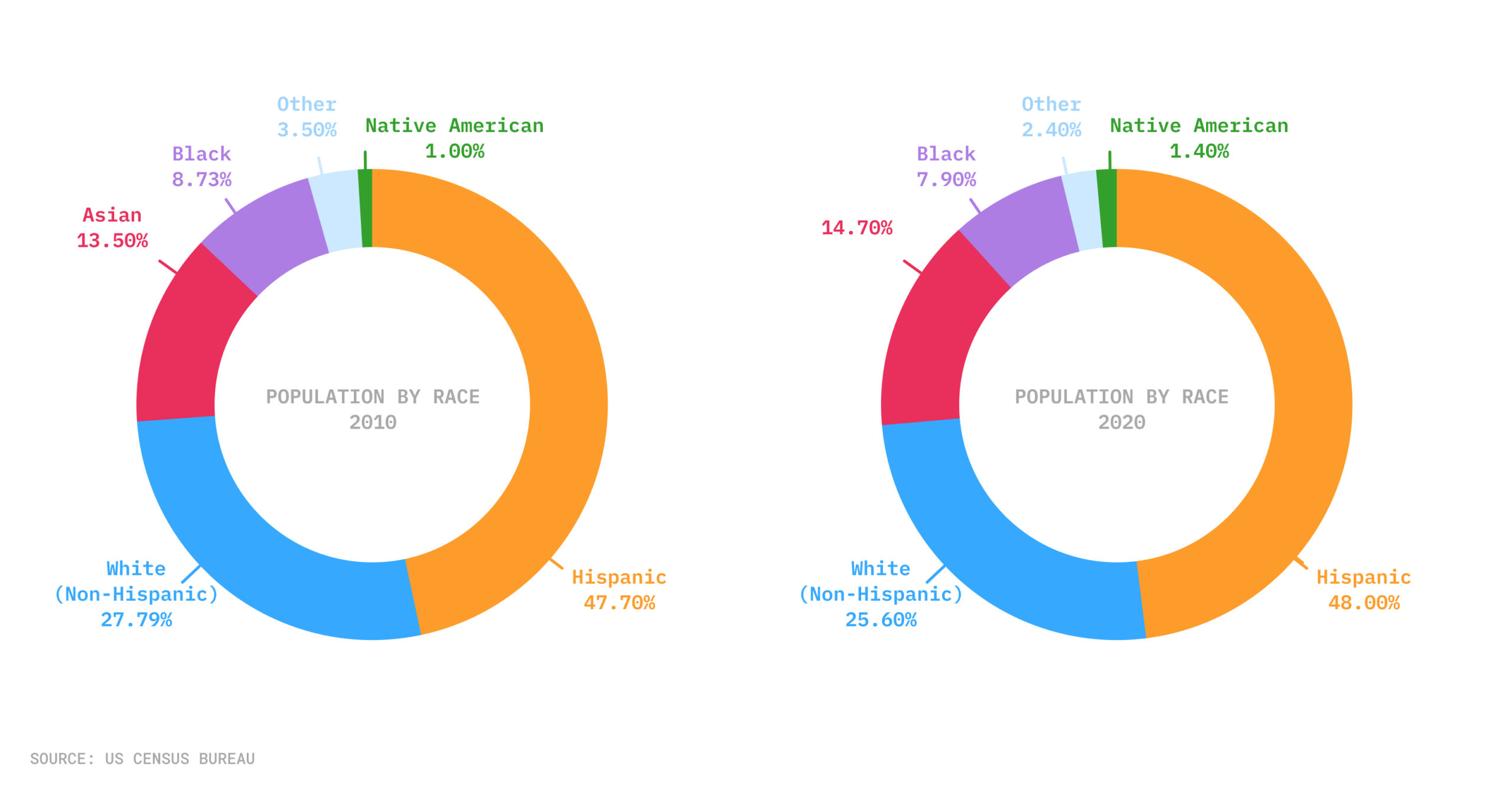
Perhaps even more significant than the sheer numbers is the incredible diversity that defines Los Angeles’s population. It is a melting pot, or perhaps more accurately, a vibrant mosaic, of cultures, languages, and traditions from across the globe. This demographic richness is not just a statistic; it’s the living, breathing essence of the city’s character and a major draw for tourists. Visitors can embark on a culinary journey spanning continents without ever leaving Los Angeles County.
From the historic streets of Chinatown to the vibrant markets of Koreatown, the aromatic spices of Little Ethiopia, and the rich cultural heritage of communities like Boyle Heights and East Los Angeles, the city offers an authentic glimpse into global cultures. This diversity fuels an unparalleled food scene, an array of unique shops, and a calendar packed with festivals and events celebrating traditions from around the world. For travelers, this means an endless exploration of local cultures, food, and activities. Whether you’re seeking authentic street tacos, gourmet ramen, Ethiopian injera, or a traditional Chinese banquet, Los Angeles’s population ensures that every palate and cultural curiosity can be satisfied. This blend of global influences also enriches the city’s art scene, music venues, and overall creative spirit, making every neighborhood a potential destination for discovery.
How Population Shapes the Los Angeles Travel Experience
The dense and diverse population of Los Angeles is not just a backdrop; it actively shapes the travel experience, presenting both exhilarating opportunities and unique challenges. From navigating its extensive road networks to discovering its most beloved attractions, understanding the city’s demographic reality is key to a rewarding visit. The sheer volume of residents impacts everything from the availability of booking accommodations to the atmosphere at popular landmarks.
Navigating the Urban Landscape: Transport and Accessibility
One of the most immediate impacts of Los Angeles’s vast population is on its transportation infrastructure. With millions of residents moving across the sprawling county daily, traffic is a well-known characteristic of the city. For travelers, this means planning ahead is paramount. Rush hour can extend for several hours, and distances between attractions can be significant. However, the city has been continuously investing in expanding its public transport options. The Metro Rail and bus systems offer increasingly viable alternatives to driving, particularly for reaching key areas like Downtown Los Angeles, Hollywood, and Santa Monica.
Ride-sharing services are also widely available and popular. For those who choose to drive, understanding the city’s layout and utilizing navigation apps is essential. The concentration of population in certain areas leads to higher demand for parking and can affect travel times, so factoring in extra time for transit between destinations like Universal Studios Hollywood and the beaches of Malibu is always a wise decision. Despite the challenges, the extensive network of roads and public transit means that with careful planning, every corner of Los Angeles is accessible, offering a chance to explore its diverse neighborhoods and experiences.
From Bustling Attractions to Hidden Gems: The Tourist’s Perspective
The large population of Los Angeles directly translates into a vast array of attractions, but it also means that popular spots can get incredibly crowded. Iconic destinations like the Hollywood Walk of Fame, Santa Monica Pier, and The Getty Center often draw significant crowds, especially during peak seasons and weekends. For tourists, this implies the need for strategic timing – visiting early in the morning, on weekdays, or during off-peak seasons can significantly enhance the experience. Booking tickets in advance for museums, theme parks like Disneyland Park in nearby Anaheim, or popular tours is highly recommended to bypass long lines.
However, the population also means that there are countless hidden gems and local favorites that remain less frequented by the typical tourist. Exploring the diverse neighborhoods away from the main tourist circuits can reveal charming local shops, authentic eateries, and community parks that offer a more intimate glimpse into LA life. For example, while Griffith Observatory offers stunning views, a hike in Runyon Canyon Park or other less-known trails within Griffith Park can provide equally breathtaking vistas with fewer crowds. Engaging with local guides or seeking recommendations from residents can lead to discoveries that enrich the travel experience far beyond the well-trodden paths.

Accommodation and Lifestyle in a Populous Metropolis
A city as populous and globally significant as Los Angeles naturally boasts an accommodation sector that caters to an immense range of tastes and budgets, reflecting the diverse lifestyles of its residents and visitors. From opulent luxury to practical budget options, the hotel landscape is as varied as the city itself. This robust offering is a direct response to the constant flow of tourists, business travelers, and new residents drawn to the city.
Catering to Every Traveler: Hotel Landscape in LA
The sheer demand generated by millions of residents and annual visitors ensures that Los Angeles offers an unparalleled selection of accommodations. Luxury travelers can indulge in the iconic elegance of the Beverly Wilshire, A Four Seasons Hotel in Beverly Hills, the sophisticated charm of The Ritz-Carlton, Los Angeles in Downtown Los Angeles, or the beachfront glamour of resorts in Santa Monica. These high-end properties offer not just a place to stay, but an immersive experience with world-class amenities, gourmet dining, and impeccable service, often frequented by celebrities and discerning travelers.
For those seeking a more boutique or trendy experience, hotels like The LINE Hotel in Koreatown or many stylish establishments in West Hollywood offer unique designs, vibrant atmospheres, and a connection to local culture. Beyond traditional hotels, Los Angeles’s populous nature has also fueled a thriving market for apartment rentals, villas, and long-term stays, particularly appealing to those on extended business trips, film productions, or family vacations. Budget-conscious travelers will also find a plethora of options, from hostels to moderately priced hotels across various neighborhoods. The city’s vastness means that specific areas cater to different travel styles and preferences, whether you prefer the urban energy of Downtown Los Angeles, the beach vibes of Santa Monica and Venice Beach, or the glitz of Hollywood. Booking in advance, especially during peak seasons or major events, is always advisable given the constant demand.
The LA Lifestyle: Beyond the Tourist Trail
The vibrant lifestyle of Los Angeles is intrinsically linked to its diverse population. It’s a city where health and wellness are prioritized, creativity is celebrated, and innovation thrives. For visitors, delving into the local lifestyle offers a deeper, more authentic experience beyond the typical tourist attractions. The city’s culinary scene, for instance, is a direct reflection of its multicultural population, offering everything from Michelin-starred fine dining to legendary food trucks and farmers’ markets like Grand Central Market. Food tours, cooking classes, and exploring specific ethnic food corridors are popular ways to engage with this aspect of LA life.
The arts and culture scene is equally robust, fueled by a population rich in artists, performers, and creatives. Beyond major institutions like The Getty Center and the Los Angeles County Museum of Art, numerous smaller galleries, independent theaters, and live music venues, especially in areas like the Arts District or Silver Lake, offer a more intimate look at the city’s creative pulse. Outdoor activities are also integral to the LA lifestyle, with residents flocking to beaches for surfing and sunbathing, and to hiking trails in the Hollywood Hills or Griffith Park for breathtaking views. Exploring local shopping areas like The Grove or the luxury boutiques of Rodeo Drive provides a glimpse into the city’s fashion and consumer culture. This interplay of diverse demographics, world-class amenities, and an active, health-conscious populace creates a dynamic lifestyle that is both captivating and aspirational for many.
Iconic Landmarks and Their Connection to LA’s Growth
Los Angeles’s landmarks are more than just photo opportunities; they are physical manifestations of its history, its aspirations, and its continuous growth, deeply intertwined with the narratives of its people. These structures and natural features tell stories of migration, ambition, and the relentless pursuit of dreams that have characterized the city’s population for generations.
Enduring Symbols of a Growing City
Many of Los Angeles’s most famous landmarks have grown alongside its population, serving as enduring symbols of its development. The majestic Griffith Observatory, perched high in Griffith Park, offers not only stunning astronomical insights but also panoramic views of the sprawling city below, vividly illustrating its immense scale. The iconic Hollywood Sign, originally an advertisement for a real estate development, quickly became a symbol of the city’s booming entertainment industry and the dreams of countless individuals who flocked to Hollywood seeking fame and fortune. These landmarks are not just tourist attractions; they are gathering places for residents, offering spaces for recreation, reflection, and community.
In Downtown Los Angeles, the architectural marvel of the Walt Disney Concert Hall stands as a testament to the city’s cultural ambitions, driven by its diverse and sophisticated population who appreciate the arts. Other significant structures like Dodger Stadium and the Crypto.com Arena embody the city’s passion for sports and large-scale entertainment, drawing millions of fans annually. Each of these landmarks, whether natural or man-made, reflects different eras of LA’s population growth and its evolving identity, showcasing how the human element has shaped the physical landscape.
Preserving History Amidst Expansion
While Los Angeles is a city constantly looking forward and expanding, there is also a conscious effort to preserve its rich history amidst continuous development. Historical landmarks like Olvera Street, often considered the birthplace of Los Angeles, stand as vibrant reminders of its Mexican heritage and the early populations that laid its foundations. This historic block, bustling with markets, restaurants, and cultural performances, offers a stark contrast to the gleaming skyscrapers of Downtown Los Angeles but represents an equally vital part of the city’s story.
The preservation of historic buildings, neighborhoods, and cultural sites within such a rapidly growing and densely populated area is a testament to the community’s desire to honor its past while embracing the future. These efforts ensure that even as the population expands and the cityscape evolves, the stories and legacies of the diverse groups who have called Los Angeles home are not forgotten. For visitors, these historical landmarks offer a profound connection to the city’s roots, providing context to its present-day vibrancy and serving as tangible links to the millions of lives that have contributed to its unparalleled character.
In conclusion, the population of Los Angeles is far more than just a number; it is the very essence of this extraordinary city. With approximately 3.8 million residents within its official boundaries and nearly 10 million across Los Angeles County, it stands as a testament to human ambition, diversity, and innovation. This vast and multicultural populace dictates the city’s vibrant lifestyle, shapes its unique travel experiences, drives its extensive accommodation options, and imbues its iconic landmarks with meaning. For anyone looking to truly understand and experience Los Angeles, appreciating its demographic tapestry is the first step towards unlocking its endless possibilities, making every visit a journey through a living, breathing, and ever-evolving global metropolis.
LifeOutOfTheBox is a participant in the Amazon Services LLC Associates Program, an affiliate advertising program designed to provide a means for sites to earn advertising fees by advertising and linking to Amazon.com. Amazon, the Amazon logo, AmazonSupply, and the AmazonSupply logo are trademarks of Amazon.com, Inc. or its affiliates. As an Amazon Associate we earn affiliate commissions from qualifying purchases.