
As the vibrant heart of Louisiana, New Orleans beats with a rhythm all its own. Famous for its music, cuisine, and unique culture, this iconic city draws millions of visitors each year, eager to experience its undeniable charm. But beyond the bustling streets of the French Quarter and the historic beauty of its mansions, a fundamental question often arises for those planning a visit or considering a move: what is the population of New Orleans, Louisiana? Understanding the city’s demographic landscape offers a richer appreciation for its identity, its challenges, and its enduring spirit.

The population of any major city is not a static figure; it fluctuates due to a myriad of factors, including natural growth, migration, and the ebb and flow of economic opportunities. For New Orleans, these dynamics have been particularly pronounced in recent decades, shaped by both the transformative power of its cultural heritage and the devastating impact of natural disasters.
Understanding New Orleans’ Population Dynamics
Delving into the population figures of New Orleans reveals a narrative of resilience and adaptation. Historically, the city has been a significant population center in the Gulf Coast region. However, the landscape shifted dramatically in the aftermath of Hurricane Katrina in 2005, an event that led to a substantial, albeit temporary, displacement of its residents. The subsequent years have been marked by a gradual but determined rebuilding and a slow return of its populace, alongside the influx of new residents attracted by the city’s unique allure.
The Ever-Shifting Numbers: Recent Population Estimates
Pinpointing an exact, up-to-the-minute population count for any city is a complex undertaking. Census data, while comprehensive, is collected periodically. In between these official counts, demographic researchers and government agencies provide estimates based on various statistical models, birth and death rates, and migration patterns.
According to the most recent estimates available, the population of the city of New Orleans hovers around the 380,000 to 400,000 mark. This figure represents the residents within the official city limits of New Orleans. It’s crucial to differentiate this from the broader metropolitan area, which encompasses surrounding parishes and communities. The New Orleans metropolitan area, often referred to as the New Orleans-Metairie-Kenner Metropolitan Statistical Area, has a significantly larger population, typically estimated to be well over a million residents. This distinction is important for understanding the scale of economic activity, transportation networks, and the overall regional influence of New Orleans.
The population density within the city itself is quite high, reflecting its urban nature and its historic layout. Neighborhoods vary greatly in their population density, from the densely populated areas of the French Quarter and the surrounding historic districts to more spread-out residential areas. This diversity in population distribution contributes to the unique character of each New Orleans neighborhood.
The Impact of Katrina and the Road to Recovery

The 2005 storm remains a pivotal moment in the demographic history of New Orleans. Before Hurricane Katrina, the city’s population was estimated to be over 480,000. The storm and subsequent levee failures caused widespread devastation, forcing over a million people from the greater New Orleans area to evacuate. Many of these residents did not return, relocating to other parts of the United States or even further abroad.
The recovery process has been long and arduous, involving significant federal and state investment in infrastructure, housing, and economic development. The population has steadily grown back since the storm, but it has not yet returned to pre-Katrina levels. This demographic shift has had a profound impact on the city’s social fabric, its cultural institutions, and its economic trajectory. The return of residents, coupled with the arrival of new individuals drawn to the city’s vibrant culture and unique lifestyle, has fostered a renewed sense of community and a dynamic evolution of its neighborhoods.
Demographics: A Tapestry of Diversity
The population of New Orleans is characterized by its rich diversity, a testament to centuries of cultural exchange and migration. Historically, the city has been a melting pot of African American, French, Spanish, Caribbean, and Italian influences, among many others. This heritage is palpable in its language, its music, its festivals, and its everyday life.
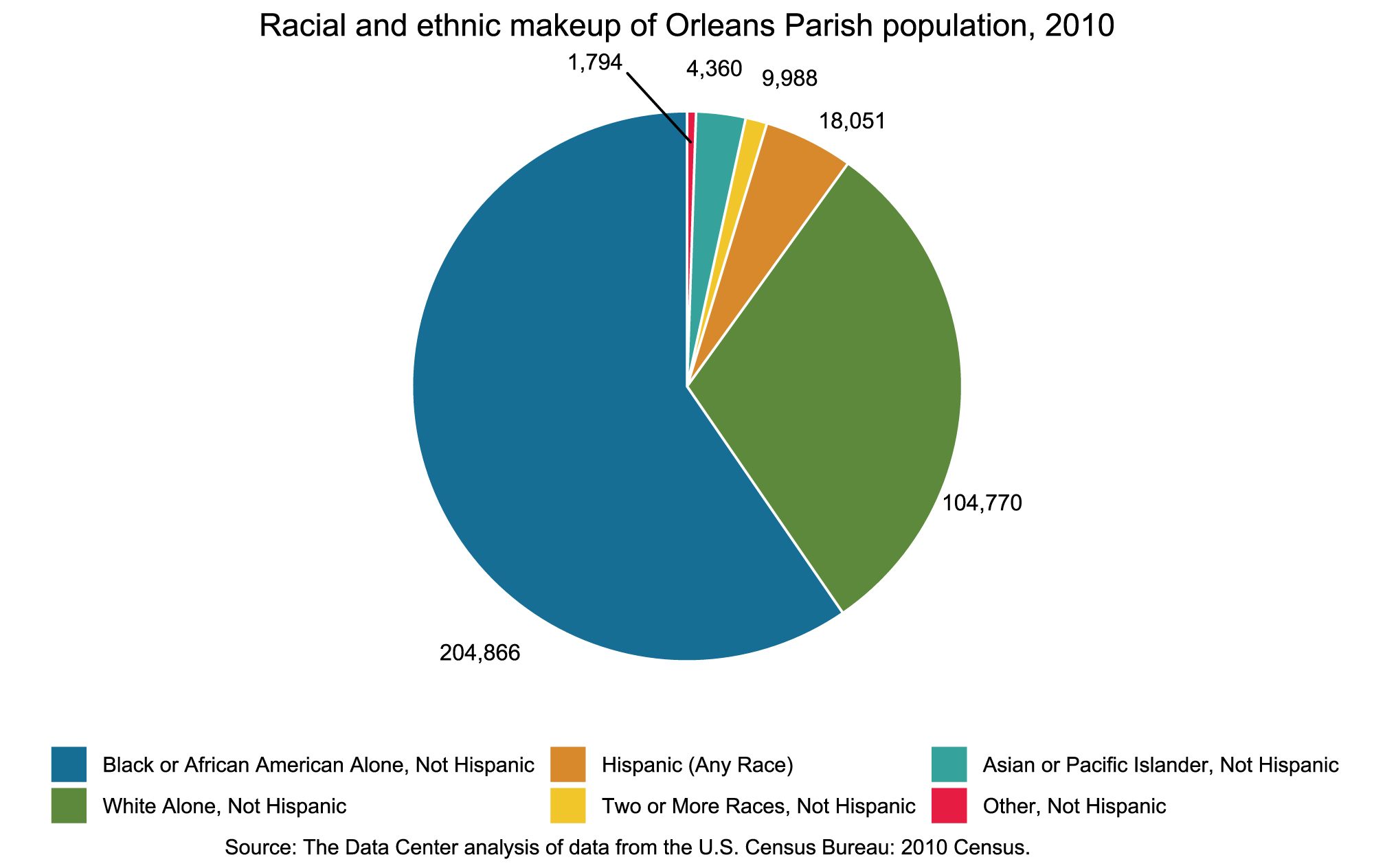
The racial and ethnic composition of New Orleans reflects this historical legacy. The African American population constitutes a significant majority of the city’s residents, a demographic group that has played a central role in shaping New Orleans‘ unique cultural identity. The city is also home to a growing Hispanic or Latino population, as well as communities of white residents, Asian residents, and individuals identifying with multiple racial backgrounds. This mosaic of ethnicities and backgrounds contributes to the city’s unparalleled cultural richness and its renowned hospitality.
The age distribution of New Orleans‘ population also presents an interesting picture. While the city has historically been known for its vibrant nightlife and artistic community, it is also home to a substantial population of families and older residents who contribute to its stable neighborhoods. The influx of younger professionals and artists, attracted by the city’s affordability and its creative energy, is helping to revitalize certain areas and bring new dynamism to the urban landscape.
Looking Ahead: Future Population Trends
Predicting the future population of New Orleans involves considering various factors. The city’s ability to attract and retain residents will depend on its economic prospects, its resilience to environmental challenges such as rising sea levels and coastal erosion, and its ongoing efforts to address social and economic inequalities.
The ongoing development of infrastructure, the growth of key industries such as tourism, healthcare, and the creative arts, and the continued investment in education and community programs are all likely to play a role in shaping the city’s future demographic trajectory. There is a palpable sense of optimism among many residents and city leaders about the future of New Orleans, driven by the enduring spirit and the unique cultural capital that defines this remarkable city.
As New Orleans continues to evolve, its population figures will remain a key indicator of its health and vitality. Whether you are planning a trip to experience its legendary Mardi Gras, to explore its historic Garden District or French Quarter, to stay at a charming boutique hotel or a luxurious resort, or simply to immerse yourself in its unparalleled local culture and food scene, understanding the demographic heart of this city adds another layer of appreciation to its extraordinary story. The approximately 380,000 to 400,000 souls who call New Orleans home are the lifeblood of this captivating Louisiana jewel, each contributing to its ongoing narrative of resilience, creativity, and unparalleled charm.
LifeOutOfTheBox is a participant in the Amazon Services LLC Associates Program, an affiliate advertising program designed to provide a means for sites to earn advertising fees by advertising and linking to Amazon.com. Amazon, the Amazon logo, AmazonSupply, and the AmazonSupply logo are trademarks of Amazon.com, Inc. or its affiliates. As an Amazon Associate we earn affiliate commissions from qualifying purchases.