
Puerto Rico, the enchanting “Island of Enchantment,” is more than just a captivating Caribbean destination renowned for its vibrant culture, stunning beaches, and lush rainforests. It is also a dynamic territory of the United States with a unique demographic story. Understanding the population of Puerto Rico is key to appreciating its past, present, and future, especially when considering its role in travel, tourism, and local lifestyle.
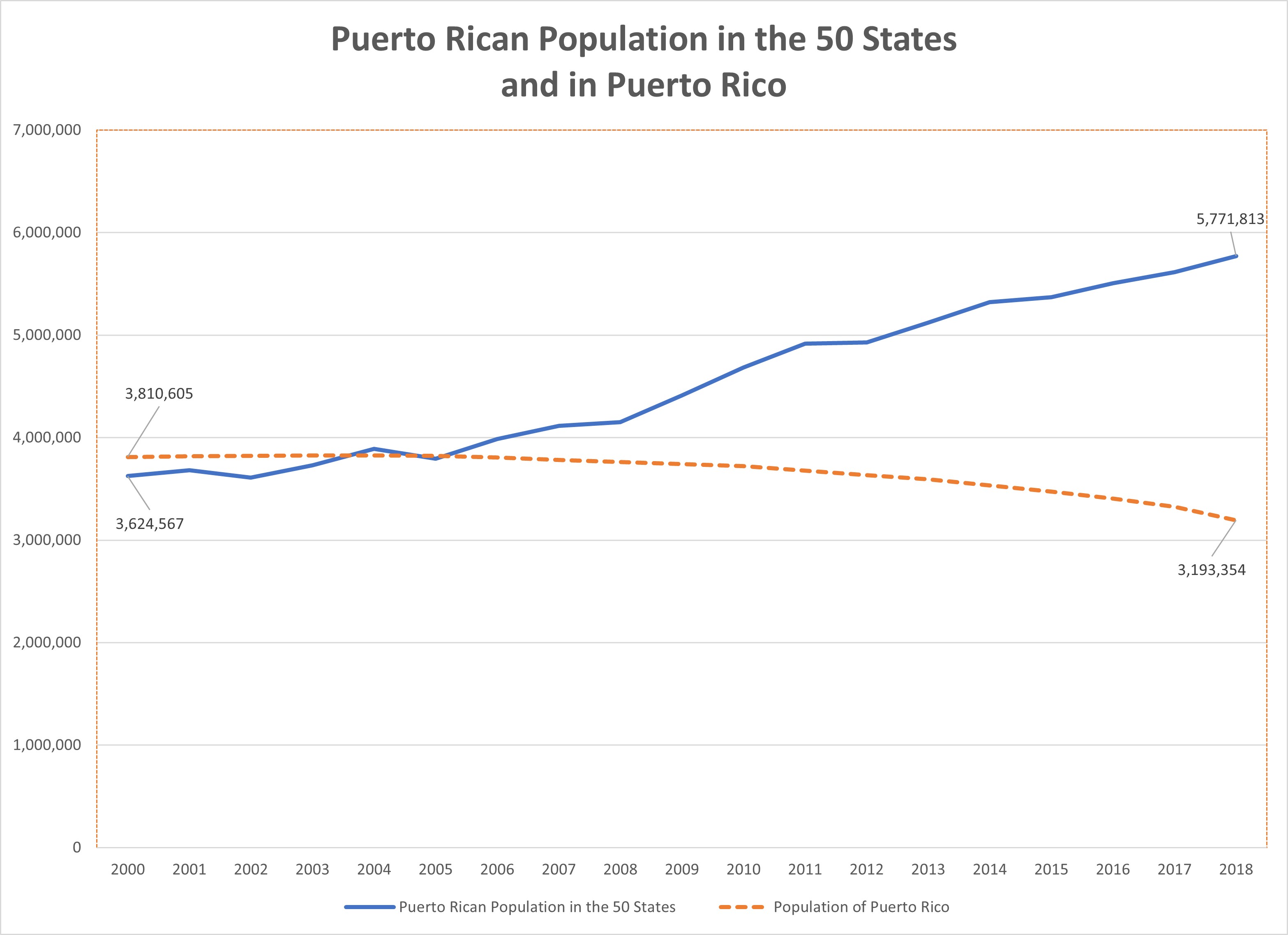
As of recent estimates, the population of Puerto Rico hovers around 3.2 million people. This figure, while significant, represents a notable shift from its peak in the mid-2000s, reflecting decades of complex socio-economic changes, natural disasters, and migration patterns. For those planning a visit, considering a long-term stay, or simply curious about this fascinating island, these demographic trends offer a deeper insight into its character and the experiences it offers. From the bustling streets of San Juan to the tranquil towns nestled in the mountains, every corner of Puerto Rico tells a story shaped by its people.

The Evolving Demographics of Puerto Rico
The population narrative of Puerto Rico is a rich tapestry woven from centuries of history, economic aspirations, and the resilience of its people. Unlike many destinations that experience steady population growth, Puerto Rico’s story is one of dramatic fluctuations, driven by external forces and internal resilience.
Historical Context and Population Milestones
Puerto Rico’s demographic journey began long before the arrival of European explorers. The indigenous Taíno people were the island’s first inhabitants, their communities thriving until the late 15th century. With the arrival of the Spanish in 1493, the population underwent a profound transformation. Spanish colonization led to the decimation of the Taíno population due to disease and forced labor, while the introduction of African slaves for sugar plantations diversified the island’s ethnic makeup. This blend of Taíno, Spanish, and African heritage forms the bedrock of today’s unique Puerto Rican culture.
For centuries, Puerto Rico’s population grew steadily under Spanish rule. By the time it became a U.S. territory in 1898, the island’s population was approaching one million. The 20th century saw significant growth, fueled by improved public health, infrastructure, and economic development, particularly after World War II and the industrialization efforts of “Operation Bootstrap.” The population peaked around 3.8 million in the mid-2000s, showcasing a vibrant and growing society. These historical milestones are evident in the island’s architecture, landmarks like Castillo San Felipe del Morro in Old San Juan, and the diverse faces you encounter in any Puerto Rican town.
Recent Trends: Decline, Migration, and Rebound
The early 21st century brought a dramatic shift. Starting in the mid-2000s, Puerto Rico began experiencing a significant population decline, primarily driven by a protracted economic recession and a sustained outflow of residents to the U.S. mainland. This out-migration was further exacerbated by a series of devastating natural disasters.
The most significant of these was Hurricane Maria in September 2017. The hurricane caused catastrophic damage to the island’s infrastructure, homes, and economy, leading to a substantial increase in migration. In the aftermath of Maria, hundreds of thousands of Puerto Ricans relocated, with many settling in states like Florida and New York. The U.S. Census Bureau reported some of the largest single-year population drops in recent U.S. history for Puerto Rico during this period.
However, the story doesn’t end there. In recent years, while the overall trend remains a net loss, there have been signs of stabilization and even a slight rebound in certain demographics. Many who left are now returning, drawn by family ties, cultural identity, and a desire to contribute to the island’s reconstruction and resurgence. This ebb and flow of population creates a unique character for Puerto Rico, fostering a resilient spirit and a strong sense of community that travelers often find inspiring. This dynamic also influences the availability of skilled labor for tourism and hospitality sectors, impacting everything from hotel staff to local tour guides.
Population Dynamics and the Puerto Rican Economy
The size and composition of Puerto Rico’s population are intrinsically linked to its economic health and future prospects. Demographic shifts influence everything from the labor force and consumer markets to infrastructure needs and the types of tourism experiences available.
Economic Factors Influencing Migration
For decades, economic disparities between Puerto Rico and the U.S. mainland have been a primary driver of migration. Higher wages, more diverse job opportunities, and better access to social services have historically pulled Puerto Ricans to the states. Periods of severe economic contraction on the island, such as the debt crisis that began in the 2000s, intensified this outflow. The decline in traditional manufacturing industries and the challenges in developing new economic sectors meant fewer prospects for young professionals and families, leading many to seek opportunities elsewhere.
This ongoing migration, particularly of younger, educated individuals, has created a demographic challenge: an aging population and a shrinking workforce on the island. While there’s a strong desire to retain talent, the economic realities often make it difficult. However, efforts are underway to revitalize the economy, including focusing on high-growth sectors like technology, renewable energy, and, critically, tourism. Initiatives such as tax incentives for investors and remote workers are also designed to attract new residents and stimulate economic growth, bringing fresh capital and diverse skills to the island.

The Impact on Local Services and Infrastructure
A fluctuating population presents both challenges and opportunities for local services and infrastructure. A rapidly declining population can strain public services like healthcare and education, as funding models often depend on population size, and facilities may become underutilized. On the other hand, the pressure on natural resources and urban infrastructure might lessen in some areas.
For the tourism industry, population dynamics are particularly critical. A robust local population is essential for providing the workforce needed for hotels, resorts, restaurants, and attractions. A strong local economy, supported by its residents, also creates a vibrant atmosphere that enhances the visitor experience. When local businesses thrive, they offer more authentic food, culture, and retail options that draw travelers. Infrastructure development, from improved roads to reliable utilities, is also vital for both residents and visitors, supporting easy access to landmarks like El Yunque National Forest and the bioluminescent bays. The ongoing efforts to rebuild and modernize Puerto Rico’s infrastructure directly benefit its population and enhance its appeal as a global destination.
Tourism and Lifestyle in a Changing Puerto Rico
The dynamic population of Puerto Rico profoundly impacts its tourism landscape and the lifestyle experienced by both locals and visitors. A shifting demographic can reshape the availability of local experiences, the character of neighborhoods, and the overall vibe of the island.
How Population Affects the Tourism Industry
A healthy, engaged local population is the backbone of a thriving tourism industry. When the population declines, especially in specific regions, it can lead to a shortage of skilled workers in the hospitality sector, from hotel staff to culinary experts and tour guides. This can impact the quality of service and the availability of authentic local experiences.
However, Puerto Rico’s population, despite its challenges, remains incredibly resilient and proud. The people are the heart of its tourism appeal. Their warmth, hospitality, and vibrant culture are often cited by visitors as the most memorable aspects of their trips. Whether it’s the welcoming smiles in Old San Juan, the passionate instructors at a surf school in Rincón, or the local vendors at a market in Ponce, the people of Puerto Rico are its greatest asset. The active participation of the local community in preserving their heritage, through traditional music, dance, and cuisine, ensures that visitors have access to truly authentic Puerto Rican experiences. This includes everything from staying in quaint local apartments or boutique hotels to enjoying a comprehensive travel guide to hidden gems.
Lifestyle for Residents and Expats
The lifestyle in Puerto Rico is as diverse as its landscapes. For residents, daily life often revolves around strong family ties, community events, and a relaxed Caribbean pace, albeit with the challenges of economic recovery. The majority of the population lives in urban or suburban areas, with San Juan being the largest metropolitan hub, offering a bustling city lifestyle with modern amenities, shopping, and entertainment. Rural areas offer a quieter, more traditional existence, deeply connected to agriculture and nature.
For expatriates and those considering a long-term stay, Puerto Rico presents a compelling blend of U.S. citizenship benefits with a distinct Latin American flavor. The ease of doing business in U.S. dollars, along with attractive tax incentives for new residents, has drawn a growing community of entrepreneurs and remote workers. These newcomers contribute to the island’s economic revitalization and cultural diversification, often bringing new ideas and perspectives. Whether seeking luxury travel in exclusive resorts or budget travel accommodations in charming guesthouses, the island caters to a wide array of lifestyles and budgets.
The Cultural Tapestry of Puerto Rico
The population of Puerto Rico is not just a number; it is a living, breathing testament to a vibrant blend of historical influences that have shaped one of the most unique cultures in the Caribbean. This rich cultural tapestry is a major draw for tourism and a source of deep pride for its residents.
A Melting Pot of Influences
The current Puerto Rican population is a beautiful mosaic, primarily descended from three major groups: the indigenous Taíno people, the Spanish colonizers, and African slaves brought to the island. Each group left an indelible mark on the island’s language, cuisine, music, and traditions. The official languages are Spanish and English, reflecting its heritage and its political relationship with the United States.
This unique blend is evident everywhere. From the Spanish colonial architecture of Old San Juan and Ponce to the rhythmic African beats of bomba and plena music, and the surviving Taíno words embedded in everyday Spanish vocabulary. This cultural richness is what makes Puerto Rico such a captivating travel destination, offering experiences that range from historical explorations of ancient forts to lively street festivals. Accommodation options often reflect this heritage, from historic suites in converted colonial buildings to modern resorts that incorporate local art and design.
Preserving Puerto Rico’s Unique Heritage
Despite demographic shifts and modern influences, the people of Puerto Rico are deeply committed to preserving their unique cultural heritage. This commitment is seen in the countless festivals celebrating patron saints, harvest seasons, and historical events. Puerto Rican food, a delicious fusion of Spanish, African, and Taíno flavors, is a central part of this preservation, with dishes like mofongo, lechón, and pasteles being culinary landmarks in themselves.
Efforts to promote cultural tourism are strong, encouraging visitors to delve beyond the beaches and explore the historical sites, museums, and artistic communities across the island. Organizations and individuals actively work to keep traditional arts, crafts, and music alive, ensuring that the next generation understands and cherishes their roots. This dedication provides an enriching backdrop for any family trip or a solo adventure, making Puerto Rico not just a place to visit, but a place to truly experience and connect with a vibrant people and their storied history. From booking a stay in a locally-owned villa to reading reviews of authentic local eateries, the human element of Puerto Rico is always at the forefront.
Conclusion: Puerto Rico’s Enduring Spirit
The question “What is the population of Puerto Rico?” elicits an answer far more complex than a simple number. At approximately 3.2 million, this figure represents a resilient community that has faced economic downturns, natural catastrophes like Hurricane Maria, and significant demographic shifts, yet continues to thrive with an indomitable spirit. The island’s population story is one of migration, both outward and increasingly, inward, as individuals seek opportunities or return to their roots, contributing to the island’s ongoing revitalization.
This dynamic human element is precisely what makes Puerto Rico such an extraordinary destination for travelers seeking authentic experiences. From the welcoming smiles that greet you at hotels and resorts to the vibrant local culture found in its music, food, and festivals, the people are the island’s greatest asset. They are the guardians of its rich history and the architects of its future.
Whether you’re exploring the historic landmarks of Old San Juan, hiking through the natural beauty of El Yunque National Forest, or simply enjoying the tranquil beaches of Culebra and Vieques, you’re experiencing a place profoundly shaped by its population. The unique blend of Taíno, Spanish, and African influences continues to evolve, creating a living, breathing culture that is both profoundly Puerto Rican and universally appealing.
As Puerto Rico continues its journey of recovery and growth, its population remains at the heart of its identity and its enduring appeal as a premier Caribbean destination for all types of travel – from luxury travel to budget-friendly family trips. The story of its people is the story of the island itself: resilient, vibrant, and always enchanting.
LifeOutOfTheBox is a participant in the Amazon Services LLC Associates Program, an affiliate advertising program designed to provide a means for sites to earn advertising fees by advertising and linking to Amazon.com. Amazon, the Amazon logo, AmazonSupply, and the AmazonSupply logo are trademarks of Amazon.com, Inc. or its affiliates. As an Amazon Associate we earn affiliate commissions from qualifying purchases.