
When planning a journey to a new destination, understanding its population dynamics offers far more than just a numerical statistic; it provides invaluable insights into the very fabric of the place you’re about to explore. For travelers considering a trip to South Dakota, knowing its population helps paint a picture of what to expect, from the bustling energy of its cities to the serene solitude of its vast natural landscapes. South Dakota, a state renowned for its iconic landmarks, expansive wilderness, and rich cultural heritage, offers a unique blend of experiences heavily influenced by its relatively sparse population. This demographic characteristic shapes everything from the availability of accommodation to the pace of life and the overall atmosphere visitors encounter.
Unlike more densely populated states in the United States, South Dakota presents an opportunity for a different kind of travel – one where open spaces are abundant, crowds are manageable, and the sense of discovery feels genuinely authentic. For those seeking destinations that promise both natural beauty and a connection to a distinct American lifestyle, a closer look at South Dakota’s population figures and their implications for tourism, accommodation, and lifestyle choices is essential.
Unpacking South Dakota’s Demographics: A Snapshot for Travelers
The demographic landscape of South Dakota is a defining feature that profoundly influences the travel experience. With a population that is modest compared to many other states, South Dakota offers a unique balance between vibrant urban centers and expansive, untouched natural beauty. This characteristic is particularly appealing for travelers looking to escape the hustle and bustle, providing ample space for exploration, relaxation, and genuine immersion in local culture.
The Latest Population Figures and Trends
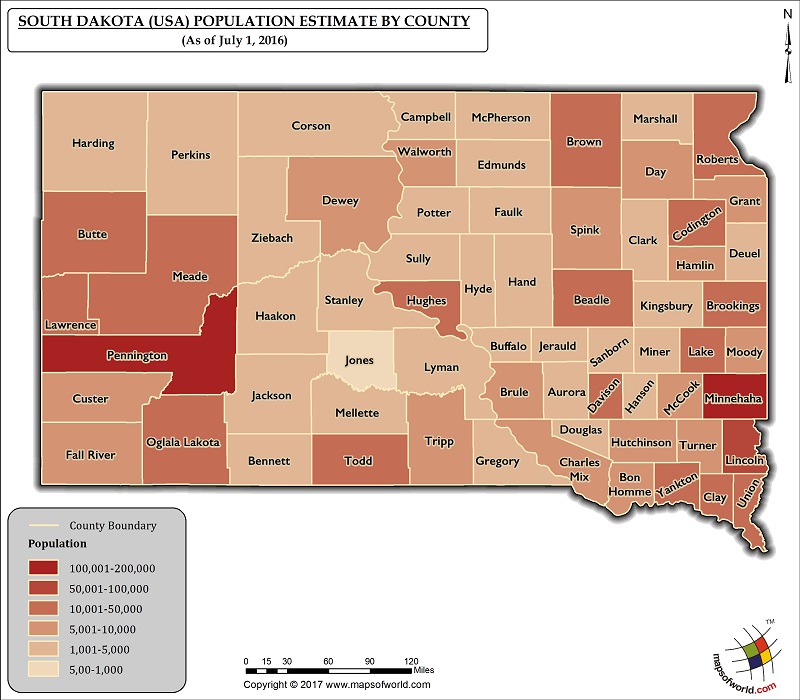
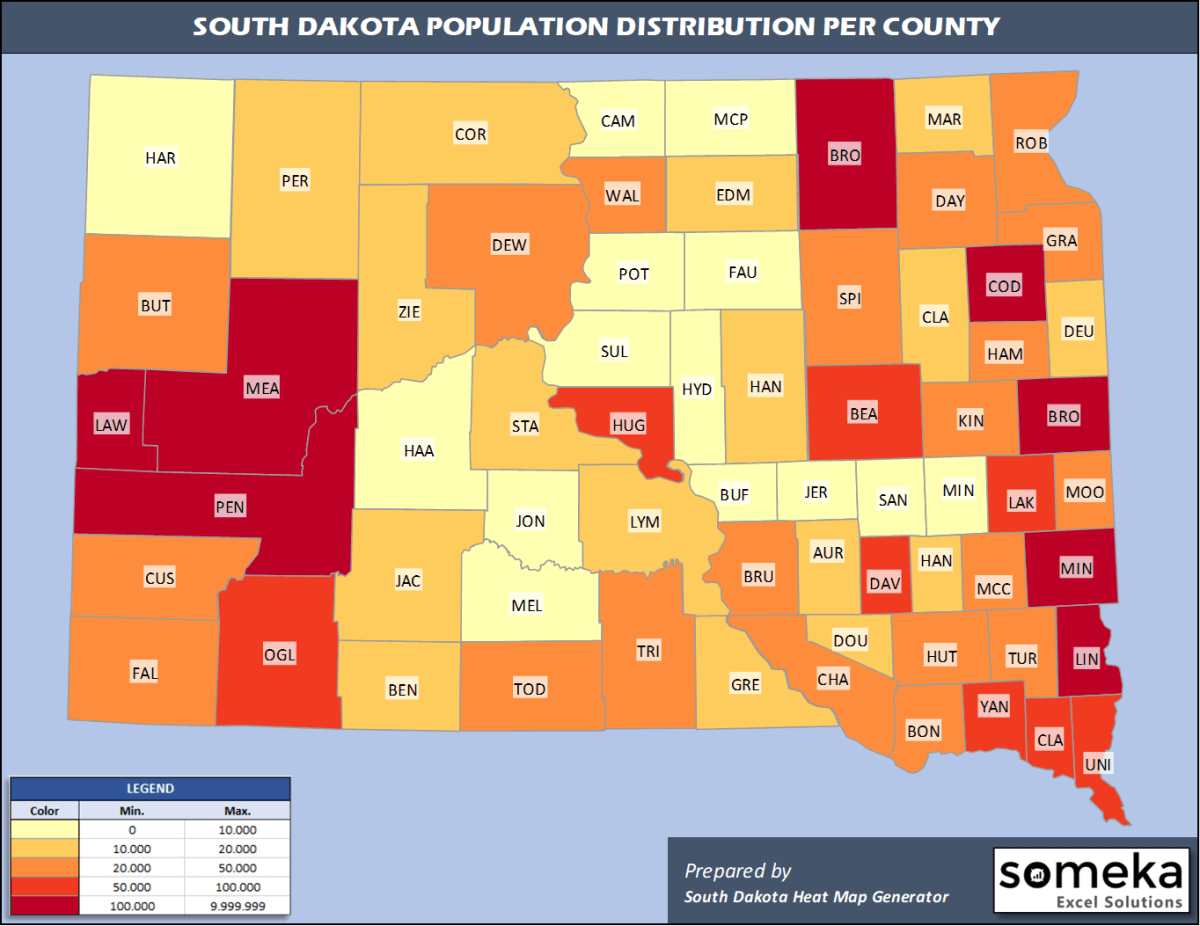
As of recent estimates, the population of South Dakota hovers around 919,000 residents. This figure positions it among the less populous states in the United States, yet it reflects a steady and often surprising growth trend, especially in its key urban areas. While the overall numbers might seem small, the distribution of this population tells a more nuanced story, impacting where travelers find the most activity, the widest range of amenities, and the greatest concentration of services.
The state’s growth is primarily concentrated in a few metropolitan hubs, while many rural areas maintain their quiet, agricultural character. The largest city, Sioux Falls, continues to be the economic and population powerhouse, experiencing significant growth. Following closely is Rapid City, which serves as the gateway to the Black Hills and is a vital tourism hub. Other significant cities include Aberdeen, Brookings, and Watertown, each contributing to the state’s diverse demographic tapestry. Understanding these population centers is crucial for travelers, as they often dictate the availability of hotels, dining options, and access to services. This localized growth often brings with it new hotels, expanded dining scenes, and a wider variety of experiences for visitors.
Population Density and the Traveler’s Experience
One of the most immediate takeaways from South Dakota’s population figures is its low population density. With vast tracts of land, including national parks, state parks, and expansive prairies, the state boasts one of the lowest population densities in the nation. This translates directly into an unparalleled travel experience, particularly for those who value solitude and open spaces.
For many visitors, the appeal of South Dakota lies precisely in this characteristic. Imagine driving for miles with endless horizons, experiencing iconic landmarks like Mount Rushmore National Memorial or exploring the rugged beauty of Badlands National Park without the overwhelming crowds often found in more densely populated tourist destinations. This low density fosters a sense of tranquility and allows for a deeper connection with nature. Adventure travelers will find ample room for hiking, biking, and exploring, while those seeking a peaceful retreat will appreciate the quietude.

The impact of low population density extends to the types of accommodation available. While urban centers offer a full spectrum of hotels, suites, and resorts, more rural areas might feature unique lodges, cabins, or boutique bed and breakfasts that blend seamlessly into the natural surroundings. This provides travelers with a chance to experience the authentic lifestyle of the region, far removed from the clamor of city life. The spaciousness also means less traffic, easier navigation, and a more relaxed pace for exploring attractions, making South Dakota an ideal destination for road trips and leisurely exploration.
Major Urban Centers: Hubs of Culture, Accommodation, and Growth
While South Dakota is celebrated for its wide-open spaces and iconic natural landmarks, its urban centers serve as vital hubs for culture, commerce, and, crucially for travelers, a diverse array of accommodation and lifestyle experiences. These cities, though smaller than many national counterparts, pulsate with their own unique energy, offering a blend of modern amenities, historical charm, and convenient access to the state’s most cherished attractions. Understanding the character and offerings of these population centers is key to planning a comprehensive and fulfilling South Dakota itinerary.
Sioux Falls: The State’s Largest City
As the largest city in South Dakota, Sioux Falls boasts a population of over 200,000 residents, making it the most bustling and dynamic urban environment in the state. Located in the southeastern corner, Sioux Falls is a vibrant metropolitan area that serves as a major economic and cultural center for the entire Great Plains region.
For travelers, Sioux Falls offers a sophisticated urban experience. Its downtown area is particularly appealing, centered around the stunning Falls Park, where the Big Sioux River cascades over quartzite rock formations. This landmark is not only visually impressive but also a hub for community events and public art. The city’s lifestyle caters to a variety of tastes, from a burgeoning culinary scene featuring farm-to-table restaurants and craft breweries to a vibrant arts and culture district with galleries, theaters, and live music venues. Notable attractions include the Washington Pavilion of Arts and Science and the outdoor SculptureWalk, showcasing diverse artistic talent.
Accommodation in Sioux Falls is plentiful and varied, reflecting its status as a major regional center. Visitors can choose from a wide range of options, including upscale hotels, comfortable suites, and budget-friendly motels, often with amenities tailored for both business and leisure travelers. Many national chains have a strong presence, alongside charming boutique hotels in the revitalized downtown area. For those planning longer stays or family trips, serviced apartments and extended-stay hotels offer practical and comfortable choices.
Rapid City: Gateway to the Black Hills
With a population of around 80,000, Rapid City is the second-largest city in South Dakota and holds a distinctive position as the “Gateway to the Black Hills.” Strategically located in the western part of the state, it serves as the primary base for exploring some of South Dakota’s most iconic natural and historical landmarks.
Rapid City’s appeal lies in its unique blend of urban conveniences and unparalleled access to outdoor adventures. The city itself boasts a vibrant downtown known as “The City of Presidents,” featuring life-size bronze statues of past U.S. presidents on street corners, offering a captivating walking tour. Cultural attractions like the Journey Museum & Learning Center provide insights into the region’s natural history and Native American heritage. Beyond the city limits, a short drive brings visitors to world-famous sites such as Mount Rushmore National Memorial, Crazy Horse Memorial, Custer State Park, and Badlands National Park. Attractions like Reptile Gardens and Bear Country USA are popular family destinations.
As a major tourism hub, Rapid City offers an extensive range of accommodation options designed to cater to the influx of visitors. From luxury resorts nestled in the Black Hills to family-friendly hotels with amenities like indoor water parks, and budget-conscious motels, there’s something for every preference and budget. Many hotels are strategically located with easy access to major highways leading to tourist attractions. The lifestyle in Rapid City blends outdoor enthusiasm with a growing arts and dining scene, making it a dynamic base for travelers eager to experience the best of western South Dakota.
Rural Charm and Unique Lifestyles: Beyond the Cities
While South Dakota’s major cities offer convenience and a range of amenities, much of the state’s authentic charm and unique lifestyle experiences are found in its smaller towns and vast rural landscapes. It is in these less populated areas that visitors can truly connect with the state’s historical roots, natural grandeur, and the resilient spirit of its communities. Exploring beyond the urban centers reveals a different facet of South Dakota, one characterized by serene beauty, distinct local cultures, and an abundance of opportunities for unique travel experiences.
Exploring Smaller Towns and Their Unique Appeal
South Dakota is dotted with charming smaller towns, each possessing its own story, character, and often, a famous landmark that draws visitors from afar. These towns, with populations ranging from a few hundred to a few thousand, offer a stark contrast to city life, providing a glimpse into a more relaxed pace and a strong sense of community.
For instance, the historic town of Deadwood, with a population of just over 1,000, transports visitors back to the Old West era. Its entire downtown is designated a National Historic Landmark, offering legalized gaming, live entertainment, and historical reenactments. Accommodation here often includes beautifully restored historic hotels and charming bed and breakfasts that echo the town’s past. Another iconic small town is Wall, famous for the Wall Drug Store. What started as a small pharmacy now attracts millions of visitors annually, offering free ice water, 5-cent coffee, and an array of shops, museums, and quirky attractions. Nearby, the town of Keystone is essentially a village at the base of Mount Rushmore, serving as a tourism village with numerous gift shops, restaurants, and various types of accommodation, from quaint cabins to family-friendly motels.
Beyond the famous names, towns like Custer, Hot Springs, and Hill City offer their own unique appeal, often serving as gateways to specific parts of the Black Hills National Forest or home to specific attractions like the Mammoth Site or the 1880 Train. Accommodation in these smaller towns often provides a more personal touch, with locally owned establishments, vacation rentals, and campsites offering an immersive experience that connects visitors directly to the rural South Dakota lifestyle. These destinations are perfect for travelers seeking to explore local culture, enjoy outdoor activities like hiking and fishing, and discover hidden gems away from the more trodden paths.
The Impact of Tourism on Local Communities and Indigenous Populations
The unique population distribution in South Dakota also highlights the significant presence of its Indigenous populations, primarily the Lakota, Dakota, and Nakota peoples, often referred to collectively as the Sioux. Several large Native American reservations are located within the state, including the Pine Ridge Indian Reservation (home to the Oglala Sioux Tribe), the Rosebud Indian Reservation (home to the Rosebud Sioux Tribe), and the Cheyenne River Sioux Reservation (home to the Cheyenne River Sioux Tribe). These communities maintain rich cultural traditions and histories that are an integral part of South Dakota’s identity.
Tourism in these areas presents both opportunities and challenges. Cultural tourism, when managed respectfully and collaboratively with tribal communities, can offer invaluable experiences for visitors to learn about Native American history, art, and contemporary life. It also provides economic benefits to the reservations through ventures like cultural centers, artisan markets, and guided tours. However, it is crucial for travelers to approach these areas with sensitivity, respect for local customs, and an understanding of the historical context. Supporting tribally-owned businesses and engaging in responsible tourism practices helps ensure that the benefits of tourism contribute positively to these communities.
The lifestyle in these regions is deeply connected to land, tradition, and community. While accommodation options within the reservations might be limited compared to major tourist centers, they offer authentic insights and a chance for profound cultural exchange. Travelers seeking a deeper understanding of South Dakota’s diverse population should consider exploring these rich cultural landscapes responsibly, recognizing them as living communities with distinct identities and contributions to the state’s overall allure. This interaction between the visiting population and the local Indigenous population is a critical element of experiencing the full spectrum of South Dakota’s heritage.
Planning Your South Dakota Journey: Population Insights for an Optimal Trip
Understanding South Dakota’s population figures and distribution is not merely an academic exercise; it’s a practical tool for crafting an optimal travel experience. From navigating peak seasons to choosing the right type of accommodation, population insights can significantly enhance your trip planning, allowing you to tailor your journey to your preferred pace and level of engagement. Whether you seek bustling attractions or serene solitude, South Dakota’s demographic landscape holds the key to an informed and enjoyable adventure.
When to Visit: Navigating Peak Seasons and Crowds
South Dakota’s relatively low resident population doesn’t mean it’s immune to crowds, especially during specific peak seasons and events. The state experiences a significant influx of tourists during the summer months (June to August), drawn by pleasant weather and school holidays. Landmarks like Mount Rushmore, Custer State Park, and Badlands National Park see their highest visitor numbers during this time.
Additionally, specific events can dramatically swell the temporary population. The most notable example is the Sturgis Motorcycle Rally, held annually in August. This event draws hundreds of thousands of motorcyclists and enthusiasts to the town of Sturgis and the surrounding Black Hills area, transforming the region into a vibrant, high-energy spectacle. If you prefer to avoid large crowds, planning your visit outside of these peak times—perhaps in the late spring (May) or early fall (September/October)—can offer a more tranquil experience, often with pleasant weather and the added beauty of spring blooms or autumn foliage. During these shoulder seasons, accommodation might also be more readily available and at potentially lower rates. Even in the peak summer, the state’s vastness means that it’s still possible to find quieter spots, especially away from the most famous landmarks.
Accommodation Strategies in Different Populated Areas
The distribution of South Dakota’s population directly impacts the availability and types of accommodation. In major cities like Sioux Falls and Rapid City, you’ll find a wide array of options, from luxury hotels and full-service resorts to budget-friendly motels and extended-stay apartments. Booking in advance is always recommended, especially during popular events or the high summer season, to secure your preferred choice and potentially better rates. These urban centers also cater well to business travelers and offer excellent amenities.
Conversely, in smaller towns like Deadwood, Keystone, or those nestled deeper within the Black Hills or along the Missouri River (Lewis and Clark Trail), accommodation options often shift towards more unique experiences. Here you might discover charming bed and breakfasts, rustic cabins, vacation rentals perfect for families or groups, and historic hotels with character. These locations are ideal for travelers seeking a more immersive local experience or direct access to outdoor activities at places like Sylvan Lake or Spearfish Canyon.
For those interested in long-term stays, perhaps for remote work or extended exploration, cities like Sioux Falls and Rapid City offer the best infrastructure and apartment rental opportunities. In rural areas, extended cabin rentals or farm stays can provide a unique lifestyle experience. By understanding the population density of your target destinations, you can effectively plan your booking strategy, ensuring you find the perfect place to stay that complements your travel style and budget, whether it’s a bustling city hotel or a secluded wilderness retreat.
In conclusion, while the question “What is the population of South Dakota?” yields a straightforward answer, its implications for travel and lifestyle in the state are profound and multifaceted. This relatively low population, concentrated in a few key areas, shapes the very essence of a South Dakota journey, offering unparalleled access to nature, a unique blend of urban and rural experiences, and a chance to connect with a distinct American spirit. By considering these demographic insights, travelers can unlock a more enriching, personalized, and memorable exploration of this remarkable state.