
New York State, a vibrant and diverse entity within the United States, is renowned globally for its iconic urban landscape, breathtaking natural beauty, and profound historical significance. But beyond the glittering skyscrapers of Manhattan and the serene vistas of the Adirondack Mountains, lies a dynamic human tapestry. Understanding the population of New York State is not merely about reciting a number; it’s about grasping the very essence that shapes its culture, fuels its economy, and defines the myriad experiences awaiting travelers. For those planning a visit, seeking accommodation, or simply curious about the lifestyle, the state’s population dynamics offer invaluable insights into what makes New York truly unique.
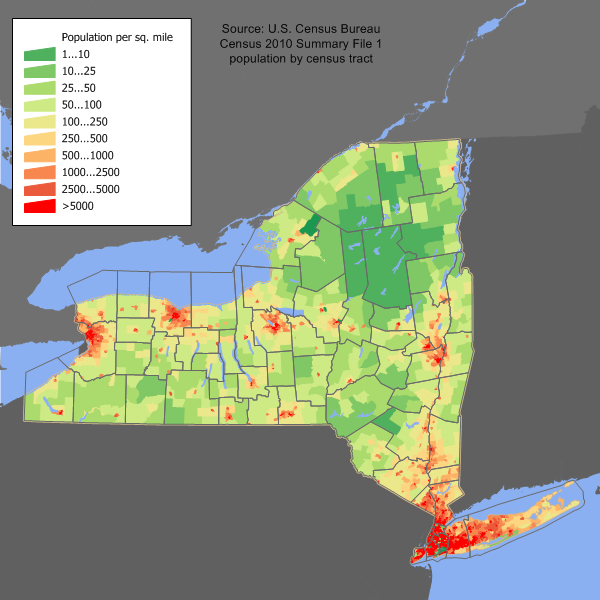
According to the 2020 US Census, the population of New York State was 20,201,249. This figure positions New York as the fourth-most populous state in the United States, a testament to its enduring appeal as a center for commerce, culture, and innovation. This substantial population is, however, not evenly distributed. It’s a tale of two distinct geographical and demographic realities: the overwhelmingly dense metropolitan area of New York City and the more rural, often picturesque, expanse of Upstate New York. This fascinating dichotomy profoundly influences everything from travel patterns and tourism hotspots to the availability and type of accommodation, offering a spectrum of lifestyles to residents and visitors alike.
The Diverse Demographics and Distribution of New York State
The population of New York State is a mosaic of cultures, ethnicities, and backgrounds, making it one of the most diverse states in the nation. This rich tapestry is largely concentrated in and around New York City, which alone accounts for a significant portion of the state’s total population.
New York City: A Global Microcosm
With a population of over 8.8 million people within its five boroughs – Manhattan, Brooklyn, Queens, The Bronx, and Staten Island – New York City stands as the most populous city in the United States. This incredible density creates a vibrant, bustling environment unlike anywhere else. The sheer number of people living, working, and visiting NYC shapes its identity as a global hub for finance, fashion, media, art, and entertainment.
This intense concentration of people directly impacts the travel and tourism experience. Landmarks like Times Square, the Statue of Liberty, and the Empire State Building are perpetually abuzz with activity, drawing millions annually. The diverse demographics contribute to an unparalleled cultural landscape, offering a myriad of culinary experiences, festivals, and artistic expressions from nearly every corner of the globe. Neighborhoods like Chinatown, Little Italy, and Harlem are living testaments to this melting pot, where local culture and food become key attractions for visitors.
For travelers, the high population density means an abundance of accommodation options, ranging from ultra-luxury hotels to budget-friendly apartments. However, it also translates to higher demand and often premium pricing, especially in prime locations such as Manhattan. Planning and booking accommodations well in advance, and perhaps considering options in outer boroughs like Brooklyn or Queens for a more local feel or better value, becomes a strategic move for many. The sheer number of visitors and residents also necessitates an extensive and efficient public transportation system, notably the Metropolitan Transportation Authority (MTA), which is integral to navigating the city.
Upstate New York: Nature’s Retreats and Quaint Communities
Beyond the sprawling metropolis, Upstate New York presents a dramatically different picture. Here, population density significantly decreases, giving way to vast natural landscapes, charming small towns, and vibrant regional cities. Major urban centers in Upstate New York include Buffalo, Rochester, Syracuse, and the state capital, Albany. While these cities have their own distinct populations and cultural offerings, they are far less dense than NYC.
The Adirondack Mountains and the Catskill Mountains, for instance, are characterized by their expansive wilderness areas and scattered, smaller communities. The Finger Lakes region boasts picturesque vineyards and tranquil lakeside towns. The population in these areas tends to be more homogenous, though still offering a friendly, welcoming atmosphere. The lifestyle here is often slower-paced, centered around outdoor activities, agriculture, and local crafts.

For tourists, Upstate New York offers a refreshing escape from the urban hustle. Destinations like Niagara Falls, Lake Placid, and Saratoga Springs attract visitors seeking natural beauty, historical sites, and recreational opportunities. Accommodation options range from cozy bed and breakfasts and rustic cabins to family-friendly resorts and boutique hotels in quaint towns. The pace of life and the smaller crowds contribute to a more relaxed travel experience, often appealing to families, nature enthusiasts, and those looking for budget-conscious travel alternatives compared to the city.
Population’s Influence on Travel Experiences and Tourism Infrastructure
The sheer scale and distribution of New York State’s population are fundamental in shaping its appeal as a global travel destination. This human element directly impacts the type of tourism, the robustness of infrastructure, and the cultural richness visitors encounter.
The Urban Pulse: High Density, High Demand
In New York City, the vast resident population provides a constant flow of economic activity that supports an unparalleled tourism infrastructure. From world-class hotels to a diverse array of restaurants, theaters, museums, and shopping districts, the city’s offerings cater to both its millions of inhabitants and its millions of annual visitors. The dense population ensures high demand for all services, leading to a competitive and innovative market. This means travelers benefit from a vast selection, but also need to be savvy about booking, reviews, and comparisons to find the best fit for their needs.
The constant churn of people also creates a dynamic cultural scene. Broadway shows, art installations at the Metropolitan Museum of Art or the Museum of Modern Art, and street performances are all fueled by the city’s enormous talent pool and audience. This high population density also creates unique travel challenges, such as navigating crowds in popular areas like Times Square or managing subway commutes during peak hours. However, it’s also this vibrant energy that many travelers seek, defining the quintessential New York experience.

Regional Gems: Lower Density, Unique Charms
Outside New York City, the lower population density cultivates a different kind of tourism. In the Hudson Valley, for example, historic estates, farm-to-table restaurants, and boutique wineries thrive, appealing to visitors seeking luxury travel with a focus on relaxation and gourmet experiences. The Finger Lakes region capitalizes on its scenic beauty and burgeoning wine industry, drawing tourists for wine tours, outdoor recreation, and serene accommodation like lakeside villas or charming guesthouses.
The Adirondacks and Catskills, with their vast wilderness, are havens for eco-tourism, hiking, skiing, and wildlife viewing. Here, the limited population ensures pristine natural environments and a sense of escape. Accommodation often reflects this, with rustic lodges, cabins, and adventure resorts being popular choices. While the infrastructure might be less extensive than in NYC, it is perfectly tailored to the regional offerings, providing authentic experiences that resonate with travelers seeking peace and adventure. Even along Long Island’s eastern tip, areas like the Hamptons and Montauk see their populations swell dramatically during summer, transforming sleepy towns into luxury travel destinations with high-end resorts and exclusive experiences, demonstrating how even seasonal population shifts can redefine an area’s tourism profile.
Demographics and Lifestyle Choices for Travelers
The diverse demographics of New York State create a rich tapestry of lifestyles, offering varied experiences for every type of traveler, from those on a luxury trip to those seeking budget-friendly family vacations or efficient business stays.
Cultural Richness and Culinary Delights
New York’s population is a testament to global immigration, making it one of the most culturally vibrant places on earth. This diversity is most evident in the state’s culinary scene. In New York City, virtually every cuisine imaginable is represented, from Michelin-starred fine dining to street food from various continents. The different cultural enclaves, such as the vibrant Washington Heights with its Dominican influences, offer immersive experiences through their food, music, and community events. This directly appeals to tourists looking to explore local culture and food as a primary part of their travel experience.
Beyond the city, Upstate New York’s demographics often mean a focus on local produce and regional specialties. The Finger Lakes area is famous for its farm-to-table movement and wineries, while cities like Buffalo boast unique culinary traditions, including its famous wings. These regional differences, driven by local populations and historical influences, offer distinct flavors and experiences for the intrepid food traveler.
Accommodation and Lifestyle Tailoring
Understanding the population distribution is key to making informed accommodation choices. If a traveler desires the bustling energy and endless attractions of a major city, New York City is the obvious choice. Here, options range from high-rise hotels in Midtown Manhattan catering to business stays and luxury travelers, to more unique apartment rentals in trendy neighborhoods, suitable for long-term stays or family trips. The abundance of options also allows for comparison and booking strategies to find competitive rates.
For those seeking a more tranquil or nature-focused lifestyle during their trip, Upstate New York provides a different set of opportunities. Family trips might gravitate towards resorts near attractions like Niagara Falls or theme parks. Budget travelers might find more affordable guesthouses or campsites in the Adirondacks. The seasonal population shifts in areas like Lake Placid, particularly during winter sports seasons or major events like those hosted at Cornell University, can significantly impact accommodation availability and pricing, making early booking crucial.
Moreover, the density of population also impacts the pace of life and travel. In New York City, everything moves quickly, from pedestrian traffic to public transport on the MTA. This fast-paced environment is invigorating for some, while others might prefer the more leisurely pace found in Upstate New York’s towns and rural areas. This choice between dynamism and tranquility, heavily influenced by population, dictates the overall vibe of a trip and the kind of experiences a traveler will have.
Planning Your Visit: Navigating New York’s Populated Landscape
For any prospective traveler, understanding the population of New York State is more than a statistic; it’s a compass for planning. It helps set expectations, informs travel strategies, and unlocks the full potential of this magnificent state.
Strategic Travel in Densely Populated Areas
When visiting New York City, awareness of its high population density can significantly enhance your experience. Consider visiting popular landmarks like Times Square or Grand Central Terminal during off-peak hours to avoid the most intense crowds. Utilizing the extensive MTA subway system is often the fastest way to travel between boroughs, minimizing traffic frustrations. For accommodation, exploring hotels in Brooklyn or Queens can offer a more authentic neighborhood experience at a potentially lower cost, while still providing easy access to Manhattan’s attractions. Long-term stay options like furnished apartments are also popular choices for those looking to immerse themselves in the city’s diverse communities.
For those seeking a more exclusive luxury travel experience, even within the city’s crowded environment, high-end suites and resorts offer havens of tranquility and personalized service. Conversely, budget travelers can leverage the vast number of hostel options, or utilize platforms for short-term apartment rentals to find economical stays. Events such as the New York City Marathon or seasonal festivals can dramatically increase temporary population and demand, so checking event calendars is always a wise pre-trip step.
Embracing the Serenity of Sparsely Populated Regions
Conversely, traveling through Upstate New York calls for a different approach. With fewer people and more expansive landscapes, personal vehicles or rental cars become more practical for exploring destinations like the Finger Lakes or the Adirondack Mountains. The New York State Thruway serves as a primary artery for connecting these regions.
Accommodation choices in these areas will often center around nature, wellness, or historical charm. Resorts in Lake Placid offer access to skiing and hiking, while boutique hotels in Saratoga Springs provide a blend of history and spa relaxation. The smaller, more intimate populations here mean that local interactions might be more frequent and personal, adding a unique layer to the travel experience. Consider exploring lesser-known towns or even Governors Island or Bear Mountain State Park for outdoor activities near NYC but with a more relaxed feel. Shopping experiences like Woodbury Common Premium Outlets also thrive in these less dense areas, drawing visitors seeking deals away from the urban core.
Ultimately, the population of New York State is a dynamic force that shapes every facet of its identity. From the towering urban canyons that pulsate with millions to the quiet, rolling hills dotted with close-knit communities, the human element profoundly influences the travel experiences, accommodation options, and lifestyle choices available to both residents and curious visitors. Whether you’re drawn by the magnetic pull of New York City’s global energy or the serene call of Upstate New York’s natural beauty, understanding its population dynamics is the first step towards an unforgettable journey through this extraordinary state that shares borders with Pennsylvania, New Jersey, Connecticut, Massachusetts, Vermont, and Canada.
LifeOutOfTheBox is a participant in the Amazon Services LLC Associates Program, an affiliate advertising program designed to provide a means for sites to earn advertising fees by advertising and linking to Amazon.com. Amazon, the Amazon logo, AmazonSupply, and the AmazonSupply logo are trademarks of Amazon.com, Inc. or its affiliates. As an Amazon Associate we earn affiliate commissions from qualifying purchases.