
The vast expanse of Texas, known affectionately as the Lone Star State, is not just a land of cowboys and oil derricks; it’s a dynamic, rapidly expanding economic and cultural hub that consistently ranks among the fastest-growing regions in the United States. Understanding its population is crucial for anyone interested in the state’s vibrant lifestyle, burgeoning tourism industry, diverse accommodations, and the multitude of experiences it offers. From its sprawling metropolitan areas to its charming small towns, Texas’s demographic story is one of continuous evolution, attracting millions seeking new opportunities, a different pace of life, or simply an unforgettable travel destination.
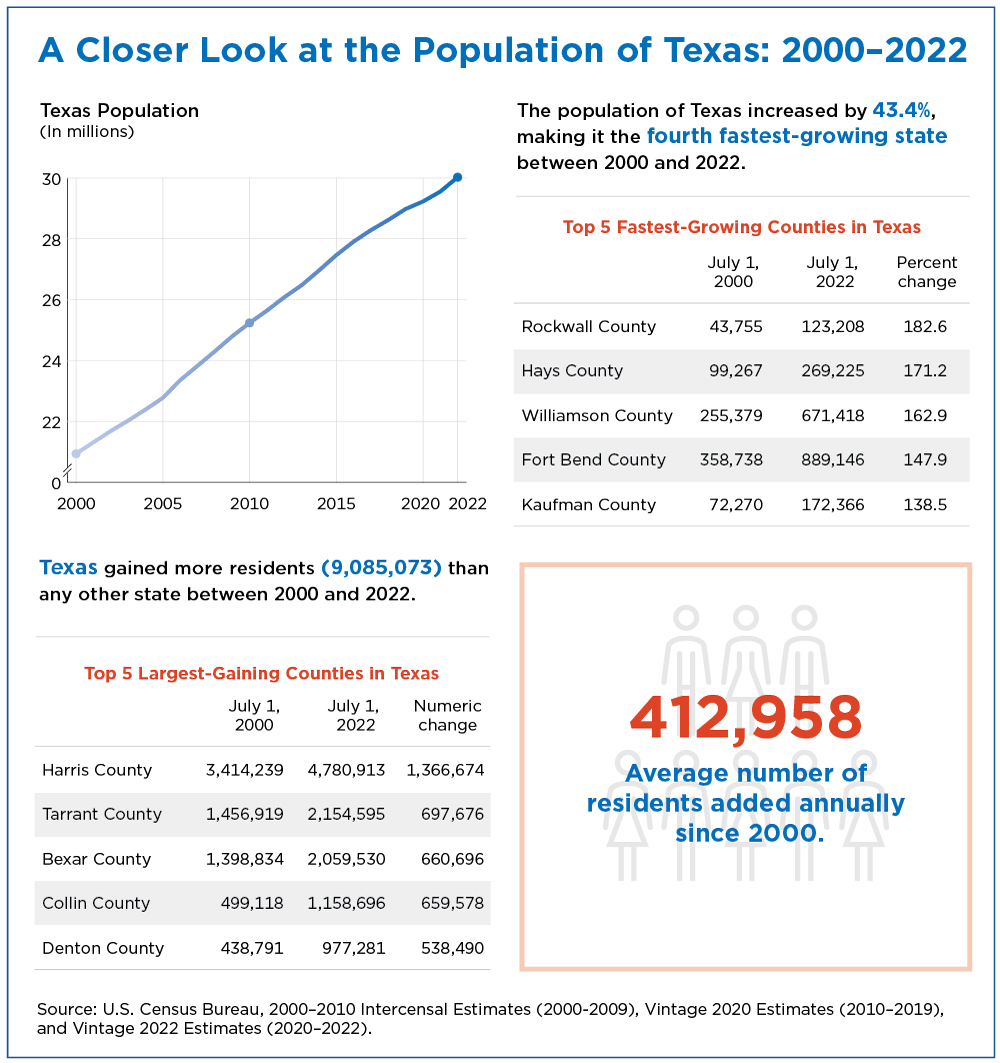
As of the most recent estimates, the population of Texas stands at approximately 30.5 million residents in 2023, solidifying its position as the second most populous state in the nation, trailing only California. This figure represents a monumental increase from just over 25 million in 2010, showcasing a growth rate that outpaces most other states. This demographic surge isn’t merely a statistic; it’s a driving force behind the state’s booming economy, its rich cultural tapestry, and the ever-expanding options for travelers, from luxurious resorts to budget-friendly stays, and unique local experiences found only in the heart of Texas.
The Lone Star State’s Booming Demographics
The story of Texas’s population is one of impressive and sustained growth, transforming its cities and landscapes at an astonishing rate. This demographic shift is profoundly influencing everything from urban development and infrastructure to the types of travel and lifestyle experiences available across the state.
A Closer Look at Texas’s Rapid Growth
For decades, Texas has been a magnet for both domestic and international migration. Between 2010 and 2020, the state added nearly 4 million new residents, accounting for a significant portion of the nation’s total population growth. This trend has continued unabated into the current decade, with hundreds of thousands of people choosing to call Texas home each year. This influx has not only swelled the ranks of its major cities but has also spurred development in suburban and even some rural areas, creating new destinations and expanding existing ones for tourists and long-term visitors alike.
This growth is particularly evident in the state’s major metropolitan statistical areas (MSAs), which consistently rank among the fastest-growing in the United States. These urban centers act as powerful engines of economic activity, cultural diversity, and innovation, drawing individuals and families looking for vibrant communities and promising futures. The sheer scale of this demographic expansion necessitates a continuous focus on infrastructure, housing, and public services, creating a dynamic environment that, while challenging, also presents immense opportunities for economic development and an enriched lifestyle.

Key Drivers of Population Increase
Several factors contribute to Texas’s appeal and its sustained population boom, influencing travel decisions and the overall tourism landscape:
- Robust Economy and Job Opportunities: Perhaps the most significant driver is the state’s incredibly diverse and resilient economy. Texas boasts leading sectors in energy, technology, healthcare, aerospace, manufacturing, and trade. Major corporations are consistently relocating or expanding their operations here, creating a wealth of job opportunities that attract talent from across the globe. This economic vitality directly impacts business travel and the demand for corporate accommodations, ranging from extended-stay suites to luxury hotels catering to executives and conference attendees.
- Business-Friendly Environment: Texas is known for its pro-business policies, including a lack of state income tax, which significantly lowers the cost of living and doing business compared to other major states. This environment encourages entrepreneurship and innovation, further fueling job creation and economic migration.
- Affordability (Relative to Other Major States): While housing costs have risen, Texas has historically offered a more affordable cost of living than coastal states like California or New York. This affordability, combined with robust job prospects, makes it an attractive option for families and young professionals.
- Diverse Geography and Lifestyle: From the sandy beaches of the Gulf Coast to the rolling hills of the Hill Country and the rugged beauty of West Texas, the state offers a wide range of natural landscapes and corresponding lifestyles. This geographical diversity provides endless possibilities for travel and outdoor activities, appealing to nature enthusiasts, adventure seekers, and those looking for tranquil retreats.
- Cultural Richness: The state’s unique blend of Southern, Western, and Mexican influences creates a rich cultural tapestry reflected in its food, music, art, and traditions. This cultural vibrancy is a major draw for tourists seeking authentic experiences and enriches the daily life of its residents.
Major Urban Centers: Population Hubs and Tourist Destinations
The growth of Texas’s population is most vividly observed in its major cities, which have transformed into bustling metropolises, each offering a distinct flavor for both residents and visitors. These urban hubs are not just population centers but also prime destinations for travel, hosting a wide array of attractions, accommodations, and lifestyle experiences.
Houston: A Global Metropolis
Houston stands as the most populous city in Texas and the fourth largest in the United States, boasting a metropolitan population well over 7 million. It’s a true global city, renowned for its energy industry, the NASA Johnson Space Center, and the world-class Texas Medical Center. For travelers, Houston offers an incredible array of experiences, from exploring the wonders of space at Space Center Houston to immersing oneself in art and culture within the Houston Museum District. The city’s diverse population translates into an unparalleled culinary scene, with authentic cuisines from every corner of the globe. Accommodation options are plentiful, ranging from luxurious downtown hotels and boutique stays in trendy neighborhoods like Montrose to convenient hotel suites near the airports, catering to both business and leisure travelers.
Dallas-Fort Worth: The Economic Powerhouse
The Dallas-Fort Worth Metroplex is the largest metropolitan area in Texas and one of the largest in the United States, with a combined population exceeding 8 million. This dynamic region is a major hub for corporate headquarters, finance, technology, and transportation, making it a critical center for business travel and conventions. Dallas dazzles with its upscale shopping, vibrant nightlife, and cultural institutions like the Dallas Arts District, home to world-class museums and performance venues. Sporting events are a huge draw, with facilities like AT&T Stadium hosting major games and concerts. Fort Worth, on the other hand, embraces its Western heritage, offering a distinct experience with the historic Fort Worth Stockyards National Historic District, rodeos, and a charming downtown. The accommodation landscape here is vast, from high-rise luxury hotels in Downtown Dallas to family-friendly resorts and practical apartment rentals suitable for long-term stays in the sprawling suburbs, ensuring every visitor finds their ideal lodging.
Austin: The Live Music Capital and Tech Boom
Austin, the state capital, has experienced explosive growth, pushing its metropolitan population past 2.5 million. It’s globally recognized as the “Live Music Capital of the World” and has simultaneously emerged as a major tech hub, often dubbed “Silicon Hills.” This unique blend of bohemian culture and high-tech innovation makes Austin an incredibly attractive place to live and visit. Iconic music festivals like SXSW and Austin City Limits Music Festival draw international crowds, while its burgeoning food scene, outdoor activities along Lady Bird Lake, and eclectic neighborhoods ensure there’s always something new to discover. The rapid population growth has led to a dynamic accommodation market, with boutique hotels, trendy hostels, and luxury resorts vying for visitors. Booking in advance is often recommended, especially during peak festival seasons, to secure the best rates and locations.

San Antonio: History, Culture, and Growth
San Antonio, with a metropolitan population nearing 2.7 million, is a city steeped in rich history and vibrant culture. It’s home to some of Texas’s most iconic landmarks, including The Alamo and the picturesque San Antonio Riverwalk, a network of walkways along the San Antonio River lined with shops, restaurants, and hotels. The city’s strong Mexican heritage is palpable in its architecture, cuisine, and numerous cultural festivals, offering an authentic taste of Tex-Mex life. While maintaining its historical charm, San Antonio also experiences steady population growth, driven by its military presence, healthcare sector, and growing tourism industry. Accommodation here often blends historic charm with modern amenities, offering unique stays from elegant hotels along the Riverwalk to cozy bed and breakfasts in historic districts, making it an ideal destination for those seeking a blend of leisure and cultural immersion.
The Diverse Tapestry of Texas: Culture, Lifestyle, and Tourism
The sheer scale and continuous growth of Texas’s population have created a melting pot of cultures, lifestyles, and experiences that are unparalleled. This demographic diversity isn’t just a statistic; it’s the very fabric that enriches the state, making it an incredibly compelling destination for travelers and an exciting place to live.
How Population Diversity Enriches the Texas Experience
Texas is one of the most ethnically diverse states in the United States, with significant Hispanic, African American, and Asian populations alongside its Anglo-American heritage. This multicultural blend is evident in every aspect of life, from the culinary landscape to its music, arts, and traditions.
- Culinary Delights: The state’s diverse population has birthed unique gastronomic fusions. Beyond traditional Texas BBQ and authentic Tex-Mex, you’ll find world-class Vietnamese cuisine in Houston, vibrant Ethiopian restaurants in Dallas, and innovative fusion dining in Austin. Food tours and local eateries become essential components of any travel guide, offering visitors an authentic taste of this diversity.
- Festivals and Events: Throughout the year, Texas hosts a calendar full of festivals celebrating its various cultures. From Diez y Seis de Septiembre celebrations in San Antonio to Asian Night Markets in Houston and Juneteenth festivals across the state, these events offer immersive cultural experiences that draw tourists and foster community spirit.
- Arts and Music: The musical genres born in or significantly influenced by Texas – including country, blues, Tejano, and rock – reflect its diverse roots. Art galleries, museums, and performance venues showcase a wide range of artistic expressions, from traditional Western art to contemporary installations reflecting modern multicultural perspectives. This rich cultural scene provides endless opportunities for entertainment and learning, enhancing the overall travel experience.
Implications for Travel, Accommodation, and Local Culture
The growing and diverse population of Texas has significant implications for the travel and tourism industry. The demand for varied accommodation options reflects the diverse needs and preferences of both residents and visitors.
- Accommodation Variety: The booming population, coupled with increasing tourism, drives the need for a broad spectrum of accommodation. This includes luxury resorts catering to high-end travelers and business stays, boutique hotels offering unique experiences, budget-friendly hotels for family trips or longer explorations, and an expanding market for vacation rentals and serviced apartments for those seeking a home-away-from-home or long-term stay options. Websites for booking, reviews, and comparison become indispensable tools for travelers navigating this rich landscape.
- Tailored Experiences: Tour operators and local businesses are increasingly curating experiences that appeal to diverse interests – from historical tours focusing on specific cultural heritage to culinary journeys exploring regional flavors. Guides often highlight hidden gems and local secrets that offer an authentic glimpse into Texas life, far beyond the typical tourist traps.
- Infrastructure Development: Sustaining a growing population and burgeoning tourism requires constant investment in infrastructure. This includes expanding airports, improving road networks, and developing public transportation options, all of which contribute to a smoother and more accessible travel experience.
- Preserving Local Culture: Amidst rapid development, there is a concerted effort to preserve the unique local cultures and historic landmarks that define Texas. This balance between modernization and preservation ensures that the state’s rich heritage remains accessible and engaging for future generations of residents and tourists alike. The diverse lifestyle options, from bustling urban centers to serene natural parks, cater to every preference, ensuring that every visitor can find their ideal Texas experience.
Looking Ahead: The Future of Texas’s Population and Its Impact
The trajectory of Texas’s population growth shows no signs of slowing down. Projections indicate that the state will continue to be a national leader in demographic expansion for the foreseeable future, potentially reaching 40 million residents by the mid-2040s. This continued growth presents both exciting opportunities and significant challenges.
Opportunities:
- Continued Economic Prosperity: A growing population generally translates to a larger workforce, increased consumer demand, and sustained economic expansion. This will further solidify Texas’s position as an economic powerhouse, attracting more businesses and fostering innovation across various sectors.
- Enhanced Diversity and Cultural Exchange: The influx of people from different backgrounds will further enrich the state’s cultural fabric, leading to even more diverse culinary, artistic, and social experiences. This constant evolution ensures that Texas remains a vibrant and engaging place for residents and an endlessly fascinating destination for tourists.
- Innovation in Tourism and Accommodation: As the population grows and diversifies, so too will the demands on the tourism and accommodation sectors. This will spur innovation in hotel design, travel experiences, and leisure activities, ensuring that Texas continues to offer cutting-edge and appealing options for every type of traveler. From eco-tourism initiatives in its vast state parks to the development of new luxury resorts and entertainment venues, the future promises an even richer tapestry of choices.
Challenges:
- Infrastructure Strain: Rapid population growth inevitably puts pressure on existing infrastructure, including roads, public transportation, water resources, and utilities. Managing this growth effectively through smart urban planning and strategic investment will be critical to maintaining the quality of life for residents and ensuring seamless travel experiences for visitors.
- Housing Affordability: While Texas has historically been more affordable than some other major states, the increased demand driven by population growth has led to rising housing costs. Addressing this challenge will be key to retaining its appeal as an accessible place to live and fostering diverse communities.
- Environmental Concerns: Managing the environmental impact of a larger population, particularly regarding water conservation and urban sprawl, will be a crucial consideration for sustainable growth. Balancing development with the preservation of natural landscapes and resources is paramount for long-term ecological health and the continued appeal of Texas’s natural attractions.
In conclusion, the population of Texas is not just a number; it’s a living, breathing testament to the state’s enduring appeal. This demographic dynamism fuels its economy, enriches its culture, and continuously shapes its identity as a premier destination for travel, accommodation, and diverse lifestyle choices. Whether you’re considering a brief visit to explore its famous landmarks, a long-term stay to immerse yourself in its unique atmosphere, or a relocation for new opportunities, understanding the pulse of Texas’s population provides invaluable insight into what makes this extraordinary state tick. Its future promises even greater vibrancy, offering endless discoveries for those who choose to experience the vast and captivating Lone Star State.
LifeOutOfTheBox is a participant in the Amazon Services LLC Associates Program, an affiliate advertising program designed to provide a means for sites to earn advertising fees by advertising and linking to Amazon.com. Amazon, the Amazon logo, AmazonSupply, and the AmazonSupply logo are trademarks of Amazon.com, Inc. or its affiliates. As an Amazon Associate we earn affiliate commissions from qualifying purchases.