
The Los Angeles area is a sprawling metropolis, a vibrant tapestry woven from diverse cultures, iconic landmarks, and an undeniable allure that draws millions to its sun-drenched shores each year. While its fame often rests on the glitz of Hollywood and the sandy beaches of Santa Monica, understanding the sheer scale of its population is key to appreciating its dynamic complexity. This vast region isn’t just a destination; it’s a thriving ecosystem of human activity, a testament to urban growth and a magnet for opportunity.
The question “What is the population of the Los Angeles area?” might seem straightforward, but the answer depends on how you define “the Los Angeles area.” Geographically and demographically, this region encompasses a multitude of cities, counties, and statistical areas, each contributing to the overall demographic mosaic. To truly grasp the population of Los Angeles, we need to delve into its various definitions and the sheer numbers they represent.

Defining the Los Angeles Area: Beyond the City Limits
When most people think of Los Angeles, they often picture the city itself. However, the true “Los Angeles area” extends far beyond the administrative boundaries of the City of Los Angeles. This expansive urban agglomeration is best understood by examining its different statistical and geographical definitions.
The Core: The City of Los Angeles
The City of Los Angeles itself is a colossal entity. As of recent estimates, its population hovers around 3.9 million people. This makes it the most populous city in California and the second-most populous city in the United States, trailing only New York City. This figure represents a dense concentration of residents, a melting pot of ethnicities, and a driving force behind the region’s economy and culture. Within the city limits, you’ll find world-renowned attractions like the Hollywood Walk of Fame, the Griffith Observatory, and the vibrant neighborhoods of Downtown Los Angeles and Beverly Hills. The sheer density of people within this core city creates a unique urban experience, characterized by bustling streets, diverse culinary scenes, and a constant hum of activity.
The Wider Reach: Los Angeles County
To comprehend the true scale of the “Los Angeles area,” it’s crucial to look at Los Angeles County. This administrative division is the most populous county in the entire United States, boasting a population that dramatically dwarfs that of the city alone. Current estimates place the population of Los Angeles County at over 10 million people. This vast county encompasses not only the City of Los Angeles but also dozens of other incorporated cities, including Long Beach, Santa Monica, Pasadena, and Malibu. It stretches from the Pacific coast inland, encompassing diverse landscapes from urban centers to mountainous terrains. This expansive population base fuels the region’s economy, supports its extensive infrastructure, and contributes to its rich cultural diversity. When people refer to the “Los Angeles area,” they are very often thinking about the demographic and economic powerhouse that is Los Angeles County.
The Metropolitan Giant: The Los Angeles Metropolitan Area
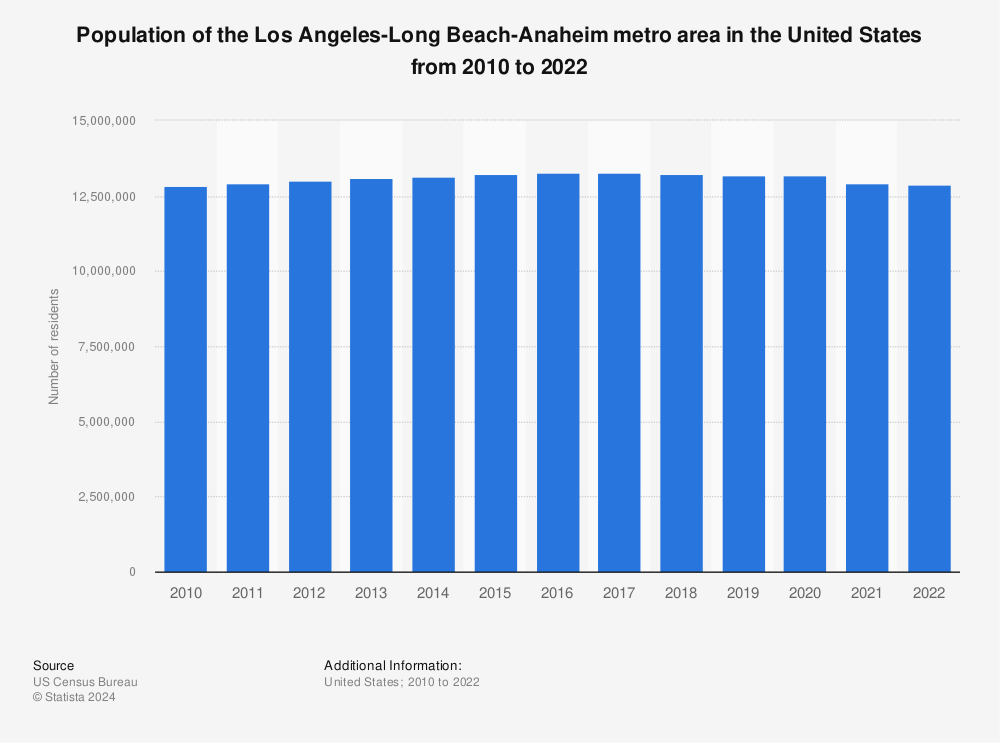
For even broader statistical analysis and understanding of economic and social interconnectedness, demographers and urban planners often refer to the Los Angeles Metropolitan Area. This designation typically includes Los Angeles County and its surrounding counties, which share significant economic and social ties. The most common definition of the Los Angeles Metropolitan Area includes Los Angeles County, Orange County, Riverside County, San Bernardino County, and Ventura County. Under this definition, the population of the Los Angeles Metropolitan Area soars to an astonishing figure, exceeding 18 million people. This colossal population makes it the second-largest metropolitan area in the United States, after the New York metropolitan area. This metropolitan definition captures the true essence of the Los Angeles region as a vast, interconnected urban organism, where commuting patterns, economic activity, and cultural influences stretch across multiple counties. Traveling through this area, whether by car or public transport, offers a glimpse into the sheer scale of human settlement and the constant flow of people that defines this megacity.
Factors Influencing the Los Angeles Population
The sheer size and continued growth of the Los Angeles population are not accidental. A confluence of economic, social, and geographical factors has historically drawn and continues to retain a vast number of residents.

Economic Opportunities and Industry Diversity
Historically, Los Angeles has been a land of opportunity. Its economy has diversified significantly from its roots in agriculture and oil. Today, key industries include entertainment (film, television, music), aerospace, technology, international trade, tourism, and healthcare. This broad economic base provides a wide range of employment opportunities, attracting individuals and families from across the United States and around the world. The presence of major corporations, innovative startups, and world-class universities like the University of California, Los Angeles (UCLA) and the University of Southern California (USC) further fuels this economic magnetism. The promise of career advancement and a prosperous future remains a primary driver for migration to the Los Angeles area.
Lifestyle and Cultural Appeal
Beyond economic drivers, the Los Angeles lifestyle holds a powerful appeal. The region is synonymous with a relaxed, outdoor-oriented way of life, epitomized by its iconic beaches, parks, and outdoor recreational activities. From surfing at Malibu to hiking in the Santa Monica Mountains, there are endless opportunities to enjoy the natural beauty of the area. Culturally, Los Angeles is a global hub, boasting a vibrant arts scene, world-class museums like the Getty Center, diverse culinary experiences, and a rich tapestry of ethnic enclaves. The city’s multicultural identity is a significant draw, offering a welcoming environment for people of all backgrounds. This blend of opportunity and an enviable lifestyle makes Los Angeles a desirable place to live, work, and raise a family.
Geographical Draw and Climate
The Mediterranean climate of Los Angeles is another significant factor contributing to its population growth. With mild, wet winters and warm, dry summers, the region offers pleasant weather year-round, encouraging outdoor activities and a generally high quality of life. The stunning natural landscapes, including the Pacific Ocean, the San Gabriel Mountains, and vast stretches of coastline, provide a breathtaking backdrop to urban life. These geographical advantages, coupled with the economic and cultural draws, create a powerful synergy that continues to attract people to the area.
The Impact of Population Size on Travel and Tourism
The enormous population of the Los Angeles area has a profound impact on how visitors experience the region, shaping everything from the types of accommodations available to the kinds of activities on offer.
Diverse Accommodation Options
The sheer number of residents and visitors necessitates a wide array of accommodation options. From luxurious resorts along the coast to boutique hotels in trendy neighborhoods and budget-friendly motels, there is something to suit every traveler’s needs and budget. The demand for extended stays has also led to a proliferation of apartments and villas available for rent, catering to families or those seeking a more home-like experience. Whether you’re looking for a lavish suite at the Beverly Wilshire, A Four Seasons Hotel, a family-friendly resort near Disneyland, or a charming guesthouse in Santa Monica, the Los Angeles area offers an unparalleled selection.
Abundance of Attractions and Experiences
A large population density means a constant demand for entertainment and leisure. This translates into a staggering number of attractions and experiences. Iconic landmarks like the Hollywood Sign, Universal Studios Hollywood, and the Walt Disney Concert Hall draw millions annually. Beyond the major tourist spots, the Los Angeles area boasts countless museums, galleries, performance venues, and theme parks. The culinary scene is exceptionally diverse, reflecting the multicultural makeup of the population, with everything from Michelin-starred restaurants to hole-in-the-wall eateries serving authentic global cuisine. Exploring local culture through neighborhood festivals, farmer’s markets, and art walks provides a deeper connection to the vibrant communities that call Los Angeles home.
Navigating the Urban Landscape
The expansive nature of the Los Angeles area, coupled with its large population, presents unique challenges and opportunities for travelers. Understanding the transportation landscape is crucial. While the Los Angeles metropolitan area is known for its car-centric culture, public transportation options are improving, with a growing network of light rail and bus lines. For those preferring to drive, planning routes to avoid peak traffic hours is essential. The sheer scale means that experiencing different parts of the Los Angeles area might require dedicated time and planning, whether it’s exploring the beaches of Orange County, the artistic enclaves of Pasadena, or the cultural richness of Downtown Los Angeles. Ultimately, the immense population of the Los Angeles area is not just a statistic; it’s the lifeblood that animates this dynamic and unforgettable region.