
Nestled in the heart of the American West, the State of Colorado has long captivated imaginations with its majestic Rocky Mountains, expansive plains, and vibrant urban centers. From the Continental Divide to the Great Plains, this landlocked state offers a unique blend of natural beauty, outdoor adventure, and cultural richness. A critical aspect defining Colorado’s character and future, especially for those interested in travel, tourism, and lifestyle experiences, is its rapidly evolving population. The number of people calling Colorado home profoundly impacts everything from the availability of accommodations to the vibrancy of its local cultures and the sustainability of its cherished natural landmarks.

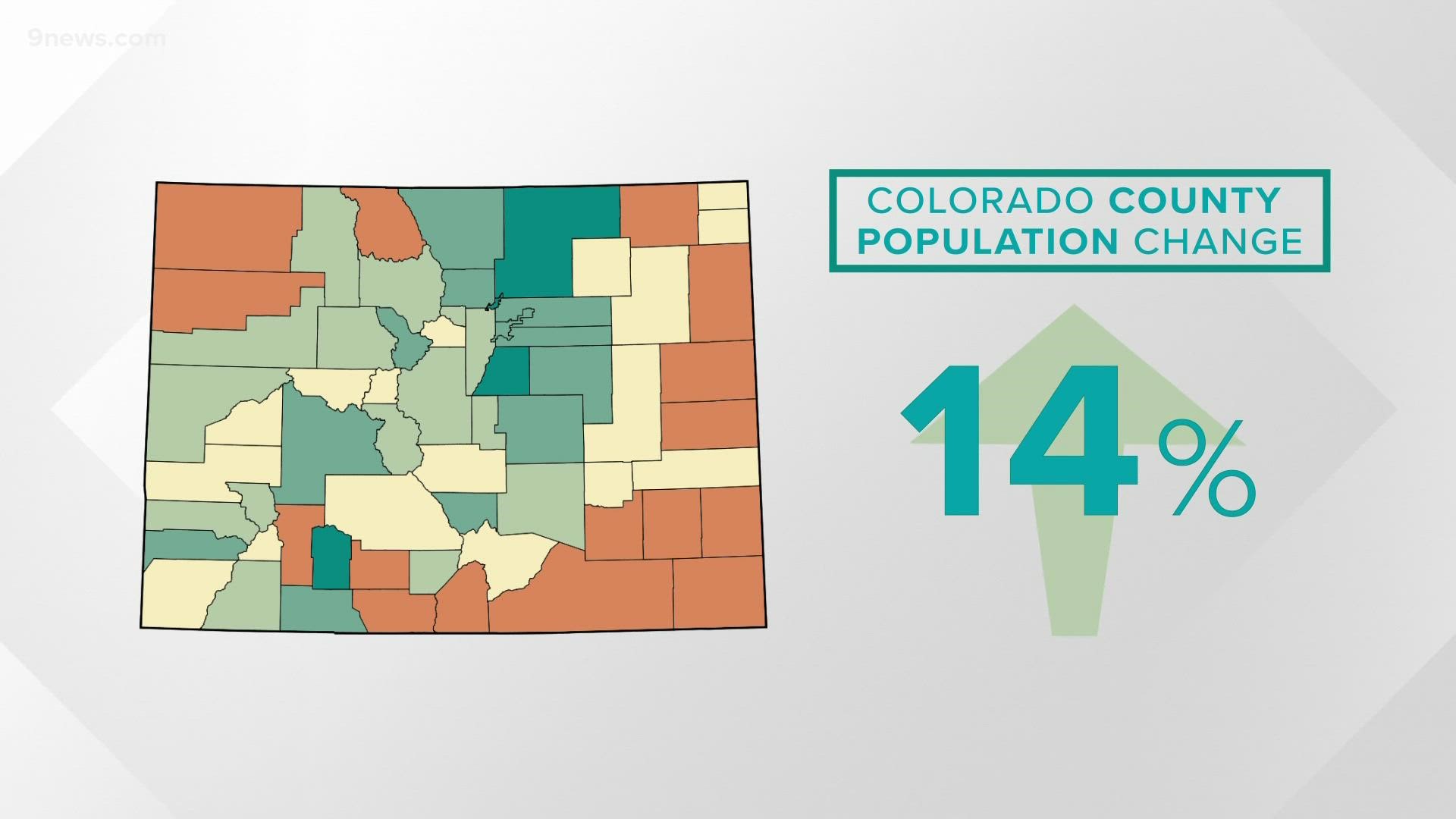
As of the latest estimates, the population of the State of Colorado hovers around 5.8 to 5.9 million residents. This figure represents a significant increase over the past few decades, making Colorado one of the fastest-growing states in the United States. This growth is not merely a statistic; it’s a dynamic force shaping the state’s economy, infrastructure, social fabric, and, crucially, its tourism and hospitality sectors. Understanding this demographic shift is essential for travelers planning their next adventure, businesses seeking new opportunities, and residents navigating their changing communities.
Colorado’s Growing Population: A Demographic Overview
The story of Colorado’s population is one of consistent and often rapid expansion, fueled by its attractive lifestyle, robust economy, and unparalleled natural beauty. Historically, population booms in Colorado can be traced back to the Pike’s Peak Gold Rush in the mid-19th century. Subsequent waves of migration were driven by mining, agriculture, and later, the allure of the state’s dry climate for health reasons. In more recent decades, particularly since the late 20th century, Colorado has experienced a sustained surge in residents, attracting individuals and families from across the nation and around the globe.
The latest available data from agencies like the U.S. Census Bureau indicates a population figure that consistently places Colorado among the top 20 most populous states. The growth rate has often outpaced the national average, a testament to its strong appeal. This demographic shift is largely concentrated in the urban corridor known as the Front Range, stretching from Fort Collins in the north, through Denver and Aurora, down to Colorado Springs and Pueblo in the south.
- Denver Metropolitan Area: As the state capital and largest city, Denver and its surrounding suburbs form the economic and cultural heart of Colorado, accounting for a significant portion of the state’s total population. The vibrant job market, particularly in tech, aerospace, and renewable energy, continues to draw new residents.
- Colorado Springs: Home to numerous military installations and a burgeoning tech sector, Colorado Springs offers a blend of urban amenities and direct access to natural wonders like Garden of the Gods.
- Boulder: Known for its progressive culture, the University of Colorado Boulder, and a strong outdoor recreational scene, Boulder attracts a diverse population seeking a high quality of life.
- Northern Colorado: Cities like Fort Collins and Greeley have also experienced substantial growth, driven by agriculture, manufacturing, and higher education.
The demographic composition of Colorado is also becoming increasingly diverse. While historically predominantly Caucasian, the state is seeing a steady increase in its Hispanic/Latino, Asian, and African American populations, particularly in its urban centers. This diversity enriches the state’s cultural landscape, influencing its culinary scene, artistic expressions, and community events, which are vital components of any authentic travel experience. The relatively young median age, coupled with a highly educated workforce, contributes to a dynamic and innovative environment that benefits both residents and visitors.
The Interplay of Population and Tourism in Colorado
The robust growth of Colorado’s population has a profound and multifaceted impact on its tourism industry, which is a cornerstone of the state’s economy. A larger population means a greater local demand for attractions, restaurants, and hospitality services, fostering a more vibrant and diverse offering for out-of-state visitors. It also creates a skilled workforce for the tourism sector, from hotel staff to adventure guides.
However, growth also presents challenges. Increased visitation, both from residents and tourists, places greater strain on popular destinations, natural resources, and existing infrastructure. This necessitates a careful balance between promoting tourism and ensuring its sustainability, a key consideration for Travel and Tourism in the state.
Iconic Landmarks and Natural Wonders
Colorado’s natural beauty is its primary draw, and its growing population means more people are actively engaging with these treasures. Landmarks like Rocky Mountain National Park, consistently one of the most visited national parks in the United States, see millions of visitors annually. Its majestic peaks, alpine lakes, and abundant wildlife offer unparalleled experiences for hikers, photographers, and nature enthusiasts. Similarly, the unique red rock formations of Garden of the Gods near Colorado Springs attract a constant stream of admirers, as does the historic Pikes Peak Highway leading to the summit of “America’s Mountain.”
Other significant natural attractions include the vast, shifting dunes of Great Sand Dunes National Park and Preserve, the ancient cliff dwellings of Mesa Verde National Park (a UNESCO World Heritage Site offering deep insights into ancestral Pueblo culture), and the breathtaking geological formations of Black Canyon of the Gunnison National Park. Beyond national parks, cultural landmarks like Red Rocks Amphitheatre near Morrison not only serve as a world-renowned concert venue but also as a popular park for recreation and stunning views. In Denver, landmarks like the historic Union Station and the architecturally striking Denver Art Museum represent the state’s urban cultural offerings. The increased population provides a larger base of local visitors, helping sustain these sites and contributing to their vibrant atmospheres.
Accommodation and Hospitality in a Growing State
The booming population directly impacts the accommodation sector, making Colorado a dynamic market for hotels, resorts, apartments, and villas. Both short-term stays for tourists and long-term stays for new residents or extended business trips are in high demand. This has led to a proliferation of options across all lifestyle and budget categories.
- Luxury Resorts: For those seeking luxury travel, Colorado boasts world-class resorts like The Broadmoor in Colorado Springs, renowned for its historic elegance and comprehensive amenities, and the St. Regis Aspen Resort, offering unparalleled service in the heart of the mountains. These establishments cater to discerning travelers with opulent suites, fine dining, and bespoke experiences.
- Boutique Hotels and Urban Stays: In cities like Denver and Boulder, the growth in population has spurred the development of stylish boutique hotels and modern city-center apartments, often offering unique designs and local charm. These cater to business stays and urban explorers alike.
- Mid-Range and Budget-Friendly Options: To accommodate the diverse needs of both residents and visitors, a wide array of mid-range hotels and budget-friendly motels and inns are available throughout the state, particularly in gateway towns to national parks and along major highways. Comparison websites and reviews are essential tools for travelers seeking the best value.
- Vacation Rentals and Villas: The popularity of platforms for booking vacation rentals has surged, providing travelers with options ranging from cozy mountain cabins to spacious urban villas, ideal for family trips or groups. This sector also supports long-term stays for those exploring relocation or extended work projects.
The competitive nature of the market means that accommodation providers are continually enhancing their amenities and services, from sustainable practices to personalized concierge services, all aimed at improving the overall experience for visitors.
Lifestyle and Experiences: Catering to a Diverse Populace
The expanding population brings a rich tapestry of lifestyles and preferences to Colorado, influencing the range of activities, food, and cultural experiences available. This diversity enriches the tourism landscape, offering something for every type of traveler.
Exploring Colorado’s Cities and Towns
Colorado’s cities and towns each possess a distinct character, shaped by their geography, history, and growing populations.
- Denver: The Mile High City is a bustling metropolis offering a sophisticated urban lifestyle. Its burgeoning food scene, with diverse cuisines and farm-to-table restaurants, along with an explosion of craft breweries and distilleries, reflects the varied tastes of its residents. Areas like Larimer Square showcase historic architecture alongside trendy boutiques and eateries. Denver is also a hub for arts and culture, with numerous museums, theaters, and live music venues, catering to both locals and visitors.
- Boulder: Epitomizing the active, outdoor lifestyle, Boulder is a mecca for hiking, biking, and climbing, with the iconic Flatirons providing a stunning backdrop. Its health-conscious community supports organic markets, vegan restaurants, and wellness retreats, making it a unique destination for those seeking a holistic experience.
- Aspen: Synonymous with luxury travel and world-class skiing, Aspen offers an exclusive mountain experience. Beyond its slopes, it’s a vibrant arts and culture center, hosting film festivals, music events, and art galleries that cater to its affluent residents and visitors. Other premier ski destinations like Vail, Breckenridge, Steamboat Springs, and Telluride offer similar high-end amenities and stunning natural settings, each with its unique charm.
- Colorado Springs: Offering a blend of military tradition and natural wonders, Colorado Springs provides a more laid-back lifestyle with abundant outdoor activities like hiking and white-water rafting on the Arkansas River.
- Durango and Grand Junction: These cities on the Western Slope offer different facets of Colorado life. Durango is a historic railroad town gateway to the San Juan Mountains, popular for scenic train rides and adventure sports. Grand Junction is the heart of Colorado’s wine country and a hub for mountain biking, reflecting the agricultural and outdoor aspects of the state.
The increased population ensures a steady demand for varied activities, from family-friendly attractions like amusement parks and zoos to extreme sports and backcountry adventures. This drives innovation in the tourism sector, leading to a wider range of guides and specialized experiences for every interest. Tips for visitors often include booking in advance, especially during peak seasons, and exploring less-traveled areas to avoid crowds, a direct consequence of the state’s popularity.

The Future of Colorado: Balancing Growth and Sustainability
The trajectory of Colorado’s population growth presents both significant opportunities and considerable challenges for its future. On one hand, a growing population signifies a thriving economy, attracting talent and fostering cultural dynamism. It supports a diverse and evolving tourism industry, generating revenue that can be reinvested in infrastructure and conservation efforts.
On the other hand, rapid growth places immense pressure on the state’s natural resources, infrastructure, and housing market. Increased traffic, rising cost of living, and the need for expanded public services are pressing issues. For the travel and tourism sectors, this translates into potential overcrowding at popular destinations, increased demand for accommodation, and the need for thoughtful planning to preserve the very qualities that make Colorado so attractive.
The future success of Colorado will depend on its ability to navigate these complexities. Sustainable tourism initiatives, responsible development, and smart urban planning are critical. Efforts to disperse visitors to lesser-known areas, promote off-season travel, and invest in public transportation are becoming increasingly important. Conservation efforts for landmarks and natural areas, such as those overseen by Colorado Parks and Wildlife and the National Park Service, are vital to ensure that Colorado’s breathtaking landscapes remain accessible and pristine for future generations of residents and visitors.
In conclusion, the population of the State of Colorado, hovering near 5.9 million and continuing to grow, is a powerful indicator of its allure. This demographic vitality is intrinsically linked to its thriving travel, hotels, tourism, accommodation, landmarks, and lifestyle offerings. While growth brings its challenges, it also fosters a vibrant, diverse, and innovative environment that continues to define Colorado as a premier destination for living, working, and experiencing the majestic beauty of the American West. Understanding these dynamics is key to appreciating the full scope of what Colorado has to offer.
LifeOutOfTheBox is a participant in the Amazon Services LLC Associates Program, an affiliate advertising program designed to provide a means for sites to earn advertising fees by advertising and linking to Amazon.com. Amazon, the Amazon logo, AmazonSupply, and the AmazonSupply logo are trademarks of Amazon.com, Inc. or its affiliates. As an Amazon Associate we earn affiliate commissions from qualifying purchases.