
Florida, often affectionately known as the Sunshine State, stands as a beacon for millions, drawing in residents and visitors alike with its unparalleled natural beauty, vibrant culture, and robust economy. From its sun-drenched beaches and world-famous theme parks to its bustling urban centers and tranquil natural preserves, Florida offers a diverse tapestry of experiences. This allure is directly reflected in its burgeoning population, making it one of the fastest-growing states in the United States. Understanding Florida’s population isn’t just about a number; it’s about grasping the dynamic forces that shape its economy, infrastructure, and the daily lives of its inhabitants, profoundly influencing everything from travel and tourism trends to accommodation demands and lifestyle choices.
According to the latest estimates from the U.S. Census Bureau, the population of the State of Florida is approximately 22.6 million residents as of July 2023. This significant figure places Florida as the third-most populous state in the nation, a testament to its enduring appeal and economic vitality. This substantial population base is not static; it is constantly evolving, driven by powerful internal and external migratory patterns, birth rates, and the state’s undeniable magnetic pull for those seeking a new beginning or a more vibrant way of life. Delving deeper into this demographic landscape reveals much about the state’s character and future trajectory.
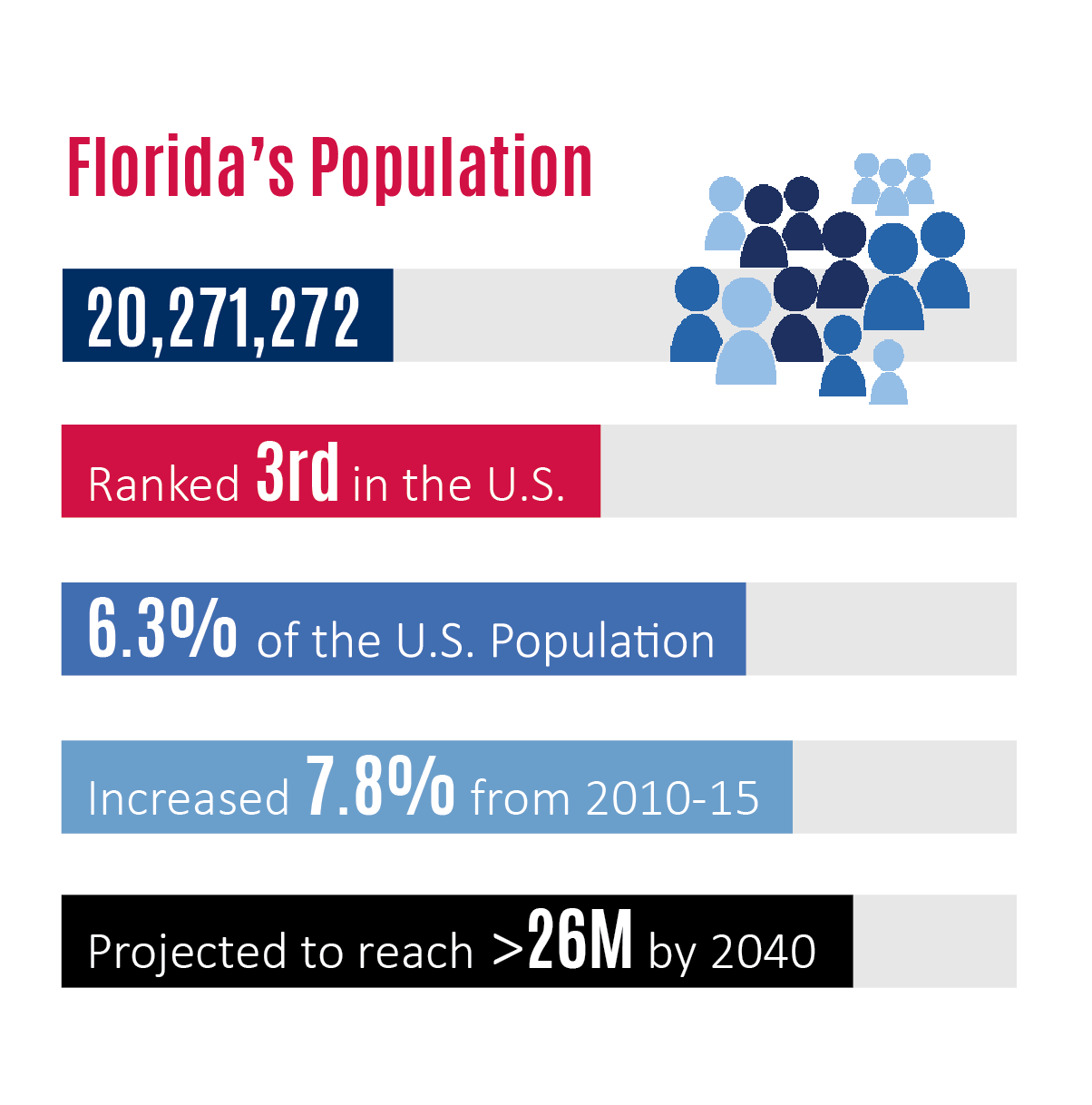
Florida’s Dynamic Demographic Landscape
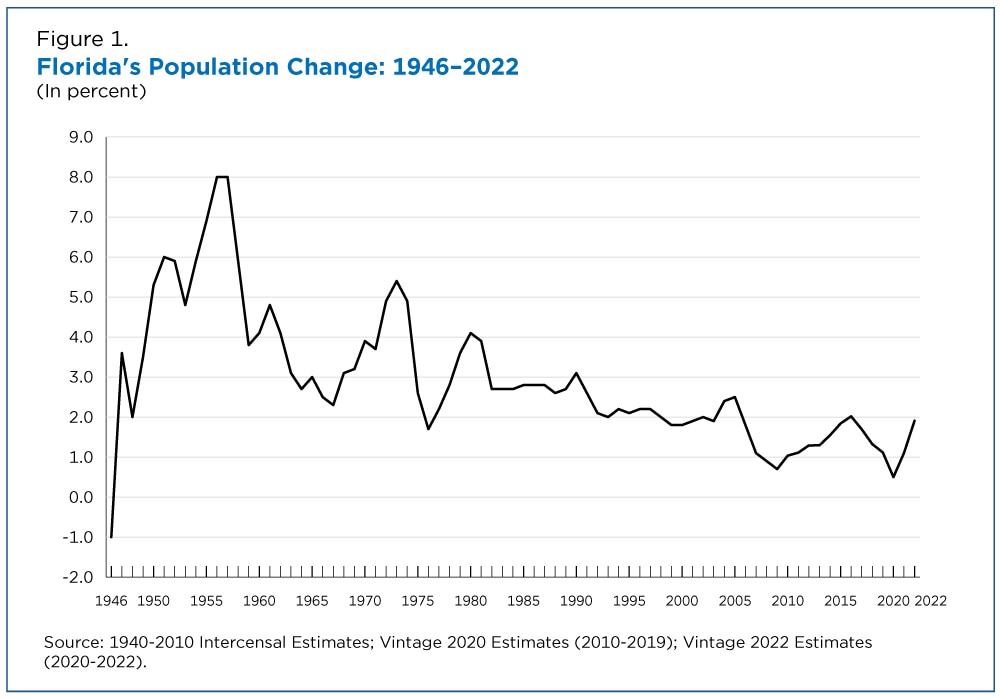
The story of Florida’s population is one of rapid and sustained growth. Over the past few decades, the state has consistently ranked among the top states for net migration, welcoming thousands of new residents each year. This influx is not accidental; it is a culmination of various attractive factors that create a unique demographic profile.
Population Growth & Trends: A Magnet for Many
The primary driver of Florida’s population surge is net migration. People move to Florida for a multitude of reasons, often encapsulated by the promise of the “Sunshine State” ideal. The favorable climate, particularly appealing to those seeking an escape from harsher winters, makes it a prime destination for retirees. This has led to a notable demographic characteristic: a significant proportion of its population is over 65, making Florida a hub for active senior living. However, it’s not just retirees; younger families and professionals are also flocking to the state, drawn by a growing job market, lower taxes compared to many other states, and a perceived higher quality of life. Industries like technology, healthcare, finance, and logistics are expanding, diversifying the economy beyond its traditional reliance on tourism and agriculture.
The state’s ethnic and cultural diversity is another defining feature. With a rich history of immigration, particularly from Latin American and Caribbean nations, Florida boasts a vibrant multicultural fabric. Cities like Miami, for instance, are renowned for their strong Cuban and Latin American influences, evident in their cuisine, music, and daily life. This diversity enriches the state, fostering a dynamic environment that celebrates various traditions and perspectives. The continuous influx of people from different backgrounds contributes to a continually evolving demographic landscape, where the blending of cultures creates a unique Florida identity.
Major Population Centers: Urban Hubs and Coastal Havens
While Florida is known for its sprawling natural beauty, its population is largely concentrated in distinct urban and coastal corridors. These major population centers serve as economic engines and cultural epicenters, each offering its own distinct flavor and appeal.
- Jacksonville: As the largest city by land area in the contiguous United States and the most populous city in Florida, Jacksonville in the northeast offers a blend of Southern charm, a thriving financial sector, and significant military presence. Its deep-water port is a crucial economic asset, and its coastal proximity provides ample recreational opportunities.
- Miami Metropolitan Area: Located in the southeastern part of the state, the Miami metropolitan area is the largest in Florida and a global hub for finance, commerce, culture, and the arts. Its iconic beaches like South Beach, vibrant nightlife, and strong Latin American influence make it a unique and highly desirable place to live and visit. It’s a major port for cruises and international travel, attracting a cosmopolitan population.
- Orlando Metropolitan Area: Situated in Central Florida, Orlando is globally recognized as the “Theme Park Capital of the World.” Home to Walt Disney World Resort, Universal Orlando Resort, and numerous other attractions, Orlando draws millions of tourists annually. This robust tourism industry supports a massive service sector, influencing its population growth and the rapid development of hotels, resorts, and diverse accommodation options.
- Tampa Bay Area: On the Gulf Coast of Florida, the Tampa Bay area (including Tampa, St. Petersburg, and Clearwater) offers a more laid-back coastal lifestyle with a strong job market, particularly in healthcare, technology, and finance. Its beautiful beaches, cultural institutions, and sports teams make it an attractive option for both residents and tourists.
These urban centers, along with other growing areas like St. Augustine, Naples, and Gainesville, exemplify the state’s diverse appeal and the concentrated nature of its population growth.
The Interplay of Population and Tourism
Florida’s population and its world-renowned tourism industry are inextricably linked, each fueling the growth and development of the other. The sheer volume of residents supports a robust local economy, which in turn enhances the state’s appeal to visitors. Conversely, the massive influx of tourists creates job opportunities and economic activity that attracts more permanent residents.
Tourism as a Driver of Growth
Tourism is undeniably one of Florida’s largest industries, attracting over 130 million visitors annually (pre-pandemic figures). This massive sector directly impacts population dynamics in several ways:
- Job Creation: The hospitality industry, encompassing hotels, restaurants, attractions, and travel services, is a huge employer. These jobs, ranging from entry-level positions to managerial roles, draw a significant workforce to the state, many of whom become permanent residents.
- Economic Stimulus: Tourist spending generates substantial tax revenue, which funds public services and infrastructure improvements beneficial to both residents and visitors. It also stimulates investment in new businesses and developments.
- Seasonal Population: Beyond permanent residents, Florida experiences a significant seasonal population surge, especially during winter months. “Snowbirds” who own second homes or stay for extended periods in apartments or villas contribute to the economy and put pressure on resources, essentially acting as temporary residents.
- Promoting Relocation: Many visitors who fall in love with Florida’s climate and lifestyle decide to make it their permanent home. A vacation often turns into a scouting trip for future residency, highlighting the indirect role of tourism in population growth.
The symbiotic relationship between a growing population and a thriving tourism industry ensures that Florida remains a dynamic and attractive state for both those who call it home and those who visit.
Infrastructure for Visitors and Residents: Building for Millions
The continuous growth in both permanent residents and tourists necessitates a robust and ever-expanding infrastructure. This includes everything from transportation networks to water management systems, but critically, it extends to the broad spectrum of available accommodation and travel facilities.
Florida’s landscape is dotted with world-class hotels and resorts, built to cater to the millions of annual visitors. In Orlando, for example, the sheer volume of accommodation is staggering, ranging from opulent luxury resorts within Walt Disney World Resort to budget-friendly hotels and sprawling vacation villas designed for family trips. Similarly, along the Atlantic Coast and Gulf Coast, major hotel chains and boutique properties offer diverse lodging options.
Beyond the tourism sector, the residential infrastructure is equally critical. The growing population demands a constant supply of new housing, from single-family homes in suburban developments to high-rise apartments in downtown areas. This development fuels the construction industry and creates vibrant new communities. Transportation infrastructure, including extensive highway systems, international airports (like Miami International Airport, Orlando International Airport, and Tampa International Airport), and growing public transit options, are continuously upgraded to manage the flow of both residents and visitors. Iconic landmarks like the Seven Mile Bridge connecting parts of the Florida Keys or the advanced facilities at the Kennedy Space Center Visitor Complex also speak to the scale of infrastructure needed to support both its population and its global appeal.

Lifestyle, Accommodation, and Economic Impact
The significant population of Florida not only shapes its economy but also defines the diverse lifestyles available within the state, influencing everything from housing markets to recreational opportunities.
Diverse Lifestyles in the Sunshine State
With its vast and varied geography, from the bustling metropolis of Miami to the serene Everglades National Park, Florida offers a myriad of lifestyles catering to its diverse population. For many, the draw is the outdoor-centric lifestyle, enabled by year-round warm weather. This includes everything from boating and fishing in the Florida Keys or along the Gulf Coast to golfing on championship courses. The state is a paradise for those seeking active retirement communities, offering specialized housing, amenities, and social activities.
Urban centers provide a cosmopolitan lifestyle with vibrant arts scenes, fine dining, and upscale shopping. Luxury travel is a significant aspect of Florida’s lifestyle for both residents and visitors, with high-end resorts, exclusive clubs, and designer boutiques. Conversely, for those on a tighter budget, budget travel and affordable living are still attainable in many areas, particularly away from the most coveted coastal zones or major theme park regions.
Family trips are also integral to the Florida experience, with numerous family-friendly attractions, educational sites, and safe communities. For the growing number of professionals, business stays are common, supported by excellent convention centers and corporate facilities in cities like Orlando, Miami, and Tampa. The diverse population creates a demand for these varied lifestyles, which in turn fosters a rich and inclusive environment.
Accommodation Trends and Challenges
The expanding population and tourism industry significantly impact the accommodation sector. Housing demand is consistently high, leading to competitive real estate markets, especially in desirable coastal areas and major cities. This demand pushes the development of diverse housing solutions:
- Residential Properties: From single-family homes in master-planned communities to high-rise apartments and condominiums in urban cores, new residential construction is a constant feature of Florida’s growth.
- Short-Term Rentals: The popularity of platforms offering short-term villas and apartments has boomed, particularly in tourism hotspots like Orlando and Key West. These cater to visitors seeking a more home-like experience or longer stays than traditional hotels typically offer.
- Hotels and Resorts: The construction and renovation of hotels and resorts are ongoing to meet the needs of both leisure and business travelers. Many resorts now offer extensive amenities such as multiple pools, spas, and dining options, appealing to the luxury travel segment.
However, rapid population growth also presents challenges, including managing urban sprawl, ensuring affordable housing options for all income levels, and maintaining infrastructure to support the increasing numbers. Sustainable development and smart growth initiatives are becoming increasingly important as the state navigates its continued expansion.
Economic Impact and Future Projections
The large and growing population of Florida is the bedrock of its robust economy. It provides a vast labor pool for diverse industries, stimulates consumer spending, and attracts investment. The state’s economic output is significant, driven by sectors such as:
- Tourism and Hospitality: As discussed, this remains a cornerstone, with everything from hotels and resorts to attractions and restaurants contributing heavily.
- Real Estate and Construction: Fuelled by population growth, these sectors consistently perform strongly.
- International Trade: Florida’s strategic location makes it a gateway for trade with Latin America and the Caribbean.
- Agriculture: While less dominant than in the past, agriculture (especially citrus) remains an important component.
- Aerospace and Defense: With Cape Canaveral and various military bases, this sector provides high-tech jobs.
Looking ahead, Florida is projected to continue its growth trajectory. Demographers anticipate that the state will maintain its position as a leading destination for internal migration, potentially surpassing New York in population in the coming years if current trends continue. This ongoing growth will undoubtedly bring both opportunities and challenges, requiring careful planning and investment in infrastructure, education, and environmental protection. For travelers, this means an ever-evolving landscape of destinations, attractions, and accommodation options, while for residents, it signifies a dynamic and vibrant place to call home. The story of Florida’s population is far from over; it is a continuously unfolding narrative of growth, diversity, and enduring appeal.
LifeOutOfTheBox is a participant in the Amazon Services LLC Associates Program, an affiliate advertising program designed to provide a means for sites to earn advertising fees by advertising and linking to Amazon.com. Amazon, the Amazon logo, AmazonSupply, and the AmazonSupply logo are trademarks of Amazon.com, Inc. or its affiliates. As an Amazon Associate we earn affiliate commissions from qualifying purchases.