
Florida, often dubbed the Sunshine State, is a premier destination for travelers, a dream location for retirees, and a lucrative market for real estate investors. From its pristine beaches along the Atlantic Coast and Gulf Coast to the vibrant cityscapes of Miami and the theme park capital of Orlando, the state offers a lifestyle and experience unlike any other in the United States. With a booming tourism industry and a constantly expanding population, understanding the nuances of life in Florida is essential for anyone considering a visit, a long-term stay, or a property investment. One critical aspect that shapes everything from accommodation costs to the quality of local amenities and attractions is the property tax system.
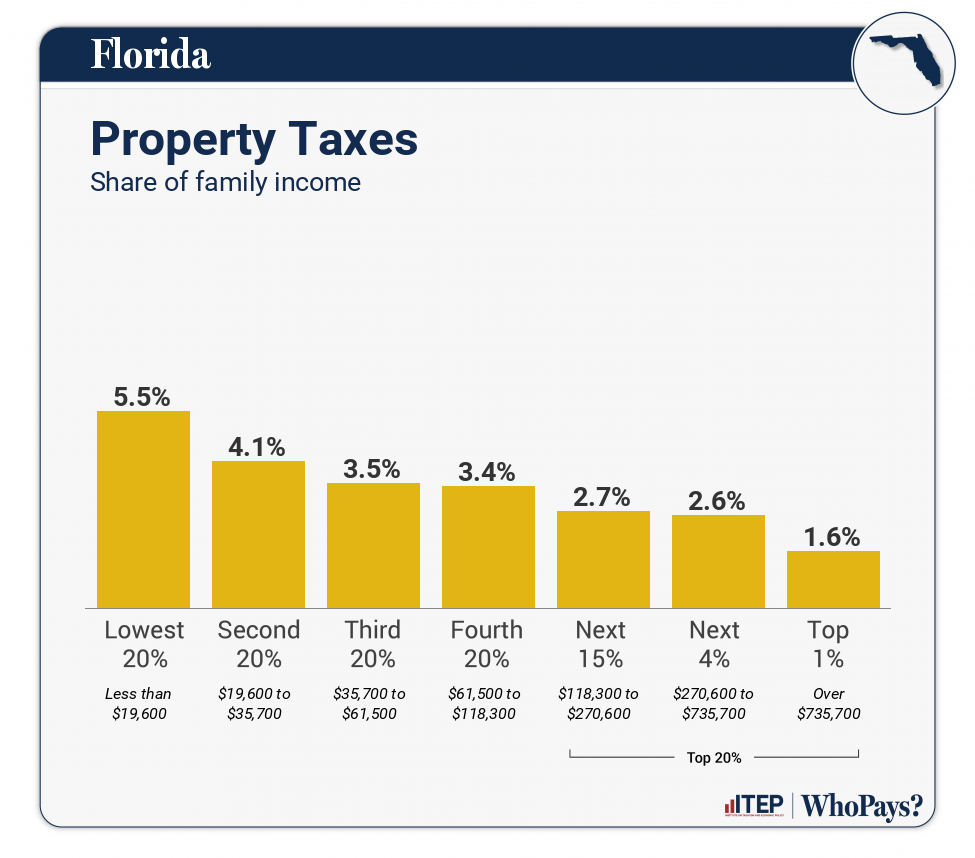
For prospective homeowners, vacation rental investors, or even long-term renters, grappling with the intricacies of property tax in Florida can seem daunting. Unlike some states, Florida does not have a state income tax, making property taxes a significant source of revenue for local governments. These funds are vital for supporting the very infrastructure and services that enhance the travel experience and quality of life for residents, including schools, roads, public safety, parks, and even tourism initiatives. Whether you’re dreaming of a luxury villa in Palm Beach, a family-friendly condo in Kissimmee, or a charming bungalow in St. Augustine, knowing how property taxes work is crucial for budgeting, investment analysis, and truly appreciating the financial landscape of this unique North American paradise.
This comprehensive guide aims to demystify Florida’s property tax system, offering insights relevant to travelers exploring accommodation options, investors eyeing the lucrative rental market, and individuals planning a move to the Sunshine State. By understanding how property taxes are assessed, calculated, and utilized, you can make more informed decisions, ensuring a smoother and more enjoyable experience, whether you’re here for a short getaway or a lifetime.
Understanding Florida’s Property Tax System: A Primer for Residents and Investors
Property tax in Florida is an ad valorem tax, meaning it is based on the assessed value of a property. This local tax is levied by county property appraisers and collected by tax collectors, primarily funding essential services provided by local governments, including counties, municipalities, school districts, and special districts. For anyone considering purchasing real estate in Florida – whether it’s a second home, a vacation rental property, or a permanent residence – a clear understanding of this system is paramount. It directly impacts the total cost of ownership and, consequently, the profitability of any investment in the state’s dynamic real estate and accommodation sectors.
The Foundation of Property Taxation: Assessment and Millage Rates
At the heart of Florida’s property tax system are two key components: property assessment and millage rates.
-
Property Assessment: Each year, the county property appraiser in every Florida county is responsible for determining the market value of all taxable properties within their jurisdiction. This assessment is based on various factors, including recent sales of comparable properties, the property’s size, age, condition, location, and any improvements made. The assessed value is not necessarily what you paid for the property but rather its fair market value as determined by the appraiser. For property owners, understanding this valuation process is critical, as it directly influences their tax liability. If you feel the assessment is inaccurate, there are avenues for appeal, which can be crucial for managing the long-term cost of your investment property or vacation home.
-
Millage Rates: Once the property’s assessed value is determined, the millage rate is applied to calculate the actual tax amount. A “mill” is equal to one-thousandth of a dollar, or $1 for every $1,000 of assessed value. Millage rates are set annually by various taxing authorities – the county, the city (if applicable), the school board, and any special districts (e.g., water management, fire services). These rates can vary significantly from one jurisdiction to another, leading to substantial differences in property tax bills even for similarly valued properties in neighboring areas. For instance, a property in Miami might have a different combined millage rate than one in Fort Lauderdale or Tampa, reflecting the diverse needs and service levels of those communities. This variability is a vital consideration for those looking at hotels or accommodation investments, as it can greatly affect operating expenses and profitability.
The combined millage rate is applied to the taxable value of the property, which is the assessed value minus any eligible exemptions. This distinction is crucial, particularly for permanent residents of Florida.
Key Exemptions That Can Lower Your Tax Bill
Florida offers several exemptions that can significantly reduce a property owner’s taxable value, thereby lowering their property tax bill. These exemptions are particularly important for full-time residents, influencing lifestyle choices and making homeownership more accessible.
-
Homestead Exemption: This is by far the most significant exemption for permanent residents. If a property owner uses their Florida property as their primary residence as of January 1st of the tax year, they may qualify for up to a $50,000 reduction in the assessed value for tax purposes. This exemption also triggers the “Save Our Homes” (SOH) Amendment, which caps annual increases in the assessed value of homesteaded properties at 3% or the Consumer Price Index, whichever is lower. This cap provides a substantial benefit against rapidly increasing property values, offering predictability in tax bills for long-term residents and making Florida an attractive place for retirement or family life.
-
Other Exemptions: Florida also provides various other exemptions for specific groups, including:
- Senior Citizen Exemptions: Additional exemptions may be available for low-income seniors, varying by county and municipality.
- Widow/Widower Exemption: A $500 exemption for widows and widowers.
- Disability Exemptions: Specific exemptions for individuals with certain disabilities, including veterans with service-connected disabilities.
- First Responder Exemptions: For certain first responders permanently disabled in the line of duty.
These exemptions underscore Florida’s commitment to supporting its residents. However, it’s vital to remember that most of these do not apply to properties used solely as vacation homes or investment rentals unless the owner also claims that property as their primary residence – a situation that is typically not possible for non-residents or those with multiple properties. This distinction is critical for investors in the accommodation sector, as their properties will generally be taxed at their full assessed value, making careful financial planning even more important.
Who Pays and When: A Guide to Florida’s Property Tax Cycle
The property tax cycle in Florida follows a predictable annual schedule, important for both residents and non-resident property owners.
- January 1: Property ownership and exemption status are determined for the tax year. This is the official assessment date.
- August: Property appraisers send out “Truth in Millage” (TRIM) notices. These notices inform property owners of their assessed value, proposed tax rates from various taxing authorities, and the potential tax amount. This is also the period during which property owners can dispute their assessed value or proposed exemptions.
- November 1: Tax bills are mailed out by county tax collectors. Payments are typically due by March 31 of the following year.
- Discount Period: Florida offers discounts for early payment: a 4% discount if paid in November, 3% in December, 2% in January, and 1% in February. This incentive encourages timely payments and can result in small but welcome savings.
- April 1: Unpaid taxes become delinquent, incurring penalties, interest, and potentially leading to a tax certificate sale, where investors can purchase liens against the property. This can ultimately lead to foreclosure if the taxes remain unpaid.
Understanding this timeline is crucial for managing cash flow, especially for those who own vacation rentals or operate hotels, where prompt payment can take advantage of discounts and avoid penalties.
Property Tax and the Florida Lifestyle: Implications for Travel, Accommodation, and Investment
The property tax system in Florida is not just a regulatory framework; it’s an intrinsic part of the Florida lifestyle, profoundly influencing travel patterns, accommodation choices, and investment decisions across the state. From the bustling streets of Miami to the serene shores of Siesta Key, how property taxes are collected and spent directly shapes the environment that attracts millions of visitors and residents alike.
Impact on Real Estate and Accommodation Choices for Travelers
For travelers to Florida, property taxes might seem like a distant concern, but they subtly influence many aspects of their trip. The cost of owning and maintaining properties, driven partly by property taxes, directly impacts the pricing of various accommodation options.
- Hotels and Resorts: Large hotel chains and luxury resorts across Florida, from Disney World properties in Orlando to beachfront resorts in South Beach, pay substantial property taxes. These costs are factored into their operational expenses and, consequently, into room rates. Higher property taxes in prime locations might translate to slightly higher prices for visitors, contributing to the overall luxury travel experience in these coveted destinations.
- Vacation Rentals (Villas, Apartments, Condos): The booming vacation rental market in Florida offers travelers diverse choices, from entire villas in Kissimmee for family trips to chic apartments in downtown St. Petersburg. For owners of these properties, property taxes are a significant expense. When setting rental rates, owners must account for these taxes, alongside other costs like maintenance, insurance, and management fees. This means that travelers choosing a vacation rental are indirectly paying a share of the property tax through their rental fees.
- Long-Term Stays and Budget Travel: For those seeking long-term accommodation or budget travel options, understanding the underlying costs of property ownership can help them make informed decisions. Sometimes, opting for areas with lower property tax rates for owners might lead to more affordable rental options. The choice between staying in a hotel, a short-term rental, or even considering a long-term stay in a residential apartment is influenced by these foundational costs, shaping the overall accessibility and affordability of a Florida experience.
Funding Tourism Infrastructure and Local Amenities
Perhaps the most direct link between property taxes and the visitor experience is how these funds contribute to the development and maintenance of tourism infrastructure and local amenities.
- Roads and Transportation: Property tax revenue helps fund the construction and upkeep of roads, bridges, and public transportation systems, making it easier for tourists to navigate destinations like Tampa, Jacksonville, and the scenic routes through the Florida Keys.
- Parks and Recreation: Many of Florida’s beautiful parks, beaches, and recreational facilities – from local community parks to state-managed historical sites and natural landmarks like parts of the Everglades National Park – receive funding from local tax dollars, enhancing the quality of experiences for both residents and tourists. These are often key attractions that draw visitors to a particular destination.
- Public Safety: Police, fire, and emergency medical services, largely funded by property taxes, ensure the safety and security of both residents and the millions of tourists who visit Florida annually. A safe environment is a fundamental component of a desirable travel destination.
- Cultural and Community Development: Property taxes also support local libraries, museums, cultural centers, and community events, enriching the local culture and providing additional attractions for tourists seeking authentic experiences beyond the typical theme parks. These add to the diverse appeal of cities like Sarasota or St. Augustine.
In essence, property taxes act as a cornerstone, supporting the very fabric of local life and the quality of public services that make Florida such an attractive place to visit and live.

Navigating Property Tax for Vacation Homes and Investment Properties
For individuals looking to invest in Florida’s vibrant real estate market, particularly for vacation homes or dedicated rental properties, property taxes are a primary consideration that dictates profitability and long-term financial viability.
- No Homestead Exemption Benefit: Unlike primary residences, investment properties and vacation homes do not qualify for the significant Homestead Exemption. This means they are taxed on their full assessed value, making their tax bills considerably higher than an equivalent homesteaded property. This is a critical factor for lifestyle decisions, as the dream of a second home near Disney World or a beachfront condo on Anna Maria Island comes with a distinct tax implication.
- Assessment Caps Don’t Apply: While homesteaded properties benefit from the “Save Our Homes” cap on assessment increases, non-homesteaded properties (including most investment properties) are subject to a different cap of 10% annual assessment increase. While still a cap, it allows for faster increases in taxable value compared to homesteaded properties, requiring investors to budget for potentially escalating tax costs.
- Strategic Location Choices: Savvy investors often analyze property tax rates across different counties and cities when deciding where to purchase. For example, a property in Cape Coral might have different tax implications than one in Naples, even if both are popular tourist destinations. This due diligence is crucial for optimizing returns on investment properties, whether they are apartments, villas, or entire resorts. Understanding these differences can inform decisions about where to invest for a family vacation home versus a purely income-generating rental.
For many, owning a vacation property in Florida is part of a desired lifestyle – a place to escape, relax, and create memories. However, treating it as an investment requires a careful understanding of the tax burden, which directly impacts the property’s overall cost and potential for generating rental income.
Exploring Regional Variations: Property Tax Across Florida’s Diverse Landscapes
Florida is a state of remarkable diversity, from the subtropical wilderness of the Everglades National Park to the cosmopolitan high-rises of Miami. This regional variety extends to its property tax landscape, where rates and assessments can fluctuate significantly from one county or city to another. These variations are crucial considerations for anyone planning to purchase property, establish a business, or even choose a destination for an extended stay, as they impact the overall cost of living and the local economic environment.
Property Tax in Major Tourist Destinations: Orlando to Miami
Florida’s most popular tourist destinations often present unique property tax scenarios, reflecting their robust economies, high property values, and the extensive services required to support large visitor populations.
- Orlando and Central Florida: As the heart of Florida’s theme park industry, cities like Orlando and Kissimmee are magnets for tourism. Property values for residential homes and short-term rentals, especially near attractions like Disney World and Universal Studios Florida, are generally higher. While millage rates might be moderate, the higher assessed values can lead to substantial tax bills. However, the strong demand for accommodation, from hotels to villas, often allows investors to offset these costs through rental income. Areas like Celebration and Winter Park also showcase how different community structures can influence property assessments and desired lifestyles, ranging from planned communities to historic neighborhoods.
- Miami-Dade County and South Florida: Miami and surrounding areas like Fort Lauderdale, Palm Beach, and Coral Gables are known for their luxury properties, vibrant nightlife, and cultural diversity. Property values, particularly for beachfront condos, luxury apartments, and commercial properties, are among the highest in the state. While these areas often have significant millage rates to support extensive urban services and infrastructure (such as those funding public beaches, cultural centers, and transportation), the sheer demand for tourism and high-end living means property values remain strong. The property tax here contributes to the chic lifestyle and world-class amenities that define South Beach and other iconic landmarks.
- Tampa Bay Area: Tampa, St. Petersburg, and Clearwater offer a blend of urban living, beautiful beaches, and growing business sectors. Property values here have seen consistent growth, and tax rates support a range of services from bustling city centers to popular tourist beaches. The lifestyle here appeals to a diverse demographic, from young professionals to retirees, and property tax structures reflect the varied demands of these communities.
- Southwest Florida: Cities like Naples, Sarasota, and Cape Coral are highly desirable for retirees and those seeking a relaxed, upscale lifestyle. While property values can be high, especially for waterfront properties, the millage rates can sometimes be lower than in major metropolitan areas, offering a potentially more favorable tax environment for luxury properties without the intense urban density. The focus on natural beauty and outdoor activities, like those found on Siesta Key, is often supported by these local tax revenues.
Considerations for Coastal vs. Inland Properties
The geographic location within Florida also plays a significant role in property tax implications.
- Coastal Properties: Properties along the Atlantic Coast (e.g., Boca Raton, Jacksonville, the Space Coast) and the Gulf Coast (e.g., Destin, Panama City Beach, Naples) often command higher assessed values due to their prime locations, views, and desirability. This generally translates to higher property tax bills. Additionally, coastal areas may have special taxing districts for beach nourishment, storm protection, or specific infrastructure projects, further influencing the overall millage rate. While the appeal of beachfront living or resort accommodation is undeniable, investors must account for these elevated costs.
- Inland Properties: Inland areas, such as Gainesville or Tallahassee, often have lower average property values, leading to lower property tax bills compared to their coastal counterparts. These regions might offer a more budget-friendly lifestyle or investment opportunity, particularly for those seeking long-term stays or properties away from the direct tourist hustle. While they may not have direct ocean access, they often boast unique cultural attractions, natural landscapes, and strong local communities, all supported by local tax revenues.
How Property Taxes Shape Local Development and Attractions
The revenue generated from property taxes is the lifeblood of local development in Florida. It directly funds projects and services that shape the character and appeal of various communities:
- Infrastructure Improvements: From new roads and public transportation networks to water and sewer systems, property taxes enable the growth and modernization necessary to support a growing population and robust tourism.
- Educational and Cultural Institutions: Funding for public schools, libraries, and local museums often comes from property taxes. These institutions are vital for families considering relocation and also offer enriching experiences for cultural tourists.
- Parks and Preserves: Many local parks, recreational facilities, and even contributions to state-managed natural preserves are sustained by property tax dollars. These green spaces and natural landmarks are essential for outdoor enthusiasts and families traveling to Florida.
- Community Events and Services: Local festivals, public safety initiatives, and various community services that enhance the quality of life for residents and visitors alike are reliant on property tax funding. This directly impacts the vibrancy and appeal of a destination.
Understanding these regional variations and their underlying tax structures allows travelers to pick destinations that align with their budget and lifestyle preferences, and helps investors make strategic decisions about where to acquire properties for hotels, resorts, or other forms of accommodation.
Maximizing Your Investment: Strategies for Managing Florida Property Taxes
Navigating property taxes in Florida doesn’t have to be a passive acceptance of the annual bill. For both permanent residents and savvy investors, proactive strategies can significantly help manage this substantial expense. By understanding the system, leveraging available benefits, and staying informed, property owners can optimize their financial health and enhance their overall lifestyle or investment profitability in the Sunshine State.
Leveraging Exemptions and Homestead Benefits
For those who make Florida their permanent home, fully utilizing available exemptions is the most powerful tool for reducing property tax liability.
- Apply for Homestead Exemption: If you purchase a home in Florida and intend for it to be your primary residence, apply for the Homestead Exemption with your county property appraiser by the March 1st deadline. This simple step can save you hundreds, if not thousands, of dollars annually and also activates the “Save Our Homes” assessment cap, providing long-term predictability to your property tax bills. This is a game-changer for budgeting for retirement or family life in Florida.
- Explore Other Exemptions: Don’t overlook other potential exemptions. Veterans, individuals with disabilities, and senior citizens with lower incomes may qualify for additional reductions. It’s always worth reviewing your eligibility with the county property appraiser’s office, as these can add up to significant savings. This can influence choices for long-term stays or retirement communities, ensuring a more budget-friendly lifestyle.
- Maintain Records: Keep accurate records of your residency and exemption applications. Changes in marital status, ownership, or even extended periods away from the property could impact your eligibility.
For investors in vacation rentals or hotels, while these exemptions typically don’t apply, understanding the market impact of homestead benefits on residential properties around their investment can still provide valuable insights into local real estate trends and competitive pricing.
The Importance of Understanding Property Value Assessments
The assessed value of your property is the foundation of your tax bill. Understanding how it’s determined and knowing your rights to challenge it is crucial.
- Review Your TRIM Notice: Every August, property owners receive a “Truth in Millage” (TRIM) notice. This is your opportunity to review the property appraiser’s assessed value and the proposed millage rates from various taxing authorities. Do not ignore it.
- Compare to Market Values: Research comparable sales in your area. If you believe your assessed value is significantly higher than the fair market value of similar properties, you have grounds for an appeal. This is especially important for investment properties where accurate valuation directly impacts cash flow and potential returns. For hotels and resorts, accurate assessment is key to operational budgeting.
- Understand the Appeal Process: If you disagree with the assessment, you can appeal to the Value Adjustment Board (VAB). This process typically involves an informal review with the property appraiser’s office, followed by a formal hearing if an agreement isn’t reached. Being prepared with market data and evidence is essential. Even for owners of luxury travel accommodations or villas, a successful appeal can lead to significant savings.
- Monitor Improvements: Be aware that significant renovations or additions to your property can increase its assessed value. Factor these potential tax increases into your budget when planning any major home improvements or hotel renovations.

Seeking Professional Guidance for Complex Situations
While this guide provides a general overview, property tax situations can become complex, especially for large investment portfolios, multi-use properties, or unique situations.
- Consult a Tax Professional: For intricate scenarios, such as managing a portfolio of short-term rental properties across different counties, or when dealing with significant commercial hotel investments, engaging a tax advisor or real estate attorney familiar with Florida property law can be invaluable. They can help navigate complex regulations, identify potential deductions, and assist with appeals.
- Stay Informed: Property tax laws and millage rates can change. Staying informed through local county property appraiser websites, tax collector offices, and reliable real estate news sources is essential for proactive management. This vigilance is part of a smart lifestyle strategy, ensuring you’re always making the most financially sound decisions.
In conclusion, while property taxes are an unavoidable part of property ownership in Florida, they are also the lifeblood of the local communities that make the state such a compelling destination. By understanding the system, actively managing your assessments, and leveraging available exemptions, you can ensure that your Florida dream, whether it’s a permanent residence, a vacation home, or a strategic investment in the vibrant travel and accommodation sector, remains financially sustainable and truly enjoyable.
LifeOutOfTheBox is a participant in the Amazon Services LLC Associates Program, an affiliate advertising program designed to provide a means for sites to earn advertising fees by advertising and linking to Amazon.com. Amazon, the Amazon logo, AmazonSupply, and the AmazonSupply logo are trademarks of Amazon.com, Inc. or its affiliates. As an Amazon Associate we earn affiliate commissions from qualifying purchases.