
Planning a trip to the Sunshine State and wondering about the financial implications of your purchases? Understanding the sales tax rate in Florida is crucial for budgeting your vacation, whether you’re indulging in luxury resorts, exploring iconic landmarks, or simply enjoying the local cuisine. While the concept of sales tax might seem straightforward, Florida presents a layered system that can vary depending on your location within the state. This article will break down the general sales tax rate, the additional discretionary sales surtax, and how these taxes impact various aspects of your travel experience, from booking a hotel to enjoying an attraction.
Understanding Florida’s General Sales Tax
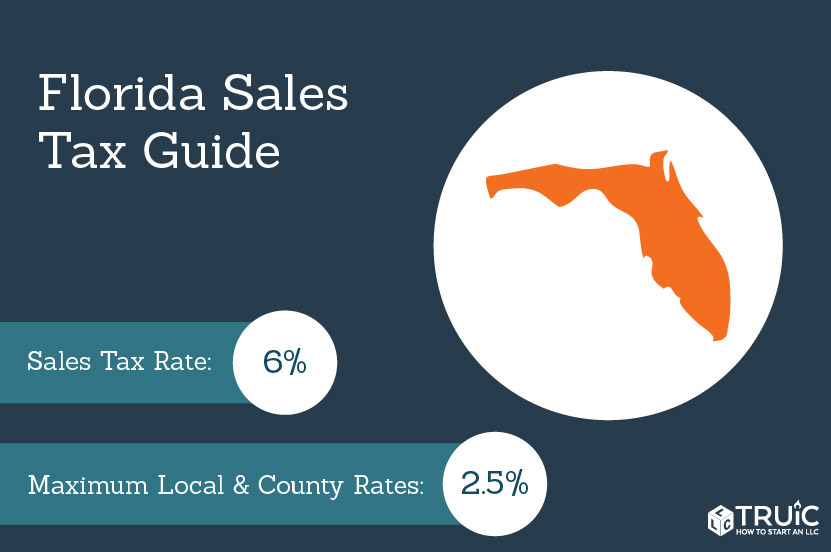
At its core, Florida imposes a state-wide general sales tax. This tax applies to the sale or rental of tangible personal property and certain taxable services. For most transactions, the state sales tax rate stands at a consistent 6%. This means that for every dollar you spend on eligible goods and services, an additional six cents will be added to the price.
This base rate is the foundation for understanding sales tax across the state. However, it’s just one piece of the puzzle. To truly grasp the total sales tax you might pay, you need to consider another important component: the discretionary sales surtax.
The Discretionary Sales Surtax: Adding Layers to the Tax
Beyond the state’s 6% general sales tax, counties and municipalities in Florida have the option to levy a local discretionary sales surtax. This surtax is often referred to as a “local option tax” and its purpose is to fund local services such as schools, transportation projects, and public safety initiatives.
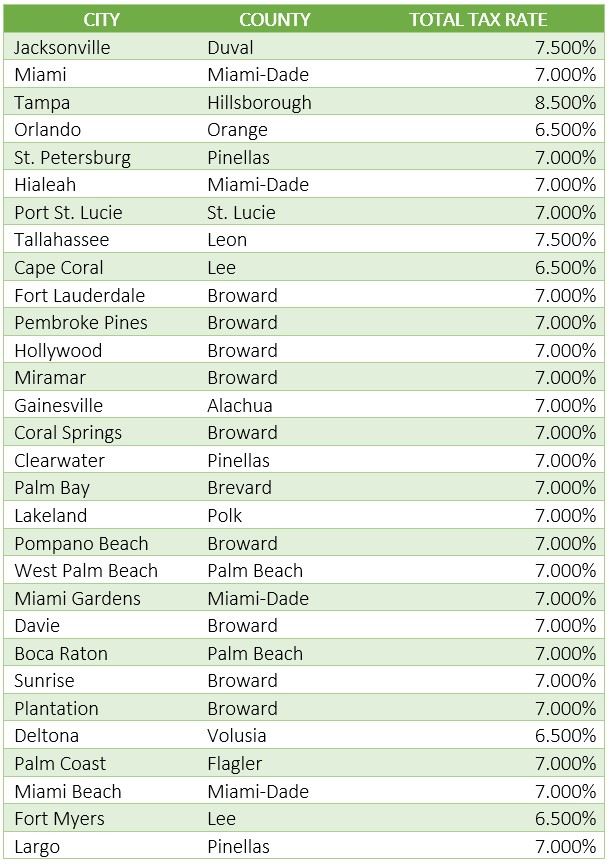
The rates for this discretionary surtax are not uniform. They vary significantly from one county to another, and sometimes even within different jurisdictions of a single county. These rates can range from 0.5% to 2.5%, depending on the specific local government’s decision and voter approval. Consequently, the total sales tax rate you encounter can be higher than the base 6%, often ranging from 6.5% to 8.5%.
It’s important to note that the discretionary sales surtax generally applies to the same types of tangible personal property and taxable services that are subject to the state sales tax. This means that if an item is taxed at the state level, it will likely also be subject to the local surtax if one is in effect in that area.
How to Determine the Applicable Rate
The key to knowing the exact sales tax rate for your purchase in Florida lies in identifying the county or municipality where the transaction takes place. For instance, if you purchase souvenirs in Orlando, the sales tax rate will be different from if you were shopping in Miami.
Retailers are responsible for collecting and remitting the correct sales tax based on the location of their business or the location where the sale is consummated. This can sometimes be a point of confusion for travelers, especially when dealing with online purchases or services that might be rendered across different jurisdictions.
Here’s a simplified way to think about it:
- Base State Tax: Always 6% on taxable goods and services.
- Local Surtax: Varies by county/municipality (0.5% to 2.5%).
- Total Tax: Base State Tax + Applicable Local Surtax.
For example:
- If you are in a county with no discretionary surtax, you will pay 6%.
- If you are in a county with a 1% discretionary surtax, you will pay 7%.
- If you are in a county with the maximum 2.5% discretionary surtax, you will pay 8.5%.
The Florida Department of Revenue provides resources and rate schedules that detail the various discretionary sales surtax rates by county, which can be helpful for precise planning.
Sales Tax on Travel-Related Expenses in Florida
The sales tax in Florida impacts a wide array of expenses that are directly related to your travel experience. From the moment you book your accommodation to the souvenirs you bring home, understanding how these taxes are applied can help you budget effectively.
Accommodation and Lodging
When you book a stay at a hotel, resort, vacation rental, or any other form of lodging in Florida, you’ll be subject to both the state sales tax and any applicable local discretionary surtax. This means that the advertised nightly rate for your room at a place like the Grand Hyatt Hotel or a charming villa in Key West will have these taxes added at checkout or as part of the booking total.
- Hotels and Resorts: Expect the combined state and local sales tax rate to be applied to the room rate.
- Vacation Rentals and Apartments: Similar to hotels, the rental charges for apartments or houses booked through platforms like Airbnb or directly will also incur sales tax.
- Long-term Stays: While the general rule is that rentals of less than six months are subject to sales tax, there can be specific exemptions or different tax treatments for longer-term accommodations. It’s always best to clarify this with the provider.
This tax on lodging is a significant factor for travelers, as accommodation often represents one of the largest expenses of a vacation. Ensuring you factor in an extra 6% to 8.5% on your hotel bills can prevent budget overruns.
Attractions and Entertainment
Exploring Florida’s world-renowned attractions is a highlight for many visitors. Whether you’re visiting theme parks like Walt Disney World Resort, the iconic Everglades National Park, or enjoying a show at a local venue, sales tax will likely be applied to admission tickets.
- Theme Park Tickets: Purchases for entry into amusement parks, water parks, and other entertainment venues will generally be taxed at the prevailing combined sales tax rate of the county where the park is located.
- Museums and Tours: Admission fees for museums, historical sites, and guided tours are also typically subject to sales tax.
- Event Tickets: Tickets purchased for sporting events, concerts, or other live performances will also have sales tax added.
It’s worth noting that some specific attractions might have unique tax structures or exemptions, but for the vast majority, expect to pay sales tax on the price of admission. This applies whether you purchase tickets online in advance or at the gate.
Dining and Food Purchases
Food and beverages are a cornerstone of any travel experience, and understanding how sales tax applies here is essential. The rules for taxing food can be a bit nuanced.
- Restaurant Meals: Prepared food and beverages purchased from restaurants, cafes, and snack bars are generally subject to sales tax. This includes everything from a quick breakfast at a diner to a fine dining experience at a restaurant in Palm Beach.
- Groceries: Unprepared food items purchased from grocery stores for consumption at home are typically exempt from sales tax in Florida. This is a significant distinction for those opting for self-catering accommodation.
- Packaged Snacks and Drinks from Convenience Stores: While groceries are exempt, many convenience stores sell a variety of pre-packaged snacks and drinks that are considered taxable items.
The distinction between prepared food (taxable) and unprepared food (non-taxable) is a critical one for consumers and retailers alike. Always check the nature of the food item you are purchasing to determine its taxability.
Retail Shopping and Souvenirs
No trip is complete without picking up a memento or two. Sales tax is applied to most retail purchases in Florida.
- Clothing and Accessories: When you buy clothes, shoes, or fashion accessories, these items are subject to the state and local sales tax.
- Gifts and Souvenirs: From kitschy trinkets to high-end crafts, most souvenirs purchased from gift shops and boutiques will have sales tax added to the price.
- Electronics and Other Goods: Any tangible personal property, including electronics, books, and household items, purchased within the state will generally be taxed.
The principle is simple: if it’s a tangible item you’re buying, and it’s not specifically exempted, sales tax will apply.
Special Considerations and Exemptions
While Florida’s sales tax system is broadly applicable, there are certain categories of goods and services that are either exempt or have special rules. Being aware of these can help you navigate your spending more effectively.
Exemptions on Essential Goods and Services
Florida provides exemptions for certain essential items to ease the financial burden on residents and visitors.
- Food for Home Consumption: As mentioned earlier, most staple groceries purchased from supermarkets are exempt from sales tax. This includes items like fresh produce, meats, dairy products, bread, and cereals.
- Prescription Drugs: Prescription medications dispensed by a licensed pharmacist are exempt from sales tax.
- Certain Medical Supplies: Some medical supplies, like prosthetic devices and wheelchairs, may also be exempt.
- Newspapers: The sale of newspapers is generally exempt from sales tax.
These exemptions are designed to ensure that basic necessities remain accessible.
Services Subject to Sales Tax
In addition to tangible goods, several services are also subject to sales tax in Florida. This is an area that has seen changes over the years, with more services becoming taxable.
- Repair Services: Many repair services for tangible personal property are taxable.
- Janitorial and Cleaning Services: Services provided by cleaning companies for commercial or residential properties are often subject to sales tax.
- Lawn and Garden Services: The provision of landscaping and lawn care is typically taxable.
- Commercial Photography: Charges for commercial photography services are usually taxed.
- Other Specified Services: The list of taxable services is extensive and can include things like telecommunications services (with some exceptions), pest control services, and even certain digital downloads.
It is advisable to check with the service provider or the Florida Department of Revenue if you are unsure about the taxability of a particular service.
Understanding the Nuances for Businesses and Travelers
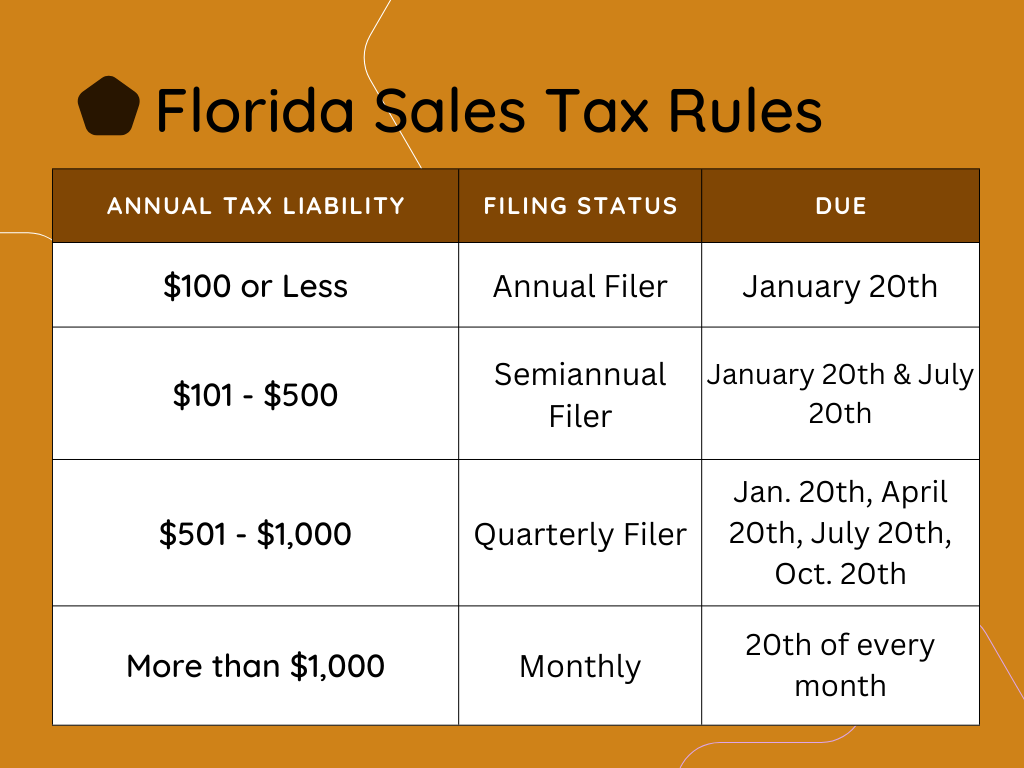
For businesses operating in Florida, understanding sales tax is paramount for compliance. For travelers, it’s about budgeting and making informed spending decisions. While the base rate of 6% is constant, the addition of local surtaxes means that the actual amount paid can fluctuate significantly depending on your location within the state. Always factor in the potential for a higher combined rate when planning your expenses for hotels, attractions, dining, and shopping. By staying informed about these tax regulations, you can ensure a smoother and more financially predictable trip to the beautiful state of Florida. Whether you’re enjoying the beaches of Clearwater, the cultural scene in Tampa, or the natural beauty of the Florida Keys, a little knowledge about sales tax goes a long way.
LifeOutOfTheBox is a participant in the Amazon Services LLC Associates Program, an affiliate advertising program designed to provide a means for sites to earn advertising fees by advertising and linking to Amazon.com. Amazon, the Amazon logo, AmazonSupply, and the AmazonSupply logo are trademarks of Amazon.com, Inc. or its affiliates. As an Amazon Associate we earn affiliate commissions from qualifying purchases.