
A trip to Las Vegas, Nevada, is an adventure filled with dazzling lights, world-class entertainment, exquisite dining, and endless opportunities for excitement. From the iconic Las Vegas Strip to the vibrant energy of Downtown Las Vegas, every corner promises a unique experience. However, to truly enjoy your getaway without any unwelcome surprises, it’s essential to understand the various taxes and fees that come with visiting this dynamic city. Beyond the sticker price of hotels, meals, and souvenirs, several levies can significantly impact your overall budget. This comprehensive guide will break down the sales tax, lodging tax, resort fees, and other financial considerations crucial for planning a smooth and transparent Las Vegas experience, whether you’re embarking on luxury travel, a budget-conscious adventure, a family trip, or a business stay.
Unpacking the Nevada Sales Tax
The most common tax visitors encounter in Las Vegas is the sales tax. Like most states in the United States, Nevada imposes a sales tax on the sale of tangible personal property. Understanding what it applies to and its specific rate in Clark County – where Las Vegas is located – is fundamental for any traveler.
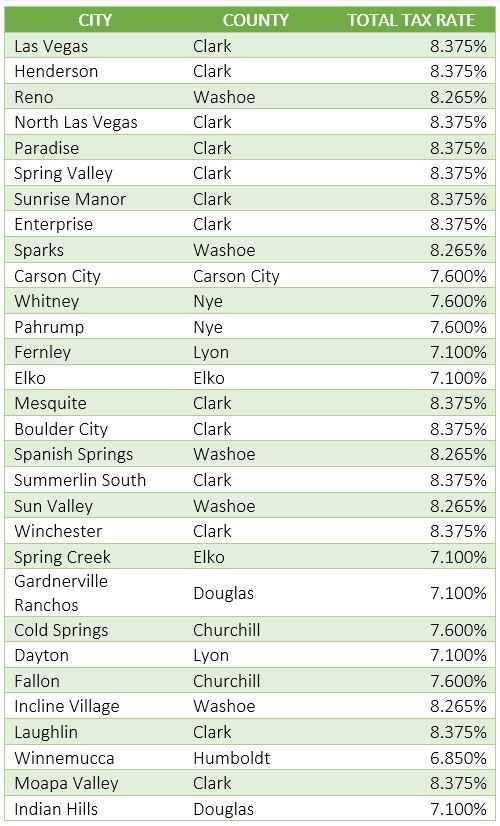
The Current Sales Tax Rate in Clark County
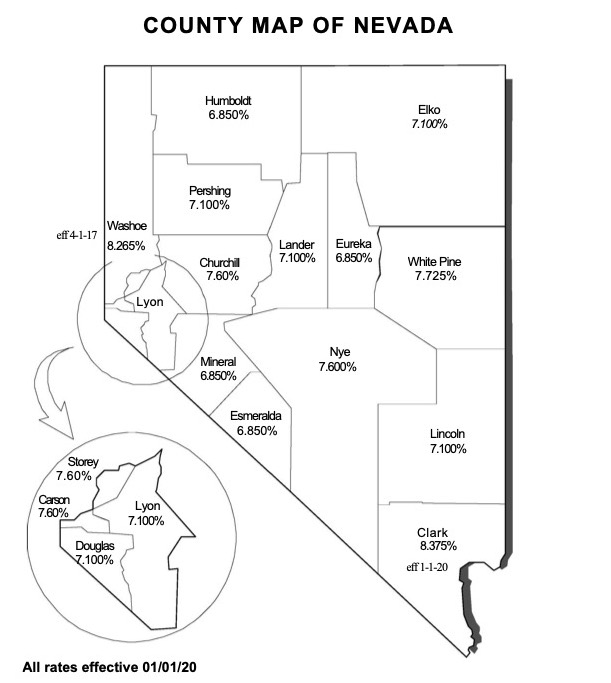
As of the current period, the general sales tax rate in Clark County, Nevada, which includes Las Vegas, is 8.375%. This rate is a combination of the statewide sales tax and various local option taxes. It’s a percentage added to the purchase price of most goods and certain services you buy. While 8.375% might seem like a small number, it can add up quickly, especially when making multiple purchases or investing in higher-value items. For instance, a shopping spree at the luxury boutiques within Caesars Palace or The Venetian Resort will see this percentage applied to every designer item. Similarly, if you pick up a few gifts for friends and family at one of the countless souvenir shops along the Las Vegas Strip, that 8.375% will be factored into the final price at the register. Always keeping this in mind helps manage your expenditure expectations and prevents any surprises when you see the final bill.
What Goods and Services Are Subject to Sales Tax?
The Nevada sales tax primarily applies to the retail sale of tangible personal property. This broadly encompasses a wide array of items that tourists commonly purchase:
- Souvenirs and Gifts: From miniature replicas of the Eiffel Tower at Paris Las Vegas to t-shirts, magnets, and keychains, almost all memorabilia will incur sales tax.
- Apparel and Accessories: Clothing, jewelry, and other personal accessories bought in retail stores throughout Las Vegas are subject to sales tax.
- Electronics: If you decide to upgrade a gadget or purchase new electronics, the sales tax will apply.
- Prepared Food and Beverages: This is where it can get a little nuanced. Generally, prepared food and beverages sold for consumption, whether in a restaurant, a deli, or a buffet like those found at Bellagio or MGM Grand, are subject to sales tax. This includes your morning coffee, that gourmet meal, and even drinks from a convenience store. However, certain unprepared food items (like basic groceries from a supermarket, intended for home consumption) are typically exempt, though most tourists won’t be doing extensive grocery shopping.
- Alcoholic Beverages: Whether purchased at a bar, nightclub, or retail store, alcoholic beverages are subject to sales tax.
It’s important to differentiate between goods and services. While the sale of tangible goods is taxed, many services are not. For example, the cost of a spa treatment at ARIA Resort & Casino, a haircut, or a taxi ride generally won’t have sales tax applied to the service itself. However, if a service package includes a tangible product (e.g., a take-home beauty product from the spa), that product component would be taxed. The key takeaway is to expect sales tax on virtually anything you can physically take with you after purchase.
Beyond Sales Tax: Understanding Las Vegas Tourism Taxes
While sales tax is ubiquitous, visitors to Las Vegas encounter additional, distinct taxes and fees primarily aimed at the tourism sector. These often comprise a significant portion of a traveler’s budget, especially concerning accommodation.
Lodging Tax (Room Tax)
One of the most substantial taxes impacting visitors is the lodging tax, often referred to as a room tax or transient occupancy tax. This tax is applied to the rental of hotel and motel rooms, suites, resorts, and apartments. The purpose of this tax is often to fund tourism promotion, infrastructure, and local government services, benefiting both residents and visitors alike.
In Clark County, the lodging tax rate is multi-layered and can vary slightly depending on the specific location within the county. For instance, hotels located on the Las Vegas Strip or Downtown Las Vegas might have a slightly different total percentage than those further afield. Generally, the combined lodging tax in these primary tourist areas hovers around 13.38%. This means that if your room rate for a night at Wynn Las Vegas is $200, an additional $26.76 (approx.) will be added for the lodging tax alone. This tax is charged per night, per room, and is typically displayed as a separate line item on your hotel bill, distinct from the room rate itself. When booking accommodation, it’s crucial to check if the advertised price includes this tax, or if it will be an added cost upon checkout. Many booking platforms display “price per night before taxes and fees,” so always look for the “total estimated cost” to get the full picture.
Resort Fees: The Hidden Cost of Las Vegas Stays
Perhaps the most talked-about and often lamented additional charge in Las Vegas is the resort fee. Unlike taxes, which are government-mandated levies, resort fees are charges imposed by the hotels themselves. They are typically presented as a mandatory daily charge, separate from the room rate and lodging tax, ostensibly to cover the cost of various amenities and services.
Resort fees can range significantly, from around $30 to over $50 per night at many major properties on the Las Vegas Strip, such as Cosmopolitan of Las Vegas or New York-New York Hotel & Casino. These fees usually cover amenities like in-room Wi-Fi, fitness center access, pool access, local calls, and sometimes even complimentary bottled water or newspaper delivery. While some travelers appreciate the bundled services, many find resort fees frustrating for several reasons:
- Mandatory Nature: Despite being optional services in theory, the fee is mandatory for all guests, regardless of whether they use the amenities.
- Lack of Transparency: Historically, resort fees were not always clearly disclosed upfront during the booking process, leading to “sticker shock” at check-in or check-out. While efforts have been made to improve transparency, it’s still something to actively look for.
- Significant Impact on Budget: A resort fee of $45 per night for a five-night stay adds an extra $225 to your bill, before taxes. This can drastically alter the perceived affordability of a hotel room.
- Taxation of Resort Fees: Crucially, resort fees themselves are often subject to the lodging tax mentioned above. This means you’re paying tax on the resort fee, further increasing your total expenditure.
When planning your trip, always factor in the resort fee when comparing hotel prices. Sometimes, a seemingly cheaper room rate at one hotel might end up being more expensive than a higher advertised rate at another once the resort fee is added. Some hotels, particularly in Downtown Las Vegas or off the main Strip (e.g., Luxor Hotel and Casino or Excalibur Hotel & Casino which are budget friendly but still charge fees), might have slightly lower resort fees, or a select few might even waive them entirely, though this is becoming increasingly rare.
Entertainment and Event Taxes
Beyond the general sales tax and accommodation-related charges, visitors attending shows, concerts, or major sporting events in Las Vegas should be aware of additional taxes and surcharges. Tickets for a Cirque du Soleil performance, a residency concert, or a fight night will typically include an entertainment tax, facility fees, and processing fees. These charges are usually bundled into the final ticket price, but they contribute to the overall cost of experiencing Las Vegas’s renowned entertainment scene. While not always explicitly broken down as separate government taxes on your receipt, understanding that the price you see for a show ticket isn’t just the artist’s fee but also includes various levies helps in budgeting for these premium experiences.
Budgeting for Taxes and Fees in Las Vegas
Effective budgeting is paramount for any successful trip, and nowhere is this more true than in Las Vegas, where taxes and fees can constitute a substantial portion of your travel expenses. Proactive planning can help prevent unexpected costs from derailing your fun.
Strategies for a Tax-Savvy Trip
To ensure you have an accurate picture of your potential spending, consider these strategies:
- Always Check the Total Price for Hotels: When booking, don’t just look at the nightly room rate. Use booking websites that show the “total estimated cost” including all taxes and resort fees, or calculate it yourself. This is critical for comparing true costs between different properties like Bellagio and MGM Grand.
- Factor in Sales Tax for Shopping and Dining: For every purchase of goods or prepared food, add 8.375% to the base price. This small mental calculation can prevent overspending. If you plan on significant shopping, allocate a specific portion of your budget for sales tax.
- Budget for Resort Fees Daily: Treat the resort fee as an integral part of your daily accommodation cost. If a hotel room is $150 and the resort fee is $40 (plus tax), your effective daily cost for just the room is closer to $190 + lodging tax.
- Look for Packages That Might Absorb Some Fees: Sometimes, travel packages that bundle flights and hotels might offer better overall value, or occasionally waive certain fees. Always scrutinize what’s included and what’s still extra.
- Explore Downtown Las Vegas Options: Downtown Las Vegas (home to the Fremont Street Experience) often features slightly more budget-friendly hotels, and some might have lower resort fees or fewer additional surcharges compared to the mega-resorts on the Las Vegas Strip.
- Consider Loyalty Programs: If you are a member of a hotel’s loyalty program, accumulating status might sometimes lead to waived resort fees or other perks, though this is typically for high-tier members.
Impact on Different Travel Styles
The way taxes and fees affect your trip can vary significantly based on your travel style:
- Luxury Travel: For those indulging in high-end experiences, such as staying in a lavish suite at Wynn Las Vegas, dining at Michelin-starred restaurants, or frequenting exclusive clubs, taxes and fees will accumulate rapidly. A percentage-based tax means that the more you spend, the more you pay in tax. While individual taxes might be a smaller proportion of a larger budget, they still add up to a significant absolute amount. Fine dining bills, high-end shopping, and premium room rates will all see substantial tax additions.
- Budget Travel: For visitors on a tighter budget, taxes and resort fees can feel disproportionately impactful. A $40 resort fee might represent a much larger percentage of their total daily spending limit compared to a luxury traveler. Careful planning is essential for budget travelers, who might opt for hotels off the Strip, utilize public transportation, and focus on free attractions to minimize costs. Every dollar saved on taxes and fees can be redirected to experiences or essentials.
- Family Trips: Families often make numerous small purchases throughout the day – snacks, drinks, souvenirs for the kids at places like Circus Circus Hotel & Casino. Each of these adds sales tax. Additionally, larger family suites or multiple rooms will incur higher lodging taxes and resort fees. Budgeting for these cumulative costs is crucial to ensure the family trip remains enjoyable and within financial limits.
- Business Stays: Business travelers typically have expense accounts, but accurate reporting is vital. All taxes and fees must be meticulously tracked to ensure proper reimbursement and compliance with company policies. The bundled nature of resort fees can sometimes complicate expense breakdowns, so retaining detailed receipts is highly recommended. For companies, understanding the full cost of lodging, including all ancillary fees, is important for corporate budgeting.
Navigating Specific Scenarios
Understanding the broad categories of taxes is helpful, but seeing how they apply to specific aspects of your Las Vegas experience can further clarify your budgeting.
Dining and Drinks
When you dine out in Las Vegas, whether it’s a casual meal or an extravagant culinary experience, the sales tax of 8.375% in Clark County will generally be applied to your total food and beverage bill. This applies to prepared food consumed on-site or taken to-go. It’s also important to remember tipping etiquette, as tips are usually not subject to sales tax, but are an expected additional cost (typically 15-20% for good service). If you’re purchasing alcohol, whether at a bar, a restaurant, or a liquor store, sales tax will also be applied. For example, a $100 dinner bill will become $108.38 before tip. If you add a $20 tip, your total outlay becomes $128.38. This is a common oversight that can quickly inflate meal costs, especially for prolonged stays or frequent dining experiences.
Shopping for Souvenirs
As previously mentioned, retail purchases are squarely within the scope of sales tax. From luxury brands at the Forum Shops at Caesars to quirky gifts found at smaller boutiques, expect to pay the 8.375% sales tax. If you have a specific shopping budget, remember to allocate a portion for tax, otherwise, you might find yourself with less spending power than anticipated. This is particularly relevant if you’re planning a significant shopping spree or buying higher-value items like electronics or designer accessories. A $1,000 purchase will incur an $83.75 sales tax, which is not insignificant.
Car Rentals and Transportation
While not a direct sales tax on a tangible good, car rentals in Las Vegas are subject to various taxes and fees, which can sometimes be even more complex than hotel charges. These can include a consolidated facilities charge, vehicle license fees, energy surcharges, and state and local sales taxes on the rental itself. For visitors planning day trips to destinations like the Hoover Dam or the Grand Canyon, renting a car can be an appealing option, but it’s crucial to obtain a detailed quote that includes all taxes and fees to avoid surprises. Similarly, ride-sharing services and taxis include their own operational fees and taxes, which are usually built into the final fare displayed or calculated.
In conclusion, a journey to Las Vegas promises an unforgettable escape, but a clear understanding of its unique tax and fee structure is essential for a truly seamless experience. By familiarizing yourself with the Clark County sales tax, the lodging tax, and the often-debated resort fees, you empower yourself to make informed decisions, budget wisely, and enjoy all that this incredible city has to offer without any unexpected financial hiccups. Whether you’re drawn by the allure of luxury resorts, the thrill of the casinos, or the vibrant nightlife, factoring in these costs will ensure your adventure remains focused on excitement and relaxation.
LifeOutOfTheBox is a participant in the Amazon Services LLC Associates Program, an affiliate advertising program designed to provide a means for sites to earn advertising fees by advertising and linking to Amazon.com. Amazon, the Amazon logo, AmazonSupply, and the AmazonSupply logo are trademarks of Amazon.com, Inc. or its affiliates. As an Amazon Associate we earn affiliate commissions from qualifying purchases.