
Planning a trip to Las Vegas, Nevada, often conjures images of dazzling lights, world-class entertainment, exquisite dining, and endless opportunities for adventure. Whether you’re dreaming of opulent stays at magnificent resorts like The Venetian Resort or Bellagio, exploring iconic landmarks like the Eiffel Tower at Paris Las Vegas, or indulging in a shopping spree at the Forum Shops at Caesars, understanding the true cost of your experiences is paramount. While many visitors meticulously budget for flights, accommodation, and show tickets, one often overlooked aspect that can subtly inflate your expenses is sales tax. In a city where practically every purchase contributes to the vibrant economy, knowing “what is the sales tax in Las Vegas, Nevada?” is more than just a trivial detail; it’s a crucial piece of information for any savvy traveler looking to manage their finances effectively.
This comprehensive guide will delve into the intricacies of sales tax in the Entertainment Capital of the World. We’ll explore not only the current rate but also what types of goods and services are subject to it, what might be exempt, and how it fits into the broader financial landscape of a Las Vegas vacation. From calculating the final price of that coveted souvenir to understanding how prepared meals are taxed differently from groceries, we aim to equip you with all the knowledge needed to navigate the city’s commercial offerings with confidence. Beyond sales tax, we’ll also touch upon other significant fees like resort fees and hotel room taxes, which, while distinct, collectively shape the overall cost of your trip. Our goal is to ensure your lifestyle choices, whether you’re planning a luxury travel experience or a budget travel adventure, are informed by a clear understanding of all potential costs, allowing you to maximize your enjoyment without any unwelcome financial surprises.
Unpacking Nevada’s Sales Tax: The Bare Essentials for Visitors
Navigating the financial landscape of a new destination is a key component of smart travel, and Las Vegas is no exception. While the glitz and glamour might distract from the mundane details of taxation, understanding Nevada’s sales tax system is essential for any visitor. Unlike some other states in the United States that have complex local sales tax structures varying significantly from city to city, Nevada’s system, while still requiring a bit of explanation, is relatively straightforward once you grasp the basics. The sales tax you pay in Las Vegas is a combination of a state-wide rate and a local county rate, specifically for Clark County, where Las Vegas is situated. This combined approach ensures that the revenue generated helps fund both state-level initiatives and vital local services that contribute to the smooth operation and visitor experience of this bustling metropolis. For tourists, this means that almost every tangible good purchased, from a small trinket to a high-end fashion item, will have this tax applied at the point of sale. Being aware of this percentage allows for more accurate budgeting, preventing sticker shock when you reach the checkout counter, especially after an exciting day exploring attractions like the Fremont Street Experience or enjoying the vast shopping options along the Strip. This section aims to demystify these core components, providing clear answers to what you can expect to pay in sales tax during your unforgettable Las Vegas experience.
The Current Sales Tax Rate in Las Vegas and Nevada
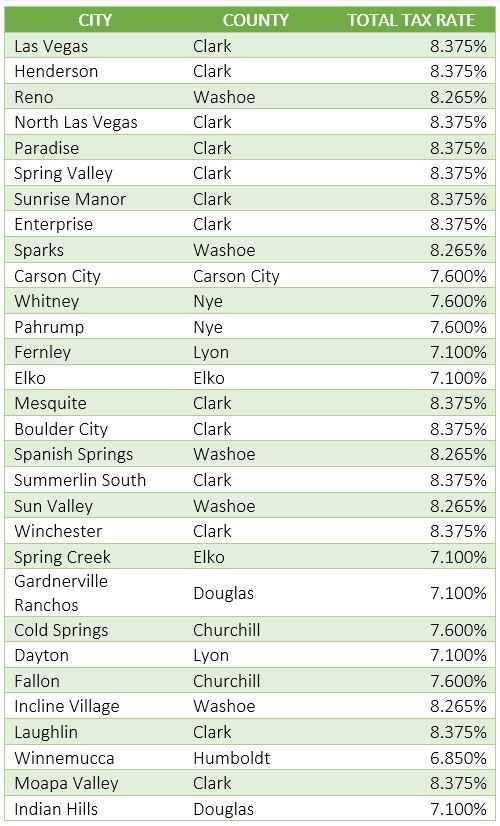
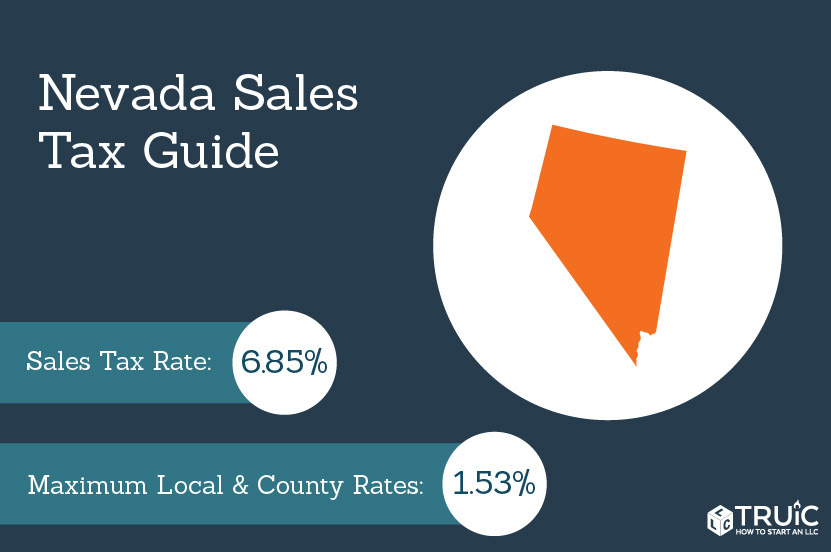
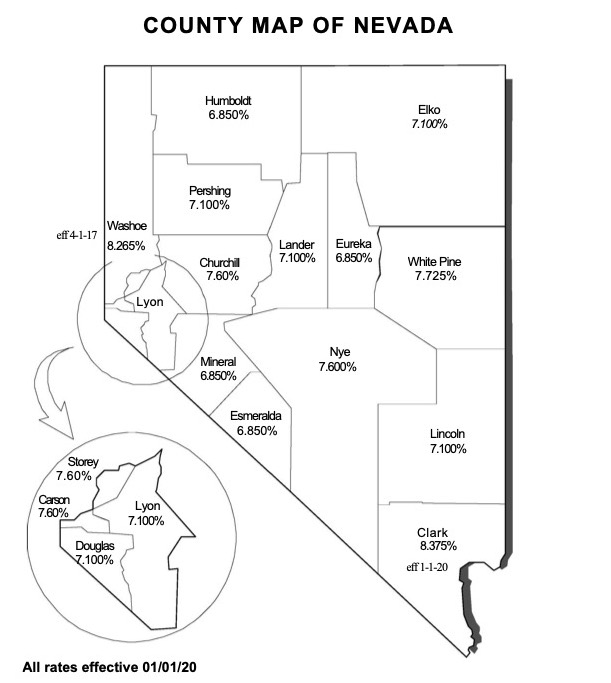
The sales tax rate in Las Vegas, Nevada, is a composite rate. As of the current understanding, the state of Nevada levies a base sales tax rate, and then individual counties have the authority to add their own local sales tax rates. Las Vegas falls within Clark County, which adds its own percentage. When combined, these rates determine the total sales tax applied to your purchases. This combined rate has seen minor adjustments over the years, reflecting economic conditions and funding needs, but it generally hovers around a consistent level. It’s crucial for visitors to understand that this rate applies uniformly across Clark County, meaning whether you’re buying a souvenir on the Las Vegas Strip, grabbing a meal downtown, or shopping at a local store, the sales tax percentage will be the same. While the exact figure can be subject to change by legislative action, it’s typically well-publicized and readily available. Staying updated on this rate is an essential tip for planning your tourism budget effectively, particularly for those whose lifestyle includes significant shopping or dining out.
What Goods and Services Are Subject to Sales Tax?
In Las Vegas, as in most of Nevada, sales tax is primarily applied to the sale of tangible personal property. This broad category encompasses a vast array of items that tourists commonly purchase. For instance, any items you buy from gift shops, whether they are located within your hotel like MGM Grand or stand-alone stores, will be subject to sales tax. This includes souvenirs, clothing, electronics, jewelry, and any other physical goods. Crucially, prepared food and beverages are also taxable. This means that every meal at a restaurant, coffee from a cafe, or drink from a bar—including those served at resort restaurants and nightclubs—will have sales tax added to the bill. Fast food, sit-down dining, and even take-out options fall under this category. While the experience of dining out is a core part of the Las Vegas lifestyle, particularly with the city’s renowned culinary scene, it’s important to factor in this additional cost. For example, if you’re enjoying a gourmet meal at a Caesars Palace restaurant, the menu price isn’t the final price you’ll pay. Certain entertainment tickets might also have sales tax if they are considered to include a tangible good, though often service-based entertainment fees are structured differently.
Sales Tax Exemptions: What You Might Not Pay For
While many purchases in Las Vegas are subject to sales tax, there are notable exceptions that can help astute travelers manage their expenses. The most significant exemption for visitors revolves around groceries. In Nevada, unprepared food items, or what you would typically buy at a grocery store to cook at home, are generally exempt from sales tax. This means if you stock up on snacks, bottled water, or other grocery staples at a supermarket, you won’t pay sales tax on these items. This can be a smart strategy for budget travel or simply for guests seeking convenient in-room refreshments without the added tax burden of prepared meals. Many hotels and suites, especially those offering kitchenettes or apartments and villas for longer stays, make it feasible to purchase and prepare some of your own meals, thereby leveraging this exemption. Another major category of exemption often includes services. Generally, the provision of services in Nevada is not subject to sales tax, unless those services are inextricably linked to the sale of tangible personal property. This means that fees for things like manicures, massages, or even entry to certain shows (where the ticket is purely for the experience and not a tangible item) typically do not incur sales tax. Furthermore, prescription medications are also exempt, ensuring that essential health-related purchases are not burdened with additional taxes. Understanding these exemptions can help you make more informed spending decisions during your Las Vegas tourism adventure.
Beyond Sales Tax: Understanding the Full Cost of Your Las Vegas Trip
When budgeting for a Las Vegas getaway, focusing solely on sales tax provides an incomplete picture of the financial commitments involved. The city, renowned globally for its unique approach to tourism and hospitality, employs several other distinct charges that significantly impact the total cost of your trip, particularly concerning accommodation and experiences. These additional fees are often separate from sales tax and can sometimes catch unsuspecting travelers by surprise, leading to unexpected increases in their overall expenditure. To truly master budget travel or even confidently plan for a luxury travel escape, it’s vital to understand these various components. From the ubiquitous resort fees that are almost synonymous with Las Vegas hotels, to the specific taxes levied on your room rate, each charge plays a role in the final bill. Our aim here is to shed light on these distinct financial layers, helping you distinguish them from sales tax and integrate them into your comprehensive travel guide. By gaining clarity on these “hidden” or often misunderstood costs, you can ensure your financial planning is as robust as your itinerary, allowing you to fully immerse yourself in the vibrant local culture and myriad activities Las Vegas has to offer, from exploring landmarks to savoring exquisite food.
The Infamous Las Vegas Resort Fees
Perhaps the most talked-about additional charge in Las Vegas is the resort fee. This fee is a mandatory daily charge levied by most hotels and resorts on the Strip and beyond, typically ranging from $30 to $50 or more per night. Unlike sales tax, which applies to goods, resort fees are designed to cover the cost of various amenities and services that properties offer, often including Wi-Fi access, fitness center use, pool access, local phone calls, and sometimes even complimentary bottled water or daily newspapers. The key takeaway for visitors is that these fees are rarely included in the initial advertised room rate when you’re booking your accommodation through third-party sites or even directly. Instead, they are typically added to your bill at check-in or check-out, separate from the room rate and any applicable room taxes. This can lead to a significant increase in your overall hotel expenses, especially for longer stays. It’s crucial to factor these fees into your budget travel plans from the outset by checking the resort fee policy of your chosen hotel – whether it’s a suite at Caesars Palace or an apartment at New York-New York Hotel & Casino – to avoid any unpleasant surprises upon departure.
Hotel Room Taxes and Transient Lodging Fees
In addition to resort fees, guests staying in Las Vegas hotels and accommodations are also subject to specific hotel room taxes, distinct from the general sales tax on goods. These are often referred to as transient lodging taxes or occupancy taxes. The purpose of these taxes is to generate revenue from the millions of tourists who visit Nevada annually, with the funds often directed towards public services, tourism promotion, and infrastructure development within Clark County. The exact percentage of these room taxes can vary slightly based on jurisdiction within Nevada and can also depend on whether the property is located on the Las Vegas Strip or elsewhere. Typically, the total room tax rate is a combination of state and county levies, and it is applied to the base room rate (before resort fees are added). While sales tax applies to tangible goods, this specific tax is applied to the service of providing lodging. For instance, a night at Bellagio or MGM Grand will incur this room tax on top of the advertised room rate and the resort fee. Therefore, when booking your stay, it’s essential to look for the “total price” breakdown, which should include these room taxes, to get a clear picture of your actual accommodation cost, allowing for accurate comparison and budgeting.
Other Taxes Affecting Your Stay
While sales tax, resort fees, and hotel room taxes cover the vast majority of charges you’ll encounter, there are a few other, less common, taxes and fees that might occasionally affect your Las Vegas experience. For specific types of entertainment, particularly large-scale events, concerts, or sporting events held in arenas on the Strip, there might be a separate entertainment tax or facility fee. These are typically included in the ticket price and explicitly stated. Although generally less impactful than the primary taxes, being aware of them ensures a completely transparent budget travel or luxury travel plan. Additionally, for visitors renting cars, various rental car taxes and fees will apply, which are distinct from sales tax. These can include a rental car excise tax and airport concession fees if picking up from Harry Reid International Airport. While outside the scope of sales tax on goods, these are important considerations for your overall trip expenses. It underscores the importance of carefully reviewing all components of your purchases and bookings in Las Vegas to ensure no unexpected costs dampen your enjoyment of the city’s incredible destinations and attractions.
Navigating Sales Tax: Practical Tips for Las Vegas Visitors
Armed with a clear understanding of Las Vegas’ sales tax, the next step is to integrate this knowledge into practical strategies that enhance your travel experience. For many visitors, the allure of the city lies in its unparalleled shopping opportunities, from high-end boutiques at the Forum Shops at Caesars and Fashion Show Mall to discounted treasures at the Las Vegas Premium Outlets. Similarly, the culinary scene, ranging from casual eateries to Michelin-starred restaurants within magnificent resorts like The Venetian Resort, is a major draw. However, the final price at checkout can often exceed expectations if sales tax isn’t properly accounted for. This section offers actionable tips and smart approaches to manage sales tax, allowing you to maximize your spending power and truly enjoy the vibrant lifestyle that Las Vegas offers. By consciously budgeting for these taxes, making informed choices about where and how you spend, and understanding your receipts, you can avoid any minor financial inconveniences and instead focus on creating lasting memories. Whether you’re planning a family trip or a business stay, these insights will help ensure your trip remains on budget and completely stress-free.
Budgeting for Sales Tax on Your Purchases
Effective budgeting is the cornerstone of a successful trip, and this includes accounting for sales tax. In Las Vegas, where numerous purchases are made throughout the day, these small percentages can quickly add up. A simple rule of thumb is to always assume that the advertised price for any tangible good or prepared meal does not include sales tax. When you see a price tag, mentally add the current Clark County sales tax rate to get a closer estimate of the final cost. For instance, if you’re planning a shopping spree at Fashion Show Mall, and an item is priced at $100, prepare to pay approximately $108.37 (or the current rate). This “sticker price vs. actual price” phenomenon is critical for things like souvenirs, clothing, and particularly for dining out. If you’re having several meals a day at restaurants and bars, factoring in sales tax for each transaction will prevent overspending your daily allowance. For those on a strict budget travel, creating a small buffer in each spending category specifically for sales tax is a wise strategy. This proactive approach ensures that your exciting Las Vegas experience remains financially comfortable and enjoyable, without any unexpected hits to your wallet at checkout.
Smart Shopping and Dining Strategies
Leveraging your knowledge of sales tax exemptions can significantly impact your overall spending in Las Vegas. As mentioned, unprepared groceries are exempt from sales tax. This presents an excellent opportunity for smart savings, especially for visitors staying in accommodations with kitchenettes or those simply looking to cut down on daily meal costs. Consider making a trip to a local supermarket to buy breakfast items, snacks, bottled water, soft drinks, and other non-prepared foods. This can dramatically reduce the amount of sales tax you pay compared to always purchasing prepared meals and beverages from resort convenience stores or cafes. Even for those indulging in luxury travel, this strategy can be useful for light refreshments between major culinary experiences. Additionally, if you’re a serious shopper, keep an eye out for duty-free opportunities, typically found at international airports, which are exempt from local sales taxes. While less common within the city itself, understanding this concept can be valuable for international visitors. By consciously choosing when and where to purchase certain items, especially food, you can strategically minimize your exposure to sales tax and allocate those savings towards other attractions or activities that enhance your Las Vegas adventure.
Understanding Receipts and Charges
A crucial, yet often overlooked, tip for navigating sales tax in Las Vegas is to always examine your receipts carefully. Reputable businesses will clearly itemize sales tax as a separate line item on your bill, distinct from the price of the goods or services themselves. This transparency allows you to verify that the correct tax rate has been applied and that you haven’t been overcharged. For example, if you dine at a restaurant within Caesars Palace, your receipt will show the subtotal for your food and drinks, followed by the sales tax, and then potentially an automatic gratuity or service charge (which is separate from sales tax). Similarly, when purchasing souvenirs at a shop, the sales tax should be listed clearly. If you ever find a charge on your receipt that you don’t understand, or if sales tax appears to be excessively high, do not hesitate to politely question the cashier or manager. Most establishments are happy to clarify their billing practices. Taking a moment to review your receipts not only helps you track your spending accurately but also ensures you are paying precisely what is owed, safeguarding your budget travel or luxury travel funds.
The Broader Economic Role of Sales Tax in Las Vegas
Beyond the immediate impact on a traveler’s wallet, the sales tax collected in Las Vegas plays a pivotal and indispensable role in the overall economic health and sustainability of the city and Nevada. The unique economic model of Las Vegas is heavily reliant on tourism and the spending habits of its millions of annual visitors. Every purchase, whether it’s a gourmet meal, a designer outfit, or a simple souvenir, contributes to a revenue stream that fuels much more than just the private sector. This broader perspective connects directly to the themes of travel, tourism, and lifestyle on a macro level, illustrating how individual transactions collectively support the infrastructure and services that make Las Vegas such a desirable destination. Understanding this larger context can offer visitors a deeper appreciation for the city, realizing that their sales tax contributions are not merely an added cost, but an investment in the very experience they are enjoying. From maintaining the dazzling public spaces to supporting local communities, sales tax is a fundamental pillar of Las Vegas’ enduring appeal and continuous development.
Funding Public Services and Infrastructure
The sales tax revenue generated in Las Vegas is a critical funding source for various public services and infrastructure projects across Clark County and the state of Nevada. These funds are channeled into essential areas that benefit both residents and the 40+ million tourists who visit each year. Think of the upkeep of roads and highways that lead to Las Vegas and its surrounding attractions like Red Rock Canyon National Conservation Area or Hoover Dam. These taxes also help finance public safety departments, emergency services, and local schools, contributing to the overall quality of life and the safe environment tourists experience. Furthermore, a portion of the revenue supports public transportation, parks, and other civic projects that enhance the city’s appeal as a world-class tourism hub. In essence, every sales tax dollar spent contributes to the seamless operation and continued development of the metropolitan area, ensuring that Las Vegas remains a vibrant and accessible destination. Without this consistent revenue stream from visitor spending on tangible goods and prepared food, maintaining the grandeur and efficiency of this unique city would be a far greater challenge.
Las Vegas as a Premier Shopping and Dining Destination
The vibrant retail and culinary scenes are integral components of the Las Vegas lifestyle, attracting visitors from around the globe. The city has cultivated its image not just as a gambling mecca, but as a premier destination for shopping, fine dining, and entertainment. From the luxurious boutiques at Crystals at CityCenter to the sprawling selections at Fashion Show Mall and the value offered at Las Vegas Premium Outlets (both North and South), there’s a retail experience for every taste and budget travel or luxury travel preference. Similarly, the city boasts an astonishing array of food options, from celebrity chef restaurants within resorts like Bellagio and Caesars Palace to diverse international cuisines. Sales tax, applied to these myriad purchases, is a direct reflection of this economic activity. It’s a testament to the success of Las Vegas’ strategy to diversify its tourism offerings beyond gaming. Every transaction, whether for a coveted designer handbag or a gourmet meal, reinforces the city’s status as a global hub for lifestyle and leisure, and the sales tax collected ensures that the infrastructure supporting these industries can continue to thrive and evolve.
In conclusion, understanding “what is the sales tax in Las Vegas, Nevada?” is a vital piece of knowledge for any traveler planning a visit to this dynamic city. While the current sales tax rate in Clark County directly impacts the cost of tangible goods and prepared food, it is only one component of the full financial picture. Resort fees and hotel room taxes represent additional, significant costs that are distinct from sales tax but equally important for comprehensive budgeting. By being aware of these various charges, embracing smart shopping and dining strategies to leverage exemptions, and diligently reviewing your receipts, you can navigate the economic landscape of Las Vegas with confidence and prevent any unwelcome surprises. Ultimately, the revenue generated from sales tax and other fees plays a crucial role in funding the public services and world-class infrastructure that uphold Las Vegas’ reputation as a premier global destination for travel, tourism, and unforgettable experiences. With this knowledge in hand, you’re well-equipped to fully enjoy every facet of your Las Vegas adventure, ensuring your focus remains on the excitement and allure of the city.
LifeOutOfTheBox is a participant in the Amazon Services LLC Associates Program, an affiliate advertising program designed to provide a means for sites to earn advertising fees by advertising and linking to Amazon.com. Amazon, the Amazon logo, AmazonSupply, and the AmazonSupply logo are trademarks of Amazon.com, Inc. or its affiliates. As an Amazon Associate we earn affiliate commissions from qualifying purchases.