
Planning a trip to New York is an exciting endeavor, filled with visions of iconic landmarks, world-class dining, and unforgettable experiences. Whether you’re dreaming of the vibrant energy of New York City, the majestic beauty of Niagara Falls, or the serene landscapes of the Adirondacks, understanding the intricacies of local expenses is paramount for any traveler. Among these, sales tax is a fundamental element that can significantly impact your budget, affecting everything from your hotel stay to the souvenirs you bring home.
For both luxury travelers accustomed to lavish suites and resorts, and budget-conscious adventurers seeking affordable apartments or villas, a clear grasp of sales tax in New York State is essential. It’s not just a flat rate; it’s a combination of state and local taxes that vary depending on your specific destination within the state and the type of goods or services you’re purchasing. This guide will demystify New York’s sales tax system, providing valuable insights and practical tips to help you budget wisely and enhance your overall tourism experience, ensuring no unexpected surcharges derail your dream vacation.
Unpacking New York’s Sales Tax: State and Local Variations
The sales tax landscape in New York State is a layered system, comprising a statewide base rate augmented by various local taxes. This combination means that the total sales tax you pay can differ significantly from one county or city to another. For travelers, especially those planning to explore multiple regions, understanding these variations is crucial for accurate financial planning.
The Statewide Base Rate and Local Additions
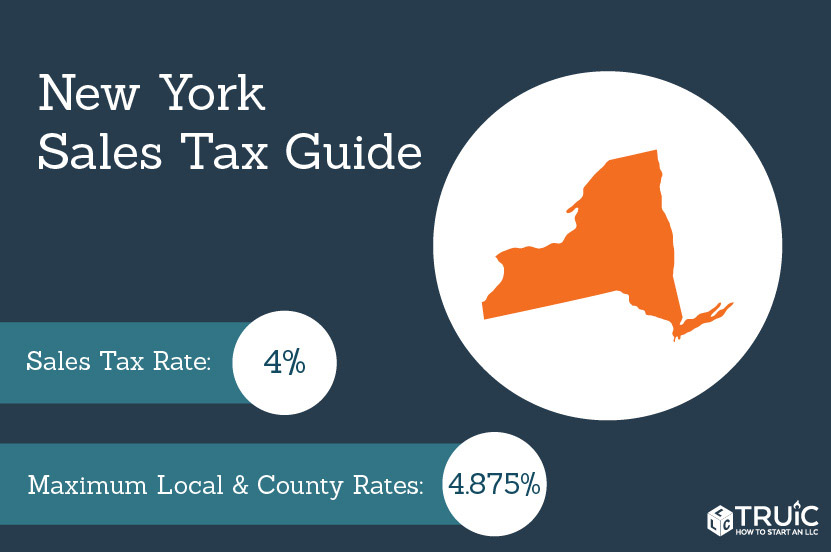
At its core, New York State levies a statewide sales tax rate of 4%. However, this is just the starting point. Most counties and cities impose their own local sales taxes, which are then added on top of the state rate. These local rates can range from 3% to 4.875%, leading to a wide spectrum of combined sales tax rates across the state.
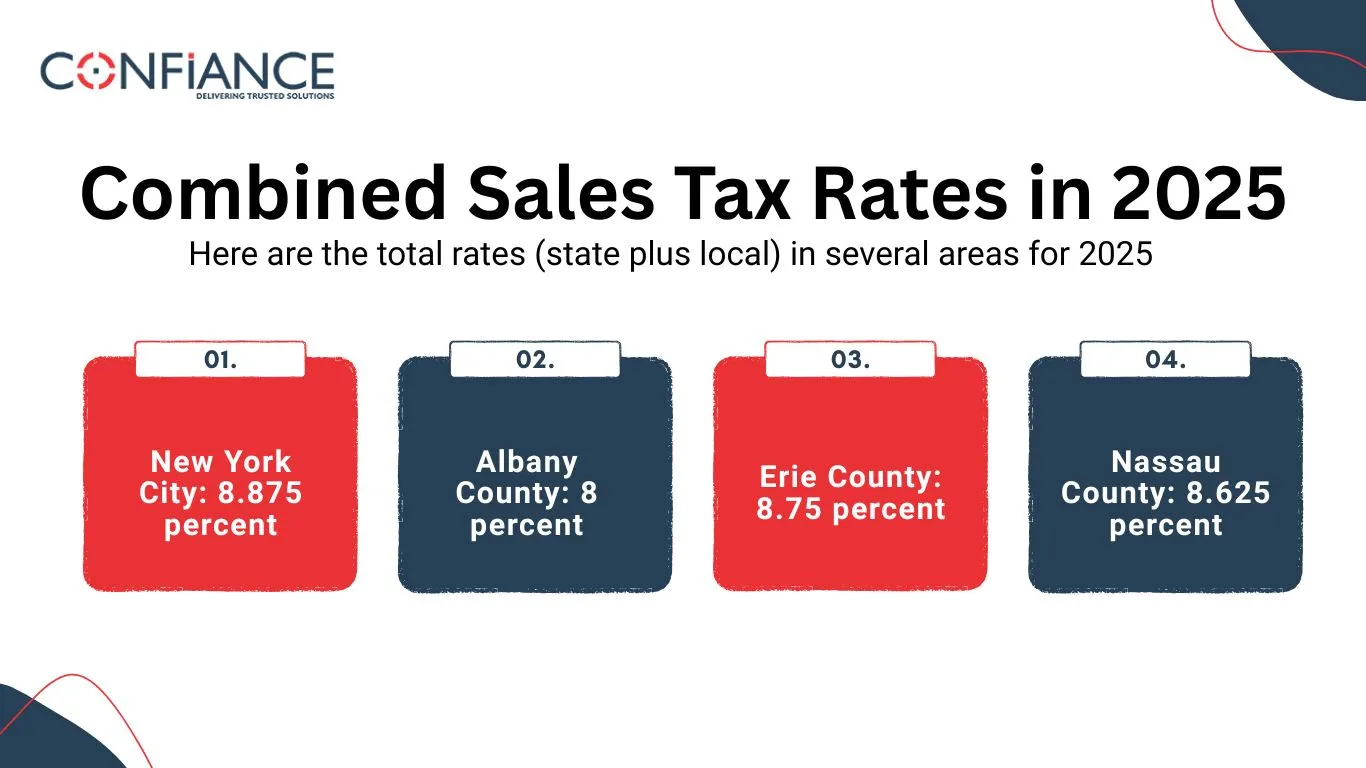
For instance, in areas like Buffalo or Albany, you’ll encounter different combined rates. The combined rate includes the state’s 4% plus the local county and, sometimes, city taxes. This means that an item costing $100 before tax could cost you noticeably more or less depending on where in New York you make the purchase. This nuance is particularly relevant for those engaging in significant shopping or considering major purchases during their trip.
The New York City Sales Tax: A Traveler’s Primary Concern
Without a doubt, New York City is the jewel in New York’s crown for many travelers, a bustling metropolis offering unparalleled attractions, culture, and lifestyle experiences. Consequently, its sales tax rate is often the most pertinent for visitors. In New York City, the combined sales tax rate is 8.875%. This is broken down as follows:
- New York State Sales Tax: 4%
- New York City Sales Tax: 4.5%
- Metropolitan Commuter Transportation District (MCTD) Surcharge: 0.375%
This 8.875% rate applies to most taxable goods and services purchased within the five boroughs: Manhattan, Brooklyn, Queens, The Bronx, and Staten Island. Whether you’re buying a souvenir near Times Square, enjoying a meal in Greenwich Village, or booking tickets for a show on Broadway, this is the rate you’ll generally encounter. Understanding this specific rate allows travelers to more accurately estimate the final cost of their purchases and allocate their budget effectively.
Sales Tax Impact on Key Traveler Expenses
For any visitor, understanding how sales tax applies to different categories of spending is crucial for effective budgeting and avoiding unwelcome surprises. From where you stay to what you eat and buy, sales tax can subtly inflate your travel costs.
Accommodation: Hotels, Resorts, and Short-Term Rentals
The cost of accommodation is often the largest single expense for travelers, and sales tax plays a significant role here. In New York City, hotel stays are subject to the standard 8.875% sales tax, plus an additional local Hotel Room Occupancy Tax of 5.875% and a $1.50 per night unit fee. This means that a total tax burden of approximately 14.75% (plus the unit fee) can be added to the advertised room rate in NYC.
For example, a night at a luxury establishment like the St. Regis New York or a stay at a more modest boutique hotel will both incur these taxes. This applies to traditional hotels, resorts, and even many short-term rentals booked through platforms like Airbnb or VRBO. These platforms generally collect and remit the applicable state and local sales taxes, along with any occupancy taxes, to the relevant authorities, so the prices you see on their listings often have these taxes added at checkout. Always check the final price before confirming your booking to ensure you account for these additional charges. Some resorts also impose “resort fees” which, depending on what they cover, might also be subject to sales tax, further increasing your overall expenditure.
Dining and Food Purchases: From Fine Dining to Groceries
New York is a culinary paradise, from Michelin-starred restaurants to iconic street food vendors. When dining out, prepared food and beverages purchased from restaurants, cafes, and delis are generally subject to the full combined sales tax rate of the location. This includes sit-down meals, takeout, and food delivery services. So, that bagel and coffee you grab in the morning, or the exquisite dinner you enjoy in a Manhattan restaurant, will have the sales tax added to the bill before gratuity.
However, there’s a distinction when it comes to grocery shopping. Most basic food items purchased from supermarkets for home consumption are exempt from sales tax in New York State. This means fruits, vegetables, meat, bread, dairy, and other staples bought to cook at your apartment or villa will not be taxed. There are exceptions, such as candy, soda, and certain prepared foods within a grocery store (like hot ready-to-eat items), which are often taxable. This distinction can be a significant budgeting advantage for travelers on a tighter budget who plan to prepare some of their own meals.
Shopping: Clothing, Souvenirs, and Luxury Goods
Shopping is an integral part of many New York trips, whether it’s browsing the high-end boutiques on Fifth Avenue or picking up unique souvenirs. Most tangible personal property, including electronics, souvenirs, and luxury items, is subject to sales tax.
A notable exemption exists for clothing and footwear. In New York State, individual items of clothing and footwear costing less than $110 are exempt from the state’s 4% sales tax and any local sales taxes in New York City. This means that a pair of sneakers priced at $109 would be tax-free, but if they cost $110 or more, the full sales tax rate would apply. This exemption is per item, not per transaction, which can lead to considerable savings for shoppers. It’s a handy detail for those planning to refresh their wardrobe or pick up fashion items. However, accessories like jewelry, handbags, and briefcases are generally taxable, regardless of price.
Attractions, Entertainment, and Transportation
New York offers an endless array of attractions and entertainment. Tickets for Broadway shows, concerts at Carnegie Hall or Radio City Music Hall, sporting events at Madison Square Garden, Yankee Stadium, or Citi Field are typically subject to sales tax. The same applies to admission fees for many museums like the Metropolitan Museum of Art or MoMA (Museum of Modern Art), as well as popular tourist sites such as the Empire State Building or the Statue of Liberty tours. When purchasing these tickets, always factor in the additional sales tax.
Fortunately, most forms of public transportation, including subway fares, bus tickets, and yellow cab fares, are exempt from sales tax. However, ride-sharing services (like Uber or Lyft) might include various surcharges that can effectively increase the cost, though these are typically not classified as sales tax. Rental cars are generally subject to sales tax, along with other fees, so this is another aspect to consider if your itinerary includes driving.
Budgeting for Your New York Adventure: Tips for Travelers
Understanding sales tax is not merely an academic exercise; it’s a practical tool for smart travel planning. By integrating these tax considerations into your budget, you can ensure a smoother, more enjoyable, and financially predictable New York experience.
Always Factor in the “Hidden” Costs
The biggest mistake travelers make is only considering the advertised price. Whether you’re looking at a $20 meal, a $150 hotel room, or a $60 museum ticket, remember to mentally (or physically) add the relevant sales tax. In New York City, that 8.875% can quickly add up, especially on larger purchases. For accommodation, the combined sales and occupancy taxes pushing rates up by almost 15% can represent a significant chunk of your total booking cost. Always look for the “total price” or “all-inclusive price” when comparing options, though be aware that some websites might only show the base rate until you proceed to checkout.
Strategic Spending for Savings
Armed with knowledge about exemptions, you can make smarter spending choices.
- Clothing and Footwear: Take advantage of the sub-$110 exemption. If you’re planning a shopping spree, consider if items can be purchased individually to stay below the threshold if applicable, or if buying multiple smaller items helps.
- Food: Balance your dining experiences. Indulge in New York’s renowned restaurants, but for some meals, consider buying groceries from a local supermarket (tax-exempt for most staples) and enjoying a picnic in Central Park or a quiet meal at your accommodation. This not only saves on sales tax but also often on the cost of the food itself.
- Packages and Bundles: While sales tax is generally applied to individual taxable items, some travel packages might incorporate taxes differently. Always inquire or carefully read the fine print if you’re booking an all-inclusive tour or a hotel-and-attraction bundle, though true sales tax ‘exemptions’ for such packages are rare.
Beyond Sales Tax: Other Fees to Consider
While this article focuses on sales tax, it’s worth noting other potential fees that can impact your travel budget in New York.
- Resort Fees: Common in many resorts and high-end hotels, these mandatory charges cover various amenities (Wi-Fi, gym access, etc.) and are often added daily. They may or may not be subject to sales tax, depending on what they cover and local regulations.
- Gratuities: Tipping is customary and expected for many services in the United States, including dining, taxi services, and hotel staff. This isn’t a tax, but a significant additional expense to factor in, typically 15-20% for good service.
- Service Charges: Some restaurants, particularly for large groups, might automatically add a service charge, which usually replaces or supplements the tip.
By meticulously planning your expenses, considering both advertised prices and the additional layer of sales tax and other fees, you can create a realistic and enjoyable travel budget. This approach allows you to fully immerse yourself in the rich local culture, savor the diverse food, and explore iconic landmarks like the Brooklyn Bridge, Wall Street, Rockefeller Center, Grand Central Terminal, The High Line, and Museum Mile without the stress of unexpected costs.
In conclusion, a journey to New York, whether for business stays, family trips, or a solo adventure, promises a wealth of experiences. Understanding its sales tax system is a fundamental step toward maximizing your enjoyment and ensuring your trip is as seamless and memorable as possible. By being informed, you can truly focus on the wonders that New York has to offer, from the bustling streets of Manhattan to the serene beauty of the Finger Lakes or the vibrant communities of the Hamptons. Happy travels!